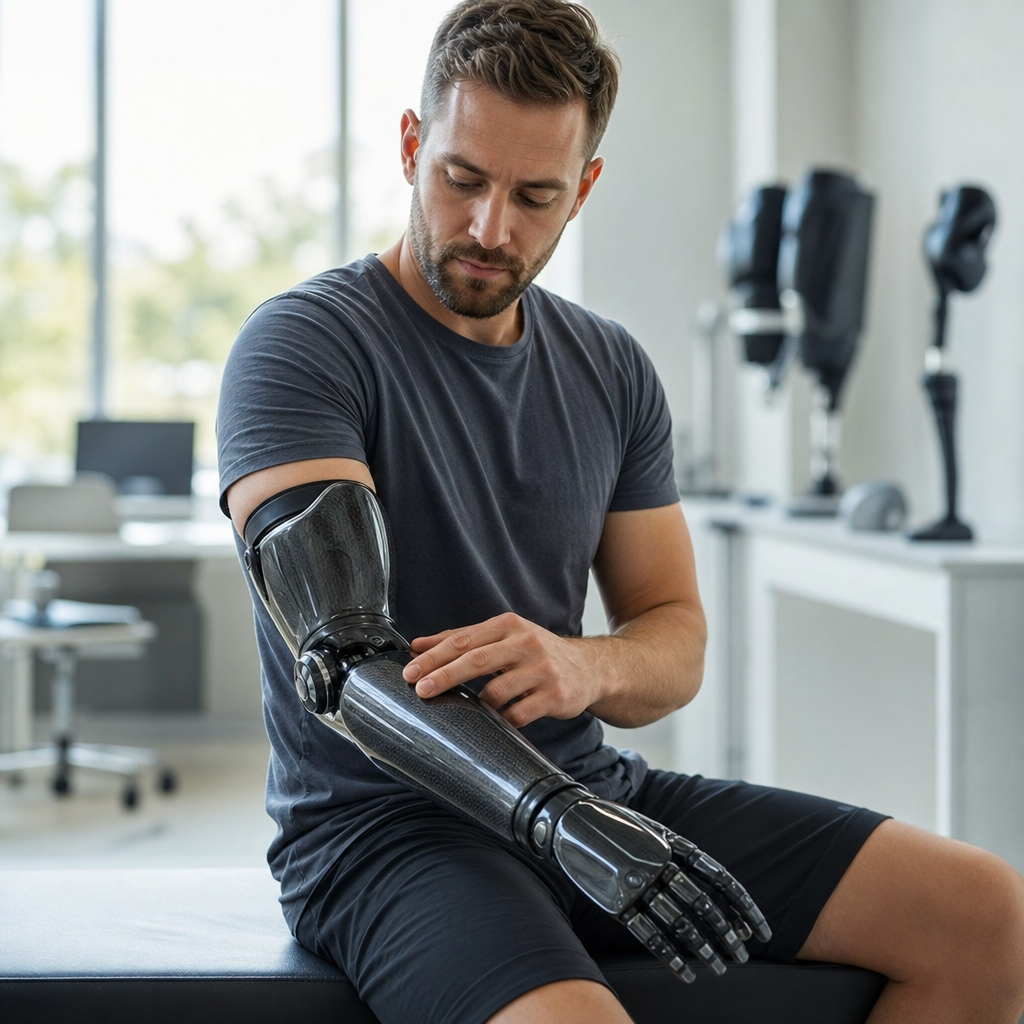
Advanced prosthetics have changed from simple mechanical replacements into highly engineered systems, and polymers sit at the center of that transformation. In modern limb design, the term polymers refers to long-chain materials ranging from commodity plastics to medical-grade silicones, thermoplastic elastomers, polyurethanes, carbon-fiber-reinforced polymer composites, and bioresorbable polymers used in emerging interfaces. I have worked on prosthetic material selection with clinicians, fabricators, and product teams, and the pattern is consistent: when a device fits well, survives daily wear, and feels natural to the user, polymer science is usually a major reason. The use of polymers in advanced prosthetics matters because every performance target—comfort, weight, hygiene, durability, cosmetic realism, and sensor integration—depends on material behavior under repeated loading and skin contact.
Traditional prosthetic systems relied heavily on wood, leather, aluminum, and steel. Those materials still have niche value, but they cannot match the tunable properties of polymers. A polymer can be soft enough to cushion bony prominences, stiff enough to transfer gait loads, transparent enough to inspect skin, or conductive enough to support electronics packaging. Designers can alter molecular weight, crosslink density, filler content, fiber reinforcement, and processing method to fine-tune performance. That flexibility explains why polymers appear in sockets, liners, feet, knees, covers, adhesives, cables, housings, and even osseointegration-adjacent components. For patients, these choices affect skin breakdown risk, walking efficiency, ease of donning and doffing, and long-term acceptance of the prosthesis.
This hub article covers innovative polymer applications across the prosthetics landscape and connects the technical material story to real clinical use. It explains where different polymers are used, why one family is chosen over another, and what tradeoffs engineers and prosthetists must manage. It also addresses common practical questions: Which polymers improve comfort? Which materials support bionic sensors? How are lightweight prosthetic limbs made strong enough for sport or industrial work? What are the limits of recyclable or 3D-printed polymers in clinical devices? By understanding these answers, readers can evaluate not only current products but also the next generation of adaptive, data-enabled, and more personalized prosthetic systems.
Why Polymers Are Found in Nearly Every Advanced Prosthetic Component
The use of polymers in advanced prosthetics begins with a simple engineering truth: no single material must do everything, but the prosthesis as a whole must coordinate stiffness, flexibility, grip, biocompatibility, and manufacturability. Polymers make that balancing act possible. In a transtibial prosthesis, for example, the liner may use silicone or thermoplastic elastomer for cushioning and suspension, the socket may use laminated acrylic resin with carbon fiber or fiberglass reinforcement for structure, the cosmetic cover may use polyurethane foam, and sensor housings may use ABS, nylon, or polycarbonate blends. Each polymer is chosen for a defined job.
From experience in device reviews, the most important decision is often not the strongest material but the right modulus in the right place. A socket that is too rigid can create pressure peaks at the fibular head or distal tibia. A liner that is too soft may bunch, trap heat, or reduce positional control. Polymers offer a wide design window. Shore hardness, elongation at break, creep resistance, fatigue life, and coefficient of friction can all be tuned to the clinical need. That is why polymer-based systems dominate custom and semi-custom prosthetic fabrication workflows.
Manufacturing also favors polymers. Thermoformable sheets such as polypropylene and polyethylene enable rapid socket prototyping and remakes. Thermoset resin systems allow durable laminations around a patient-specific positive model. Injection molding supports repeatable parts for feet, finger prostheses, and modular accessories. Additive manufacturing with nylon, TPU, and photopolymers increasingly helps with check sockets, low-load components, and custom geometries. Compared with metal-heavy designs, polymer-centered fabrication often lowers weight, reduces machining time, and expands geometric complexity without multiplying part count.
Socket Materials: The Structural Core of Prosthetic Performance
The socket is the primary load-transfer interface, and polymer selection here determines both comfort and control. Polypropylene remains widely used because it is relatively low cost, thermoformable, impact resistant, and easy to modify in the clinic. It works especially well for definitive sockets when adjustability and turnaround time matter. Polyethylene can provide more flexibility, but that same flexibility can reduce precise control in higher-activity users. For stronger definitive systems, prosthetists frequently choose laminated composite sockets using acrylic, epoxy, or polyester resin matrices reinforced with carbon fiber, fiberglass, or hybrid fabrics.
Carbon-fiber-reinforced polymer sockets deserve attention because they illustrate how polymers support elite performance. The fibers provide stiffness and high specific strength, while the resin matrix binds layers, distributes stress, and shapes the socket to the residual limb. In practice, this combination can create a lighter socket than many metal-based alternatives while maintaining excellent energy transfer. Competitive runners and military users often benefit from these systems, but the tradeoff is cost and fabrication skill. Poor lamination technique, voids, or incorrect layup orientation can undermine strength far more than clinicians expect.
Flexible inner sockets made from copolymer, EVA, or thermoplastic elastomer layers are another important innovation. These are paired with rigid frames to create subischial or hybrid socket systems that improve comfort while preserving coronal and sagittal stability. In clinics, these designs can help users with sensitive scar tissue or volume fluctuation. The key is matching stiffness gradients to anatomy. A successful socket does not merely fit; it manages pressure, shear, and pistoning through engineered compliance.
Liners, Suspension, and Skin Protection
If the socket is the skeleton of the prosthesis, the liner is the skin-level performance layer. Silicone, polyurethane, and thermoplastic elastomer liners dominate because they provide cushioning, suspension, and friction control while protecting fragile tissue. Silicone liners are known for durability, consistent shape, and easy cleaning. Polyurethane liners often excel at pressure distribution because they flow slightly under load and can conform to irregular anatomy. Thermoplastic elastomer liners are frequently softer and more forgiving, with lower cost for many users.
In practice, liner choice is highly individualized. A transfemoral user with invaginated scars may tolerate polyurethane better because of its pressure-equalizing behavior, while a patient prioritizing simple maintenance may prefer silicone. Suspension systems also rely on polymer components: sealing sleeves, distal cups, suction rings, and elevated vacuum membranes are typically elastomeric. These parts must maintain elasticity over thousands of cycles, resist sweat and oils, and avoid tearing at stress concentrators. Material aging, especially from heat and skin chemistry, is one reason replacement intervals must be monitored carefully.
Skin health is a decisive measure of prosthetic success. Dermatologic problems such as folliculitis, contact dermatitis, and moisture-associated skin damage often trace back to heat retention, friction, and hygiene challenges. Polymer engineers respond with antimicrobial additives, textured surfaces, perforated liners, and moisture-wicking textile-polymer laminates. These features can help, but they are not universal fixes. Additives may lose effectiveness over time, and increased breathability can reduce suspension performance if not integrated thoughtfully. The best results come from combining material selection with disciplined fit management and user education.
High-Performance Components, Smart Prosthetics, and Manufacturing Innovation
Beyond the socket and liner, polymers power the high-function components that define advanced prosthetics. Dynamic-response prosthetic feet commonly use carbon-fiber-reinforced polymer blades because they store and return energy efficiently during stance and toe-off. The polymer matrix is critical: it influences fatigue resistance, impact tolerance, and environmental durability. Epoxy systems are common in premium feet because they bond fibers effectively and support predictable flex patterns. Polyurethane foams and elastomer bumpers are often added to tune rollover behavior, reduce noise, and protect joints in knees and ankles.
Smart prosthetics depend on polymers for more than lightweight housings. Flexible printed circuits, strain reliefs, cable insulation, conformal coatings, and sensor encapsulation all rely on polymer chemistry. Silicone and polyurethane are widely used to encapsulate electronics against sweat, dust, and repeated flexing. Thermoplastic polyurethane appears in cable jackets and flexible connectors because it combines abrasion resistance with elasticity. In my experience, packaging failures are more common than sensor failures; if moisture ingress occurs around an electrode lead or charging port, control reliability drops quickly. Robust polymer seals are essential to dependable bionic performance.
Additive manufacturing has expanded what prosthetic teams can do with polymers, especially for custom geometry. Selective laser sintering with nylon 12 can produce strong, lightweight parts with complex internal lattices. Fused filament fabrication with TPU or reinforced nylon supports rapid testing of flexible interfaces and accessory components. Photopolymer resin printing is useful for highly detailed cosmetic fingers and evaluation models, though long-term mechanical durability remains application dependent. Clinical adoption is growing because digital workflows shorten remake times and allow exact reproduction of successful designs.
| Polymer or Composite | Typical Prosthetic Use | Primary Advantage | Main Limitation |
|---|---|---|---|
| Polypropylene | Thermoformed sockets | Affordable, modifiable, impact resistant | Less rigid for high-demand users |
| Silicone | Liners, sleeves, seals | Durable, stable, easy to clean | Can trap heat and feel less pressure-equalizing |
| Polyurethane | Liners, foams, protective elements | Excellent cushioning and pressure distribution | May require more careful maintenance |
| Carbon-fiber-reinforced polymer | Sockets, feet, sport blades | High strength-to-weight ratio and energy return | Higher cost and fabrication complexity |
| Nylon 12 | 3D-printed custom components | Complex shapes with good mechanical performance | Validation varies by load case and printer process |
One of the most important trends is the use of polymer architectures that combine rigid and soft zones in a single device. Multi-material printing, overmolding, and laminated constructions let engineers place stiffness only where needed. A prosthetic hand can therefore have a rigid internal frame, compliant finger pads, and sealed sensor pockets without excessive assembly. This approach reduces weight and improves user experience, but it raises validation demands. Bond lines, thermal expansion mismatch, and cleaning-chemical exposure can create failure modes that do not appear in single-material designs.
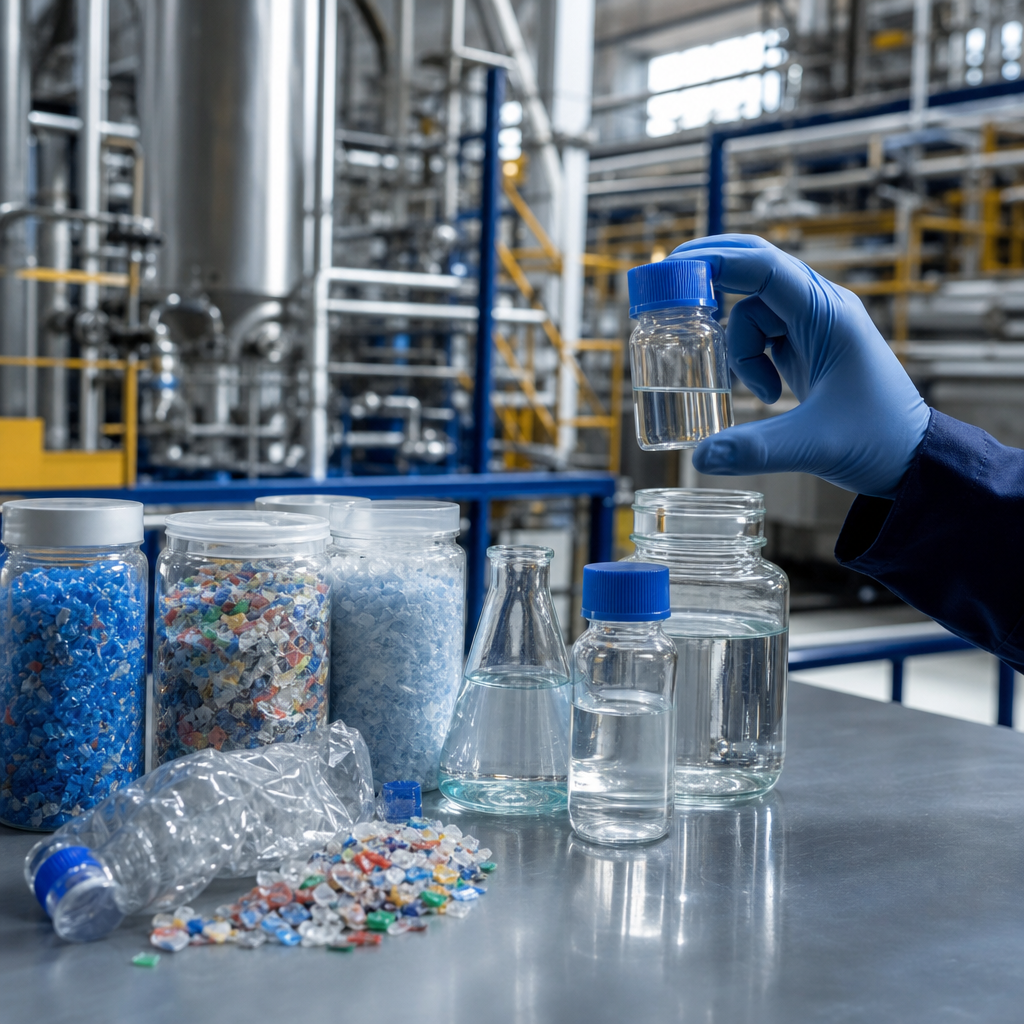
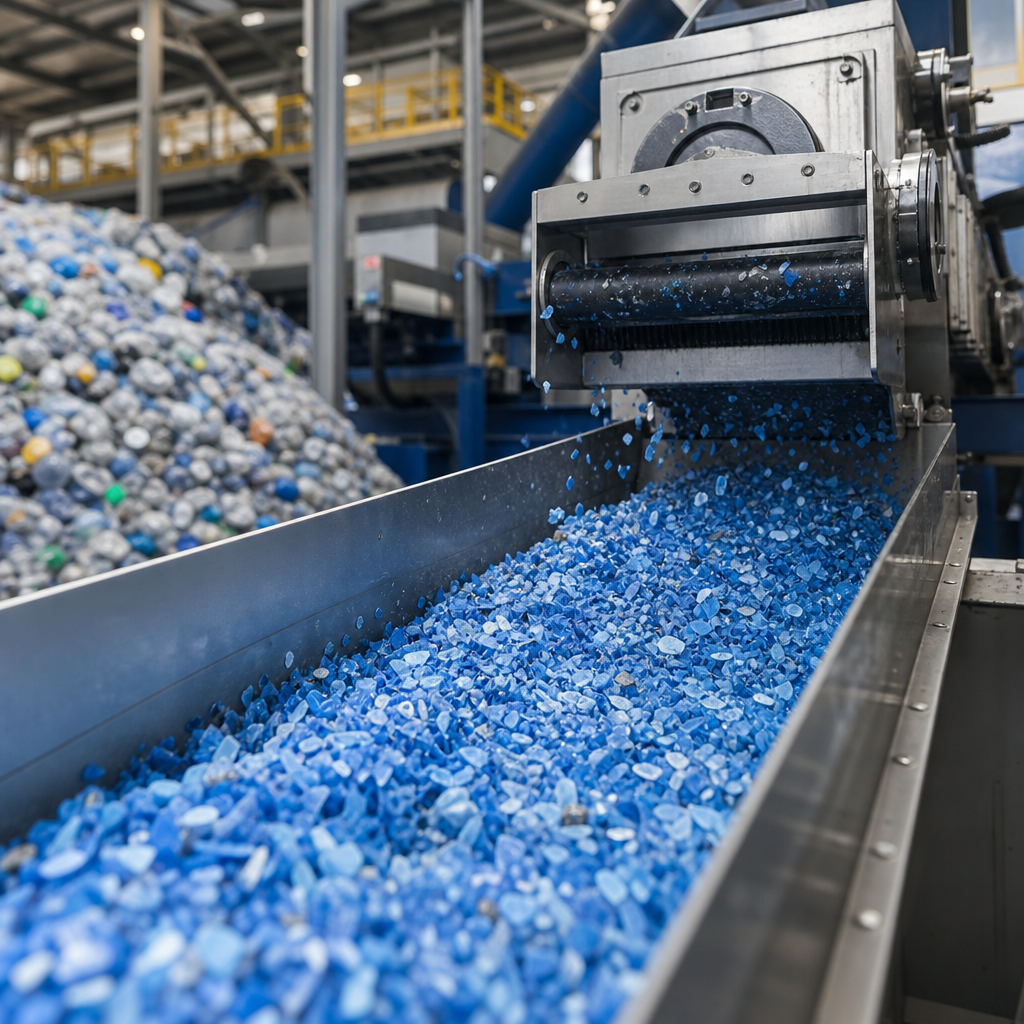
Sustainability is also entering the discussion. Recycled polymers, bio-based polyamides, and lower-waste fabrication methods are increasingly attractive, especially for temporary devices, pediatric applications, and prototyping. However, advanced prosthetics are safety-critical products. Recycled feedstock can introduce variability in molecular weight and contaminant content, affecting fatigue life and consistency. For that reason, many clinics and manufacturers use sustainable polymers first in low-risk components or non-structural accessories, then expand only after mechanical and biocompatibility testing. Standards-based validation remains nonnegotiable.
Regulatory and testing considerations shape polymer adoption more than many readers realize. Medical-contact materials may require biocompatibility assessment under ISO 10993, while structural components are subjected to cyclic and proof testing aligned with prosthetic device standards such as ISO 10328 for lower-limb structural testing. Chemical resistance, UV stability, hydrolysis resistance, and cleaning compatibility are not secondary concerns; they directly affect field life. A liner that performs well in a lab but degrades under sweat, soap, and summer heat will fail clinically. Advanced prosthetics succeed when polymer selection reflects actual use conditions, not only material datasheets.
Future Directions in Innovative Polymer Applications
The next wave of innovative polymer applications in prosthetics is moving toward adaptive interfaces, embedded sensing, and more lifelike biomechanics. Researchers are developing shape-memory polymers that can alter stiffness or geometry with temperature or electrical input, potentially enabling sockets that self-adjust to limb volume changes. Conductive polymers and stretchable elastomer composites are being tested for pressure mapping, myoelectric electrode integration, and soft robotic actuation. Hydrogels and bioinspired adhesives may improve skin coupling for short-duration interfaces, while antimicrobial surface chemistries could reduce infection risk in high-moisture environments.
There is also growing interest in polymer systems that better replicate the gradient properties of human tissue. Natural limbs are not uniformly hard or soft; they transition from skin to fat to fascia to tendon to bone. Advanced prosthetic interfaces are beginning to mimic that hierarchy through layered elastomers, auxetic lattice structures, and variable-density foams. This matters because comfort is not simply softness. It is the controlled distribution of load over time, across anatomy, and during motion. The best polymer innovations will therefore be those that improve functional biomechanics, not just material novelty.
As this subtopic hub expands, related articles can go deeper into carbon-fiber foot design, silicone versus polyurethane liner selection, 3D-printed prosthetic sockets, conductive polymers in myoelectric systems, pediatric prosthetics, and sustainable materials. The central point is already clear: polymers are not secondary ingredients in advanced prosthetics. They are the platform that makes customization, comfort, durability, and intelligence possible. If you are evaluating prosthetic technology, start by examining the polymer choices, the fabrication method, and the clinical problem each material is meant to solve. That is where meaningful innovation becomes visible.
Frequently Asked Questions
Why are polymers so important in advanced prosthetics?
Polymers are essential in advanced prosthetics because they offer a combination of properties that is very difficult to achieve with metals or ceramics alone. In a modern prosthetic system, engineers need materials that can be lightweight, durable, shapeable, comfortable against skin, and adaptable to different functions within the same device. Polymers meet those needs across multiple layers of design. For example, a rigid carbon-fiber-reinforced polymer composite may be used in a prosthetic foot or pylon to deliver strength and energy return, while a soft medical-grade silicone or thermoplastic elastomer may be used in liners and interface components to improve cushioning, suspension, and skin protection.
Another reason polymers matter is design flexibility. They can be molded, laminated, thermoformed, 3D printed, extruded, or cast into highly customized shapes. That is especially valuable in prosthetics, where fit is everything. Every residual limb is different, and small differences in geometry or pressure distribution can significantly affect comfort and performance. Polymers allow clinicians and fabricators to build sockets, liners, covers, and structural components that are tailored to the user rather than forced into a one-size-fits-all solution.
Polymers also support innovation at both the high-performance and clinical levels. On the structural side, advanced composites help reduce weight while maintaining stiffness and fatigue resistance. On the interface side, flexible polymers can absorb shock, reduce shear, and improve daily wear tolerance. In emerging applications, bioresorbable polymers are being explored for implantable or transitional interfaces, and conductive polymer-based materials are part of ongoing research into smarter prosthetic systems. Taken together, polymers are not just one material choice in prosthetics; they are a platform that enables performance, comfort, customization, and future development.
What types of polymers are commonly used in prosthetic devices?
Advanced prosthetics rely on a broad family of polymers, with each type selected for a specific role. Thermoplastics such as polypropylene and polyethylene have long been used in sockets and diagnostic fittings because they can be heated, formed, adjusted, and remade relatively efficiently. These materials are practical in clinical workflows where iterative fit changes are often necessary. Acrylic and resin systems are also used in laminated socket fabrication, particularly when paired with reinforcing fabrics to improve strength and durability.
For components that need flexibility and skin compatibility, medical-grade silicones and thermoplastic elastomers are extremely common. Silicone is widely used in liners because it can conform closely to the limb, help distribute pressure, and provide a stable suspension interface. Thermoplastic elastomers are valued for their soft-touch feel, elasticity, and ability to balance cushioning with mechanical resilience. Polyurethanes are another major category, especially in applications where abrasion resistance, shock absorption, and controlled flexibility are important. Depending on formulation, polyurethane can be used in foams, coatings, flexible interface elements, and more durable load-bearing parts.
At the high-performance end, carbon-fiber-reinforced polymer composites are among the most important materials in modern prosthetic feet, blades, and lightweight structural frames. These composites combine polymer matrices with reinforcing fibers to create parts that are strong, light, and capable of storing and returning energy during movement. In research and specialized medical applications, bioresorbable polymers are also gaining attention. These materials are designed to degrade safely over time and may play a role in future osseointegration support systems, regenerative interfaces, or temporary implantable components. The key point is that prosthetics rarely depend on a single polymer. Instead, successful devices often combine multiple polymer types, each matched to the mechanical, biological, and functional demands of a specific part of the system.
How do polymers improve comfort and fit for prosthetic users?
Comfort and fit are among the biggest determinants of whether a prosthetic device is worn consistently, and polymers play a central role in both. The interface between the residual limb and the prosthesis must manage pressure, friction, heat, moisture, movement, and changes in limb volume throughout the day. Soft, compliant polymers such as silicone, gel formulations, and thermoplastic elastomers help address these issues by contouring closely to the anatomy and reducing localized stress concentrations. Instead of having hard contact points that create pain or skin breakdown, these materials spread forces more evenly and cushion sensitive areas.
Polymers also help manage shear, which is one of the less visible but more damaging causes of skin irritation in prosthetic users. When the limb moves inside the socket, repeated shear forces can lead to blistering, redness, or tissue injury. Properly selected liner and interface polymers can reduce unwanted movement while still allowing enough compliance for comfort. In addition, many polymer systems can be manufactured in different durometers, thicknesses, and surface textures, which allows the clinician or fabricator to tune the feel of the interface to the user’s needs. That level of customization is difficult to achieve with more rigid material classes.
Another practical advantage is adjustability. Thermoformable polymers can be reshaped as the user’s anatomy changes, and certain socket systems can be refined without starting from scratch. That matters because residual limb volume can fluctuate with activity level, fluid retention, temperature, and long-term physical adaptation. The right polymer-based design can accommodate those changes through flexible panels, inner liners, or modular components. In everyday use, users often experience the benefits as a prosthesis that feels lighter, less abrasive, and more forgiving over long wear periods. In clinical terms, that translates into better compliance, fewer skin issues, and improved function.
Are polymer-based prosthetics durable enough for high-performance and everyday use?
Yes, when they are properly selected, designed, and manufactured, polymer-based prosthetic components can be extremely durable in both daily-use and high-performance settings. It is important to understand that “polymer” does not mean weak plastic. The polymer category includes highly engineered materials with excellent fatigue resistance, impact tolerance, wear performance, and environmental stability. Carbon-fiber-reinforced polymer composites are a clear example. These materials are used in dynamic response feet and running blades because they can endure repeated loading while remaining light enough to support efficient movement. Their ability to flex and return energy is one reason they are so valuable in advanced lower-limb prosthetics.
Durability, however, depends on matching the material to the job. A soft liner polymer is not expected to perform like a structural composite, and a thermoformed diagnostic socket may not have the same long-term life as a definitive laminated socket. Clinicians and engineers evaluate load conditions, user weight, activity level, environmental exposure, maintenance habits, and intended lifespan before choosing a material. Polyurethanes may be selected for abrasion-prone zones, silicones for skin-contact interfaces, and reinforced composites for high-stress structural elements. In other words, durability is a system-level decision, not just a material label.
Manufacturing quality is just as important as material selection. Fiber orientation, resin curing, wall thickness, bonding quality, and geometric design all influence how a polymer component performs over time. A well-designed composite part can last through demanding repetitive use, while a poorly fabricated one may fail prematurely. The same is true for liners and sockets, which can degrade if exposed to poor hygiene, excessive heat, chemical incompatibility, or mechanical overuse. In clinical practice, polymer-based prosthetics are absolutely durable enough for everyday mobility and, in many cases, for sport, physically demanding work, and advanced gait performance. The best outcomes come from pairing the right polymer family with realistic use conditions and a strong fabrication process.
What is the future of polymers in advanced prosthetic design?
The future of polymers in advanced prosthetics is moving toward smarter, more personalized, and more biologically integrated systems. One major trend is material optimization for highly customized care. Instead of selecting from a narrow range of standard materials, clinicians and manufacturers are increasingly able to choose polymers based on detailed user-specific needs such as skin condition, limb geometry, activity demands, and pressure distribution patterns. Additive manufacturing is accelerating this shift by enabling lattice structures, variable stiffness zones, and patient-specific geometries that would be difficult or impossible to produce with traditional methods. That means polymers are not just being used as raw materials; they are being engineered into more responsive structures.
Another important direction is the integration of polymers with sensors, electronics, and adaptive systems. Flexible polymers can serve as substrates for embedded sensing elements that monitor pressure, temperature, gait loading, or socket fit over time. This opens the door to prosthetic systems that do more than passively support movement. They can provide feedback, support data-driven adjustments, and potentially improve comfort and function through continuous monitoring. Conductive and responsive polymer systems are also being studied for use in human-machine interfaces, where signal quality, flexibility, and biocompatibility all matter.
Biocompatibility and regenerative medicine are also shaping the next generation of materials. Researchers are exploring bioresorbable polymers and polymer-based coatings for applications related to implant interfaces, tissue integration, and temporary support structures. These developments are especially relevant in areas such as osseointegration and advanced neuromuscular interfacing, where materials must perform mechanically while also interacting safely with the body. Looking ahead, the role of polymers in prosthetics will likely expand from comfort and structure into intelligence, biological compatibility, and long-term personalization. For patients and clinicians, that points to devices that are lighter, more adaptive, and