Furniture lasts longer today because polymers improve strength, stability, moisture resistance, abrasion performance, and design flexibility across nearly every category of consumer goods. In practical terms, polymers are large molecules engineered into plastics, elastomers, foams, coatings, adhesives, and composite matrices that solve the failure points furniture makers have battled for decades: swelling, cracking, staining, corrosion, fading, loose joints, and surface wear. When I evaluate product durability, I do not look only at whether a chair survives a showroom test. I look at how its materials behave after years of ultraviolet exposure, repeated loading, household chemicals, humidity cycling, cleaning, and impact. That is where polymer innovations matter.
This hub article explains how polymers enhance the durability of furniture and why this subject sits at the center of polymer innovations in consumer goods. Furniture is a useful lens because it combines structural demands, aesthetics, comfort, manufacturing efficiency, safety, and sustainability in one product class. A polymer can appear in a sofa cushion, a powder-coated metal frame, a laminate tabletop, a weatherproof outdoor chair, a caster wheel, a hot-melt edge band, or a scratch-resistant finish. Each application uses a different polymer family and a different engineering logic. Understanding those distinctions helps buyers, manufacturers, and product developers make better decisions.
Durability in furniture means more than surviving a static load. It includes fatigue resistance under repeated use, dimensional stability through seasonal humidity changes, resistance to oils and cleaners, retention of color and gloss, impact tolerance, and the ability to keep joints, surfaces, and cushioning functional over time. Standards such as BIFMA performance tests, ASTM methods for plastics and coatings, and ISO environmental aging protocols give manufacturers ways to verify these claims. The best polymer-enhanced furniture is not simply harder or cheaper; it is tuned to the real environment in which people live, work, eat, study, and relax.
As a hub page for case studies and applications in polymer innovations in consumer goods, this article maps the major material systems used in furniture, explains where they work best, and clarifies their tradeoffs. It also points naturally toward deeper articles on seating, outdoor products, coatings, foams, recycled content, and engineered composites. If you need the short answer, here it is: polymers make furniture more durable by acting as structural materials, protective barriers, flexible shock absorbers, high-performance binders, and weather-resistant surfaces. The details behind that answer are what determine whether a product lasts five years or twenty.
Structural polymers and composites extend service life
The most visible way polymers improve furniture durability is by replacing or reinforcing traditional materials in load-bearing components. Polypropylene, high-density polyethylene, ABS, polycarbonate blends, glass-filled nylon, and fiber-reinforced thermoset composites are now common in chairs, tables, storage units, and modular systems. These materials let designers tune stiffness, impact resistance, and creep behavior instead of accepting the natural variability found in wood or the corrosion risks associated with untreated metal.
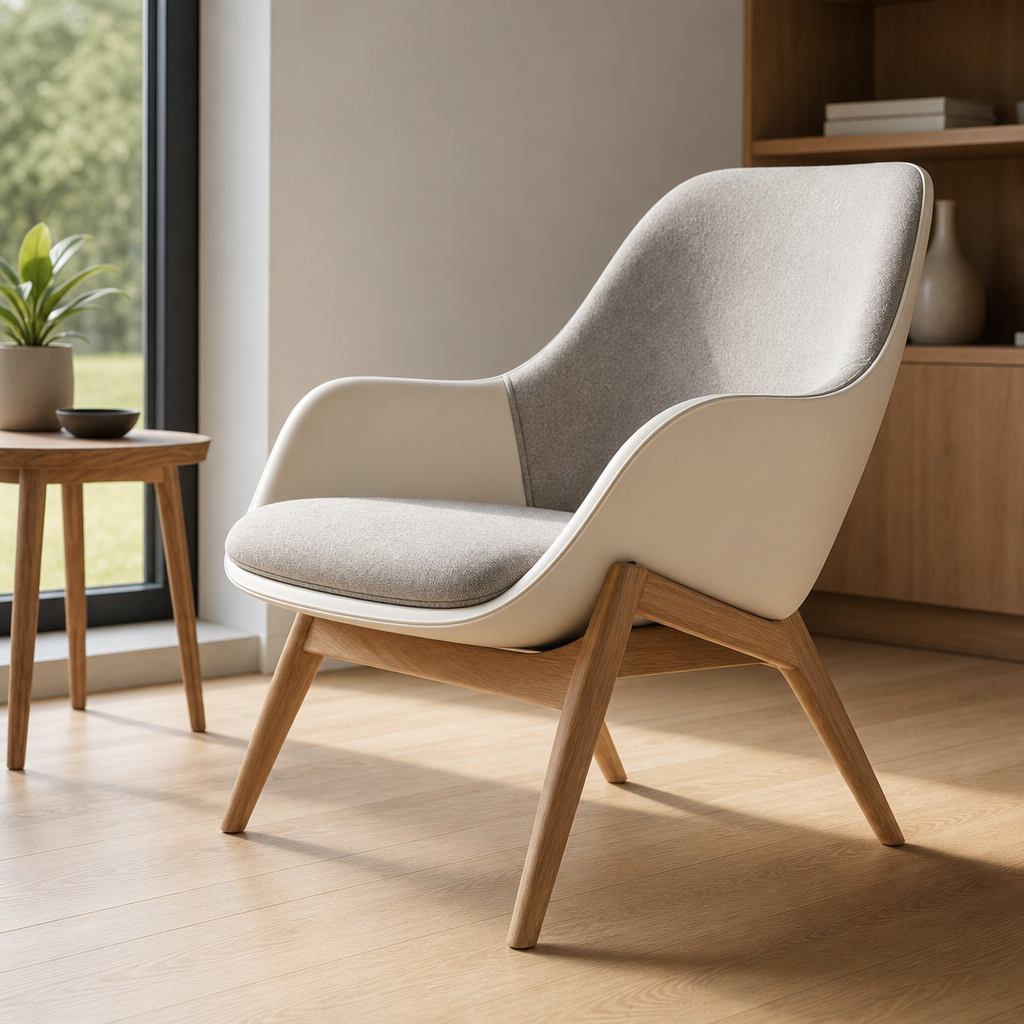
Take molded polypropylene seating as an example. A one-piece shell can distribute load across curved geometries, eliminate weak screw-fastened joints, and recover better from minor impacts than brittle materials. In commercial environments such as schools and cafeterias, that matters more than luxury aesthetics. Add mineral fillers or short glass fibers, and the same family of polymers can increase stiffness for thinner wall sections without adding much weight. Glass-filled nylon is especially useful in chair mechanisms, armature components, and hidden brackets because it holds shape under repeated stress better than many commodity plastics.
Composite construction goes further. Wood-plastic composites used in outdoor benches and decking-style furniture combine thermoplastics with wood flour or fibers, reducing moisture uptake compared with solid wood while retaining a familiar appearance. In higher-end products, sheet molding compound and fiberglass-reinforced polyester provide excellent dimensional stability and weather resistance. These are not universal upgrades; composites can be heavier, harder to recycle, or more expensive to tool. But when the design goal is long service life in punishing conditions, they are often the most durable option.
Coatings, laminates, and edge protection preserve surfaces
Most furniture fails first at the surface. Scratches expose substrates, spilled liquids penetrate seams, ultraviolet light fades color, and routine cleaning dulls appearance. Polymer-based coatings and laminates create the barrier systems that keep that damage from turning into structural loss. In my experience assessing office desks and hospitality casegoods, a strong substrate with a weak finish ages badly, while a modest substrate protected by a well-designed polymer surface often exceeds expectations.
Melamine-faced panels, high-pressure laminates, polyurethane topcoats, acrylic UV-cured coatings, polyester powder coatings, and PVC or ABS edge bands are workhorse solutions. High-pressure laminate remains a standard for commercial tabletops because it resists abrasion, moisture, and common stains better than painted wood alone. Powder-coated steel furniture depends on polymer chemistry as much as metal fabrication; the coating prevents corrosion, chips less readily than many liquid paints, and can be formulated for outdoor UV durability. On wood furniture, catalyzed polyurethane and acrylic systems provide a balance of hardness, chemical resistance, and optical clarity.
Edge protection deserves special attention because chipped edges are a common failure trigger. Thermoplastic edge bands bonded with EVA or reactive PUR hot-melt adhesives seal exposed particleboard or MDF against moisture ingress. Reactive PUR is especially durable because it crosslinks after application, improving heat and water resistance compared with standard EVA in kitchens, bathrooms, and high-use retail fixtures. Small details like this are often invisible to buyers, yet they decisively affect long-term durability.
Foams and elastomers protect comfort and mechanical performance
Durable furniture must remain comfortable and mechanically stable, not merely intact. Polyurethane foams, thermoplastic elastomers, silicone components, EPDM gaskets, and rubberized wheel treads all contribute to that goal. In seating, resilience loss is one of the clearest signs of aging. A cushion that bottoms out or takes a permanent set can make a structurally sound sofa feel worn out years before the frame fails.
Flexible polyurethane foam is still dominant because manufacturers can tune density, indentation force deflection, airflow, and support factor for different seating zones. Higher-density foam generally lasts longer, but density alone is not enough; cell structure, formulation quality, and layer design matter. Many durable cushions use combinations of conventional foam, high-resilience foam, and viscoelastic layers. In task chairs, elastomeric mesh and thermoplastic back supports spread load and resist deformation better than low-grade textile upholstery over time.
Elastomers also protect moving and contact points. TPU caster treads reduce abrasion on floors while resisting chunking better than harder, brittle wheels. Silicone feet under table legs maintain grip and reduce creep-related flattening in environments with cleaning chemicals or temperature variation. EPDM seals in outdoor storage benches and polymer bushings in recliner mechanisms reduce noise, absorb vibration, and prevent metal-on-metal wear. These components are rarely marketed as headline features, yet they strongly shape a product’s service life.
Weatherability, chemical resistance, and indoor longevity
Why do some outdoor chairs remain functional after years in sun and rain while others crack and chalk within two seasons? The answer usually lies in polymer formulation rather than basic shape. Ultraviolet stabilizers, antioxidants, pigments, impact modifiers, and moisture-resistant resins determine whether a polymer keeps its properties under real exposure. Polypropylene by itself can embrittle outdoors, but with HALS stabilizers, UV absorbers, carbon black, and optimized pigments, it can perform far better. High-density polyethylene is often chosen for outdoor furniture because it balances toughness, moisture resistance, and processability, especially in rotomolded or recycled-lumber formats.
Indoor furniture faces a different set of stresses. Sunscreen, skin oils, disinfectants, alcohol wipes, coffee spills, and household cleaners attack finishes and upholstery. Here, polymer chemistry must match the use case. Acrylic-coated fabrics may outperform untreated textiles in stain resistance. Polyolefin upholstery fibers resist moisture and mildew in casual seating. Crosslinked polyurethane coatings protect against repeated cleaning in healthcare and education settings. The durability question is never abstract; it is always tied to a specific exposure profile.
| Furniture application | Common polymer solution | Main durability benefit | Typical tradeoff |
|---|---|---|---|
| Outdoor chair shell | UV-stabilized polypropylene or HDPE | Moisture and weather resistance | Possible color fading over time |
| Office tabletop | High-pressure laminate | Scratch and stain resistance | Edge damage if poorly banded |
| Sofa cushion | High-resilience polyurethane foam | Shape retention and comfort life | Performance varies by density and formulation |
| Metal frame finish | Polyester powder coating | Corrosion and chip resistance | Requires good surface prep |
| Chair mechanism part | Glass-filled nylon | Fatigue strength and dimensional stability | Higher tooling complexity |
Flame retardancy and emissions also intersect with durability. Materials that degrade under heat or release plasticizers can fail prematurely, but compliance-focused formulations must avoid compromising mechanical performance. This is why furniture manufacturers increasingly rely on third-party testing for VOC emissions, abrasion resistance, hydrolysis resistance, and accelerated weathering before scaling a new polymer system.
Adhesives, joining systems, and manufacturing quality
Many furniture failures are actually joint failures, not material failures. Polymers enhance durability here through adhesives, overmolding, insert retention, and vibration-damping interfaces. EVA and PUR hot melts, epoxy systems, acrylic structural adhesives, and polyurethane dispersions each serve different bonding tasks across wood, metal, laminate, foam, fabric, and plastic assemblies. A well-selected adhesive can distribute stress over a large area, reducing the stress concentration that causes screws to loosen or substrates to split.
For flat-pack furniture, polymer dowels, cam locks with reinforced housings, and edge-sealed panels often outperform bare mechanical fastening in humid environments. In upholstered seating, spray adhesives and water-based laminating systems must maintain bond integrity under heat and repeated compression. In molded parts, overmolded thermoplastic elastomers improve grip and absorb shock, but only when the substrate-polymer compatibility and processing temperatures are controlled. Poor adhesion or mismatched shrinkage can undo the benefits of a premium material.
Processing quality matters as much as resin choice. Injection molding parameters influence knit lines, voids, and residual stress. In coatings, cure schedule and surface preparation determine chip resistance and corrosion protection. In foam production, inconsistent mixing creates weak cell structure and early collapse. That is why the most durable furniture brands treat polymer selection, tool design, and process control as one system rather than separate decisions.
Recycled polymers, bio-based materials, and future directions
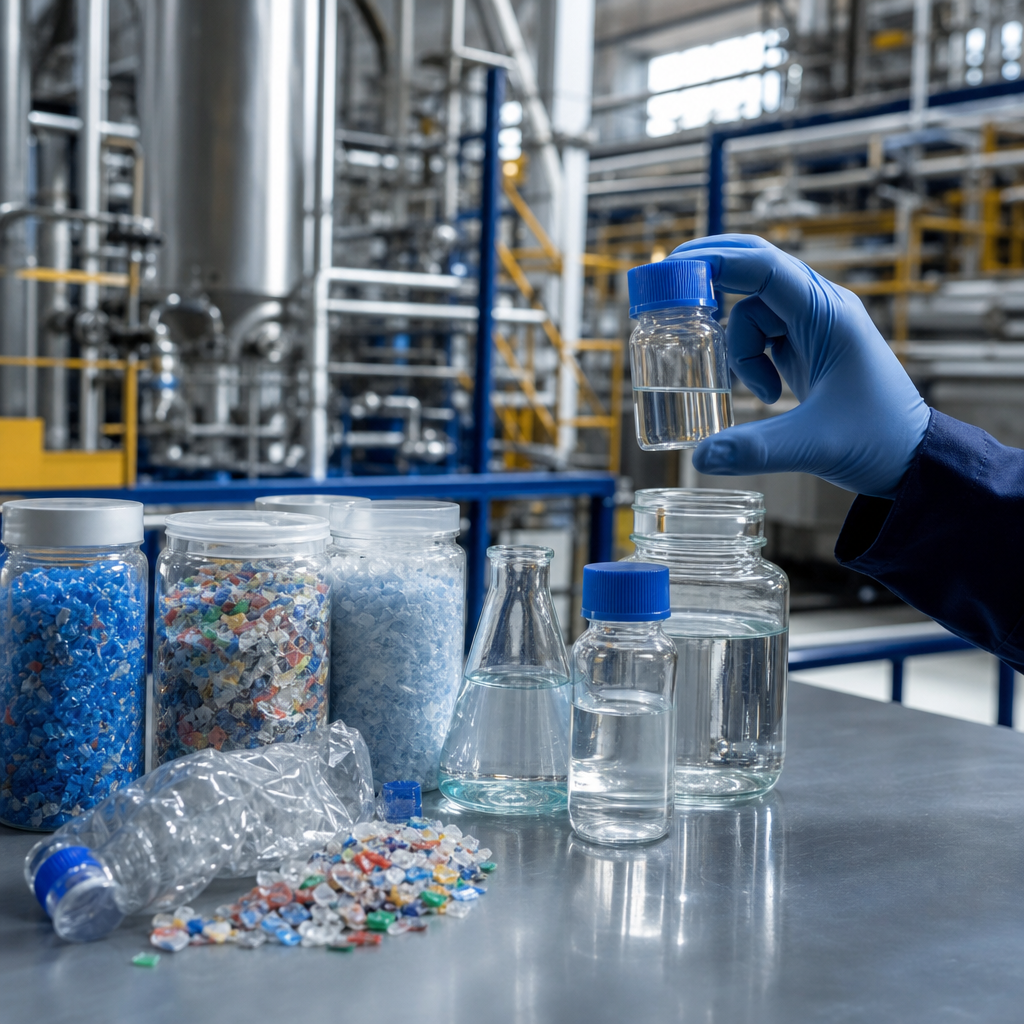
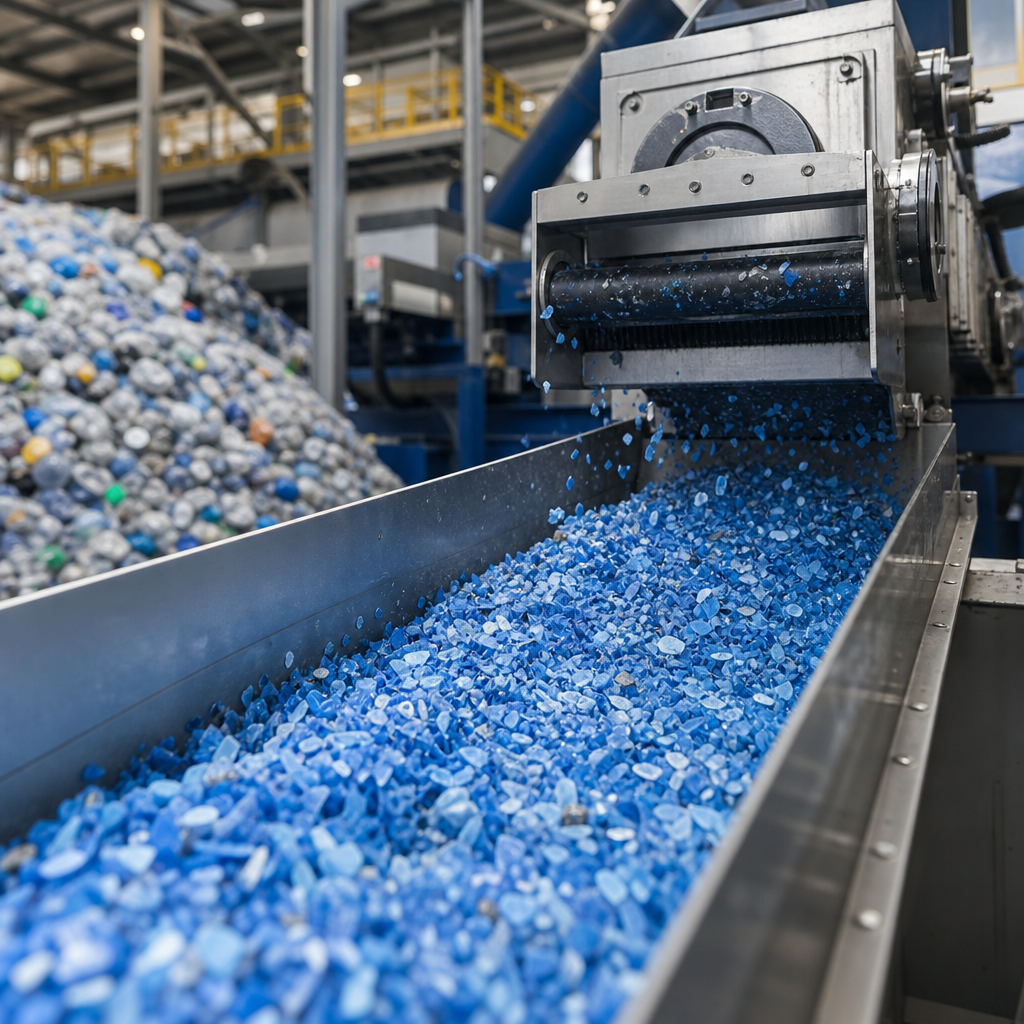
The next phase of polymer innovations in consumer goods is not only about making furniture last longer, but making that durability compatible with circular design. Recycled polyethylene, recycled polypropylene, recycled PET fabrics, bio-based polyols for polyurethane foams, and engineered mono-material components are moving from niche options into mainstream product lines. I have seen recycled-content outdoor furniture perform very well when feedstock quality, contamination control, and UV stabilization are tightly managed. I have also seen poor-quality recycled resin lead to brittleness, color inconsistency, and odor. The lesson is simple: recycled content is a design variable, not a guarantee of durability.
Bio-based polymers are advancing too, especially in coatings, composites, and foam formulations. Some reduce fossil input without sacrificing performance, while others still struggle with moisture sensitivity or cost. Meanwhile, design for disassembly is gaining traction. When cushions, shells, fabrics, and frames can be separated cleanly, manufacturers can replace worn polymer parts instead of discarding whole products. That extends functional life and supports repair, refurbishment, and recycling.
Digital tools are improving outcomes as well. Finite element analysis helps engineers predict creep, impact hotspots, and stress concentration in polymer parts before tooling begins. Accelerated aging chambers, colorimetry, taber abrasion testing, and dynamic fatigue rigs give clearer data on expected service life. These methods are shaping a more evidence-based approach to furniture durability, and they will continue to define which polymer innovations become real market standards.
Polymers enhance the durability of furniture by solving the exact problems that shorten product life: weak joints, vulnerable surfaces, moisture intrusion, UV damage, cushioning fatigue, corrosion, and repetitive stress. Structural thermoplastics and composites carry loads efficiently. Coatings, laminates, and edge bands shield substrates from wear and spills. Foams and elastomers preserve comfort, absorb shock, and protect moving parts. Adhesives and engineered joining systems keep assemblies intact. When these elements are selected and processed correctly, furniture stays functional, attractive, and safe for far longer than conventional builds alone.
For anyone exploring polymer innovations in consumer goods, furniture offers one of the clearest and most practical case studies. It shows how chemistry, engineering, manufacturing, and everyday use intersect in products people touch constantly. The right polymer does not merely replace wood, metal, or fabric; it improves the whole durability system. The wrong one can introduce creep, yellowing, cracking, poor repairability, or recycling challenges. That balanced view is essential when comparing materials or planning future product lines.
Use this hub as your starting point for deeper analysis of seating systems, outdoor weathering, high-performance finishes, recycled content strategies, and application-specific case studies across consumer goods. If you manufacture, specify, or buy furniture, evaluate polymer choices the same way engineers do: by matching material properties to real service conditions, verified test standards, and total life-cycle goals. That approach leads to better products, fewer failures, and stronger long-term value.
Frequently Asked Questions
1. What are polymers, and why do they make furniture more durable?
Polymers are large, repeating molecular structures that can be engineered into many of the materials commonly used in modern furniture, including plastics, foams, coatings, adhesives, elastomers, and composite binders. Their value in furniture durability comes from the fact that they can be tailored to solve very specific failure points. Traditional furniture often breaks down because of moisture absorption, surface abrasion, ultraviolet exposure, impact stress, joint loosening, corrosion, and chemical staining. Polymers help address each of these issues by creating materials that are lighter, tougher, more flexible, and more stable under everyday use.
In practical furniture applications, polymers are rarely there for appearance alone. They often serve as performance enhancers inside the structure, on the surface, or at connection points. For example, a polymer coating can prevent water from penetrating a tabletop, a polymer adhesive can create stronger joints than some mechanical fasteners alone, and a polymer composite can improve dimensional stability so panels do not warp or crack as easily. The result is furniture that holds its shape longer, resists visible wear better, and requires less maintenance over time. That is why polymers are now central to the durability strategy behind everything from office seating and outdoor dining sets to upholstered frames and kitchen cabinetry.
2. How do polymers protect furniture from moisture, swelling, and environmental damage?
Moisture is one of the most common causes of furniture deterioration, especially in wood-based products, upholstered pieces, bathroom vanities, kitchen furniture, and outdoor furnishings. Water can seep into porous materials, causing swelling, delamination, mold growth, finish failure, and structural instability. Polymers help by forming protective barriers that limit water absorption and by stabilizing materials that would otherwise expand and contract too much with humidity changes. This can be achieved through laminated surfaces, resin-impregnated panels, waterproof coatings, edge sealants, and polymer-modified adhesives.
For outdoor furniture, the role of polymers becomes even more important. Exposure to rain, heat, sunlight, and freeze-thaw cycles can rapidly degrade untreated materials. Polymer-based materials such as high-performance plastics, weather-resistant coatings, and UV-stabilized composites help furniture resist fading, brittleness, cracking, and corrosion. In metal furniture, polymer powder coatings can shield the substrate from rust and oxidation. In upholstered outdoor products, polymer-treated fabrics and foam systems can reduce water retention and improve mildew resistance. When these protective systems are selected well, they significantly extend service life and help furniture maintain both structural integrity and appearance in challenging environments.
3. In what ways do polymers improve scratch resistance, surface wear, and everyday performance?
One of the clearest benefits consumers notice is that polymer-enhanced furniture tends to look better for longer. Everyday use exposes furniture surfaces to repeated friction, dragging, spills, cleaning chemicals, skin oils, and impact from objects such as dishes, electronics, bags, and tools. Polymers are widely used in protective finishes, laminates, veneers, edge bands, and clear coats because they can be engineered for hardness, flexibility, stain resistance, and abrasion performance. This helps surfaces resist scratching, chipping, scuffing, and premature dulling.
These performance gains matter across many furniture categories. Dining tables benefit from coatings that resist food acids and heat-related marking. Office desks and storage units need surfaces that can withstand repeated contact with devices, paperwork, and cleaning products. Seating components, especially arms and bases, need materials that tolerate constant touch and movement without cracking or wearing through. Even small polymer details, such as protective glides, caps, and edge treatments, play a major role in long-term durability by reducing impact damage and preventing vulnerable areas from fraying or splitting. A well-designed polymer system does not just protect the furniture from catastrophic failure; it slows the daily wear that makes a piece feel old before its structure is actually compromised.
4. Do polymers make furniture joints and structural components stronger?
Yes, in many cases polymers significantly improve structural reliability, especially at the joints and load-bearing interfaces where furniture often fails first. A chair may not break because its main material is weak, but because repeated movement loosens fasteners, dries out traditional glues, or creates stress fractures around connection points. Polymer-based adhesives, bonding agents, and composite reinforcements help distribute loads more evenly and maintain stronger connections over time. This is particularly useful in flat-pack furniture, upholstered frames, veneered panels, and mixed-material designs that combine wood, metal, fabric, and plastic components.
Polymers also contribute to strength by enabling materials that balance rigidity with controlled flexibility. If a material is too brittle, it can crack under impact. If it is too soft, it can deform permanently. Engineered polymers and polymer composites can be designed to absorb stress, reduce vibration, and recover from repeated loading better than many conventional alternatives. In seating, for example, polymer shells and elastomeric supports can flex under body weight without failing. In engineered wood products, polymer resins bind fibers or particles into stable panels that resist splitting and inconsistency better than lower-grade solid wood components in some applications. When evaluating durable furniture, it is often the hidden polymer technologies in the joints, substrates, and support systems that make the biggest long-term difference.
5. Are all polymer-based furniture materials equally durable, or does quality vary?
Quality varies significantly, and this is an important point. The word “polymer” covers a huge range of materials, from inexpensive commodity plastics to advanced engineered resins, high-performance coatings, structural composites, and commercial-grade elastomers. Two furniture pieces may both contain polymers, yet perform very differently depending on formulation, thickness, UV stabilization, manufacturing controls, reinforcement methods, and how well the material matches the intended use. A low-cost plastic chair may become brittle in sunlight, while a UV-stabilized polymer composite designed for outdoor use can remain serviceable for years under the same conditions.
Durability depends on the entire system, not just the presence of a polymer. You have to consider whether the coating is thick enough and properly cured, whether the adhesive is suitable for humidity and load cycling, whether the foam will recover after compression, whether the surface layer is repairable, and whether the structural parts are reinforced where stress is highest. Reputable manufacturers usually provide clues through commercial-grade ratings, material disclosures, warranty terms, and testing claims related to abrasion, weathering, chemical resistance, and load performance. So while polymers absolutely enhance furniture durability, the real advantage comes from thoughtful engineering and material selection rather than from using synthetic materials in a generic sense. High-quality polymer applications can dramatically extend furniture life, but poor-quality ones can fail quickly if they are underdesigned for the environment or usage level.