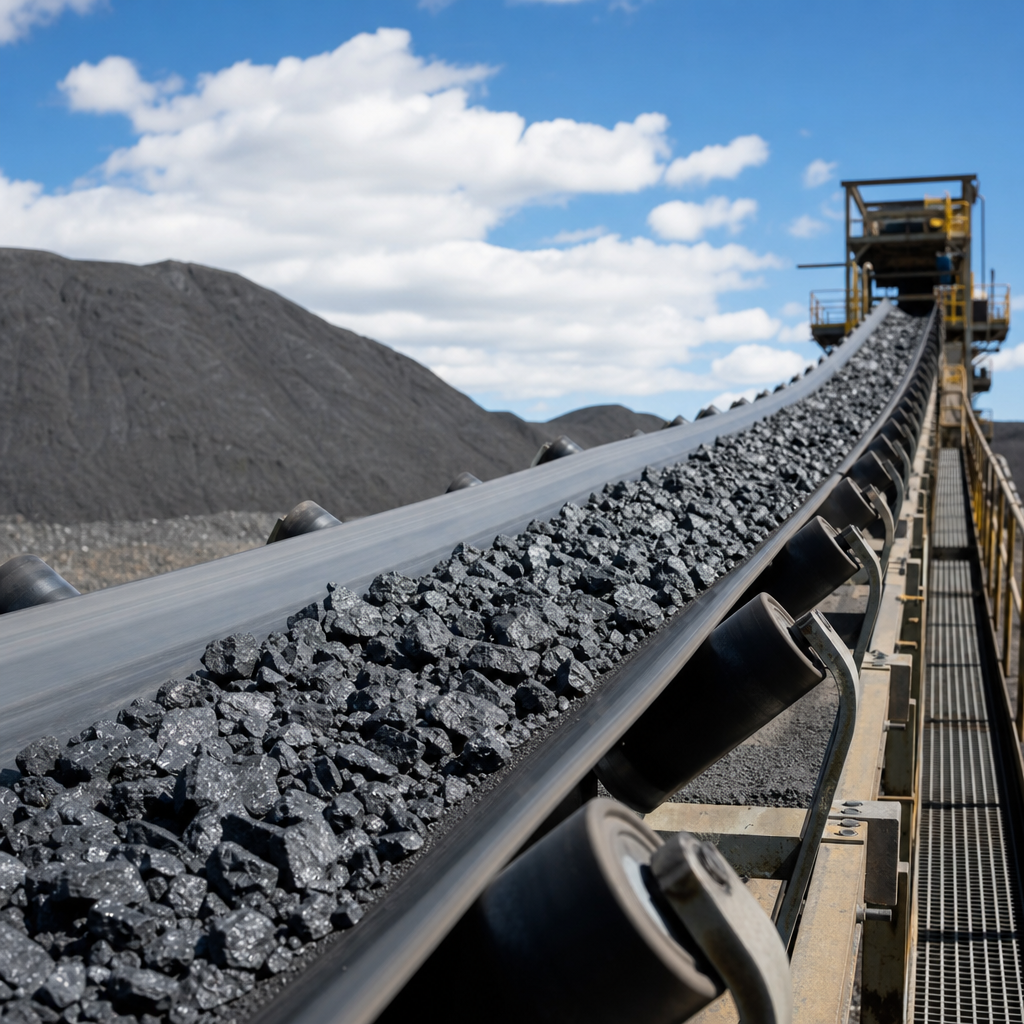
Polymers are one of the main reasons modern conveyor belts can move abrasive ore, packaged food, pharmaceuticals, parcels, and automotive parts with consistent speed, controlled friction, and long service life. In industrial applications, the term polymer covers natural and synthetic materials made of repeating molecular chains, including rubber compounds, thermoplastic polyurethane, polyvinyl chloride, polyethylene, nylon, polyester, silicone, and fluoropolymers. When these materials are engineered into covers, carcasses, cleats, sidewalls, and coatings, they determine how a belt resists wear, handles temperature, sheds contaminants, absorbs impact, and survives repeated flexing around pulleys. That is why polymers matter: they directly influence uptime, sanitation, energy use, maintenance cost, and product quality across nearly every conveyor-driven process.
I have worked with belt selection on packaging lines, warehouse conveyors, and dusty bulk-handling systems, and the pattern is consistent. When a belt underperforms, the root cause is often not the conveyor frame or the drive alone; it is a mismatch between the polymer system and the application. A belt cover that is too soft can gouge under sharp aggregate. A material with poor hydrolysis resistance can fail early in washdown areas. A low-grade compound can harden in cold storage and crack at transfer points. By contrast, a correctly specified polymer can reduce carryback, improve tracking stability, lower noise, and extend replacement intervals dramatically. This article serves as a hub for polymers in industrial applications, using conveyor belts as the practical lens because belts show, in one component, how chemistry, mechanics, compliance, and operations intersect.
Understanding how polymers enhance conveyor belt performance starts with three ideas. First, different polymers deliver different combinations of tensile strength, elongation, coefficient of friction, hardness, chemical resistance, and temperature tolerance. Second, belts are layered systems, so the best solution often combines multiple materials rather than relying on one compound. Third, performance depends on the whole duty cycle: conveyed product, cleaning method, ambient conditions, pulley diameters, splice type, and regulatory constraints. Decision-makers who grasp these basics make better purchasing choices, avoid preventable failures, and create clearer specifications for suppliers and maintenance teams.
What polymers do inside a conveyor belt system
A conveyor belt is not just a strip of material. It is a functional composite in which each polymeric layer performs a distinct role. The top cover contacts the product and must provide the right balance of grip, release, abrasion resistance, and cleanability. The bottom cover interacts with slider beds or rollers and affects drag, noise, and wear. The carcass or tension member, often based on polyester, nylon, aramid, or fiberglass reinforcement embedded in polymer matrices, carries load and limits stretch. Specialty features such as cleats, guides, impressions, and edge seals also depend on polymer selection because they must bond securely while surviving flex fatigue.
The enhancement comes from tailoring molecular structure to operating demands. Thermoplastic polyurethane, for example, is valued for excellent abrasion resistance and cut resistance, which makes it common in logistics, woodworking, and food slicing lines. PVC is widely used in general conveying because it is cost-effective, can be fabricated in many surface finishes, and performs well in package handling. Rubber compounds, including natural rubber, SBR, nitrile, EPDM, and neoprene, dominate heavy-duty mining, quarrying, and recycling applications where impact, load support, and environmental toughness matter more than lightweight design. Silicone belts excel in high-temperature bakery and release applications, while PTFE-coated fabrics are chosen where nonstick behavior and heat resistance are critical.
In practice, polymer properties show up as measurable operating outcomes. Higher abrasion resistance means slower cover loss and fewer belt changes. Better elastic recovery improves troughability and tracking after repeated bending. Controlled surface energy affects whether sticky products release cleanly or build up on the belt. Chemical resistance determines whether oils, fats, solvents, or cleaning agents cause swelling, embrittlement, or softening. These are not minor details. They determine whether a line runs predictably or becomes a maintenance problem.
Core polymer families used in conveyor belts
Each major polymer family has a recognizable performance profile. Polyurethane belts are often selected when operators need a combination of wear resistance, flexibility, and hygiene. Ether-based TPU generally offers better hydrolysis resistance than ester-based TPU, which matters in wet environments and frequent washdown. PVC belts are versatile and economical, especially for distribution centers and incline conveying with textured surfaces. Polyolefins such as polyethylene and polypropylene appear in modular plastic belts and low-friction components because they are lightweight and chemically resistant, though they have lower temperature limits than some specialty materials.
Rubber remains essential in harsh industrial applications. Natural rubber provides strong resilience and excellent dynamic performance under impact. Nitrile rubber is preferred where oils and greases are present, such as metalworking scrap conveyors. EPDM handles weathering, ozone, and heat better than many general-purpose compounds, making it useful outdoors and in warm process conditions. Neoprene offers a balanced package of flame resistance, weatherability, and moderate oil resistance. For high-temperature release surfaces, silicone performs well, while fluoropolymer-coated belts can handle aggressive chemicals and elevated temperatures that would quickly degrade conventional covers.
| Polymer | Key strength | Typical conveyor use | Main limitation |
|---|---|---|---|
| TPU | Abrasion and cut resistance | Food processing, logistics, woodworking | Higher cost than PVC |
| PVC | Versatility and price | Package handling, general conveying | Less durable in severe abrasion |
| Natural/SBR rubber | Impact and resilience | Mining, aggregates, bulk handling | Can age poorly with oils or ozone |
| Nitrile rubber | Oil resistance | Recycling, metalworking, oily materials | Less effective in strong weathering than EPDM |
| Silicone | Heat resistance and release | Bakery, high-temperature processing | Lower tear strength than some alternatives |
| PTFE-coated fabric | Nonstick surface and chemical resistance | Drying, sealing, specialty process lines | Premium cost and limited mechanical robustness |
Selection is rarely about choosing the strongest material in isolation. It is about choosing the polymer whose failure mode best fits the application. In a bakery, easy release and thermal stability usually outrank extreme tensile strength. In mining, the opposite is often true. In parcel handling, low noise, consistent friction, and fast fabrication may be more valuable than peak abrasion resistance. Good engineering starts by ranking these priorities explicitly.
Wear resistance, friction control, and mechanical durability
One of the clearest ways polymers improve conveyor belt performance is by managing wear. Abrasion can come from sliding contact on beds, conveyed product grinding against the cover, trapped fines at pulleys, or repeated scraping from cleaning systems. Polyurethane and premium rubber compounds reduce abrasive loss because their molecular networks resist tearing and micro-cut propagation. In field use, this translates into lower cover wear rates and more stable belt thickness over time, which helps maintain tracking and splice integrity.
Friction control is just as important as wear resistance. Belt surfaces must create enough grip to move product on inclines and through acceleration zones, but not so much that products tip, mark, or become difficult to release. Textured PVC and TPU covers are commonly used where package retention matters. Low-friction bottom surfaces reduce energy losses on slider beds. In modular systems, acetal and polyethylene components are often chosen to minimize friction and noise. The correct coefficient of friction is application specific; there is no universally ideal value.
Mechanical durability also depends on flex fatigue and impact tolerance. Every time a belt wraps around a pulley, polymer chains and reinforcement layers are stressed. If the material is too stiff for the pulley diameter, cracks form early. If impact resistance is inadequate, loading points can bruise the carcass and lead to splice failure. This is why manufacturers publish minimum pulley diameters and why dynamic testing matters. Standards from organizations such as ISO and DIN provide frameworks for evaluating tensile strength, elongation, abrasion, and other performance indicators, but experienced engineers also rely on actual service data because real contamination, misalignment, and loading patterns can accelerate damage beyond laboratory expectations.
Resistance to chemicals, temperature, moisture, and sanitation demands
Industrial environments expose belts to more than mechanical stress. Cleaning chemicals, oils, fats, solvents, moisture, steam, and temperature swings all interact with polymer chemistry. If a belt compound absorbs oil, it may swell, lose hardness, and mistrack. If it is vulnerable to hydrolysis, hot water and cleaning cycles can shorten life significantly. If it lacks low-temperature flexibility, it can crack in freezers. Polymer choice therefore becomes a risk management decision as much as a performance decision.
Food and pharmaceutical conveyors illustrate this clearly. Belts must often withstand repeated sanitation with alkaline detergents, acids, and disinfectants while maintaining a smooth, nonporous surface. TPU and polyolefin-based materials are often favored in hygienic designs because they support cleanability and can be fabricated with sealed edges. In meat and dairy plants, resistance to animal fats and aggressive washdown is essential. In bakeries, silicone and PTFE-coated surfaces are used for release and heat resistance. Compliance also matters. Depending on region and product contact, engineers may need materials aligned with FDA, USDA, or EU food-contact requirements, and they must verify not just the base polymer but the full formulation, including plasticizers, pigments, and processing aids.
Outside food processing, chemical resistance drives different choices. Nitrile compounds perform well around petroleum oils. EPDM resists weathering, ozone, and many water-based chemicals. Fluoropolymers withstand aggressive solvents and high heat but are expensive and usually reserved for specialty operations. No polymer resists everything. Strong oxidizers, concentrated acids, and certain solvents can damage even premium materials, so compatibility charts should be checked against actual concentrations, temperatures, and exposure times rather than broad category labels alone.
Industry applications and lessons from the field
In mining and aggregates, polymer-enhanced belts must survive sharp rock, high tonnage, and dirty transfer points. Here, thick rubber covers, impact-resistant carcasses, and compounds tuned for cut-and-gouge resistance deliver value by extending life under brutal conditions. Skirtboard sealing materials and pulley lagging are also polymer-based, and when matched correctly they reduce spillage and slippage. A quarry line I supported improved belt life after switching from a general-purpose cover to a higher-abrasion DIN-grade compound and redesigning the loading chute to reduce direct impact on one edge. The polymer upgrade helped, but the full gain came from aligning material choice with mechanical design.
In distribution and e-commerce, the priorities shift. Lightweight PVC and TPU belts dominate because they run quietly, start and stop quickly, and can be fabricated with guides, profiles, and low-noise splices. Surface friction is tuned to move cartons and polybags without instability. Static control may also matter around electronics or automated sortation, leading to antistatic formulations. In these facilities, polymer performance affects not just belt life but scanner accuracy, merge timing, and package orientation.
Food processing offers the clearest example of polymers as application enablers. Dough handling, protein processing, produce washing, confectionery cooling, and snack packaging each require different surfaces and chemistries. A nonstick PTFE-coated belt can carry sticky product through heating or drying. A monolithic TPU belt can reduce harborage points and simplify sanitation in ready-to-eat lines. Modular plastic belts made from acetal or polypropylene can be disassembled for cleaning and configured for curves, drainage, or airflow. The lesson across these sectors is consistent: the best conveyor belt polymer is the one that matches product behavior, cleaning regime, and line mechanics at the same time.
How to choose the right polymer belt and what comes next
Effective selection starts with a disciplined specification. Define the conveyed material, weight, size, temperature, oil or moisture content, required belt speed, incline angle, transfer geometry, pulley diameters, cleaning chemicals, and regulatory constraints. Then identify the dominant failure risk: abrasion, cut damage, chemical attack, mistracking, contamination, or thermal degradation. This prevents a common mistake I still see in plants: buying on upfront cost without quantifying downtime, sanitation labor, or premature replacement.
Ask suppliers for data that matters in service, not just marketing claims. Useful inputs include Shore hardness, abrasion loss, temperature range, coefficient of friction, hydrolysis resistance, oil resistance, minimum pulley diameter, splice compatibility, and food-contact declarations where relevant. Consider installation realities as well. Some polymers field-splice easily; others perform best with factory-made endless constructions. Maintenance teams should also review cleaning methods, scraper settings, and storage conditions because even an excellent belt can fail early if stored near ozone sources, over-tensioned, or exposed to incompatible chemicals.
Looking ahead, polymers in industrial applications will continue moving toward lighter constructions, longer wear life, better cleanability, and more measurable sustainability benefits. Improved TPU chemistry, recycled-content initiatives, low-energy-friction surfaces, and sensor-ready belt designs are already influencing specifications. The practical takeaway is simple. Conveyor belt performance is largely a materials decision. When you understand how polymers affect wear, friction, hygiene, temperature tolerance, and mechanical reliability, you can specify belts that run longer, protect product quality, and reduce total operating cost. Use this page as your hub for deeper study, then audit one critical conveyor in your facility and compare its current belt material against the actual demands of the job.
Frequently Asked Questions
1. How do polymers improve the overall performance of conveyor belts?
Polymers improve conveyor belt performance by giving manufacturers precise control over the properties that matter most in material handling: flexibility, strength, friction, wear resistance, chemical resistance, hygiene, and operating life. In practical terms, that means a polymer-based belt can be engineered to carry abrasive ore in a mining plant, delicate packaged food in a processing facility, pharmaceutical products in a clean environment, or automotive components in a high-throughput assembly line without using the same material recipe for every application.
The reason is that polymers are highly adaptable. Materials such as rubber compounds, thermoplastic polyurethane, polyvinyl chloride, polyethylene, nylon, polyester, silicone, and fluoropolymers can be selected and combined to create specific performance characteristics. Some polymers provide excellent grip to prevent product slippage. Others reduce friction for smoother, more energy-efficient movement. Some resist oils, fats, solvents, moisture, and cleaning chemicals, while others are chosen for low-temperature flexibility, high-temperature stability, or resistance to repeated impact.
Polymers also play a major role in belt durability. A conveyor belt is exposed to constant bending around pulleys, tension from drive systems, abrasion from conveyed materials, and environmental factors such as dust, heat, humidity, and chemicals. Well-chosen polymer layers and coatings help the belt absorb these stresses without cracking, hardening, delaminating, or wearing out prematurely. That translates into fewer shutdowns, more consistent tracking, and lower replacement costs over time.
Just as important, polymers support process control. By tailoring the belt surface and internal structure, manufacturers can influence how products move, how easily belts clean, how static is managed, and how reliably belts perform at speed. In short, polymers are not just an ingredient in conveyor belts; they are a core engineering tool that makes modern conveying systems safer, cleaner, longer-lasting, and more application-specific.
2. Which polymers are most commonly used in conveyor belts, and why are different materials chosen?
Several polymer families are widely used in conveyor belt design, and each is selected for a different reason. Rubber compounds are among the most familiar because they provide flexibility, resilience, impact absorption, and excellent resistance to abrasion in heavy-duty operations. This makes them a common choice for industries such as mining, quarrying, and bulk material handling, where belts must withstand rough, sharp, or heavy loads.
Thermoplastic polyurethane, often called TPU, is valued for its combination of toughness, flexibility, and strong resistance to abrasion, oils, and grease. It is commonly used in food processing, logistics, and light industrial applications where belts need to stay durable while also maintaining a smooth, controllable surface. PVC, or polyvinyl chloride, is another popular option because it is economical, versatile, and suitable for many package-handling and general conveying systems. It can be formulated with different surface textures and hardness levels to support grip, accumulation, or low-noise transport.
Polyethylene is often used where low friction, good release properties, and chemical resistance are important. Nylon and polyester are frequently used as reinforcement materials inside the belt because they add tensile strength, dimensional stability, and resistance to stretching under load. Silicone is especially useful in high-temperature applications or where non-stick performance matters, while fluoropolymers are chosen when extreme chemical resistance, low surface energy, or very demanding thermal conditions are involved.
Different materials are chosen because conveyor systems face very different operating conditions. A belt moving abrasive rock needs a completely different polymer profile than one carrying baked goods, sterile medical products, or parcels at high speed. Engineers evaluate factors such as load weight, temperature range, exposure to oils or chemicals, cleaning requirements, friction needs, belt speed, pulley size, and regulatory requirements. The best conveyor belt material is rarely the “strongest” in a general sense; it is the polymer system that best matches the real-world demands of the application.
3. How do polymers help conveyor belts resist wear, abrasion, and harsh industrial conditions?
Wear resistance is one of the biggest reasons polymers are so valuable in conveyor belt construction. In many industrial environments, belts are continuously exposed to abrasive contact from rough materials, repeated loading and unloading, sharp edges, and constant mechanical flexing. Without the right polymer formulation, belt covers can erode quickly, surfaces can crack, and internal layers can weaken, leading to reduced performance and early failure.
Polymers help by forming protective surfaces and structural layers that absorb punishment while maintaining their functional properties. Abrasion-resistant rubber compounds, for example, are widely used in mining and aggregate operations because they can tolerate repeated contact with ore, stone, and other coarse materials. TPU is another strong performer where abrasion is a concern, especially in systems that combine high throughput with demanding cleanliness or product handling requirements. These materials reduce surface loss, preserve belt thickness, and help maintain stable conveying performance over longer periods.
Resistance to harsh conditions goes beyond abrasion alone. Conveyor belts may face oils, solvents, moisture, UV exposure, extreme temperatures, ozone, and aggressive cleaning agents. Different polymers are designed to resist specific threats. Some maintain flexibility in cold environments so they do not become brittle. Others withstand elevated heat without softening or deforming. Chemically resistant polymers help prevent swelling, cracking, or degradation when the belt is exposed to process fluids or washdown chemicals. This kind of targeted resistance is essential for industries such as food processing, pharmaceuticals, packaging, and chemical manufacturing.
Another important point is fatigue resistance. Conveyor belts do not simply sit under a static load; they bend around pulleys, cycle under tension, and repeat that motion thousands or millions of times. Polymers with strong elastic recovery and good bonding to reinforcement layers help the belt survive this ongoing stress. The result is longer service life, more predictable maintenance intervals, and less unplanned downtime. In other words, polymers protect conveyor belts not only from visible wear, but from the gradual mechanical and environmental damage that can undermine performance over time.
4. Why are polymers especially important for food, pharmaceutical, and hygiene-sensitive conveyor applications?
In food and pharmaceutical environments, conveyor belts must do much more than transport products from one point to another. They must support cleanliness, product integrity, regulatory compliance, and efficient sanitation. Polymers are critical in these settings because they can be engineered to create belt surfaces that are smooth, non-porous, easy to clean, and resistant to the oils, fats, moisture, and cleaning chemicals commonly found in hygienic processing areas.
Materials such as TPU, certain food-grade PVC formulations, polyethylene, silicone, and fluoropolymer-based surfaces are often selected for these applications because they offer controlled surface properties and strong resistance to contamination-related problems. A properly chosen polymer can reduce the likelihood of product sticking, minimize residue buildup, and tolerate repeated washdown cycles without degrading rapidly. That is especially important in operations where sanitation is frequent and downtime must be minimized.
Polymers also help preserve product quality. In pharmaceutical and food production, the belt surface may come into direct contact with sensitive items, so it must behave consistently. Engineers may need a surface with gentle grip to move lightweight packages without slipping, or a low-adhesion surface that allows products to release cleanly. Static control can also be relevant in packaging and pharmaceutical settings, where electrostatic buildup may interfere with product handling or attract dust. Specialized polymer formulations can address these issues while maintaining belt flexibility and durability.
From a compliance standpoint, polymer selection matters because many industries require materials that meet specific standards for food contact, chemical resistance, and cleanability. A belt that performs well mechanically but fails hygiene requirements is not suitable for these sectors. This is why hygienic conveyor belts are often built around carefully selected polymers that combine sanitation performance with mechanical reliability. The advantage is clear: when the right polymer is used, facilities can maintain cleaner lines, protect product safety, and achieve more dependable production with fewer sanitation-related disruptions.
5. How should businesses choose the right polymer-based conveyor belt for their application?
Choosing the right polymer-based conveyor belt starts with understanding the real operating conditions, not just the product being moved. A business should evaluate what the belt will carry, the weight and shape of the material, the required throughput, the conveyor speed, the layout of the system, the pulley diameters, and the expected duty cycle. These mechanical factors influence whether the belt needs high tensile strength, superior flex life, impact resistance, or a particular surface texture.
Next, it is important to consider the environment. Temperature range, exposure to moisture, oils, chemicals, UV light, dust, and cleaning agents all affect polymer performance. For example, a belt used in a refrigerated area may need a polymer that stays flexible at low temperatures, while a belt near ovens or heated processes may require a material with strong thermal stability. If the application involves oily components, aggressive washdowns, or chemical splashes, the selected polymer must resist swelling, softening, or cracking under those conditions.
Surface behavior is another major decision point. Some applications require high grip so products do not slide on inclines or during acceleration. Others need low friction for easy transfer, accumulation, or product release. In food, pharmaceutical, and packaging settings, cleanability and compliance may be just as important as wear resistance. In logistics and parcel handling, low noise, dimensional stability, and reliable tracking may be higher priorities.