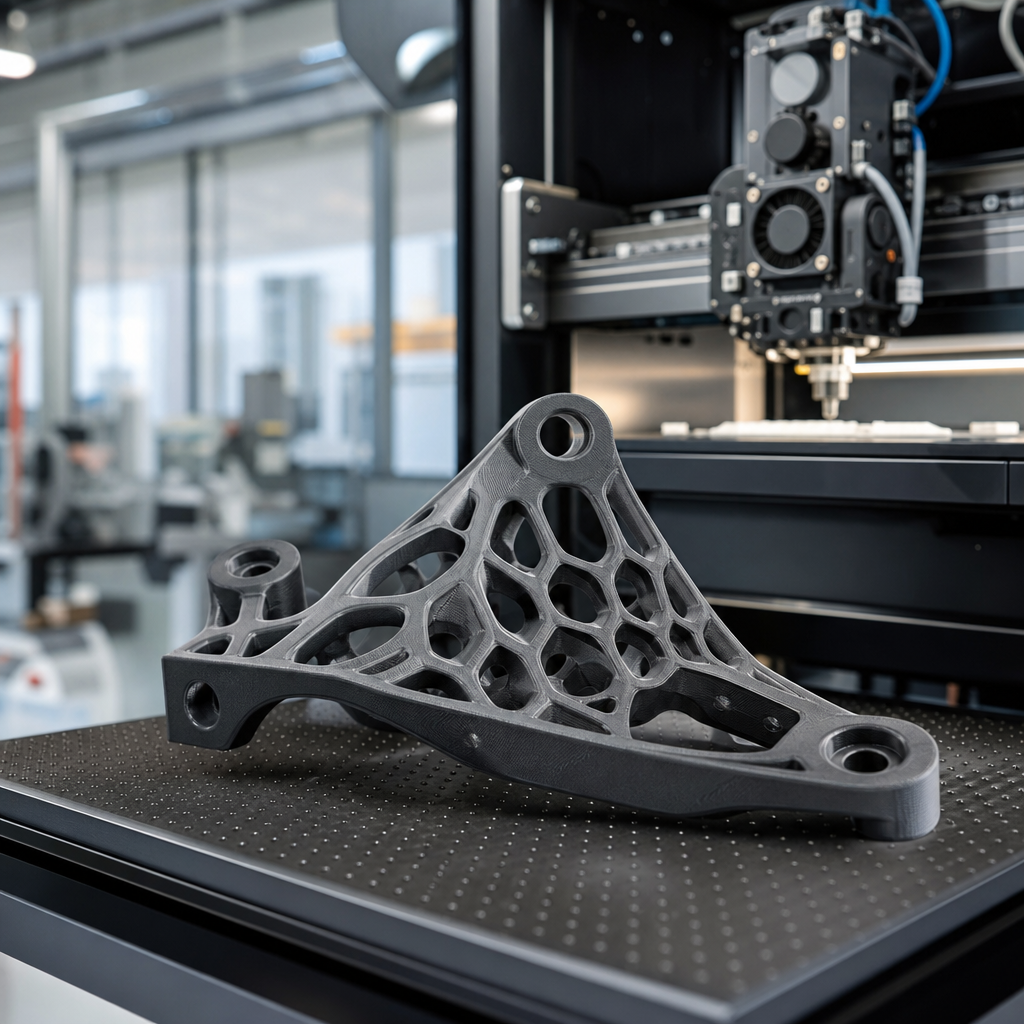
Innovations in polymers for advanced manufacturing technologies are reshaping how factories design products, control costs, and meet performance targets across aerospace, medical devices, electronics, energy, and automotive production. In industrial applications, polymers are no longer viewed as simple plastics for low-stress parts; they now include engineering thermoplastics, high-performance thermosets, elastomers, polymer composites, and functional resins tailored for specific processing routes. When I work with manufacturing teams evaluating material substitutions, the discussion usually starts with one practical question: what can a polymer do today that metal, glass, or ceramic cannot do as efficiently? The answer often includes lower weight, corrosion resistance, design freedom, electrical insulation, chemical stability, and compatibility with automated, high-volume processes. It also increasingly includes smart behavior, such as self-healing, conductivity, flame retardancy, and recyclability.
Advanced manufacturing technologies rely on polymers because production systems now demand more than simple formability. Additive manufacturing requires powders, filaments, and photopolymers with tightly controlled rheology and cure behavior. Injection molding depends on precise melt flow, shrinkage control, and repeatable crystallization. Composite layup and resin transfer molding need matrix systems that wet fibers effectively and deliver stable mechanical properties over long service lives. Semiconductor packaging requires encapsulants with low ionic contamination and high thermal performance. Industrial adhesives must hold mixed-material assemblies together while surviving vibration, temperature cycling, and moisture ingress. In each case, polymer innovation is not just about inventing a new chemistry; it is about aligning molecular structure, processing window, regulatory compliance, and end-use performance. That is why polymers in industrial applications matter so much: they sit at the intersection of materials science, manufacturing engineering, sustainability, and commercial scale.
How polymer innovation supports advanced manufacturing
Polymer innovation supports advanced manufacturing by enabling faster production, lighter products, more integrated part designs, and more predictable quality control. The core mechanisms are well established. Adjusting molecular weight distribution changes melt viscosity and processability. Copolymer design tunes toughness, flexibility, chemical resistance, and optical clarity. Fillers such as glass fiber, carbon fiber, talc, silica, graphene, boron nitride, or aluminum oxide modify stiffness, thermal conductivity, dimensional stability, and wear resistance. Additives including impact modifiers, UV stabilizers, flame retardants, nucleating agents, and plasticizers further expand the application range.
In practice, these changes directly influence manufacturing performance. For example, polyether ether ketone, commonly called PEEK, allows medical and aerospace manufacturers to produce components that resist sterilization cycles and elevated temperatures while remaining lighter than metal alternatives. Polyphenylene sulfide, or PPS, performs well in under-hood automotive environments because it handles heat, fuels, and aggressive chemicals. Liquid crystal polymers are chosen for miniature electronic connectors because they combine flowability with dimensional precision in thin-wall molding. Epoxy systems reinforced with carbon fiber remain foundational in aircraft structures because they deliver exceptional specific strength and fatigue resistance. These are not niche laboratory successes; they are scaled material platforms integrated into production lines worldwide.
Another major shift is the move from single-function materials to multifunctional polymer systems. Manufacturers increasingly want one material to handle structural loads, thermal management, electrical performance, and environmental resistance simultaneously. That is driving development of conductive polymers for antistatic housings, thermally conductive encapsulants for battery packs, low-dielectric materials for high-frequency electronics, and barrier films for hydrogen, food, and pharmaceutical packaging. When a polymer can reduce assembly steps by combining functions into one molded or printed part, the manufacturing advantage is immediate and measurable.
Key polymer families used in industrial applications
The most important polymer families in industrial manufacturing can be grouped by performance and processing behavior. Commodity thermoplastics such as polyethylene, polypropylene, polystyrene, and PVC still dominate high-volume markets because they are cost effective and easy to process, but advanced manufacturing depends more heavily on engineering and specialty grades. Polyamide, polycarbonate, PBT, PET, acetal, ABS, and TPU occupy the middle tier, serving machinery components, housings, seals, gears, connectors, and protective covers. High-performance materials such as PEEK, PEI, PSU, PPSU, PPS, fluoropolymers, and high-temperature nylons are selected when heat resistance, sterilization tolerance, flame performance, or aggressive chemical exposure would defeat standard plastics.
Thermosets remain essential where irreversible curing adds value. Epoxy, vinyl ester, unsaturated polyester, bismaleimide, polyurethane, and phenolic systems are widely used in composites, coatings, tooling boards, encapsulation, and structural adhesives. Elastomers, including silicone, EPDM, fluorocarbon rubber, nitrile, and thermoplastic elastomers, support sealing, damping, overmolding, and flexible conduit applications. The growth area I see most often is hybrid material systems: long-fiber thermoplastics, polymer nanocomposites, bio-based engineering resins, and recyclable composite matrices designed to fit circular manufacturing goals without sacrificing industrial reliability.
Selection is never only about strength or price. Engineers must evaluate heat deflection temperature, coefficient of thermal expansion, moisture absorption, dielectric properties, creep, fatigue, outgassing, UL 94 flammability rating, chemical compatibility, and process-specific requirements such as laser weldability or print layer adhesion. Standards from ASTM, ISO, UL, FDA, USP Class VI, and aerospace qualification protocols often determine whether a promising polymer can actually be deployed. Material innovation succeeds in industry only when it passes both performance testing and production reality.
Processing technologies driving demand for advanced polymers
Every manufacturing process imposes its own polymer requirements, and recent advances in processing are accelerating materials innovation. Injection molding remains the highest-volume route for industrial polymer parts. Here, improved simulation tools such as Autodesk Moldflow and Moldex3D help teams predict flow fronts, weld lines, sink, and warpage before tooling is cut. That has increased demand for resins with tighter lot-to-lot consistency and predictable crystallization kinetics. Multi-material molding, gas-assisted molding, insert molding, and microinjection molding are also expanding the need for specialized grades with controlled viscosity, adhesion, and dimensional tolerance.
Additive manufacturing has created a separate innovation pipeline. In fused filament fabrication, materials like reinforced nylon, PEI, and PEEK are being pushed into jigs, fixtures, tooling, and end-use parts. In selective laser sintering and multi jet fusion, PA11 and PA12 powders are valued for balance between toughness, recyclability, and powder refresh economics. In stereolithography and digital light processing, photopolymer chemistry is improving in toughness, temperature resistance, and biocompatibility. Production users now expect printed polymers to meet traceability and repeatability targets, not just prototype quickly. That expectation is changing how material suppliers formulate resins and qualify print parameters.
Composite processing is evolving as well. Automated fiber placement, pultrusion, compression molding of sheet molding compounds, and high-pressure resin transfer molding all rely on matrices engineered for cycle time and defect control. Out-of-autoclave prepregs and snap-cure epoxy systems reduce energy demand and improve throughput. Thermoplastic composites using polypropylene, PA6, PPS, and PEEK matrices are attracting attention because they support welding, reforming, and faster recycling than traditional thermosets. In factories focused on throughput, these process advantages matter just as much as mechanical performance.
| Manufacturing process | Common advanced polymers | Primary benefit | Typical industrial use |
|---|---|---|---|
| Injection molding | PBT, PA, PPS, LCP | Precision, repeatability, fast cycles | Connectors, housings, valves |
| Additive manufacturing | PA12, PEI, PEEK, photopolymers | Design freedom, rapid iteration | Tooling, medical parts, aerospace brackets |
| Resin transfer molding | Epoxy, vinyl ester | High fiber wet-out, structural strength | Panels, blades, enclosures |
| Compression molding | SMC, BMC, thermoplastic composites | Large parts, good surface finish | Automotive body parts, electrical covers |
| Extrusion | PE, PVC, fluoropolymers, TPU | Continuous output, profile control | Tubing, insulation, seals |
High-impact application areas and case-led lessons
Automotive manufacturing offers some of the clearest examples of polymer innovation delivering measurable gains. Replacing metal intake manifolds with glass-filled polyamide reduced weight and consolidated multiple components into a single molded part. Electrified vehicles now depend on flame-retardant and thermally stable polymers for busbars, battery module frames, cell spacers, and cooling system components. Materials suppliers are developing low-halogen flame-retardant formulations because automakers want fire safety without compromising processing or environmental profiles. In underbody shielding, long-glass-fiber polypropylene provides impact resistance and lower mass than stamped metal alternatives.
Aerospace applications reward polymers that maintain performance under demanding thermal and mechanical loads. Carbon-fiber-reinforced epoxy dominates primary composite structures, while PEEK and PEKK are increasingly used for clips, brackets, cable supports, and ducting produced by machining or additive manufacturing. Airlines value these materials because every kilogram saved reduces fuel burn over the aircraft life cycle. The lesson from aerospace qualification is important for all industrial users: superior polymer properties are meaningless without documented processing controls, traceability, and environmental aging data.
Medical manufacturing shows a different pattern. Here, sterilization compatibility, biocompatibility, and extractables matter as much as strength. PPSU is widely used in reusable sterilizable device components because it withstands repeated steam autoclave cycles better than many transparent plastics. Silicone elastomers remain central in tubing, seals, and implantable applications because of their flexibility and established clinical history. Additive manufacturing with biocompatible photopolymers and nylon powders is enabling patient-specific guides and custom instruments, but validation remains rigorous. The key lesson is that regulated sectors reward polymers with deep data packages and stable supply chains.
Electronics and energy systems are also pushing polymer boundaries. Thermal interface materials, encapsulants, and dielectric films are critical in power electronics, batteries, motors, and charging infrastructure. Silicone gels protect delicate assemblies from vibration and moisture. Polyimide films survive high temperatures in flexible circuits. Thermally conductive but electrically insulating compounds based on boron nitride or ceramic-filled resins help dissipate heat from batteries and inverters. In wind energy, epoxy composite blades continue to expand in scale, while recyclable resin systems are being tested to simplify end-of-life recovery. Across these examples, the strongest case studies share one feature: polymer selection was integrated early with process design rather than treated as a late procurement choice.
Sustainability, qualification, and the next wave of polymer development
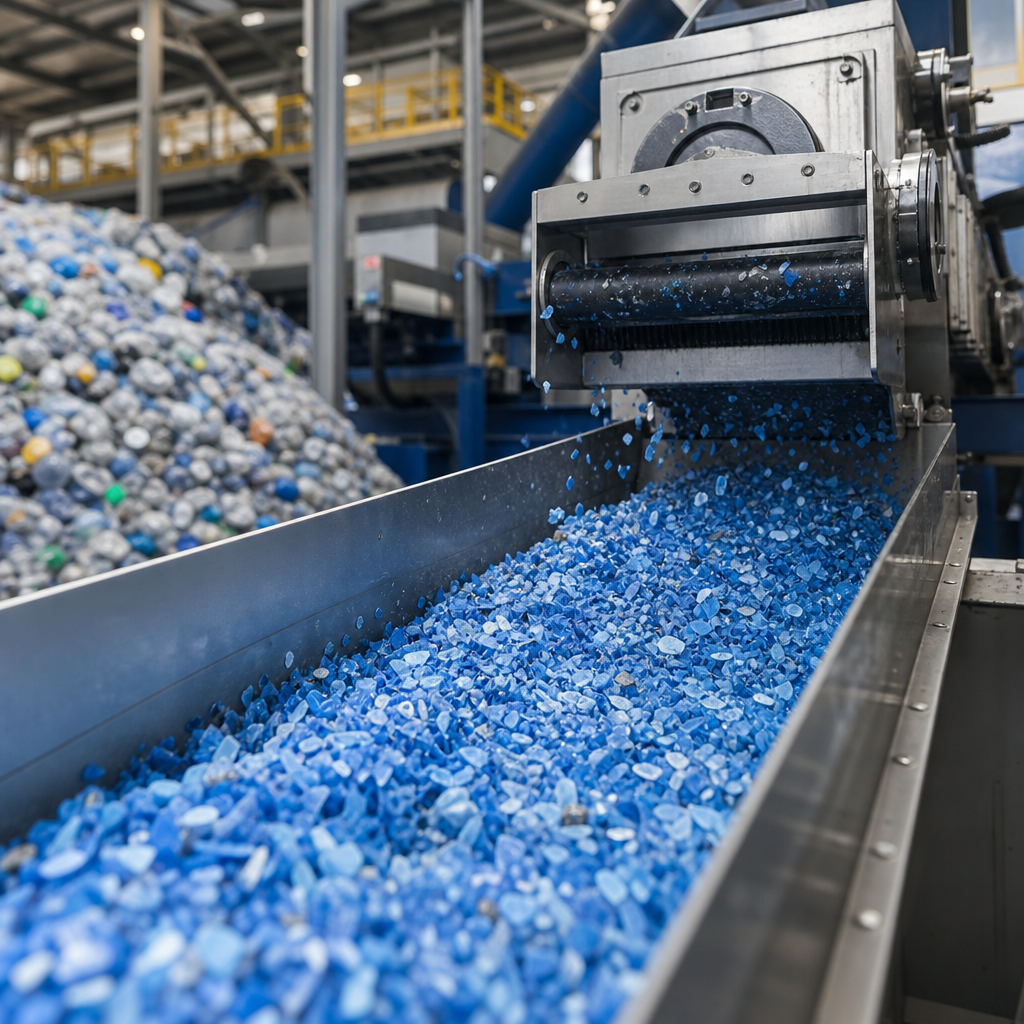
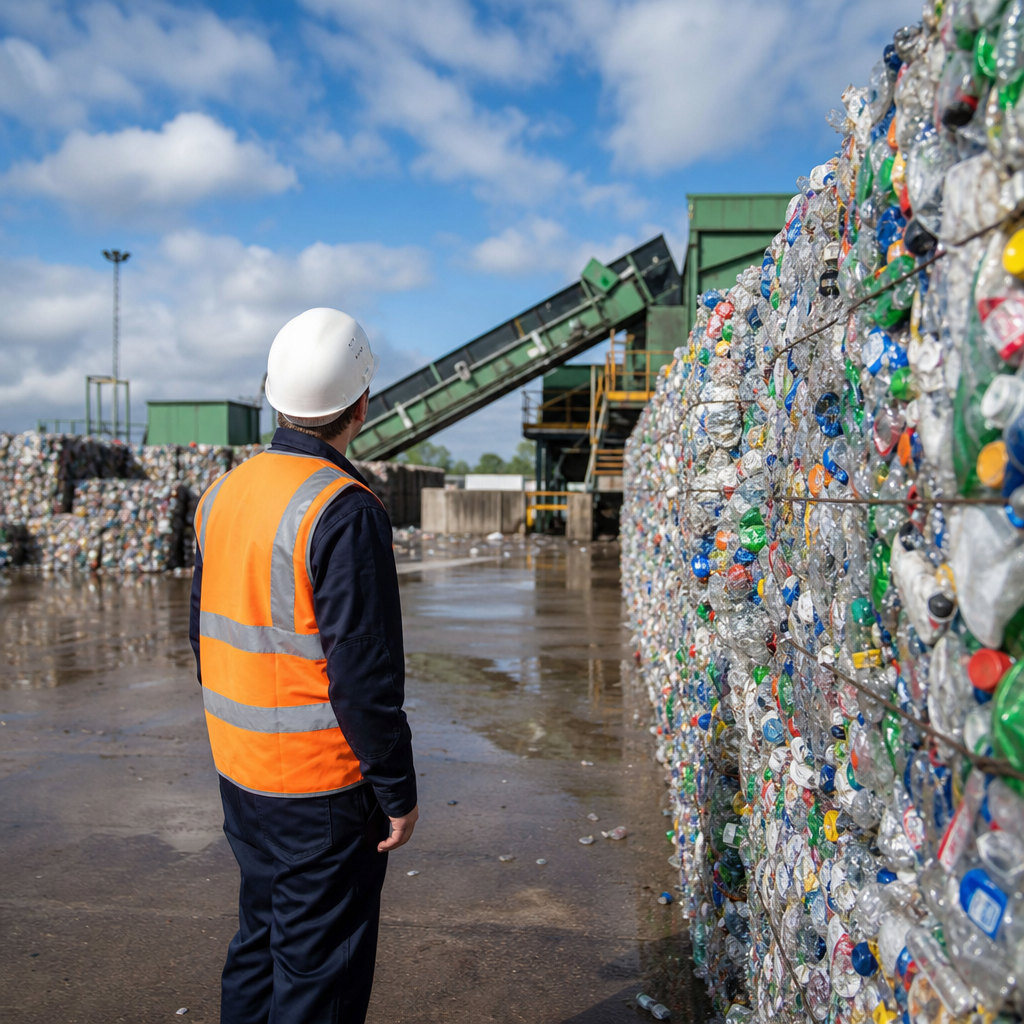
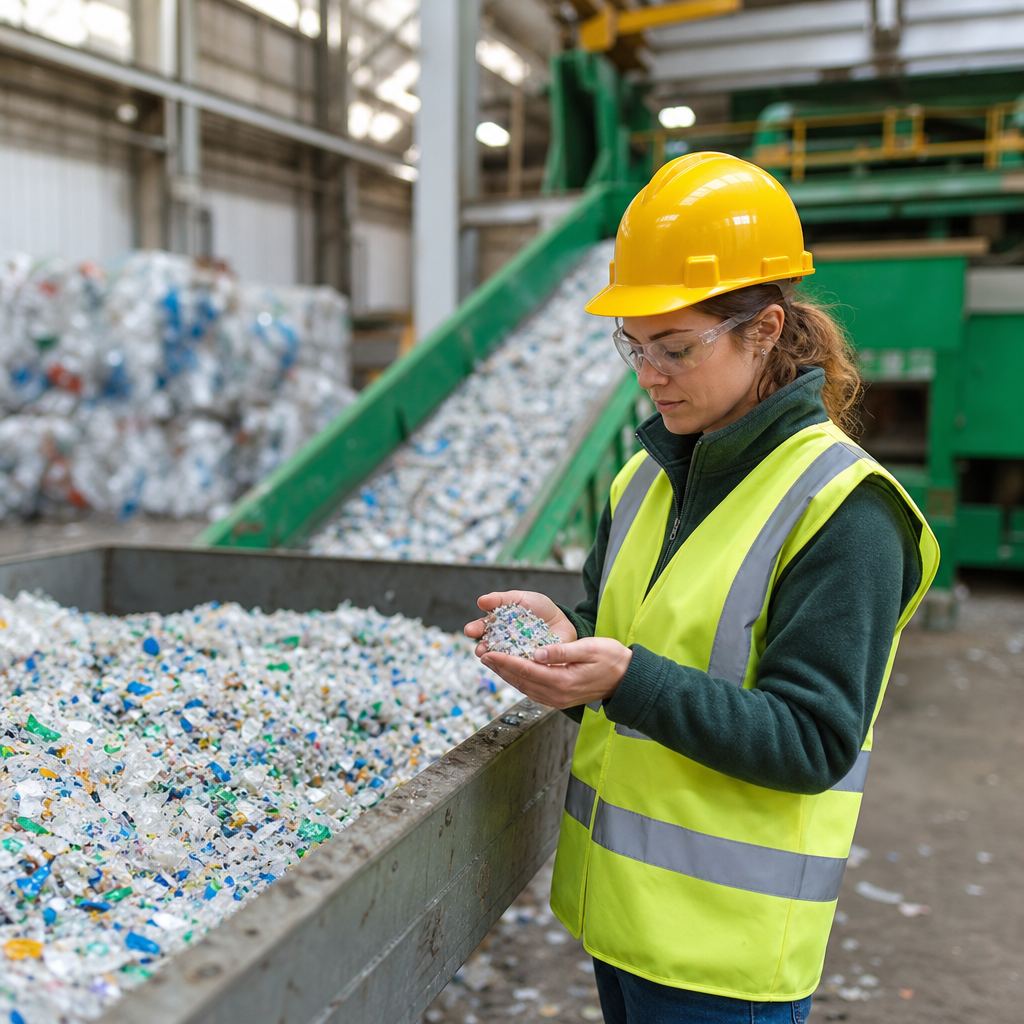
Sustainability is now a design requirement in polymers for industrial applications, but the best strategies are practical rather than symbolic. Mechanical recycling works well for some thermoplastics when contamination is controlled and property loss is managed. Chemical recycling, including depolymerization and pyrolysis routes, is improving for mixed or hard-to-recycle streams, though economics remain uneven. Bio-based polymers such as PLA, bio-PA, and partially bio-sourced PET are gaining attention, but industrial adoption depends on heat performance, moisture sensitivity, and total cost of ownership, not renewability claims alone. Recycled-content engineering grades are becoming more credible as suppliers improve compounding, filtration, odor control, and quality assurance.
Qualification remains the gatekeeper. Any manufacturer considering an innovative polymer should validate it through a structured plan: define service conditions, map critical failure modes, test molded and aged specimens, confirm process capability, and audit supply continuity. I have seen promising materials fail not in tensile testing but in assembly, sterilization, laser marking, paint adhesion, or long-term creep under constant load. That is why design of experiments, accelerated aging, DSC, TGA, DMA, FTIR, rheology, and microscopic fracture analysis remain indispensable tools. They reveal whether a new polymer solution is robust enough for production, not just attractive on a datasheet.
The next wave of innovation is likely to center on circular composite systems, printable high-temperature polymers, self-sensing materials, and formulations engineered specifically for digital manufacturing control. Machine learning is already being used to predict resin behavior, optimize formulations, and shorten development cycles, but it works best when combined with disciplined experimental data. For manufacturers building the future, polymers offer a decisive advantage: they can be designed at the molecular and formulation level to fit a process, a product, and a sustainability target at the same time. Companies that treat polymers as strategic manufacturing platforms rather than commodity inputs will make better products, qualify faster, and adapt more confidently. Use this hub as your starting point, then map each application to performance needs, process constraints, and lifecycle realities before selecting the next material.
Frequently Asked Questions
1. How are innovations in polymers improving advanced manufacturing technologies?
Innovations in polymers are improving advanced manufacturing by giving engineers far more control over strength, weight, thermal stability, chemical resistance, electrical behavior, and processability than was possible with conventional materials. Today’s polymer systems include engineering thermoplastics such as PEEK, PEI, PPS, and nylon blends; high-performance thermosets used in structural composites; elastomers designed for sealing and vibration control; and functional resins engineered for additive manufacturing, coatings, adhesives, and encapsulation. These materials can be tailored at the molecular and formulation level to meet specific production and performance targets.
In practical terms, that means manufacturers can reduce component weight, consolidate multi-part assemblies into fewer molded or printed parts, shorten cycle times, improve corrosion resistance, and lower overall production costs. In aerospace and automotive production, lightweight polymer composites help reduce fuel consumption and improve efficiency. In electronics, advanced polymers provide insulation, flame retardancy, dimensional stability, and dielectric performance for compact, high-reliability devices. In medical manufacturing, biocompatible polymers support sterilization requirements, precision molding, and increasingly sophisticated disposable and implantable devices.
Another major advancement is compatibility with modern processing routes. Many next-generation polymers are being designed specifically for injection molding, extrusion, thermoforming, resin transfer molding, and 3D printing. This process-specific engineering allows manufacturers to achieve tighter tolerances, better surface finishes, more predictable shrink behavior, and improved repeatability at scale. As a result, polymers are no longer considered secondary materials for low-stress applications; they are central to advanced manufacturing strategies focused on performance, efficiency, and design freedom.
2. What types of advanced polymers are most important in modern industrial manufacturing?
The most important advanced polymers in industrial manufacturing generally fall into five broad categories: engineering thermoplastics, high-performance thermosets, elastomers, polymer composites, and specialty functional resins. Each category plays a different role depending on the mechanical demands, environmental exposure, regulatory requirements, and manufacturing process involved.
Engineering thermoplastics are widely used because they combine durability with efficient processing. Materials such as polycarbonate, acetal, nylon, PBT, PPS, PEI, and PEEK offer strong mechanical performance, dimensional stability, and resistance to heat, wear, and chemicals. These polymers are especially valuable in automotive, electronics, industrial equipment, and medical devices where parts must perform consistently under stress while also being manufactured at high volume.
Thermosets remain essential in applications requiring rigidity, thermal resistance, and structural integrity. Epoxies, phenolics, polyurethanes, and other thermosetting systems are commonly used in composites, adhesives, coatings, and encapsulation technologies. Once cured, they form crosslinked networks that resist deformation and maintain performance in challenging operating conditions. This makes them highly relevant in aerospace structures, printed circuit boards, tooling, and energy systems.
Polymer composites represent one of the most transformative areas of innovation. By combining a polymer matrix with reinforcing fibers such as glass, carbon, or aramid, manufacturers can achieve exceptional strength-to-weight ratios and tailor performance in specific directions. Elastomers and specialty resins are also increasingly critical, particularly where flexibility, sealing, damping, conductivity, UV resistance, flame retardancy, or biocompatibility are required. The real value lies not only in the base polymer, but in the formulation science that adapts these materials to exact industrial use cases.
3. Why are polymer composites and high-performance resins so valuable in sectors like aerospace, automotive, and energy?
Polymer composites and high-performance resins are valuable in these sectors because they deliver combinations of properties that metals and traditional plastics often cannot match at the same weight, processing cost, or design complexity. In aerospace, every reduction in mass can improve fuel efficiency, payload capacity, and overall system performance. Carbon-fiber-reinforced polymers, high-temperature epoxies, and specialty thermoplastics allow engineers to produce lightweight yet structurally capable components for interiors, brackets, ducting, panels, and even primary or semi-structural assemblies in some applications.
In automotive manufacturing, the value extends beyond lightweighting. Advanced polymers help reduce assembly complexity by enabling part integration, which means multiple metal components can sometimes be replaced with a single molded or composite part. This can simplify manufacturing, reduce fasteners and weld points, improve corrosion resistance, and support electric vehicle design where thermal management, battery protection, electrical insulation, and weight reduction are all priorities. High-performance polymers are also used in under-the-hood applications because many can withstand elevated temperatures, oils, fuels, and aggressive chemicals.
In the energy sector, polymers and composites support harsh operating environments and long service life. Wind energy relies heavily on composite materials for large turbine blades that must be lightweight, fatigue-resistant, and aerodynamically stable. In oil, gas, and chemical processing, polymer-based linings, seals, coatings, and composite structures can offer excellent corrosion resistance. In electrical power systems and emerging battery technologies, specialty resins play vital roles in insulation, encapsulation, thermal interface materials, and protective housings. Their value comes from enabling performance, reliability, and manufacturability at the same time.
4. How do advanced polymers support additive manufacturing and other modern production methods?
Advanced polymers have become a foundational part of additive manufacturing and other modern production methods because they can be designed to flow, cure, bond, or solidify in highly controlled ways. In additive manufacturing, materials are no longer limited to basic prototype plastics. Manufacturers now use photopolymers, filled resins, engineering-grade filaments, high-temperature thermoplastics, and reinforced powders that support functional prototyping, tooling, and end-use part production. These materials can be optimized for layer adhesion, dimensional accuracy, impact resistance, thermal performance, and even chemical or electrical functionality.
In industrial 3D printing, material innovation is especially important because the process depends heavily on rheology, melt behavior, curing kinetics, and post-processing stability. For example, a polymer developed for fused filament fabrication must maintain consistent extrusion and strong interlayer bonding, while a resin for stereolithography must cure precisely under light exposure and retain shape during post-cure. Powder-based systems need controlled particle behavior and sintering characteristics. This level of material engineering is what allows additive manufacturing to move beyond concept models into production-grade applications.
Beyond 3D printing, advanced polymers are also improving injection molding, thermoforming, overmolding, pultrusion, automated fiber placement, and resin transfer molding. Process-specific polymer grades can reduce warpage, enhance surface quality, shorten cycle times, and improve repeatability. Some are formulated for conductivity, flame resistance, low outgassing, sterilization resistance, or electromagnetic shielding, depending on the final application. As factories adopt digital manufacturing, automation, and more flexible production cells, polymers that are precisely tuned for process performance are becoming just as important as polymers tuned for end-use properties.
5. What should manufacturers consider when selecting polymers for advanced manufacturing applications?
Manufacturers should begin by evaluating the full performance envelope of the application rather than focusing on one property in isolation. Mechanical strength, stiffness, fatigue resistance, creep behavior, thermal stability, chemical exposure, moisture absorption, electrical characteristics, flame performance, dimensional tolerances, and environmental aging all matter. A polymer that performs well in a laboratory test may still fail in production if it cannot withstand sterilization, repeated thermal cycling, UV exposure, or long-term mechanical loading. The best material selection process connects real operating conditions to verified material data.
Processing compatibility is equally important. A polymer may have excellent end-use performance but still be a poor fit if it creates molding difficulties, requires overly narrow processing windows, or cannot scale economically. Manufacturers need to consider melt flow, cure behavior, shrinkage, fiber orientation effects, adhesion to inserts or coatings, tool wear, drying requirements, and post-processing needs. This is especially critical in high-volume manufacturing where small inefficiencies can significantly affect scrap rates, cycle times, and overall cost. For advanced applications, material choice should always be evaluated together with the intended manufacturing route.
Supply chain reliability, regulatory compliance, and sustainability should also be part of the decision. In medical, aerospace, and electronics manufacturing, documentation, traceability, and certification can be just as important as raw performance. In addition, many companies are now assessing recycled content, reprocessability, life-cycle impact, and energy use during production. The most effective approach is typically collaborative: design engineers, materials specialists, manufacturing teams, and suppliers work together to balance performance, processability, cost, and compliance. That is how advanced polymer selection becomes a strategic manufacturing advantage rather than just a material substitution exercise.