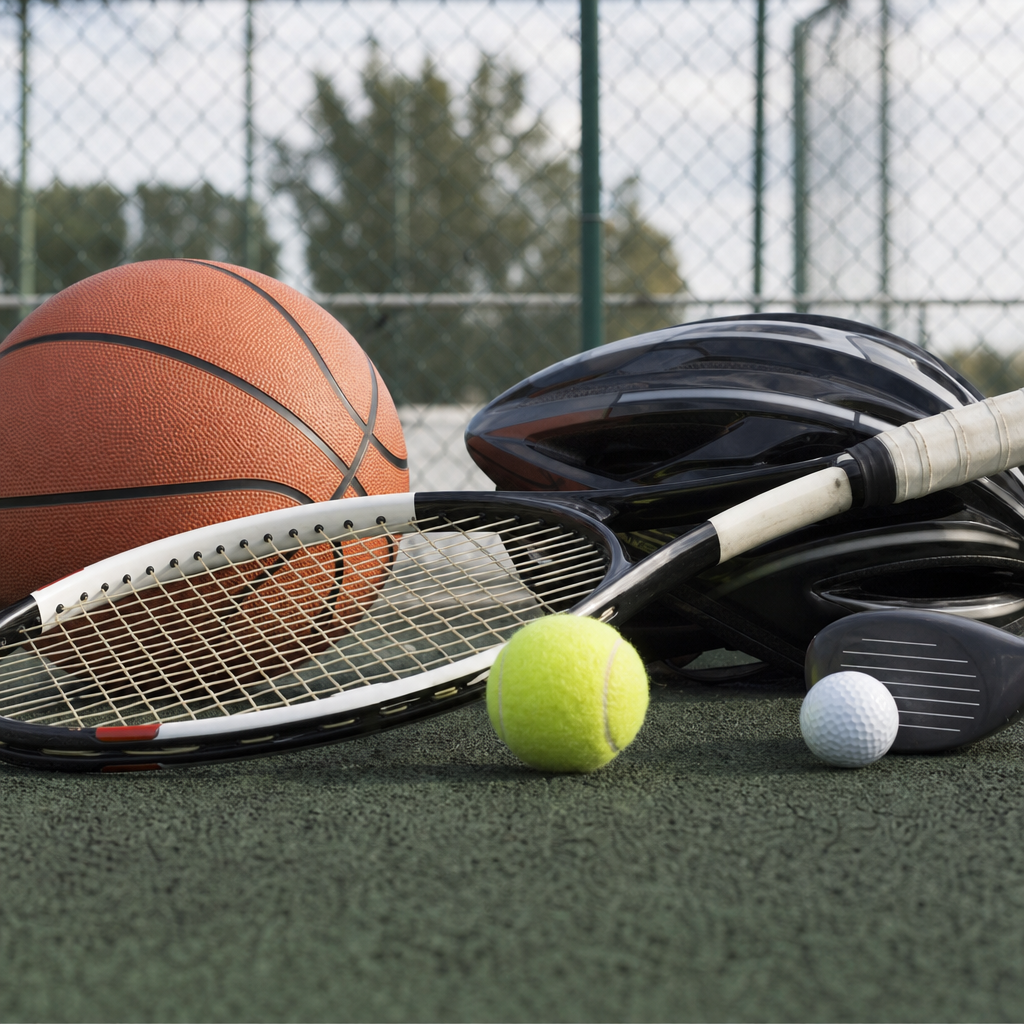
Modern sports equipment lasts longer, performs more consistently, and protects athletes more effectively because polymers solved durability problems that wood, leather, cotton, and untreated metals could not. In sports materials science, a polymer is a large molecule made of repeating units, either used alone as a plastic, elastomer, foam, or fiber, or combined with reinforcements to create a composite. Durability means more than surviving impact: it includes fatigue resistance, abrasion resistance, weather stability, dimensional control, crack tolerance, and the ability to retain performance after repeated use. I have worked on product teams where a material change that seemed minor on paper doubled field life in testing, and that experience makes one point clear: polymer selection is often the difference between equipment that fails early and equipment that holds up through a season. This matters to athletes, manufacturers, coaches, and buyers because durable gear reduces replacement cost, improves safety margins, and preserves predictable performance under stress.
Problem-solving with polymers is the practical process of matching a polymer’s structure and processing method to a failure mode. If a tennis string loses tension too quickly, the answer may be a polyester monofilament with controlled orientation. If a helmet shell cracks from impact and UV exposure, the solution may be a polycarbonate blend with stabilizers. If running shoes bottom out, expanded thermoplastic elastomers or polyurethane foams may offer better energy retention. This article serves as a hub for the full topic by explaining where polymers changed sports equipment most dramatically, how those changes work, what tradeoffs remain, and what examples manufacturers repeatedly rely on in real products.
Why Traditional Materials Reached Their Limits
Before advanced polymers became standard, sports equipment often relied on natural materials and simple metals. Wood rackets warped with humidity, leather balls absorbed water and changed mass, cotton nets degraded outdoors, and metal components dented or corroded. Those materials were not inherently poor; many are still valued for feel and tradition. The problem was consistency under repeated loading and exposure. In lab evaluations and field returns, the same pattern appears across categories: moisture, temperature swings, ultraviolet light, repeated flexing, and impact progressively damage conventional materials until performance drifts or failure occurs.
Polymers addressed these limits because they can be engineered at the molecular and formulation level. Manufacturers can tune stiffness with fillers, improve toughness with rubber modifiers, add UV absorbers, build low-friction surfaces, and create foams with precise cell structures. A fiberglass-reinforced nylon part behaves very differently from unfilled nylon; a thermoplastic polyurethane outsole behaves differently from a polyethylene insert. That tunability is central to durability. Instead of accepting the weaknesses of one raw material, designers can target the exact stresses found in a bike helmet, ski boot, hockey stick blade, or artificial turf fiber. This shift from generic material choice to engineered performance is the foundation of modern sports equipment durability.
How Polymers Solve the Main Failure Modes
The most useful way to understand polymer durability is by looking at failure modes. Impact failure occurs when a part cracks, shatters, or permanently deforms after a strike. Fatigue failure appears when repeated subcritical loads create microcracks over time. Abrasive wear removes surface material through friction. Environmental aging comes from UV exposure, hydrolysis, oxidation, sweat, salt, or cleaning chemicals. Creep causes a part held under load to slowly deform. Good polymer engineering starts with identifying which of these mechanisms dominates in real use.
For impact, tough polymers such as polycarbonate, thermoplastic polyurethane, and certain polyamides absorb energy without brittle fracture. For fatigue, fiber-reinforced composites and oriented polymer structures spread stress and delay crack growth. For wear, ultra-high-molecular-weight polyethylene and polyurethane coatings resist scuffing and sliding abrasion. For weathering, additives such as HALS stabilizers, antioxidants, and UV absorbers significantly extend life. For creep, crosslinked systems or higher-modulus engineering plastics maintain shape better under sustained load. In product development, accelerated aging, drop testing, flex cycling, and abrasion rigs verify these claims. The result is not merely stronger gear, but gear that stays usable longer in realistic conditions.
| Sports equipment problem | Polymer solution | Durability benefit | Real-world example |
|---|---|---|---|
| Helmet shell cracking | Polycarbonate or ABS blends with UV stabilizers | Higher impact resistance and slower outdoor aging | Cycling and hockey helmets |
| Shoe midsole compression set | Expanded TPU, EVA, or PU foams | Better cushioning retention over mileage | Running shoes and cleats |
| Racket frame fatigue | Epoxy matrix composites with carbon or glass fiber | Improved stiffness retention and crack resistance | Tennis and badminton rackets |
| Skateboard wheel wear | Cast polyurethane elastomer | Excellent abrasion resistance and rebound | Street and park skating |
| Ski base abrasion | UHMWPE | Low friction and high wear resistance | Alpine skis and snowboards |
Helmets, Pads, and Protective Gear
Protective equipment shows the clearest durability gains from polymers because safety depends on maintaining structure after impact and during environmental exposure. Helmet shells commonly use polycarbonate, ABS, or composite laminates, while the energy-managing liner is often expanded polystyrene or expanded polypropylene. Each polymer plays a different role. The shell spreads load and resists puncture. The foam crushes in a controlled manner to reduce transmitted force. Straps, comfort pads, and edge trims often rely on nylon, polyester, TPU, and silicone components designed for sweat, repeated flexing, and cleaning.
In practical terms, polymers improved both service life and reliability. Polycarbonate can deliver high impact toughness with good processability in thin sections, which matters when a helmet needs low weight and consistent shell quality. Expanded polypropylene has better multi-impact resilience than EPS in some applications, which is why it appears in whitewater and certain cycling designs. TPU films and coated fabrics resist tearing in shin guards and body protectors. Standards such as those from NOCSAE, ASTM, EN, and CPSC pushed manufacturers toward repeatable, validated material systems. The tradeoff is that no protective polymer lasts forever; UV, heat, and prior impacts still matter, and replacement intervals remain essential.
Footwear Durability in Running, Court, and Field Sports
Footwear may be the most visible case study in problem-solving with polymers because every part of a sports shoe depends on them. Uppers increasingly use polyester knits, TPU overlays, and synthetic microfibers that resist stretching and moisture damage better than natural leather in many high-intensity applications. Midsoles rely on EVA, polyurethane, PEBA, or expanded TPU to deliver cushioning and energy return while resisting compression set. Outsoles use carbon rubber, blown rubber, or TPU-based compounds depending on the balance between grip, weight, and wear life.
The durability challenge in shoes is that competing properties must be balanced carefully. A softer foam can feel better initially but may pack out faster. A high-grip outsole can wear quickly on asphalt. A lightweight knit upper can abrade at flex points unless reinforced. I have seen brands improve longevity by adding localized TPU skins, changing foam density only in the heel strike zone, and adjusting the durometer of outsole rubber by sport and surface. Adidas helped popularize expanded TPU bead midsoles for resilience over long mileage, while polyurethane remains important in boots and cleated footwear where shape retention matters. The lesson is simple: polymers let designers place durability where wear actually occurs instead of overbuilding the whole shoe.
Rackets, Sticks, and Bats
In rackets, sticks, and bats, polymers often work as matrix materials in composites rather than as stand-alone parts. Epoxy resins bind carbon fiber, glass fiber, aramid, or hybrids into structures that can survive repeated swings and impacts while keeping mass low. Compared with old laminated wood constructions, polymer composites offer far better resistance to humidity-driven distortion and better control over stiffness distribution. That is why modern tennis rackets, hockey sticks, and many baseball and softball bats rely on composite layups tailored to specific use cases.
Durability here depends on more than high strength. Composite sporting goods fail from delamination, resin microcracking, edge impacts, and poor stress transitions near joints or handles. Toughened epoxy systems, woven reinforcement in high-abuse zones, and protective polymer clear coats all help. Nylon grommets on rackets reduce string-to-frame wear. Polyurethane grip materials handle sweat better than older wraps. In hockey, blade and shaft interfaces often include thermoplastic inserts to improve impact tolerance. These improvements allow equipment to hold performance characteristics longer, though users still need to understand that a very light elite-level composite may prioritize feel and stiffness over ultimate abuse tolerance.
Balls, Surfaces, and Water Sports Equipment
Balls and playing surfaces reveal another side of polymer durability: retention of shape, bounce, and surface properties. Basketballs and soccer balls commonly use polyurethane or PVC outer layers over fabric and bladder systems, replacing older leather constructions that absorbed water and changed feel. Tennis balls rely on rubber cores engineered for rebound consistency, while synthetic felt blends improve wear behavior. Golf balls are a textbook polymer application, using ionomer or urethane covers over multilayer cores to tune cut resistance, spin, and longevity.
On courts and fields, polymers transformed exposure resistance. Artificial turf fibers use polyethylene, polypropylene, or nylon with UV stabilizers to survive years of sun and foot traffic. Track surfaces often use polyurethane binders with rubber granules to resist cracking while maintaining traction. In water sports, epoxy composites, polyethylene hulls, neoprene alternatives, and PVC or TPU inflatable structures improved resistance to saltwater, flex fatigue, and puncture. Paddleboards, kayaks, goggles, and swim gear all depend on polymers chosen for hydrolytic stability and sealing performance. The result is equipment that can be used repeatedly in harsh environments without dramatic loss of function.
Manufacturing, Testing, and the Tradeoffs That Still Matter
Durable sports equipment is not created by material choice alone. Processing determines whether a polymer reaches its potential. Injection molding can produce precise helmet shells and cleat plates, but poor gate placement can leave weak zones. Compression molding and resin transfer molding influence fiber wet-out in composites. Foam expansion conditions affect cell size and therefore cushioning life. Adhesive selection controls whether multi-material shoes or pads stay bonded after sweat and heat exposure. Quality systems, statistical process control, and destructive batch testing are what turn a promising formulation into a dependable product.
There are also unavoidable tradeoffs. Some of the most durable polymers are harder to recycle. Thermoset composites offer excellent stiffness retention but are more difficult to repair or reprocess than thermoplastics. UV stabilizers and flame retardants can affect cost and processing. Lightweight elite products may use thinner sections that improve speed but reduce abuse tolerance for recreational users. Brands increasingly address these issues through recycled polyester uppers, bio-based polyamides, thermoplastic composite systems, and better take-back programs, but sustainability and durability do not always align neatly. The smart approach is honest material selection: define the sport, user profile, exposure conditions, and expected service life, then engineer from there.
Polymers enhanced the durability of sports equipment by solving specific, recurring failures with materials that can be tuned for impact resistance, fatigue life, weather stability, abrasion control, and shape retention. Helmets became more reliable through tough shells and crushable foams. Shoes held cushioning and structure longer through engineered elastomers, foams, and films. Rackets, sticks, bats, balls, surfaces, and water sports gear gained consistency because polymer systems resist moisture, cracking, and wear better than many traditional materials. Across product categories, the key insight is that durability is designed, not guessed, and polymers give engineers the broadest toolkit for designing it.
For anyone evaluating sports equipment under the broader theme of problem-solving with polymers, the best question is not simply which material is strongest. Ask which failure mode the product faces most often, which polymer system addresses it, how the part is processed, and what standards or tests validate the claim. That framework leads to better buying, better design decisions, and more realistic expectations about product life. Use this hub as your starting point for deeper case studies across footwear, protective gear, composites, and outdoor performance products, and you will see the same pattern everywhere: the right polymer does more than improve performance on day one; it preserves that performance when real use begins.
Frequently Asked Questions
1. What does “durability” really mean in sports equipment, and how do polymers improve it?
In sports equipment, durability means much more than simply not breaking on impact. A durable product must continue performing reliably after repeated loading, bending, rubbing, compression, sweat exposure, sunlight, moisture, temperature shifts, and regular use over time. That includes fatigue resistance, abrasion resistance, crack resistance, shape retention, weather stability, and the ability to maintain protective or performance-related properties throughout its service life. Traditional materials such as wood, leather, cotton, and untreated metals often performed well in one area but poorly in others. Wood can crack, warp, or absorb moisture. Leather can dry out, stiffen, or stretch. Cotton wears down and holds moisture. Untreated metals can corrode or develop fatigue-related damage.
Polymers improved durability because they can be engineered very precisely for the stresses a piece of equipment will face. Some polymers are used as tough plastics for shells and guards, some as elastomers for grip and flexibility, some as foams for cushioning, and some as fibers or matrix materials in composites for strength and weight control. They absorb energy, resist wear, recover shape after repeated loading, and often handle moisture and chemicals better than natural materials. Just as importantly, polymer formulations can be tailored with additives, coatings, reinforcements, and processing methods to improve UV resistance, impact toughness, surface hardness, or long-term fatigue behavior. That tunability is one of the biggest reasons modern sports gear lasts longer and stays more consistent in real-world conditions.
2. Why are polymer composites such a major breakthrough for durable sports equipment?
Polymer composites changed sports equipment design because they combine the best features of multiple material types into one structure. In a composite, a polymer matrix—such as epoxy, polyester, or thermoplastic resin—holds reinforcing materials like carbon fiber, glass fiber, or aramid fiber in place. The reinforcement provides much of the stiffness and strength, while the polymer matrix distributes loads, protects the fibers, helps absorb impact energy, and gives the part its final shape. This combination allows manufacturers to create products that are strong, lightweight, and highly durable under repeated use.
The durability advantage comes from how composites handle stress over time. Compared with many traditional materials, well-designed composites can better resist fatigue from repeated flexing and loading. That matters in equipment such as tennis rackets, hockey sticks, bicycle components, skis, snowboards, and protective helmets. Instead of gradually losing structural integrity the way some wood laminates or untreated metal parts might, composites can be optimized to manage stress paths and reduce damage concentration. They also resist moisture-related degradation better than many natural materials, which helps preserve shape and performance consistency. Another important benefit is design control: engineers can orient fibers in specific directions to reinforce the exact areas that see the most stress. That means the equipment is not only durable in a general sense, but durable in the places where failure is most likely to occur.
3. How do polymers make protective gear safer and longer-lasting?
Protective gear depends on controlled energy management, and polymers are exceptionally good at delivering that. In helmets, pads, guards, and protective inserts, different polymers perform different jobs. Rigid polymer shells help spread impact forces over a wider area. Foam polymers compress under impact to absorb energy and reduce peak force transmission. Elastomeric layers can add flexibility, comfort, and repeated-impact resilience. Liners, straps, and outer covers often use polymer fibers or fabrics because they resist wear, moisture, and repeated movement better than many older materials. The result is equipment that protects athletes more effectively while remaining usable over a longer period.
Polymers also improve long-term safety because they can be designed to maintain performance after repeated minor impacts, frequent handling, and environmental exposure. Earlier material systems often degraded faster from sweat, rain, drying cycles, and surface abrasion. When that happened, protection could become less reliable even before obvious failure was visible. Modern polymer systems are better at resisting that kind of gradual decline. They can retain cushioning, flexibility, and structural integrity longer, provided the gear is used within its intended lifespan and replaced when required. In practical terms, that means a well-designed polymer-based helmet or pad is not just more comfortable and lighter than older alternatives—it is also more capable of delivering consistent protection day after day, season after season.
4. Are polymers always better than traditional materials like wood, leather, cotton, or metal in sports equipment?
Not always in every category, but in terms of overall durability and consistency, polymers usually provide major advantages. Traditional materials still have value. Wood offers feel and natural damping that many athletes appreciate. Leather can provide premium comfort and fit. Metals can deliver excellent strength and stiffness. Cotton remains useful in some apparel contexts. However, each of these materials comes with durability limitations that are difficult to ignore in modern performance environments. Wood can splinter or change with humidity. Leather requires maintenance and can degrade from moisture and repeated flexing. Cotton absorbs sweat and wears more quickly. Metals may dent, corrode, or suffer fatigue depending on the application.
Polymers became so important because they solve several of these problems at once. They can be water-resistant, abrasion-resistant, corrosion-resistant, and fatigue-tolerant while also being lighter and easier to process into complex shapes. They can also be blended or reinforced to overcome weaknesses that a single traditional material could not. That said, “better” depends on the goal. Some sports still prefer traditional materials for regulation, feel, or cultural reasons. In many cases, the best modern solution is actually a hybrid one, where polymers are combined with metals, textiles, or reinforcements to balance comfort, response, protection, and longevity. So polymers are not a universal replacement for every material, but they are the reason most modern sports equipment can deliver a higher level of durability with fewer maintenance demands.
5. What specific examples show how polymers increased the lifespan and reliability of sports equipment?
There are examples across nearly every sport. In footwear, polymer midsoles and outsoles made shoes more resistant to repeated compression, flexing, and surface wear than older material combinations. In helmets, polymer shells and foam liners replaced heavier, less adaptable protective systems and improved both impact management and environmental durability. In tennis and badminton, polymer composites allowed rackets to resist repeated string tension and impact stress while keeping their shape and performance characteristics longer. In cycling, polymer-based composite components helped reduce corrosion concerns and made lightweight, fatigue-resistant designs possible. In skiing and snowboarding, polymer sidewalls, bases, and composite layers increased resistance to abrasion, moisture, and repeated flexing in cold conditions.
Even in balls, pads, gloves, grips, and apparel, polymers transformed reliability. Synthetic covers and bladder materials improved air retention, surface durability, and wet-condition performance. Polymer fibers in jerseys and compression garments increased abrasion resistance, stretch recovery, and moisture handling compared with cotton. In gloves and protective pads, polymer foams and coatings maintained cushioning and surface integrity through repeated use. What ties all these examples together is consistency. Polymers helped sports equipment last longer not just by avoiding catastrophic failure, but by resisting the slow decline in function that used to happen with natural materials and untreated metals. That is the real durability revolution: gear that keeps its shape, feel, protection, and performance far more effectively over time.