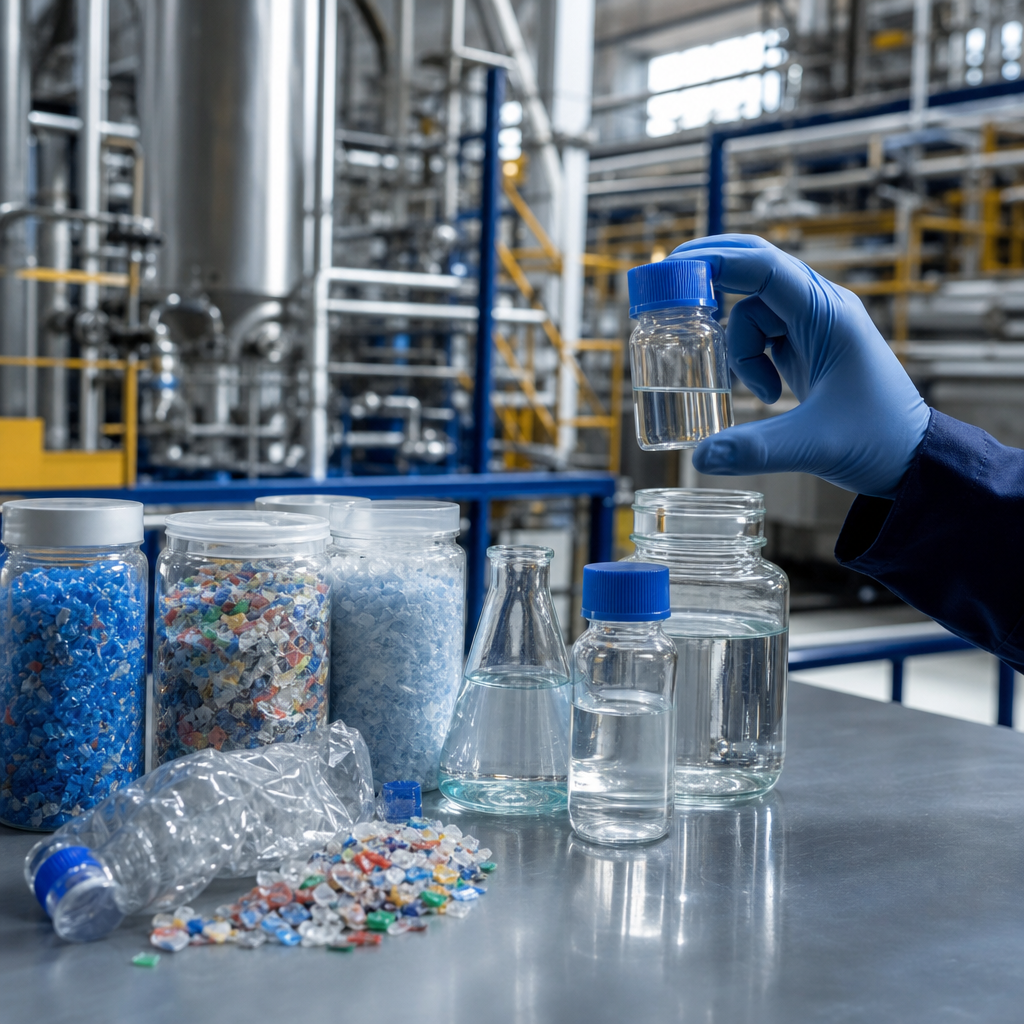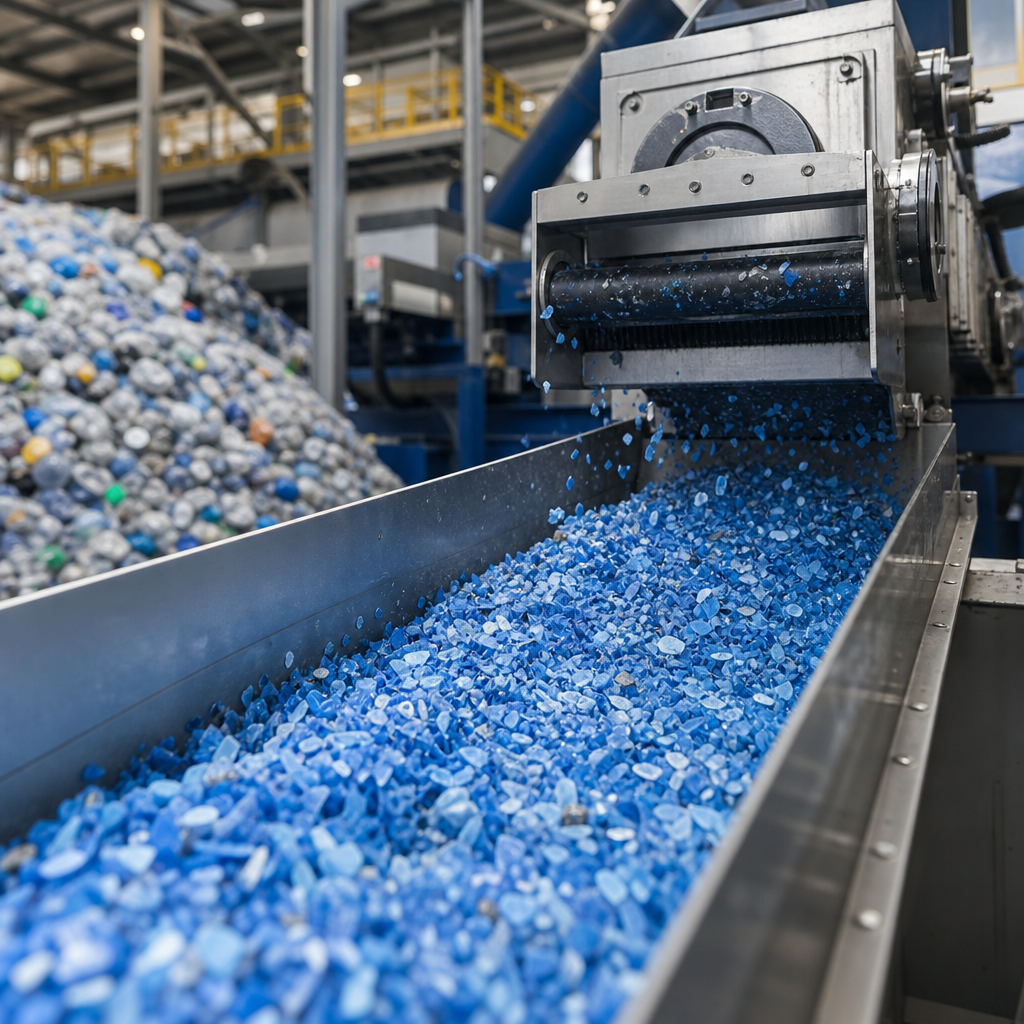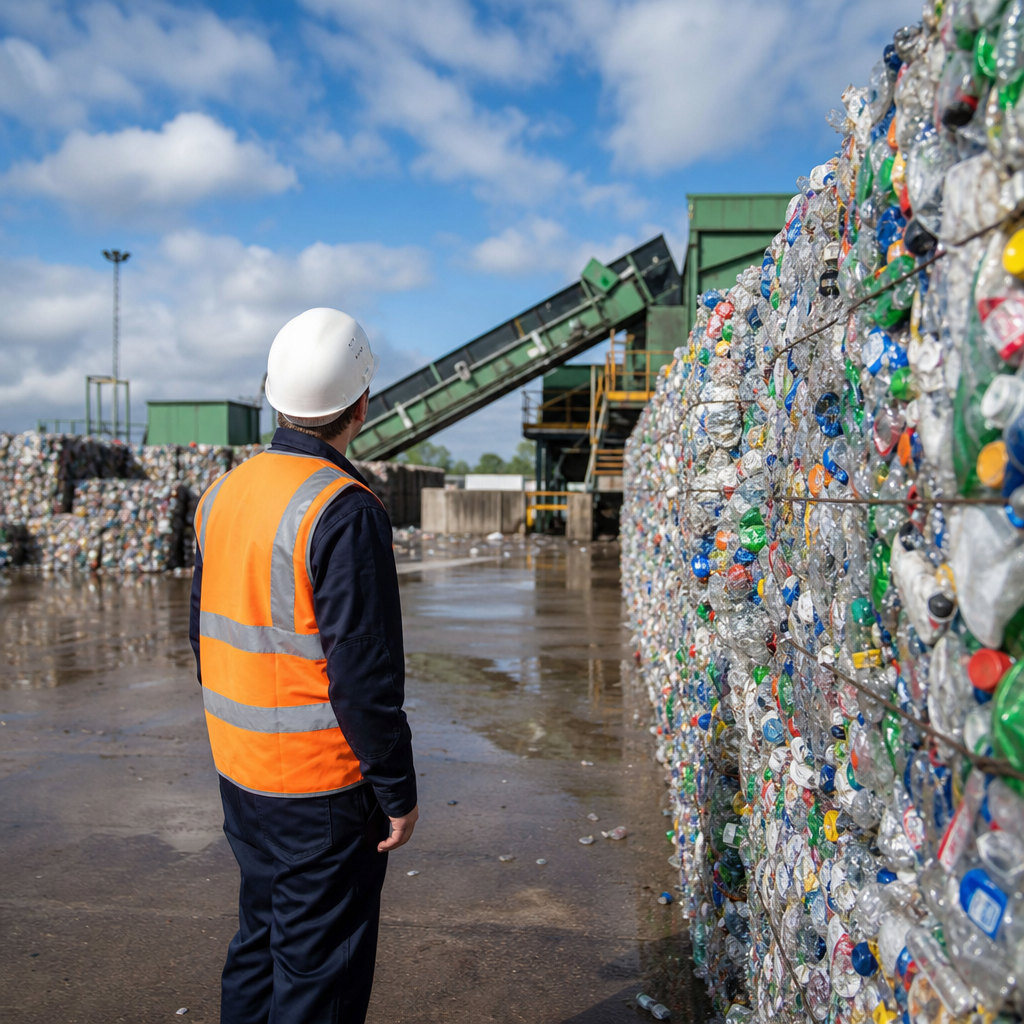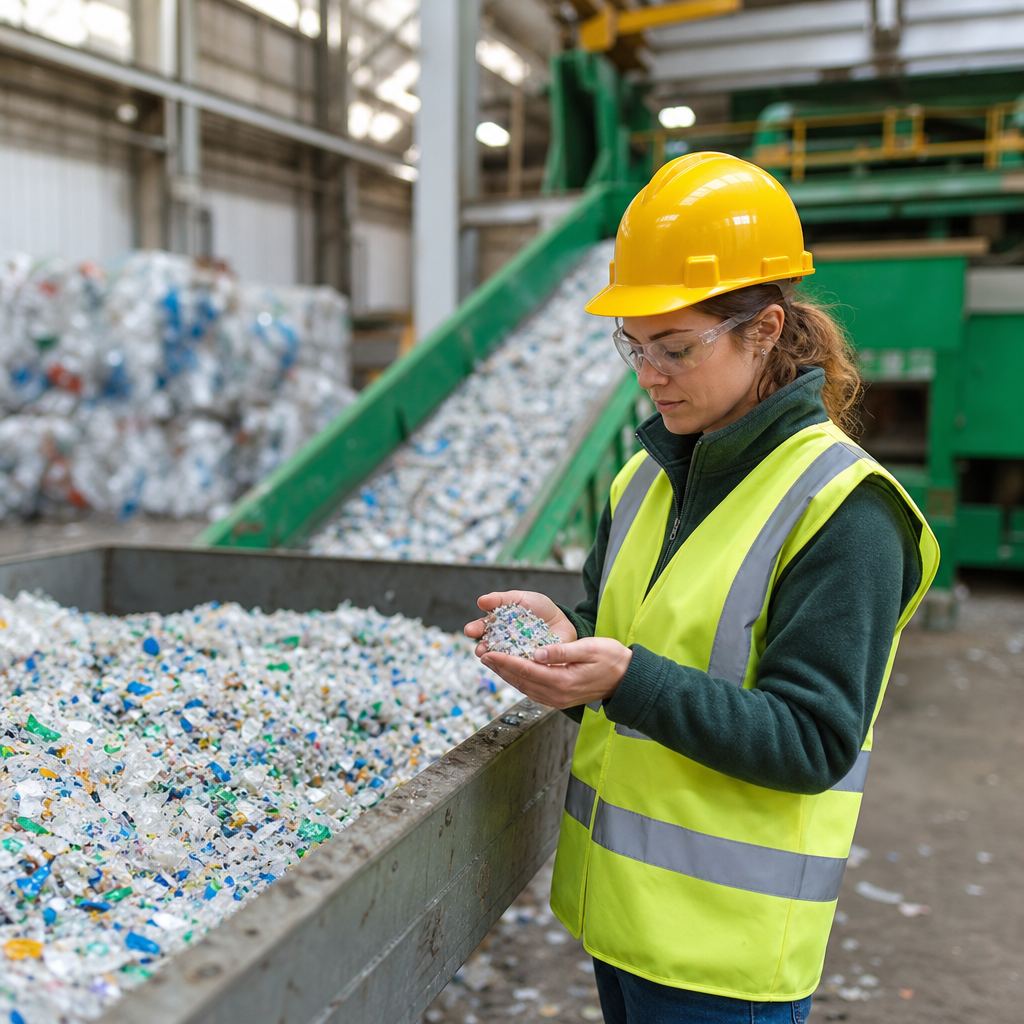
Sustainable packaging has moved from a niche design brief to a core operational priority, and polymers sit at the center of that shift because they determine barrier performance, weight, processing speed, recyclability, and cost all at once. In this case study hub, “polymers” means long-chain materials used to make films, trays, bottles, coatings, foams, and laminates, while “sustainable packaging solutions” refers to packaging systems designed to reduce total environmental burden across sourcing, manufacturing, transport, use, and end-of-life. I have worked on packaging selection projects where the wrong polymer raised spoilage rates, failed line trials, and increased freight emissions despite looking greener on paper. That is why problem-solving with polymers matters: the material choice is never only about resin type. It is about matching product sensitivity, machinery capability, regulation, consumer behavior, and collection infrastructure so the package performs in the real world.
The central lesson from packaging programs across food, personal care, healthcare, and e-commerce is simple: no polymer is inherently sustainable in every application. Polyethylene may be the best answer when downgauging and store drop-off recovery are realistic. Polypropylene can deliver excellent stiffness and heat resistance in mono-material formats. PET remains a benchmark for clarity, gas barrier, and bottle-to-bottle recycling where deposit systems exist. Bio-based and compostable polymers can solve specific contamination or food-waste problems, but they can also complicate waste sorting if deployed carelessly. Effective polymer packaging design starts with a defined problem statement, then uses measurable criteria such as oxygen transmission rate, water vapor transmission rate, seal window, density, recycled content compatibility, and life cycle tradeoffs. This article examines how leading teams solve those problems, what polymer choices actually work, and how to evaluate options across the broader case studies and applications landscape.
Defining the Packaging Problem Before Choosing the Polymer
Most failed sustainable packaging projects begin with a material-first mindset. A brand decides it wants compostable film, recycled plastic, or a paper replacement, then discovers too late that shelf life collapses, the filling line jams, or package damage rises in transit. In practice, polymer selection should begin with the function of the pack. I typically frame the brief around six questions: What is being protected? From which hazards? For how long? Through which supply chain? Under what disposal behavior? At what acceptable cost increase? Those questions convert sustainability from marketing language into engineering parameters.
For a moisture-sensitive snack, the critical failure mode may be texture loss, so water vapor barrier and seal integrity matter more than absolute carbon intensity per kilogram of resin. For fresh poultry, puncture resistance, leak prevention, and modified atmosphere compatibility dominate. For an e-commerce mailer, toughness, stiffness, printability, and dimensional stability under warehouse conditions matter more than transparency. Once those priorities are ranked, polymer screening becomes rational. Teams can compare LDPE, HDPE, PP, PET, EVOH-containing structures, PLA, PHA, starch blends, or fiber-polymer hybrids against a specific duty cycle rather than broad sustainability claims.
This approach also avoids a common blind spot: packaging that reduces plastic mass but increases food waste is rarely a net environmental win. Multiple studies, including work discussed by the Flexible Packaging Association and European food supply assessments, show that the climate impact of wasted food often exceeds that of the package protecting it. In other words, the right polymer is the one that solves the whole system problem, not the one that appears simplest in a procurement spreadsheet.
Case Study Pattern: Lightweight Polyolefin Redesign for Dry Food
A recurring success case in sustainable packaging solutions involves replacing multi-material dry food pouches with simplified polyolefin structures. Traditional laminates often combine PET for stiffness and print quality, metallization or aluminum for barrier, and PE for sealing. These packs perform well but can be difficult to recycle in many municipal systems because they are mixed-material laminates. Several converters and brand owners have tackled this by redesigning pouches around all-PE or PE-dominant structures using orientation, specialty sealants, and thin EVOH layers where permitted.
In one line trial I supported for a cereal-adjacent dry product, the original package used PET/metPET/PE. The redesign shifted to a recyclable PE structure with machine-direction orientation and a tuned sealing layer. The engineering challenge was not simply matching barrier. It was balancing dead-fold behavior, stiffness on the packing line, hot tack, and zipper integration. The final pack reduced overall material weight, maintained distribution performance, and allowed clearer consumer messaging around recycling eligibility in target markets. The lesson is that polymers solve packaging problems when resin choice is integrated with structure design, converting, and line settings. A “sustainable polymer” without process adaptation usually fails.
Polyethylene is often central in these projects because its low density supports source reduction, its sealability is excellent, and film processing is mature. Yet polyethylene alone may not meet oxygen barrier targets. That is where coextrusion, orientation, and compatible barrier layers become practical tools. The best outcomes come when teams validate the entire package with drop tests, burst testing, seal-strength measurement, accelerated aging, and route simulation before commercialization.
Case Study Pattern: PET and rPET in Circular Bottle Systems
PET remains one of the clearest examples of polymers enabling sustainable packaging at scale because the material combines high performance with established recycling pathways in many regions. For beverages, household products, and some personal care formats, PET provides clarity, top-load strength, and strong carbon dioxide and oxygen barrier relative to polyolefins. More importantly, where deposit return systems or robust curbside collection exist, PET can re-enter bottle applications as recycled PET, reducing virgin resin demand and often lowering life cycle emissions.
The practical challenge is maintaining bottle performance while increasing recycled content. Recycled PET can vary in intrinsic viscosity, color, and contaminant profile depending on feedstock and super-clean recycling controls. During one bottle conversion review, the move from low recycled content to a higher rPET percentage required redesigning base geometry, tightening drying parameters, and refining stretch blow molding conditions. The polymer itself was not the only variable. Moisture control before processing mattered because PET hydrolyzes if improperly dried, reducing molecular weight and mechanical properties.
Regulation and food-contact compliance also shape the solution. In the United States, recycled PET intended for food-contact use typically relies on processes evaluated through FDA no objection letters. In Europe, EFSA has set similarly rigorous expectations around decontamination efficiency. The sustainability gain is real, but it depends on disciplined quality systems, sortation purity, and bottle design that supports recycling rather than undermines it with incompatible labels, sleeves, pigments, or adhesives.
| Packaging problem | Polymer approach | Main benefit | Key limitation |
|---|---|---|---|
| Dry food pouch recycling challenge | All-PE or PE-dominant flexible structure | Mono-material recovery potential and downgauging | Lower barrier than complex laminates without design changes |
| Bottle circularity and recycled content | PET with increasing rPET content | Established bottle recycling loops in many markets | Quality variation and processing sensitivity |
| Hot-fill or microwaveable rigid pack | PP mono-material tray or tub | Heat resistance and stiffness-to-weight balance | Collection and sorting rates vary by region |
| Compostable food-service item | PLA or PHA in controlled applications | Useful where food contamination blocks recycling | Requires suitable composting infrastructure |
Case Study Pattern: Polypropylene for Mono-Material Rigid Packaging
Polypropylene has become increasingly important in problem-solving with polymers because it can replace more complex rigid packaging systems with lighter mono-material alternatives. In tubs, caps, closures, microwaveable trays, and hinged containers, PP offers a useful mix of stiffness, chemical resistance, fatigue resistance, and elevated temperature performance. That makes it a practical candidate when brands want to simplify structures and improve recyclability without sacrificing consumer convenience.
A good example is dairy and ready-meal packaging. Historically, some packs relied on combinations of polymers plus separate barrier labels or multilayer trays that were difficult to recover. Newer designs use clarified PP for appearance, mineral-filled PP for stiffness, and in-mold labeling or wash-off labels tuned for recycling. The gains are operational as well as environmental. PP often runs efficiently in thermoforming and injection molding, and the lower density versus PET can reduce mass for the same pack count. However, stiffness and impact can trade off, especially at low temperatures, so formulation and geometry need careful testing.
One of the most valuable lessons from PP projects is that design for recycling is more than a resin specification. Pigments, adhesives, tamper bands, barrier layers, and even label size can influence sortability and reprocessor yield. A mono-material PP pack burdened with incompatible components may perform worse in practice than expected. The strongest case studies therefore combine polymer simplification with packaging guidelines from bodies such as APR in North America or RecyClass in Europe.
Bio-Based and Compostable Polymers: Where They Work and Where They Do Not
Bio-based and compostable polymers generate intense interest because they appear to offer an escape from fossil feedstocks and persistent waste, but the case studies are mixed. PLA, PHA, PBS, and starch-based blends can be effective in targeted applications, especially where food contamination makes recycling unlikely or where local organics collection can capture the package after use. Food-service ware, produce labels, coffee capsules in controlled systems, and certain agricultural films are typical examples. In these cases, the polymer solves a disposal problem tied to the use environment.
However, these materials are not universal replacements for conventional packaging polymers. PLA has relatively low heat resistance unless modified, can be brittle in some formats, and requires industrial composting conditions for reliable breakdown. PHA offers promising biodegradation behavior, including in some natural environments, but supply, cost, and processing consistency remain developing areas. I have seen brands switch to compostable films for snack applications only to reverse course when sealing reliability and oxygen barrier proved inadequate at scale.
The key principle is fit-for-system. If a compostable polymer enters a region without industrial composting access, the sustainability claim weakens considerably. If consumers cannot distinguish compostable from recyclable plastics, contamination rises. For that reason, successful programs pair polymer choice with disposal pathway design, clear labeling, and local waste management engagement. The polymer can be part of the solution, but only when the recovery route is as carefully engineered as the package itself.
Barrier Engineering, Shelf Life, and the Hidden Sustainability Equation
When packaging teams talk about sustainable materials, they often focus on resin origin or recyclability. In practice, barrier engineering is just as important because it controls product waste, safety margins, and distribution range. Oxygen-sensitive products such as coffee, nuts, processed meats, and many pharmaceuticals need low oxygen transmission to maintain flavor, color, potency, or microbial stability. Moisture-sensitive products need water vapor control. Light-sensitive products may need opacity or UV screening. These requirements shape polymer choice more than broad sustainability preferences.
EVOH, polyamide, metallization, silicon oxide coatings, and plasma treatments are common barrier strategies. The sustainability challenge is that adding barrier often complicates recycling. The packaging engineer’s task is therefore to use the minimum effective barrier, place it strategically, and confirm that it preserves the product long enough to avoid waste. One coffee pouch redesign I reviewed looked excellent on recyclability criteria but allowed aroma loss and staling in summer distribution. The redesign had to restore barrier through structure optimization. That extra complexity was justified because the package once again protected the product it existed to serve.
Life cycle assessment helps here, but only when grounded in realistic assumptions. Comparing polymers by resin emissions alone is misleading. A credible packaging LCA considers package weight, manufacturing energy, transport efficiency, product loss, recycled content, and end-of-life scenarios. The right answer is often application-specific, which is why strong case studies always state the product, geography, and waste system context.
Scaling Polymer Innovation from Pilot to Commercial Reality
The final packaging solution is rarely determined in the materials lab. It is determined during scale-up, where polymers meet equipment, procurement constraints, regulation, and consumer behavior. Commercial success depends on seal window robustness, coefficient of friction, slip and antiblock balance, scuff resistance, print adhesion, dimensional consistency, and warehouse performance. A polymer structure that works on a pilot line but fails at production speed is not a sustainable solution; it is an expensive detour.
For that reason, the strongest sustainable packaging programs use stage gates. They begin with problem definition, then move through resin screening, prototype conversion, package testing, line trials, distribution simulation, and market validation. They also involve recyclers and waste system stakeholders earlier than many teams expect. I have found that bringing a reclaimer or materials recovery facility perspective into the project before artwork approval prevents late redesigns and misleading environmental claims.
As a hub for problem-solving with polymers, this topic connects directly to deeper articles on mono-material flexible packaging, recycled content in PET and polyolefins, compostable polymer case studies, barrier design, and design-for-recycling standards. The unifying insight is straightforward: sustainable packaging solutions emerge when polymer science is applied as systems engineering. Define the problem precisely, select the polymer for the full duty cycle, verify performance with data, and align the end-of-life route with actual local infrastructure. If you are building or revising a packaging portfolio, start with one SKU, map its failure modes, and let the polymer choice follow the evidence.
Frequently Asked Questions
What role do polymers play in sustainable packaging solutions?
Polymers are foundational to sustainable packaging because they influence nearly every performance and environmental outcome in a packaging system. In practical terms, polymers are the materials that form films, trays, bottles, coatings, foams, and multilayer structures, so their chemistry and design determine barrier protection, durability, sealing behavior, weight, machinability, and end-of-life options. A well-chosen polymer can extend shelf life, reduce food waste, lower transportation emissions through lightweighting, and improve packaging efficiency on high-speed production lines. That is why polymer selection is rarely just a material decision; it is a full system decision.
In a case study setting, polymers often sit at the center of trade-offs. For example, a brand may want to reduce plastic use, but switching to a heavier material could increase transport emissions or product damage. Another company may aim for recyclability, but if the new format compromises moisture or oxygen barrier performance, the result may be shorter shelf life and more spoilage. Sustainable packaging therefore depends on balancing resource use, functionality, cost, and recovery pathways. The best-performing solutions usually come from matching polymer properties to the specific product, distribution environment, and disposal infrastructure rather than assuming one material is universally sustainable.
How do companies evaluate whether a polymer-based packaging format is truly sustainable?
Companies typically assess sustainability by looking at the total environmental burden across the packaging life cycle, not just the material label or appearance. This includes raw material sourcing, resin production, package conversion, transportation, product protection, filling line performance, consumer use, and end-of-life handling. A package that uses less material but causes higher breakage or food waste may perform worse overall than a slightly heavier option. That is why many packaging teams use life cycle assessment, or LCA, along with shelf-life testing, logistics modeling, and recovery analysis to compare alternatives in a structured way.
In real-world case studies, the evaluation framework usually includes several core questions: Does the polymer reduce total material use through downgauging or lightweighting? Does it preserve product quality with the barrier properties required for the application? Can it run efficiently on existing equipment without increasing scrap rates or energy consumption? Is it compatible with current recycling streams, reuse systems, or composting programs where those systems actually exist? And does it support business goals around cost stability, regulatory compliance, and consumer expectations? A polymer-based package is most credibly described as sustainable when it performs well across these dimensions, not when it excels in only one.
Why are barrier performance and recyclability often in tension in polymer packaging design?
Barrier performance and recyclability can pull packaging design in different directions because the features that protect products are not always the same features that support easy material recovery. Many products, especially foods, beverages, personal care items, and medical goods, need protection from oxygen, moisture, light, aroma transfer, grease, or contamination. To achieve that, packaging engineers may combine multiple polymers or add coatings, tie layers, or functional treatments. These structures can dramatically improve performance and reduce spoilage, but they may also make the package harder to sort, recycle, or reprocess in conventional systems.
This tension is one of the most important themes in sustainable packaging case studies. A simple mono-material film may be easier to recycle in principle, but if it cannot deliver the necessary shelf life, the sustainability gain may disappear when waste is considered. On the other hand, an advanced multilayer laminate may protect the product extremely well but create end-of-life limitations. The most effective solutions often involve redesigning the package so that performance is preserved with fewer incompatible layers, using recyclable barrier technologies where available, or shifting to formats that align better with collection and reprocessing infrastructure. The key point is that sustainable progress comes from optimizing the entire package-product system, not from maximizing a single attribute in isolation.
What kinds of polymers are commonly explored in sustainable packaging case studies?
Sustainable packaging case studies often examine both conventional and emerging polymers, because sustainability outcomes depend heavily on application fit rather than on whether a material is new or familiar. Common materials include polyethylene and polypropylene for films, pouches, closures, and rigid containers; PET for bottles, trays, and thermoformed applications; and various specialty polymers for coatings, sealing layers, and structural support. These materials are often studied because they are lightweight, processable at scale, and supported to varying degrees by existing recycling systems. In many cases, the sustainability gains come not from replacing them outright, but from redesigning structures to use less material, improve recoverability, or incorporate recycled content.
Case studies may also explore bio-based polymers, compostable materials, and hybrid formats, particularly when specific use cases call for them. However, the most authoritative analyses do not assume these options are automatically better. They examine whether the polymer meets functional requirements, whether the supply chain can support consistent quality and volume, whether claims are substantiated, and whether the end-of-life route is realistic in the target market. For example, a compostable polymer may be beneficial in a tightly controlled food-service environment, while a recyclable polyolefin structure may be more effective in a retail setting with stronger recycling access. The most valuable case studies show how polymer selection depends on performance needs, infrastructure, economics, and regional policy conditions.
What lessons do case studies typically reveal about improving sustainable packaging with polymers?
One of the clearest lessons is that incremental polymer redesign can produce meaningful sustainability gains without sacrificing commercial viability. Many successful case studies focus on reducing gauge, eliminating unnecessary layers, substituting lower-impact structures, improving seal integrity, or increasing recycled content while maintaining performance. These changes may sound modest, but at scale they can lower material consumption, reduce freight weight, improve line efficiency, and cut waste across millions of units. In other words, sustainability progress in packaging often comes from disciplined engineering and systems thinking rather than dramatic material overhauls alone.
Another major lesson is that collaboration matters. Strong outcomes usually emerge when resin suppliers, converters, brand owners, machinery teams, recyclers, and sustainability specialists work together early in development. That collaboration helps teams identify hidden constraints, such as sorting limitations, line-speed issues, or regulatory requirements, before they become expensive problems. Case studies also show that the most durable improvements are backed by data: measured shelf-life impact, validated LCA findings, operational KPIs, and clear end-of-life assumptions. The broader takeaway is that polymers remain essential to sustainable packaging solutions not because they offer one perfect answer, but because they can be engineered, processed, and optimized to deliver better total system performance when decisions are grounded in evidence.