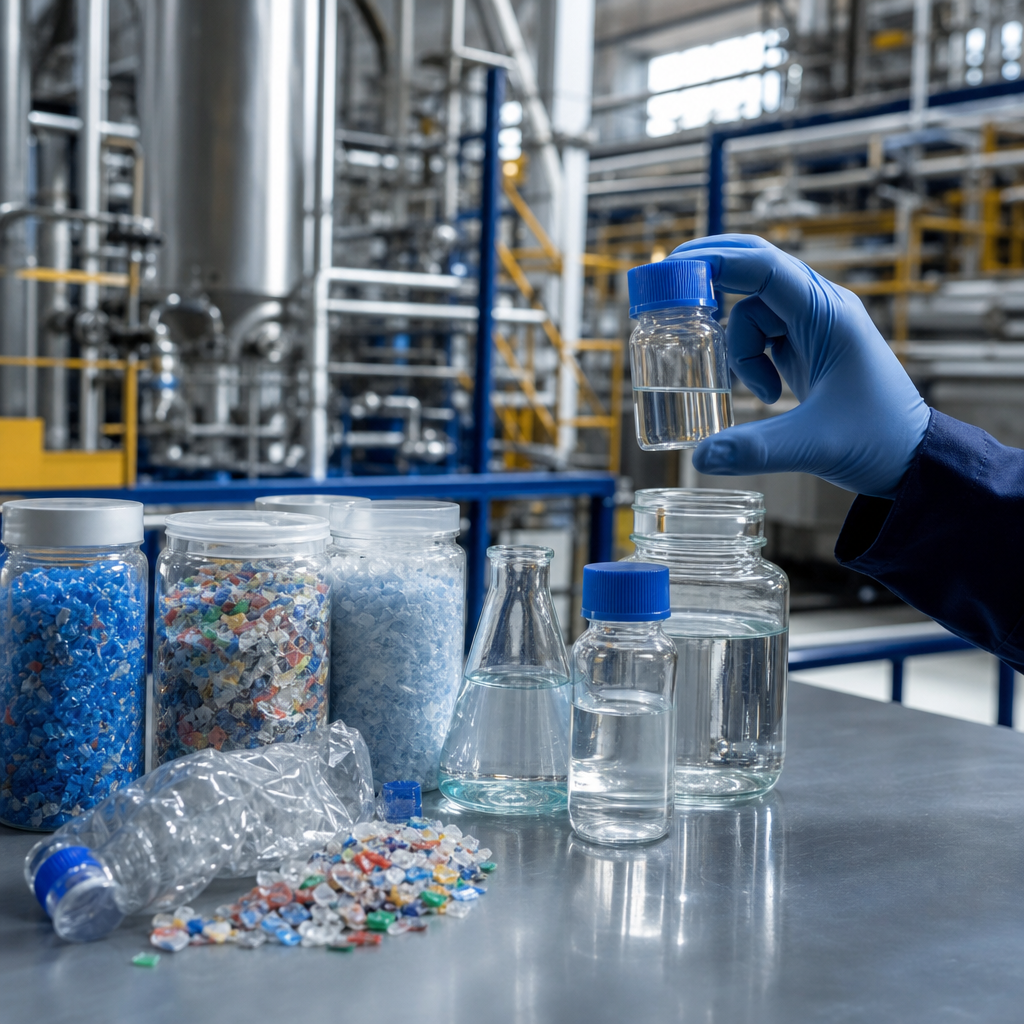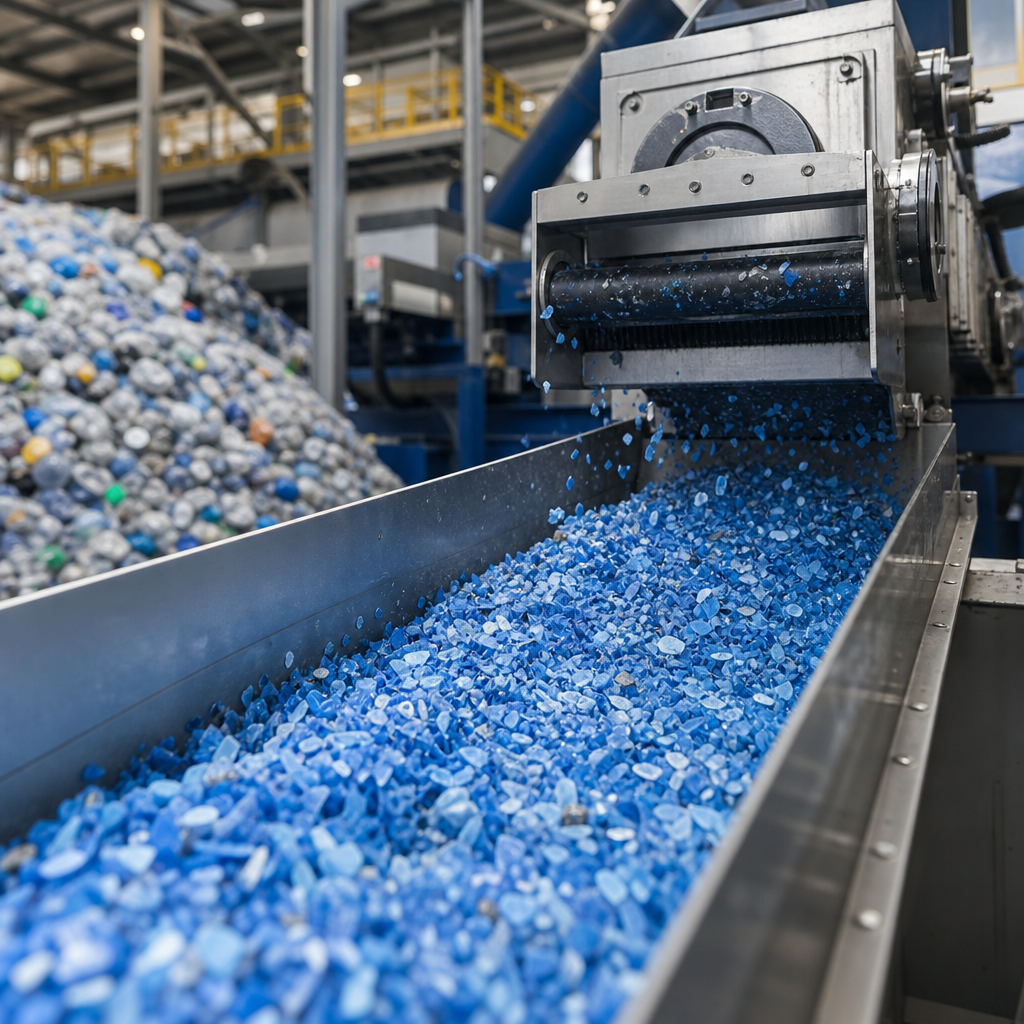
Polymers improved the safety of consumer products by making everyday goods lighter, tougher, cleaner, more tamper resistant, and easier to design around real human behavior. In materials science, a polymer is a large molecule built from repeating units; in practical manufacturing, it is the family of materials behind impact resistant helmets, sterile medical packaging, child resistant caps, insulated power cords, shatter resistant lenses, and flame managed appliance housings. When I have worked with product teams on material selection, the safety discussion rarely starts with chemistry alone. It starts with failure modes: What breaks, leaks, ignites, contaminates, cuts, shocks, or reaches a child too easily? Polymers matter because they can be engineered to address each of those risks with precise combinations of flexibility, barrier performance, dielectric strength, transparency, and toughness.
This topic sits at the center of problem-solving with polymers because safety is one of the clearest reasons these materials replaced glass, metal, paperboard, wood, and unmodified rubber in many consumer applications. A safer product is not simply one that survives a lab test. It is one that reduces injury probability across transport, storage, daily use, misuse, and disposal. That broader view explains why polyethylene terephthalate bottles reduced breakage injuries compared with glass in many beverage settings, why polycarbonate and acrylic transformed protective eyewear, and why thermoplastic elastomers improved grip on tools and personal care devices used with wet hands. Standards bodies such as ASTM, ISO, UL, and the U.S. Consumer Product Safety Commission evaluate safety outcomes through repeatable tests, but polymers often make compliance achievable in the first place.
Consumer product safety also depends on scale. A material that performs well in one premium device but cannot be molded consistently at millions of units is not a complete answer. Polymers excel here because they support high volume manufacturing with tight tolerances, integrated features, and repeatable quality control. Injection molding can combine snap fits, rounded edges, ventilation channels, and impact dispersing ribs in a single part, reducing assembly errors and eliminating sharp metal fasteners. Extrusion and blow molding allow sealed packages and smooth tubing that reduce contamination risks. Coextrusion creates multilayer barriers for food and pharmaceuticals. As a hub for case studies and applications, this article explains how polymers solve safety problems across packaging, electronics, home goods, toys, transportation accessories, and health related consumer products, while also showing where tradeoffs and limits still matter.
Impact Protection and Shatter Resistance in Everyday Products
One of the most visible safety gains from polymers is impact management. Brittle materials fail suddenly, often producing sharp fragments. Many polymers deform before breaking, absorbing energy and reducing laceration risk. Polycarbonate is a leading example. It combines high impact strength with optical clarity, which is why it appears in safety glasses, face shields, machine guards, reusable drinkware, and some transparent appliance covers. Acrylic, or polymethyl methacrylate, offers excellent clarity and weather resistance, though it is generally less impact resistant than polycarbonate. In practice, teams choose between them by matching the hazard profile: if scratch resistance and outdoor appearance dominate, acrylic may fit; if impact is the primary risk, polycarbonate usually wins.
The improvement is not abstract. Protective eyewear standards such as ANSI Z87.1 and related industrial test methods exist because flying particles and blunt impacts are predictable hazards. A polymer lens can survive an impact that would crack mineral glass and send fragments toward the eye. Similar reasoning applies to sports visors, refrigerator bins, shower enclosures, and children’s products with transparent windows. In toys and household storage, polypropylene and high density polyethylene are widely used because they bend rather than splinter, and they tolerate repeated drops. Engineers also use polymer foams, including expanded polystyrene and expanded polypropylene, to manage energy in helmets, bicycle accessories, and protective packaging. The foam crushes in a controlled way, lengthening deceleration time and lowering peak force on the user or the protected item.
Design amplifies the material benefit. Rib patterns, wall thickness transitions, living hinges, and overmolded elastomer zones allow polymer parts to distribute stress instead of concentrating it. I have seen a housing pass drop testing not because the resin changed, but because the corner geometry and knit line placement were redesigned around the polymer’s flow and fracture behavior. Safety comes from the system, yet polymers give designers more room to build that system effectively than many rigid alternatives.
Electrical Insulation, Heat Management, and Fire Safety
Another major safety contribution is electrical protection. Many polymers are excellent insulators, making them essential in cords, plugs, chargers, outlet strips, appliance housings, and battery separators. Polyvinyl chloride has long been used in cable insulation because it combines flexibility, dielectric performance, and low cost. Cross linked polyethylene is common in higher performance wire systems because it handles heat better than standard polyethylene. In consumer electronics, engineering thermoplastics such as polybutylene terephthalate, polyamide, and polycarbonate blends provide dimensional stability around connectors and internal components. These materials help prevent accidental contact with live parts while maintaining creepage and clearance distances required by product safety standards.
Heat and flame behavior are more complicated. A polymer that insulates electrically can still soften, drip, or burn if selected poorly. That is why appliance makers rely on flammability classifications such as UL 94, using grades designed for V-0 or other target ratings where needed. Flame retardant systems, mineral fillers, and glass reinforcement can improve performance, but they can also affect impact strength, color, processability, and recycling routes. Good safety engineering does not assume all plastics are inherently safe around heat; it specifies the exact resin grade, wall thickness, ignition scenario, and enclosure function. For battery powered devices, this detail is critical because thermal runaway events can escalate quickly if neighboring materials ignite or channel heat.
Polymers also improve burn prevention in a simpler way: they stay cooler to the touch than metal because of lower thermal conductivity. Kettle handles, cookware grips, hair tool casings, and power tool housings often use phenolics, nylons, silicones, or thermoplastic elastomers to reduce contact burns. The safety value is practical and immediate. A user does not need to understand thermal conductivity to benefit from a handle that remains usable under normal operating temperatures.
Food, Beverage, and Pharmaceutical Packaging Safety
Packaging is one of the clearest case studies in problem-solving with polymers because it combines barrier science, hygiene, tamper evidence, and injury prevention. Polyethylene, polypropylene, polyethylene terephthalate, ethylene vinyl alcohol, and multilayer laminates each solve a different safety problem. High density polyethylene milk jugs resist impact in cold supply chains. PET beverage bottles provide clarity and carbon dioxide retention while avoiding the shatter risk of glass. Polypropylene closures hold threads accurately and support reliable seal torque. For oxygen sensitive foods, multilayer structures may include EVOH to limit spoilage, preserving product integrity and lowering foodborne risk.
Safety features extend beyond chemistry. Polymers allow tamper evident bands, induction seal liners, child resistant closures, unit dose blisters, and sterile peelable pouches. In pharmaceuticals, blister packs made from PVC, PVDC coated films, cyclic olefin polymers, or aluminum laminate structures can protect tablets from moisture and handling contamination while improving dose tracking. In food packaging, modified atmosphere trays and lidding films help slow microbial growth and oxidation. The result is not just longer shelf life; it is a reduction in consumer exposure to degraded or contaminated products.
| Application | Common Polymer | Primary Safety Benefit | Typical Tradeoff |
|---|---|---|---|
| Beverage bottle | PET | Shatter resistance and lightweight transport | Heat resistance is limited |
| Milk jug | HDPE | Impact resistance and chemical durability | Less gas barrier than multilayer options |
| Child resistant cap | PP | Precise threads and repeatable closure function | Needs careful design to remain senior friendly |
| Blister pack | PVC or cyclic olefin polymer | Moisture protection and tamper visibility | Material combinations can complicate recycling |
| Sterile medical pouch | PE film laminate | Seal integrity and contamination control | Puncture resistance varies by structure |
There are limits. Concerns about migration, extractables, and leachables require careful compliance work, especially for fatty foods, hot fill products, and drug contact packaging. Reputable manufacturers test against FDA, EU, and pharmacopeial requirements rather than assuming a familiar polymer is automatically suitable in every formulation. Safe packaging depends on resin selection, additives, processing cleanliness, and end use conditions together.
Child Safety, Ergonomics, and Safer Product Interaction
Many consumer injuries happen not because a product catastrophically fails, but because normal use is awkward, slippery, confusing, or too accessible to children. Polymers improve safety by shaping interaction. Thermoplastic elastomers add grip to toothbrushes, razors, kitchen utensils, and mobility aids, reducing slips in wet environments. Soft touch overmolding on power tools and e-bikes helps users maintain control under vibration. Silicone seals and gaskets create predictable closure feel in bottles, lunch containers, and small appliances, reducing leaks and misuse. These are small design decisions with measurable safety consequences.
Child resistant packaging is a strong example of polymer enabled safety engineering. The closure must frustrate a young child while remaining usable for older adults, caregivers, and patients with reduced dexterity. Polypropylene and polyethylene dominate because they mold precise threads, flexural elements, and push turn features repeatedly at scale. Success depends on geometry, torque windows, and material creep behavior over time. If a cap relaxes too much in storage, the lock weakens; if it is too stiff, adults may leave it unsecured. Teams validate this balance through protocol driven testing with children and seniors, not guesswork.
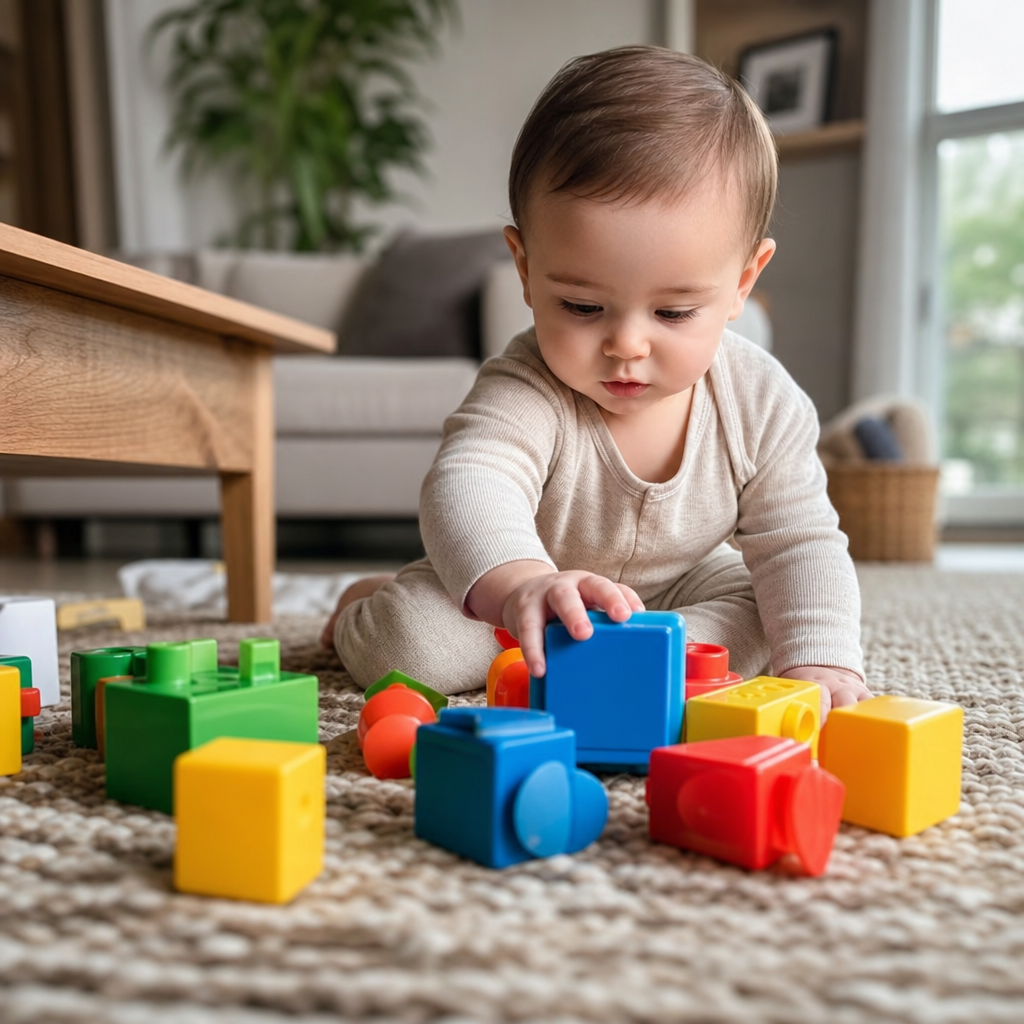
Toys and juvenile products also benefit from polymers that eliminate pinch points, sharp edges, toxic coatings, and heavy components. Modern standards for phthalates, lead, small parts, and flammability have pushed manufacturers toward carefully specified thermoplastics and elastomers. In stroller wheels, crib accessories, and feeding products, material choice affects not only durability but also cleanability and bacterial retention. A smoother molded surface with fewer assembled seams can be easier to sanitize and less likely to trap debris than a multipart design made from mixed materials.
Durability, Weathering, and Safety Over the Product Life Cycle
A product can be safe on day one and hazardous a year later if sunlight, moisture, chemicals, or repeated loading degrade the material. Polymers improved safety by enabling better control over aging. Outdoor products often use ultraviolet stabilizers, antioxidants, and pigment systems to slow embrittlement and discoloration. Polyethylene playground components, polypropylene outdoor storage, and acrylic lighting lenses all rely on additive packages to maintain mechanical integrity. In automotive child seats and helmets, long term performance matters because impact properties can decline after heat exposure or UV aging. Responsible brands specify accelerated weathering tests and shelf life guidance rather than assuming indefinite performance.
Chemical resistance is another life cycle safety issue. Detergent bottles, fuel containers, cosmetic dispensers, and cleaning tool parts encounter substances that can crack certain plastics under stress. Environmental stress cracking in polyethylene, solvent attack in acrylic, and hydrolysis in some polyesters are well documented failure modes. The fix is not to avoid polymers; it is to match the polymer to the chemical environment and the expected load. When this is done well, the product remains safe throughout repeated use, refill, and storage. When it is ignored, the same convenience that polymers enable can become a hazard.
Durability also supports indirect safety. Lightweight polymer components reduce lifting strain in vacuum cleaners, luggage, water pitchers, and home care equipment. Corrosion resistant housings keep electrical devices safer in humid bathrooms and kitchens. Transparent impact resistant covers let users inspect moving parts or fluid levels without disassembly. Over years of field work, these practical safety gains often matter more than dramatic laboratory claims because they shape the real conditions under which people interact with products every day.
Tradeoffs, Regulation, and the Future of Safer Polymer Use
Polymers are not automatically the safest choice in every application, and honest assessment requires acknowledging the tradeoffs. Some grades burn readily without flame management. Others scratch, creep under load, or become brittle at low temperature. Additives that improve one safety property can complicate another, as seen when flame retardants alter recyclability or when plasticizers affect flexibility and migration concerns. Regulations and standards exist to manage these tensions. Depending on the product category, developers may need to meet FDA food contact rules, CPSIA limits for children’s products, REACH substance restrictions, RoHS electrical requirements, ISO biocompatibility expectations, or UL flammability targets. Safety is therefore a compliance process as much as a material property.
The next phase of problem-solving with polymers is focused on doing more with fewer compromises. Mono-material packaging aims to preserve barrier and seal performance while improving recyclability. Bio-based polymers and mechanically or chemically recycled resins are being qualified for more consumer uses, though they still require rigorous testing for consistency and contamination. Safer flame retardant chemistry, halogen free cable compounds, and low migration additive systems are becoming more common. Digital tools such as finite element analysis, mold flow simulation, and accelerated aging models now let engineers predict weak points before tooling is cut. Combined with failure analysis methods such as DSC, FTIR, and SEM, these tools make polymer safety engineering increasingly evidence driven.
The central lesson is straightforward. Polymers improved the safety of consumer products because they let manufacturers design against specific hazards with a level of precision, scalability, and usability that many traditional materials cannot match. They reduce shattering, insulate electricity, preserve sterile and food safe conditions, support child resistant and ergonomic features, and maintain performance across repeated use when properly specified. They also demand disciplined engineering, standard based validation, and clear-eyed attention to tradeoffs. If you are building out a deeper understanding of case studies and applications, use this hub as your starting point, then examine each product category through the same lens: identify the hazard, map the failure mode, and ask which polymer system solves it most safely.
Frequently Asked Questions
What does it mean to say polymers made consumer products safer?
When people say polymers improved the safety of consumer products, they are usually talking about how these materials helped manufacturers solve real-world hazards more effectively than many older materials could on their own. Polymers can be engineered to absorb impact, resist cracking, insulate against electricity, block moisture and contamination, reduce weight, and withstand repeated use. That combination matters because product safety is rarely about one dramatic feature. It is usually about reducing many everyday risks at once, including drops, cuts, electric shock, contamination, burns, and misuse.
For example, a polymer housing on an appliance can be designed to help manage heat, reduce access to live electrical parts, and avoid sharp fractured edges if the product is bumped or dropped. In protective gear such as helmets, polymers can be selected for toughness and energy absorption, helping spread and reduce the force of impact. In packaging, polymers can create sterile barriers for medical products and tamper-evident features for consumer goods. In eyewear, polymer lenses can offer shatter resistance that lowers the chance of dangerous fragments reaching the eye.
Another major safety advantage is design flexibility. Polymers are easier to mold into complex forms than many traditional materials, which allows engineers to add rounded edges, textured grips, sealed compartments, child-resistant mechanisms, and ergonomic shapes that guide proper use. In practice, that means polymers did not just replace heavier or more fragile materials. They made it possible to redesign products around actual human behavior, including accidental drops, hurried handling, and repeated daily contact.
How do polymers help make products lighter without making them weaker?
One of the biggest safety gains from polymers is the ability to reduce product weight while still delivering useful strength, toughness, and durability. A lighter product is often a safer product because it is easier to carry, easier to control, less fatiguing to use, and less likely to cause injury if it falls or strikes something. That is especially important in items such as helmets, child products, household tools, appliance housings, luggage, and electronic devices that people handle often.
Polymers achieve this because many of them have a favorable balance of low density and strong mechanical performance. Engineers can also reinforce polymers with additives, fibers, and fillers to improve stiffness, impact resistance, or thermal behavior while still staying below the weight of comparable metal or glass components. Just as important, polymers can be molded into ribbed, curved, and honeycombed shapes that increase structural performance without requiring thick, heavy walls. In other words, safety does not come only from the material itself, but also from the geometry the material makes possible.
That weight reduction has direct safety consequences in consumer use. A lighter power tool or kitchen appliance is easier to stabilize during use. A lighter helmet is more likely to be worn correctly and consistently because it is more comfortable. A lighter product is also less likely to injure someone during transport or accidental dropping. So the safety improvement is not simply that polymers are “strong enough.” It is that they enable strong, durable, lower-mass designs that better fit the way people actually use products.
Why are polymers so important in packaging safety and hygiene?
Polymers became central to packaging safety because they are exceptionally good at creating controlled barriers between a product and the outside environment. Depending on the polymer and the package design, they can help keep out moisture, oxygen, dirt, microbes, and chemical contaminants. That is crucial for foods, medicines, personal care items, and medical products, where contamination control is directly tied to consumer safety.
In sterile and hygienic packaging, polymers can be formed into films, pouches, trays, seals, liners, and rigid containers that maintain cleanliness from the factory to the point of use. Medical packaging is a strong example. The package must protect the device, preserve sterility, and still open in a predictable way when needed. Polymers make that balance possible because they can be tuned for seal strength, puncture resistance, transparency, flexibility, and compatibility with sterilization processes. For consumer goods, these same strengths help create leak-resistant bottles, resealable containers, and tamper-evident features that give users visible signs if a product may have been opened or compromised.
Polymers also help with safety by reducing breakage. Compared with brittle materials, polymer packaging is often less likely to shatter into sharp fragments during shipping, storage, and home use. That lowers injury risk and helps preserve the integrity of the contents. In many cases, transparent polymers also let consumers inspect the product visually without opening the package, which supports safer purchasing and use. Altogether, polymers improved packaging safety not only by protecting what is inside, but also by making packaging cleaner, tougher, and more informative for the end user.
How do polymers improve child safety and tamper resistance in everyday products?
Polymers have been extremely valuable in the development of child-resistant and tamper-resistant product features because they can be molded with precision into complex closures, hinges, snaps, seals, and breakaway elements. That matters for products such as medicine bottles, cleaning supplies, cosmetics, and food containers, where the safety goal is often twofold: prevent unintended access while still allowing adults to use the product correctly.
Child-resistant caps are a classic example. Many rely on carefully engineered polymer components that require a coordinated action such as push-and-turn, squeeze-and-turn, or align-and-lift. These mechanisms take advantage of the material’s flexibility, dimensional consistency, wear resistance, and ability to return to shape after repeated use. The cap has to keep working after many opening cycles, and polymers are well suited to that demand when properly designed. At the same time, tamper-evident bands, tear strips, induction-sealed liners, and snap features can show whether a package has been opened, altered, or damaged before purchase.
There is also a broader human-factors benefit. Polymers make it easier to design closures and product forms that guide user behavior. Texture can indicate where to grip. Shape can suggest how to open. Color coding and molded icons can improve clarity. Rounded forms can reduce cuts and pinches. These details may seem small, but they are a major part of modern product safety. A safer product is not only one that is made from durable material. It is one that is designed to reduce foreseeable misuse, and polymers gave manufacturers far more freedom to build those protections into the product itself.
Are polymers safer than traditional materials like glass, metal, or ceramics in all products?
No material is automatically safer in every application, and that includes polymers. The real advantage of polymers is that they can be tailored to fit specific safety requirements extremely well. In some cases, a polymer is clearly the best option, such as shatter-resistant lenses, insulated electrical cord jackets, flexible medical tubing, impact-managing helmet shells and liners, or appliance housings designed to reduce access to hazardous internal components. In other cases, metals, glass, ceramics, or composites may still be preferred because they offer superior heat resistance, scratch resistance, chemical resistance, long-term stiffness, or other performance traits the product requires.
What changed with polymers is that engineers gained a much larger design toolkit. Instead of accepting the limitations of a rigid, heavy, brittle, or electrically conductive material, they could select from many polymer types and formulations with different strengths. Some are optimized for impact resistance. Others for flame management, transparency, flexibility, sterilizability, weatherability, or electrical insulation. That makes it possible to match the material more closely to the actual risks a consumer product faces in normal use and foreseeable misuse.
It is also important to understand that polymer safety depends on responsible design, testing, and manufacturing. A polymer part has to be chosen for the right environment, molded correctly, and evaluated for stresses such as heat, sunlight, chemicals, repeated loading, and aging. High-quality consumer safety comes from the combination of material selection, product engineering, regulatory compliance, and user-centered design. So the best conclusion is not that polymers replaced all traditional materials, but that they dramatically expanded the ability of manufacturers to make products lighter, tougher, cleaner, more tamper resistant, and better adapted to real human use.