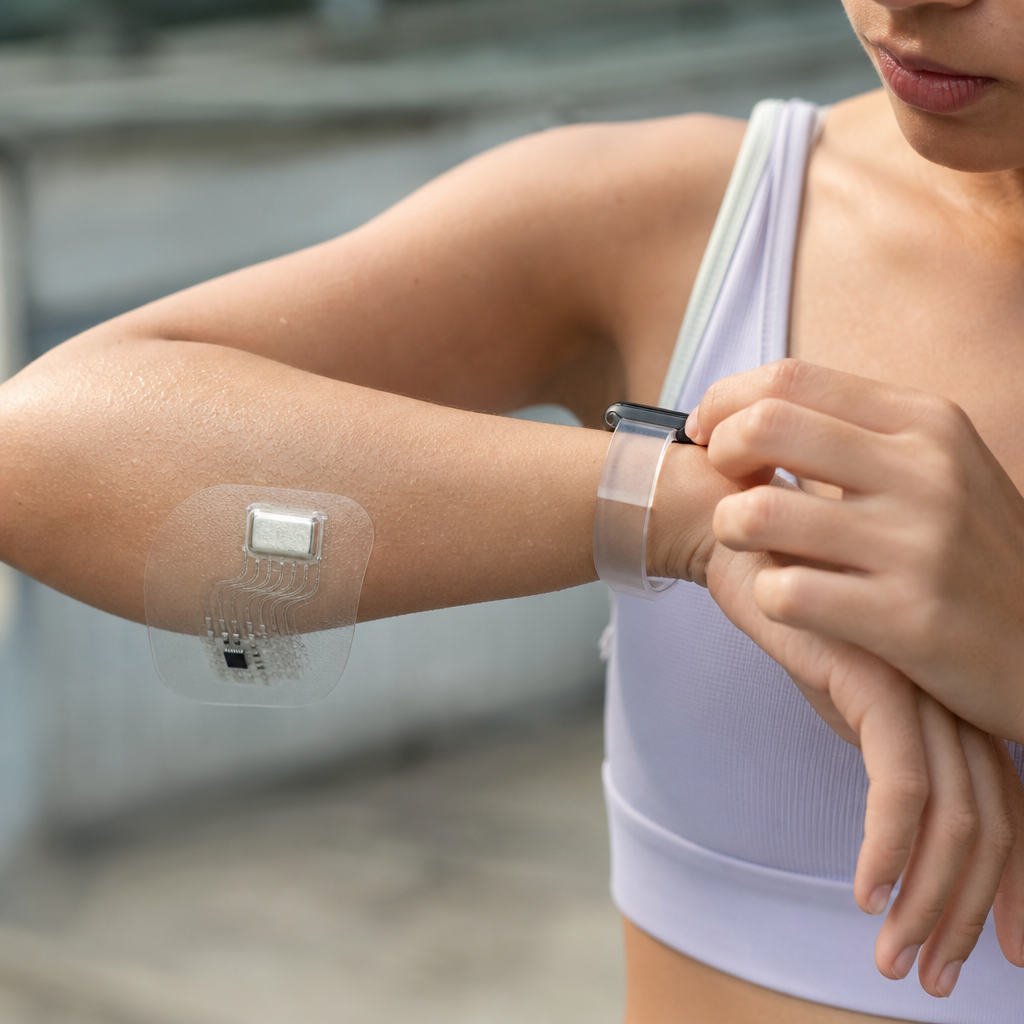
Wearable devices have moved far beyond step counters and smartwatches, and polymers sit at the center of that shift. In modern wearable technology, polymers are the engineered plastics, elastomers, hydrogels, conductive composites, and bio-based materials that make devices lighter, softer, safer, and more adaptable to the human body. When engineers talk about solving problems in wearables, they are often talking about polymer selection: which material can flex ten thousand times without cracking, survive sweat and skin oils, protect delicate electronics, and still feel comfortable enough for all-day use. I have worked on product teams where a promising sensor failed not because the electronics were weak, but because the housing stiffened in cold weather, the adhesive irritated skin, or the encapsulation let moisture drift into the circuit. In each case, the solution was a polymer decision.
This is why polymers matter so much in wearable technology. Wearables must operate in a harsh, variable environment: the moving human body. They bend at joints, stretch over muscle, absorb impact, experience repeated washing, and stay in contact with skin that perspires, sheds oils, and changes temperature throughout the day. Traditional rigid materials like glass, steel, and ceramic still play important roles, especially in displays and sensing components, but they rarely solve the full comfort and durability problem on their own. Polymers bridge the gap between electronics and biology. They can be tuned for modulus, permeability, dielectric behavior, chemical resistance, optical clarity, and biocompatibility in ways that metals cannot. That tunability is the reason polymers are central to smart textiles, medical patches, hearables, fitness bands, and next-generation electronic skin.
As a hub article for problem-solving with polymers, this guide explains how polymer science advances wearable technology in practical terms. It covers how polymers address flexibility, skin contact, power management, sensor performance, manufacturing scale, and sustainability. It also identifies the tradeoffs product developers must manage, because the best wearable materials are rarely chosen on one property alone. The right polymer system balances performance, processability, compliance, cost, and user experience. Understanding that balance helps product teams build wearables that people actually trust and continue using.
Why polymers solve the core engineering problems in wearables
The first problem in wearable technology is mechanical mismatch. Human skin has a low modulus and constantly deforms, while conventional electronics are rigid and fracture under strain. Polymers solve this by introducing compliant layers between the body and the circuitry. Thermoplastic polyurethane, or TPU, is widely used in straps, cable jackets, and flexible housings because it combines abrasion resistance with elasticity. Silicone elastomers are common in skin-contact interfaces because they remain flexible across a broad temperature range and can be formulated for medical use. Polyimide films, though not as soft as silicone, are essential in flexible printed circuits because they tolerate heat during fabrication while bending repeatedly in use.
The second problem is environmental exposure. Wearables encounter sweat, ultraviolet light, soap, cosmetics, and mechanical abrasion every day. A polymer enclosure or encapsulant must resist hydrolysis, stress cracking, and chemical attack while keeping sensors and batteries stable. In practice, multilayer polymer systems are often more effective than a single material. For example, a fitness patch may use a breathable polyurethane film on the outside, an acrylic pressure-sensitive adhesive against the skin, and a silicone gel around a sensitive electrode area. Each layer handles a different failure mode. This layered design approach is one of the most important ideas in problem-solving with polymers because no single polymer performs every function equally well.
The third problem is human factors. A device can be technically advanced and still fail if it feels sticky, traps heat, or causes dermatitis. Surface energy, coefficient of friction, moisture vapor transmission rate, and hardness all influence comfort. In several wearable development cycles, I have seen teams fix electronics quickly yet spend months adjusting a polymer overmold or adhesive to reduce edge lift and skin redness. For users, those details define quality more than processor speed does.
Key polymer families used in wearable technology
Different wearable applications rely on distinct polymer classes, each selected for specific performance needs. Elastomers such as silicone rubber, fluorosilicone, styrene block copolymers, and TPU dominate areas that require softness and repeated deformation. High-performance engineering polymers such as polyimide, PEEK, and liquid crystal polymer support circuits, connectors, and components exposed to heat or sterilization. Conductive polymers and polymer composites enable flexible electrodes, strain sensors, and electromagnetic shielding. Hydrogels support bioelectronic interfaces because their water-rich structure better matches tissue.
| Polymer or class | Main wearable use | Key advantage | Main limitation |
|---|---|---|---|
| TPU | Straps, films, cable jackets, flexible housings | Elastic, abrasion resistant, easy to process | Can yellow or hydrolyze in poor formulations |
| Silicone elastomer | Skin-contact parts, seals, soft overmolds | Soft, biocompatible, temperature stable | Tears more easily than some TPUs, harder to bond |
| Polyimide | Flexible circuits and sensor substrates | High thermal stability, reliable flex performance | Not inherently stretchable |
| Hydrogel | Electrodes and biointerfaces | Low interfacial impedance, skin conformity | Can dry out over time |
| Conductive polymer composite | Flexible sensors and printed traces | Combines conductivity with mechanical compliance | Conductivity usually below metals |
Selection depends on the full system, not a single data sheet value. For example, TPU may look ideal for a sports wearable because of its toughness, but if the product needs high oxygen permeability or low tack against skin, silicone may perform better. Polyimide remains a standard in flexible electronics because it withstands soldering and assembly temperatures, yet designers often add serpentine trace geometry or laminate it with softer polymers to improve body conformity. This is where polymer engineering becomes application engineering.
Polymers in flexible sensors, electronic skin, and smart textiles
Many of the most important advances in wearable technology come from polymer-enabled sensing. Strain sensors use conductive fillers such as carbon black, carbon nanotubes, graphene, or silver flakes dispersed in elastomer matrices. As the polymer stretches, conductive pathways change, producing a measurable electrical response. This principle powers motion tracking gloves, posture monitors, and rehabilitation sleeves. The polymer matrix determines not only flexibility but also hysteresis, signal drift, and long-term durability, so formulation matters as much as the conductive additive.
Electronic skin applications depend heavily on soft substrates such as PDMS, polyurethane, and hydrogel networks. These polymers allow pressure, temperature, and biochemical sensors to conform closely to skin, improving signal quality. A rigid sensor sitting above the skin can miss subtle physiological signals because micro-gaps form during motion. A soft polymer layer reduces that interface problem. Researchers have used PEDOT:PSS, a well-known conductive polymer system, in flexible bioelectrodes because it supports charge transport while remaining compatible with solution processing. That makes it useful in heart-rate monitoring, electromyography, and brain-computer interface prototypes.
Smart textiles push the concept further by embedding polymer-coated yarns, printed inks, and laminated films into fabrics. Polyester and nylon already dominate performance textiles, but functional polymer coatings can add conductivity, water resistance, flame retardancy, or antimicrobial behavior. In practice, wash durability is the hardest challenge. A printed conductive pattern may work in the lab and fail after five laundry cycles because the polymer binder cracks or delaminates. Strong wearable textile products succeed when developers test against realistic flex, sweat, detergent, and abrasion conditions early, not after design freeze.
Skin safety, comfort, and biocompatibility in daily wear
For any wearable that touches skin for hours, polymer choice is inseparable from safety. Biocompatibility does not simply mean a material is soft. It means the final processed article, including additives, catalysts, colorants, adhesives, and residues, does not create unacceptable irritation, sensitization, or toxicity under expected use. Medical wearables often look to ISO 10993 biological evaluation standards, even when the product is technically a consumer device, because those methods provide a structured way to assess risk. This is especially important for patches, continuous glucose monitors, and long-wear cardiac sensors.
Adhesive systems are a frequent source of failure. Acrylic adhesives offer strong bonding and are widely used in medical tapes, but some users react to certain formulations during extended wear. Silicone adhesives are gentler for fragile or sensitive skin and remove cleanly, though they may provide lower adhesion on oily skin or during intense exercise. Hydrocolloid systems manage moisture well but can feel bulky. There is no universal best option. Teams have to match dwell time, skin type, edge design, and environmental conditions to the polymer chemistry.
Comfort also depends on breathability and thermal management. Low moisture vapor transmission can trap sweat under a patch, raising the risk of maceration and detachment. Breathable polyurethane films are often used because they block liquid water while allowing water vapor to pass. Microperforation can improve comfort, but it may compromise barrier performance. This tradeoff shows up repeatedly in wearables: the polymer must protect electronics while still letting the body behave naturally.
Encapsulation, power, and durability under real-world stress
Wearables fail most often at interfaces, and polymers are the main interface material. Encapsulation protects circuits from moisture ingress, salt exposure, and impact. Potting compounds based on silicone, epoxy, or urethane each have strengths. Silicone encapsulants stay flexible and handle thermal cycling well, which helps around batteries and sensors. Epoxies offer strong adhesion and hardness but can be too brittle for highly flexing zones. Urethanes provide a middle ground, though chemistry selection must account for humidity and chemical resistance.
Battery integration creates another set of polymer problems. Flexible batteries and supercapacitors rely on polymer separators, binders, and packaging films. Polyethylene and polypropylene separators are standard in lithium-ion systems, while PVDF is a common binder in electrodes. For truly bendable power systems, developers increasingly use polymer gel electrolytes and laminate structures that tolerate repeated flex. Safety here is non-negotiable: a polymer package must maintain electrical insulation, puncture resistance, and dimensional stability over the product’s life.
Durability testing should mirror actual use. Standard lab checks include tensile cycling, peel strength, taber abrasion, environmental aging, sweat simulation, UV exposure, and ingress testing under IEC 60529. But the most revealing tests are mixed-mode tests that combine motion, temperature, and moisture. A wrist wearable may pass bend testing in dry air and fail after sunscreen contamination plus heat. Those failures are not unusual; they are why robust polymer validation saves recalls later.
Manufacturing, regulation, and sustainability considerations
Advanced polymers only create value when they can be manufactured consistently. Injection molding, extrusion, film casting, overmolding, screen printing, inkjet printing, and roll-to-roll coating all shape the wearable supply chain. In production, polymer rheology affects fill, shrinkage, weld lines, and bond strength, while cure conditions can influence residual volatiles and dimensional stability. That is why wearable teams increasingly involve materials engineers early, before industrial design locks geometry. A beautiful concept band can become impossible to mold or impossible to assemble without redesigning wall thickness, gates, or bonding surfaces.
Regulation matters too. Consumer electronics may need to comply with RoHS and REACH restrictions, while medical wearables face tighter documentation, traceability, and validation expectations. Flame performance can become relevant for chargers, cables, and power modules. Skin-contact claims require evidence, not assumptions. The most credible manufacturers maintain full material declarations and test records down to adhesive lots and color masterbatches.
Sustainability is now part of polymer problem-solving, not a side note. Wearables are difficult to recycle because they combine elastomers, rigid plastics, metals, batteries, and adhesives in compact assemblies. Better design strategies include reducing mixed-material complexity, using mechanically recyclable thermoplastics where possible, replacing permanent adhesives with reversible fastening in serviceable zones, and selecting bio-based polymers when they meet durability needs. Recycled TPU and bio-based polyamides are becoming more available, but developers should verify long-term mechanical performance rather than treating recycled content as automatically equivalent.
The role of polymers in advancing wearable technology is ultimately practical: polymers make wearables conformable, durable, manufacturable, and safe enough for daily life. They solve the mechanical mismatch between electronics and the body, protect devices from sweat and impact, improve sensor contact, and determine whether a product feels premium or irritating. The most successful wearable products do not use polymers as generic plastics; they use carefully engineered material systems matched to motion, skin contact, power, and production realities.
For teams working on case studies and applications, the central lesson is clear. Problem-solving with polymers starts by defining the failure mode precisely, then selecting or combining materials to address that specific problem without creating a worse one elsewhere. A breathable film may weaken the barrier. A softer adhesive may reduce retention. A tougher housing may increase discomfort. Good wearable design balances those tradeoffs deliberately.
If you are building or evaluating a wearable device, review every layer that touches the user and every polymer that protects the electronics. Map each material to a function, a risk, and a test method. That disciplined approach leads to better products, fewer field failures, and wearable technology people will keep using.
Frequently Asked Questions
1. Why are polymers so important in wearable technology?
Polymers are foundational to wearable technology because they solve many of the design challenges that rigid materials cannot. Wearables need to bend, stretch, twist, and conform to the body while remaining lightweight and comfortable enough for long-term use. Engineered polymers make that possible. Depending on the formulation, a polymer can act as a soft skin-contact layer, a flexible structural housing, an insulating barrier, a transparent film, or even part of the sensing and conductive system itself. This versatility allows engineers to build devices that feel less like electronics and more like natural extensions of clothing or skin.
Another reason polymers matter is durability under repeated motion. A wearable device may be flexed thousands of times on a wrist, elbow, chest, or ankle, and traditional rigid materials often fail under that kind of mechanical stress. Elastomers, thermoplastic polyurethanes, silicones, and flexible composites can absorb movement without cracking or losing performance. That makes them ideal for fitness bands, smart patches, biosensors, rehabilitation devices, and soft medical wearables.
Polymers also support miniaturization and user safety. They can be engineered to be hypoallergenic, moisture-resistant, breathable, and biocompatible, all of which are essential for products worn close to the skin. In short, polymers are not just packaging materials in wearables. They are active enablers of comfort, flexibility, performance, and long-term reliability.
2. What types of polymers are commonly used in wearable devices?
Wearable technology uses a broad range of polymers, each selected for specific mechanical, electrical, and biological properties. One of the most common categories is elastomers, such as silicone and thermoplastic polyurethane, which provide softness, stretchability, and resilience. These materials are often used in wristbands, flexible straps, seals, and outer casings because they can handle sweat, skin oils, and repeated movement while maintaining comfort.
Flexible plastics such as polyethylene terephthalate, polyimide, and other thin-film polymers are also widely used in wearable electronics. These materials form the substrate for flexible circuits, displays, and sensors. They are valued because they can be made very thin and lightweight while still offering mechanical strength and thermal stability. In applications where transparency matters, such as smart lenses or optical sensors, clear polymer films can be especially useful.
Hydrogels are another important class of polymers in advanced wearables, particularly in medical and skin-interfacing devices. Because hydrogels can hold large amounts of water and mimic the softness of biological tissue, they are excellent for electrodes, wound-monitoring patches, and biosensors that require intimate skin contact. Conductive polymer composites are also increasingly significant. By combining polymer matrices with conductive fillers such as carbon nanotubes, graphene, silver particles, or other additives, engineers can create materials that flex like plastic but carry electrical signals. In newer sustainable designs, bio-based and biodegradable polymers are gaining attention as well, especially for disposable sensors and environmentally conscious consumer products.
3. How do polymers improve comfort, fit, and performance in wearables?
Comfort and fit are central to whether a wearable succeeds in the real world, and polymers play a direct role in both. A device can have excellent electronics, but if it feels bulky, stiff, irritating, or heavy, users will stop wearing it. Soft polymers allow manufacturers to create bands, patches, sleeves, and housings that adapt to body contours instead of resisting them. This reduces pressure points, minimizes skin irritation, and helps the device stay in place during movement, which is especially important for accurate data collection.
Performance improves as comfort improves. When a wearable maintains consistent contact with the skin, sensors can measure heart rate, hydration, temperature, movement, muscle activity, and other signals more reliably. Flexible and stretchable polymers help preserve this contact even when the user is exercising, sleeping, or going through normal daily motion. In many cases, a better polymer interface leads directly to better sensor fidelity, fewer motion artifacts, and more dependable readings.
Polymers also support breathable and moisture-managing designs. Some can be engineered with microstructures or porous architectures that help release heat and reduce sweat buildup. Others provide chemical resistance against sweat and cosmetics while staying soft over time. This balance of mechanical flexibility, skin compatibility, and environmental resistance is what allows high-performance wearables to be worn for hours or days without sacrificing usability. For designers, polymer choice is often the key factor in creating a device that users forget they are even wearing.
4. Can polymers be conductive and used as part of wearable sensors and circuits?
Yes, and this is one of the most exciting developments in modern wearable technology. While many people think of polymers only as insulating plastics, advanced polymer systems can also be designed to conduct electricity or support electronic functionality. Conductive polymers and polymer composites make it possible to build sensors, electrodes, antennas, and interconnects that remain flexible under bending and stretching. That is a major advantage over traditional brittle conductors, which may fracture or delaminate during repeated body motion.
There are several approaches to making polymers electrically useful. Some polymers are intrinsically conductive due to their molecular structure, while others become conductive when combined with fillers such as carbon black, graphene, metal flakes, or silver nanowires. These materials can be printed, coated, laminated, or molded into wearable platforms. As a result, engineers can create soft strain sensors for motion tracking, pressure sensors for gait analysis, skin electrodes for health monitoring, and flexible conductive traces for compact wearable circuits.
The value of conductive polymers goes beyond flexibility. They can often be processed at lower temperatures and in thinner formats than conventional materials, which supports scalable manufacturing techniques such as roll-to-roll printing and soft electronics fabrication. They also open the door to textile integration, where sensing or conductive functionality can be embedded into fabrics. Although performance tradeoffs still exist in areas such as long-term conductivity, wash resistance, and mechanical fatigue, conductive polymers are now central to the development of next-generation wearables that are lighter, softer, and more seamlessly integrated into everyday life.
5. What challenges do engineers face when selecting polymers for wearable technology?
Choosing the right polymer for a wearable device is rarely simple because the material has to satisfy multiple demands at once. It may need to be flexible but also strong, soft but still dimensionally stable, breathable yet protective, and comfortable while remaining durable in sweat, heat, and repeated motion. A polymer that works well mechanically may fall short electrically, and one that performs well in a lab may not hold up under long-term skin contact. Material selection therefore becomes a balancing act between human factors, device performance, manufacturing requirements, and cost.
Biocompatibility is one major challenge. Wearables that stay on the skin for extended periods must avoid irritation, sensitization, or allergic response. That means polymers must be tested not only for comfort, but also for how they interact with moisture, friction, body oils, adhesives, and cleaning agents. Mechanical fatigue is another concern. A wearable may bend or stretch continuously over its lifetime, so engineers need polymers that can survive repeated deformation without cracking, stiffening, or losing adhesion to other layers.
There are also production and sustainability considerations. Some high-performance polymers can be difficult to process, bond, print, or recycle. Others may offer excellent function but raise environmental concerns if used in short-life or disposable products. As the wearable market grows, engineers are increasingly looking for polymers that combine flexibility, sensor compatibility, skin safety, manufacturability, and improved environmental profiles. In practice, the best material is rarely the one with the single highest performance metric. It is the one that best supports the full wearable system across comfort, reliability, scalability, and real-world use.