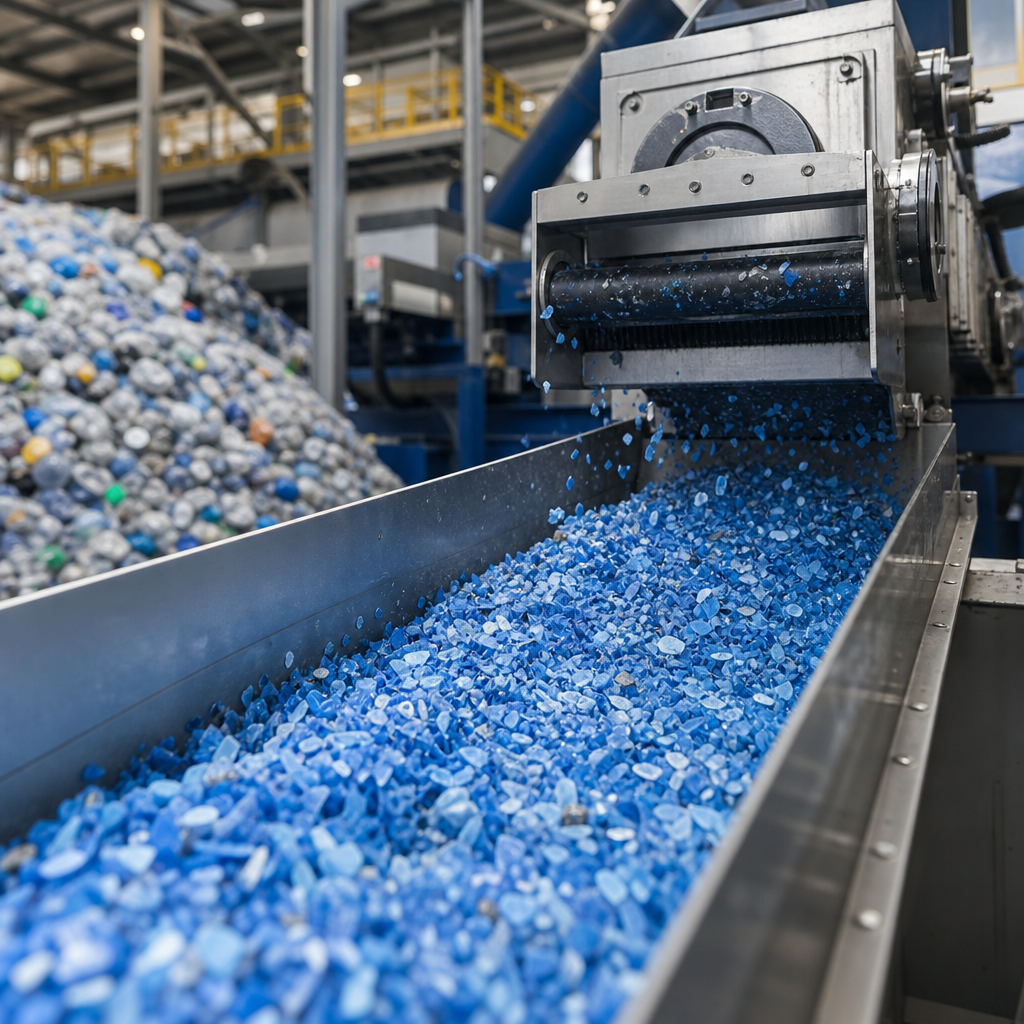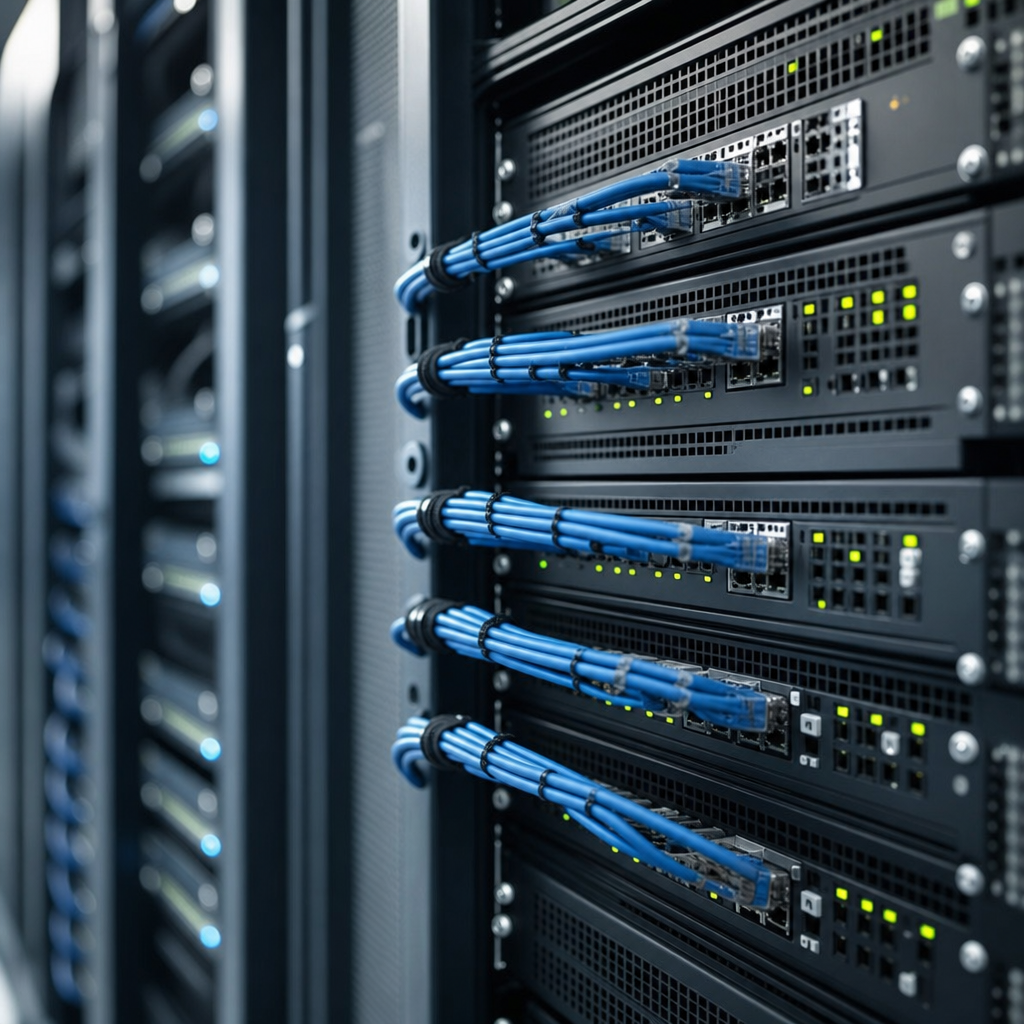
Innovations in polymers are reshaping next-generation networking equipment by improving thermal control, signal integrity, weight, durability, and manufacturing flexibility across routers, switches, antennas, fiber hardware, and data center interconnect systems. In this context, polymers include engineered thermoplastics, thermosets, elastomers, liquid crystal polymers, fluoropolymers, conductive compounds, and polymer-based composites designed for electrical, mechanical, and environmental performance. Networking equipment means the physical infrastructure that moves data, from enterprise Wi-Fi access points and 5G radios to optical transceivers, cable assemblies, server switch chassis, and edge computing enclosures. I have worked with teams selecting these materials for electronics housings, RF components, and cable systems, and the pattern is consistent: the right polymer choice often determines whether a product passes heat, flame, reliability, and assembly targets without adding cost or complexity. That matters because network hardware now operates at higher frequencies, higher port densities, and stricter sustainability expectations. As bandwidth climbs and devices move closer to users in factories, vehicles, hospitals, and smart buildings, equipment must survive harsher conditions while staying compact and energy efficient. Polymers are no longer just low-cost housings. They are enabling materials that influence electromagnetic behavior, miniaturization, manufacturability, service life, and compliance with standards such as UL 94, IEC 60695, IPC guidance, and RoHS and REACH requirements.
As a hub for polymers in high-tech and electronics, this article explains where advanced polymers are used in networking equipment, which performance properties matter most, how recent material innovations solve practical engineering problems, and what tradeoffs buyers, designers, and manufacturers should evaluate. It also connects the application landscape across consumer, enterprise, telecom, industrial, and hyperscale environments. The core question many teams ask is simple: why use polymers when metal, ceramic, or glass already exist in networking systems? The answer is that polymers can combine dielectric control, moldability, flame resistance, corrosion resistance, chemical resistance, low weight, and lower total processing cost in ways other materials often cannot. A liquid crystal polymer connector can maintain dimensional precision at reflow temperatures. A fluoropolymer cable insulation can preserve signal quality at high data rates. A thermally conductive polymer can reduce hot spots in compact power modules. A fiber-reinforced enclosure can survive outdoor UV exposure and mechanical shock better than an unfilled commodity plastic. These improvements are not theoretical. They are showing up in fan housings, pluggable optics, printed circuit board substrates, cable jackets, antenna radomes, and micro-molded connector parts that support modern Ethernet, Wi-Fi, fiber broadband, and 5G deployment.
Where polymers sit inside modern networking hardware
Polymers appear in nearly every layer of networking equipment, although many are hidden behind metal shields or under the system cover. In switches and routers, engineering plastics are used for connector bodies, fan components, insulation parts, cable management features, latch mechanisms, light pipes, and internal structural brackets. In optical networking, polymer innovations support ferrules, buffer tubes, coatings, transceiver parts, and high-performance cable assemblies. In wireless infrastructure, polymers show up in antenna housings, radomes, RF connector insulators, weather seals, and structural elements that need to be lightweight but dimensionally stable. Data center equipment relies on polymer films, tapes, encapsulants, thermal interface materials, and wire insulation to maintain uptime in dense thermal environments. Even components that appear metallic often depend on polymers for overmolding, potting, strain relief, vibration damping, and electrical isolation.
The reason this is expanding is straightforward. Networking hardware is under pressure from multiple directions at once: more power per rack, more radios per site, smaller footprints, tighter tolerance stacks, and faster deployment cycles. Traditional die-cast metal solutions still matter, but they can add weight, increase corrosion concerns, complicate assembly, or limit part integration. Advanced polymers allow engineers to mold snap fits, clips, airflow channels, shielding support features, and sealing geometries into one part, reducing assembly steps. In outdoor telecom equipment, that can mean fewer leak paths and lower installation time. In pluggable modules such as QSFP-DD or OSFP ecosystems, it can mean precise insulating structures with repeatable geometry at scale. In cable systems, it can mean balancing flexibility with crush resistance and fire performance. Good polymer selection is therefore not cosmetic. It is central to reliability engineering and product economics.
Key material properties that determine performance
When engineers evaluate polymers for networking equipment, they usually focus on a tight group of properties because failure modes in this sector are well understood. First is dielectric behavior, especially dielectric constant and dissipation factor, which affect high-frequency signal transmission and electromagnetic performance. Lower-loss materials become increasingly important as designs move into faster copper interconnects, mmWave antennas, and high-speed board-to-board connections. Second is thermal performance, including heat deflection temperature, continuous use temperature, thermal conductivity, and coefficient of thermal expansion. These properties influence whether a connector warps near a hot ASIC, whether a housing survives soldering, and whether dimensional shifts break alignment in optical systems.
Flammability and smoke behavior are equally critical. Materials used near power electronics or inside enclosed systems often need UL 94 V-0 or comparable ratings without relying on chemistries that create compliance or recycling problems. Mechanical strength, creep resistance, fatigue performance, and impact resistance matter because networking hardware is shipped globally, installed in racks, and expected to run for years without maintenance. Chemical resistance is essential in industrial and outdoor environments where oils, cleaning agents, humidity, salt spray, or pollution can attack weaker plastics. Processability also matters more than many non-specialists realize. A polymer may have excellent electrical properties but still fail commercially if it requires difficult drying, has narrow molding windows, or produces unacceptable warpage in thin-wall parts. The best materials succeed because they balance performance with scalable manufacturing.
Important polymer families and what they do best
Several polymer classes dominate advanced networking applications because each solves a different engineering problem. Liquid crystal polymers, or LCPs, are valued for very low moisture uptake, excellent flow in thin-wall molding, high heat resistance, and dimensional stability. That makes them strong candidates for miniaturized connectors, surface-mount interconnect components, and high-frequency parts. Polyphenylene sulfide, or PPS, is widely used where chemical resistance, flame performance, and high-temperature stability are required, including connector systems and electrical insulation parts. Polyetherimide and polycarbonate blends appear in housings and structural electronics parts because they combine toughness, dimensional stability, and good appearance.
Fluoropolymers such as PTFE, FEP, and PFA are central to high-performance cable insulation and RF applications because they offer low dielectric loss, broad temperature resistance, and chemical inertness. Thermoplastic polyurethanes can provide abrasion resistance and flexibility in cable jackets or protective components. Epoxy and silicone systems remain vital as encapsulants, conformal coatings, and adhesives, especially where moisture protection or vibration resistance is required. Conductive and dissipative polymer compounds, often loaded with carbon or other additives, help manage electrostatic discharge and can support electromagnetic shielding strategies. Fiber-reinforced polymers, especially glass-filled grades, improve stiffness and dimensional control, though they must be used carefully when wear, anisotropy, or connector mating precision become concerns.
| Polymer family | Typical networking use | Main advantage | Key limitation |
|---|---|---|---|
| LCP | Miniature connectors, high-frequency components | Precision in thin walls and high heat resistance | Can be relatively brittle in some geometries |
| PPS | Connector bodies, insulation parts | Chemical resistance and flame performance | Less impact toughness than some alternatives |
| Fluoropolymers | RF cables, high-speed insulation | Low dielectric loss and chemical inertness | Higher material and processing cost |
| Thermally conductive compounds | Power modules, heat-spreading housings | Lighter than metal with part integration options | Usually lower conductivity than aluminum |
Breakthroughs enabling higher speed, smaller form factors, and better heat management
The most significant polymer innovations in next-generation networking equipment are not generic material upgrades. They are targeted responses to concrete system bottlenecks. One area is high-speed data transmission. As copper channels run faster, designers need connector insulators and cable dielectrics with lower losses and more stable geometry. Material suppliers have responded with refined LCP grades, fluoropolymer formulations, and low-loss substrate systems that help reduce insertion loss and maintain impedance control. In practical terms, that supports denser ports, cleaner signal paths, and more reliable performance in 112G and emerging 224G environments.
Another breakthrough area is thermal management. Polymers do not replace metal heat sinks in every case, but thermally conductive compounds now help spread heat in LED indicators, power supply parts, and compact enclosures where electrical isolation and low weight are valuable. I have seen these materials remove secondary assembly steps by combining a structural shell and heat-management function into one molded part. Additive packages and filler technologies have also improved flame retardancy with less impact on processability or dielectric performance than older systems. For outdoor radios and edge devices, UV-stable polymer blends and reinforced composites are extending service life while reducing corrosion compared with painted metals. In fiber deployments, microduct and cable materials have improved flexibility, crush resistance, and installation durability, which directly lowers field failure rates.
Application case studies across telecom, enterprise, industrial, and data center environments
In telecom base stations and small cells, polymer radomes are a clear case study. The enclosure in front of an antenna must protect against rain, UV exposure, thermal cycling, and wind-driven particulates without degrading RF transparency. Advanced composite and engineered plastic radomes deliver that balance better than many metallic alternatives. If the dielectric properties drift or moisture absorption becomes excessive, antenna performance can suffer. Material selection therefore affects both durability and signal quality. In enterprise networking, pluggable transceivers and high-density connectors rely on precision-molded polymers to keep contacts aligned under thermal stress. A fraction of a millimeter in warpage can create insertion or reliability issues, which is why LCP and PPS remain common choices.
Industrial Ethernet presents a different challenge. Equipment may face oils, coolants, vibration, washdown procedures, and temperature swings. Here, tougher cable jackets, chemically resistant connector insulators, and robust sealing materials matter more than glossy appearance. In data centers, airflow parts, fan assemblies, cable organizers, and insulating films are often overlooked, yet they have direct effects on power usage effectiveness and uptime. Better polymer fan materials can reduce noise and survive continuous operation. Flame-retardant cable and connector materials support compliance and safer dense installations. In optical fiber systems, acrylate coatings, buffer materials, and jacketing compounds influence bend performance, attenuation stability, and installation damage resistance. These are practical examples of polymers solving highly specific networking problems, not acting as generic substitutes for metal or glass.
Manufacturing, compliance, and sustainability considerations
Choosing advanced polymers for networking equipment requires disciplined validation, because laboratory data sheets never tell the whole story. Processing conditions can dramatically change part quality. Moisture-sensitive resins such as LCP, nylon, and some high-temperature materials need proper drying and controlled molding windows to avoid flash, brittleness, voids, or dimensional drift. Tool design matters, especially for thin-wall connector parts where gate location, fiber orientation, and shrink behavior can affect coplanarity and mating performance. Secondary operations such as laser marking, ultrasonic welding, overmolding, and adhesive bonding should be tested with the exact grade under final-use conditions.
Compliance adds another layer. Networking equipment sold globally may need proof of flammability performance, chemical compliance under RoHS and REACH, halogen-free claims, and environmental durability data. For outdoor products, UV resistance and ingress protection requirements are often as important as electrical ratings. Sustainability is also becoming a sourcing factor. Recycled content, mass-balance feedstocks, lighter designs that cut shipping emissions, and polymers that enable easier part consolidation all support more efficient product lifecycles. Still, tradeoffs are real. A more sustainable grade may have narrower processing limits. A halogen-free flame-retardant system may alter mechanical toughness. The strongest programs handle this by testing materials in the application, not by assuming one property improvement translates into system-level success.
Innovations in polymers for next-generation networking equipment are delivering measurable gains in speed, reliability, manufacturability, and lifecycle performance across the entire electronics value chain. The most important takeaway is that polymer selection is now a strategic design decision, not a late-stage commodity purchase. Low-loss dielectrics support faster interconnects, precision engineering resins enable smaller connectors, thermally conductive compounds help manage denser electronics, and durable outdoor formulations extend field life in telecom and industrial deployments. The best results come from matching the polymer family to the real operating environment, assembly process, compliance requirements, and failure risks rather than choosing by cost alone.
As the hub page for polymers in high-tech and electronics within case studies and applications, this overview should help you evaluate where each material class fits and what questions to ask next. If you are comparing materials for connectors, cable systems, radomes, optical hardware, or thermal components, start with the target electrical, thermal, mechanical, and regulatory requirements, then validate with actual prototypes and supplier data. Explore the related articles in this subtopic to go deeper into specific polymer case studies, processing methods, and electronics applications.
Frequently Asked Questions
1. How are advanced polymers improving the performance of next-generation networking equipment?
Advanced polymers are enhancing networking equipment by solving several design challenges at once. In routers, switches, antennas, fiber hardware, and high-density data center interconnect systems, materials must support faster data transmission, tighter packaging, and more demanding thermal loads without adding unnecessary weight or cost. Engineered polymers help by offering a strong combination of dimensional stability, electrical insulation, low dielectric loss, chemical resistance, and design flexibility. This allows manufacturers to create lighter and more compact components while maintaining reliability in demanding operating environments.
One of the most important advantages is electrical performance. Specialized polymers such as liquid crystal polymers, fluoropolymers, and other high-frequency grades can be formulated with low dielectric constants and low dissipation factors, which helps preserve signal integrity in high-speed applications. As networking hardware moves toward higher frequencies and faster interfaces, even small material losses can affect insertion loss, crosstalk, and overall system performance. Carefully selected polymers reduce those risks and support more consistent electrical behavior across connectors, housings, cable assemblies, and antenna-related components.
Polymers also improve thermal and mechanical performance. Many advanced thermoplastics and composites can withstand elevated temperatures, repeated thermal cycling, and exposure to humidity, chemicals, and outdoor conditions. In practical terms, that means enclosures, internal supports, insulators, and precision parts can maintain their shape and function even as devices run hotter and become more densely packed. Because polymers are often easier to process than metal alternatives, manufacturers can also integrate multiple functions into a single molded part, reducing assembly complexity, part count, and production time.
2. Which types of polymers are most relevant for networking applications, and what does each one contribute?
Several polymer families are especially important in next-generation networking equipment, and each brings a different set of properties. Engineered thermoplastics are widely used because they can be molded into precise shapes while offering strong mechanical performance, flame resistance, and dimensional control. These materials are common in connector bodies, cable management components, equipment housings, and structural parts where repeatable manufacturing and long-term durability matter.
Thermosets are valuable when a component must maintain structural integrity under heat and stress. Because they cure into a stable crosslinked network, they are often used in laminates, encapsulation systems, and parts requiring high thermal endurance and rigidity. Elastomers, on the other hand, provide flexibility, sealing performance, vibration damping, and environmental protection. In networking equipment, they are useful for gaskets, strain reliefs, cable protection, and interfaces that must resist dust, moisture, and repeated handling.
More specialized materials play an increasingly strategic role. Liquid crystal polymers are highly attractive for miniature, high-precision electronic components because they combine low moisture absorption, excellent flow in thin-wall molding, and favorable high-frequency electrical properties. Fluoropolymers are important in wire and cable insulation, as well as in harsh-environment components, because they offer strong chemical resistance, thermal stability, and excellent dielectric behavior. Conductive polymer compounds and polymer-based composites extend functionality further by enabling electromagnetic interference shielding, static dissipation, and lightweight structural reinforcement. Together, these material classes allow designers to fine-tune electrical, thermal, mechanical, and environmental performance for very specific networking use cases.
3. Why do polymers matter for thermal management in modern routers, switches, and data center systems?
Thermal management has become a central design concern in networking equipment because devices are processing more data in smaller spaces and at higher power densities. Traditionally, metals have dominated heat-related applications, but modern polymers are increasingly important because they can complement or, in some cases, replace heavier materials in targeted areas. High-performance polymer formulations can be designed to tolerate elevated temperatures, resist warpage, and maintain dimensional accuracy near heat-generating components such as processors, transceivers, power modules, and dense connector arrays.
Some polymers are engineered with thermally conductive fillers that help move heat away from critical regions while still providing electrical insulation. That combination is especially useful in parts that sit close to sensitive electronics, where designers need to manage heat without introducing electrical conductivity in the wrong place. Polymer materials can also support airflow optimization. Because they can be molded into complex geometries more easily than many metals, they make it possible to create fan shrouds, ducting features, lightweight brackets, and integrated thermal management structures that improve cooling efficiency inside compact chassis.
Just as important, polymers help manage long-term reliability under thermal cycling. Equipment in enterprise, telecom, and hyperscale environments may operate continuously for years, often under fluctuating loads. Materials that crack, creep excessively, absorb too much moisture, or deform under heat can create alignment problems, connector failures, or airflow disruptions. Advanced polymers designed for thermal endurance reduce those risks and support stable operation over time. In short, polymers matter not only because they can survive heat, but because they help engineers control heat, maintain part precision, and build lighter, more manufacturable systems.
4. How do polymer innovations support signal integrity and high-frequency performance in networking hardware?
Signal integrity is critical in next-generation networking because higher data rates and higher operating frequencies leave less margin for material-related losses and interference. At these speeds, the polymer used in a connector, substrate, cable insulation, antenna component, or transceiver housing can directly influence electrical behavior. Innovations in polymer chemistry and formulation have made it possible to develop materials with low dielectric constant, low dissipation factor, controlled moisture absorption, and consistent dimensional stability, all of which help support cleaner signal transmission.
Low-loss polymers are especially valuable in applications involving high-speed interconnects, RF components, advanced antenna systems, and fiber-adjacent hardware where tight tolerances matter. Materials such as liquid crystal polymers and fluoropolymer-based systems are often selected because they can reduce signal attenuation and maintain stable electrical properties across a range of frequencies and environmental conditions. Lower moisture uptake is another major advantage, since absorbed moisture can shift dielectric behavior and affect precision in both electrical and mechanical performance. For networking equipment expected to operate in varying climates or tightly controlled but thermally dynamic indoor environments, that stability is a real asset.
Polymer innovations also help on the manufacturing side of signal integrity. Precision molding enables tighter dimensional control in miniature parts, which is essential when conductor spacing, geometry, and alignment affect impedance and coupling. In addition, conductive and shielding-enabled polymer compounds can help address electromagnetic interference in selected applications, supporting cleaner operation in dense electronic assemblies. The result is that polymers are no longer just passive packaging materials; they have become active enablers of high-frequency design, helping networking equipment deliver faster speeds with better consistency and reliability.
5. What should manufacturers consider when selecting polymers for future networking equipment designs?
Material selection should start with a full view of the application, not just one headline property. In networking equipment, a polymer may need to satisfy electrical, thermal, mechanical, environmental, regulatory, and manufacturing requirements all at once. For example, a material chosen for a connector or antenna component might need low dielectric loss, excellent dimensional stability, flame resistance, minimal moisture absorption, and compatibility with high-volume processing. A housing or structural part may prioritize impact resistance, thermal aging performance, chemical resistance, lightweighting, and design integration. The right choice depends on how all of those demands interact in the finished product.
Manufacturers should also consider the operating environment and lifecycle expectations. Equipment used in outdoor telecom infrastructure faces UV exposure, temperature extremes, humidity, and pollutants, while data center equipment may encounter sustained heat, dense packaging, and strict reliability expectations over continuous operation. Processing characteristics matter as well. Some polymers are better suited to precision injection molding of thin-wall parts, while others are more appropriate for extrusion, overmolding, encapsulation, or composite fabrication. Design teams should evaluate how easily the material can be manufactured at scale, how stable it remains across production lots, and whether it supports part consolidation or more efficient assembly.
Finally, future-ready material selection increasingly involves cost-performance balance and long-term innovation strategy. The lowest-cost polymer is not always the most economical once reliability, field performance, weight savings, reduced assembly steps, and signal or thermal advantages are taken into account. Collaboration between materials engineers, component designers, and manufacturing teams is essential to match polymer capabilities with evolving networking architectures. As bandwidth demands rise and equipment footprints shrink, selecting the right polymer system can become a competitive advantage, enabling products that are more efficient, more durable, and better prepared for the next generation of connectivity.