Wind turbine efficiency depends on much more than blade length and wind speed; it is increasingly shaped by the polymers engineered into blades, coatings, seals, cables, bearings, and power electronics. In practical turbine design, polymers are long-chain materials tailored to deliver low weight, high fatigue resistance, corrosion protection, electrical insulation, and manufacturability at scale. Innovative polymer applications matter because modern wind farms must lower levelized cost of energy, survive harsher offshore conditions, and operate reliably for twenty years or more with minimal downtime. After working on materials selection for rotating equipment and energy infrastructure, I have seen the same pattern repeatedly: when polymer systems are chosen well, turbines capture more energy, require fewer repairs, and remain serviceable longer. This article serves as a hub for innovative polymer applications by explaining where polymers improve aerodynamic performance, structural durability, environmental resistance, maintenance economics, and future recyclability across the wind turbine value chain.
Why Polymers Matter in Wind Turbine Performance
The first reason polymers matter is mass reduction. A lighter blade requires less material in the hub, pitch system, main shaft, and tower because every downstream component carries lower loads. Fiber-reinforced polymer composites, especially glass-fiber-reinforced epoxy and increasingly carbon-fiber-reinforced epoxy, offer high specific stiffness compared with metals. That combination allows long blades to maintain aerodynamic shape under load without becoming prohibitively heavy. In utility-scale turbines exceeding 100 meters in blade length, even a small percentage reduction in blade mass can improve startup behavior, reduce fatigue cycling, and increase annual energy production by keeping the rotor closer to its intended geometry.
The second reason is fatigue resistance. Wind turbines do not face static loading; they endure millions of cycles from gusts, turbulence, gravity, start-stop events, and pitch adjustments. Properly formulated thermoset matrices and toughened adhesive systems distribute stress and slow crack propagation better than many traditional materials in equivalent weight classes. Standards from IEC 61400 and DNV guide blade testing, but field performance often comes down to matrix toughness, fiber wet-out quality, bondline integrity, and environmental aging behavior. In my experience, operators notice polymer quality not when a turbine runs smoothly, but when poor resin infusion or adhesive degradation creates expensive leading-edge repairs years earlier than expected.
Polymers also provide environmental protection that directly supports efficiency. Offshore turbines operate in salt spray, ultraviolet radiation, rain erosion, and temperature variation. Elastomeric seals keep moisture out of gearboxes and nacelles. Polyurethane and epoxy coatings shield steel towers and internal components from corrosion. Specialized leading-edge protection tapes and liquid-applied elastomers defend blades from rain erosion, which otherwise roughens the surface and reduces aerodynamic lift. A blade with a damaged leading edge can lose measurable performance because surface roughness alters boundary layer behavior. That means a maintenance-grade polymer layer can protect both component life and energy yield.
Composite Blade Materials and Aerodynamic Gains
The blade is the most visible example of innovative polymer applications, and it remains the most consequential. Most commercial blades use glass fibers embedded in epoxy or polyester resin, with balsa, PET foam, or PVC foam sandwich cores in selected sections. Epoxy dominates in higher-performance blades because it generally offers better fatigue properties, stronger adhesion, lower shrinkage, and improved environmental durability than standard polyester systems. Where blade length pushes deflection limits, carbon fiber spar caps are introduced to increase stiffness without a major weight penalty. This is not a theoretical materials preference; it is a design necessity for large rotors where blade-tip clearance becomes a safety and performance constraint.
Aerodynamic efficiency depends on preserving the intended airfoil profile under changing loads. If a blade deflects excessively, twists unpredictably, or accumulates damage, it extracts less energy from the wind. Polymer composites allow engineers to tune anisotropy, meaning stiffness can be placed in the exact directions needed. Unidirectional carbon in spar caps carries longitudinal loads, biaxial fabrics manage shear, and sandwich structures maintain section thickness with low mass. That tailoring is one of the key reasons turbines have scaled so dramatically over the last two decades. Steel or aluminum blades at the same length would impose severe weight and fatigue penalties.
Manufacturing quality also influences efficiency. Vacuum-assisted resin infusion, prepreg layup, and controlled curing cycles determine void content, fiber volume fraction, and bond strength. Defects such as dry spots, porosity, or weak adhesive joints become stress concentrators that shorten blade life. Leading manufacturers use ultrasonic inspection, thermography, and digital process control to ensure repeatability. Siemens Gamesa, Vestas, and GE Vernova have all invested heavily in blade manufacturing optimization because a one-percent gain in aerodynamic consistency across a fleet translates into meaningful output over millions of operating hours.
| Polymer application | Main function | Efficiency impact | Typical example |
|---|---|---|---|
| Epoxy matrix composites | High stiffness-to-weight blade structure | Longer blades with lower mass and better shape retention | Glass-fiber or carbon-fiber blade shells and spar caps |
| Polyurethane leading-edge protection | Rain erosion resistance | Maintains smooth surface and aerodynamic lift | Offshore blade protection systems |
| Structural adhesives | Bond blade halves and shear webs | Preserves load path integrity and fatigue life | Toughened epoxy bondlines |
| Elastomeric seals and lubricants | Exclude moisture and contaminants | Reduces drivetrain losses and downtime | Nacelle and gearbox sealing systems |
| High-performance cable insulation | Electrical reliability | Cuts faults, heat loss, and maintenance interruptions | XLPE and silicone insulation |
Adhesives, Coatings, and Surface Protection
Structural adhesives are often overlooked in public discussions of wind energy, yet they are central to turbine reliability. Blades are typically assembled from two shell halves bonded with epoxy-based adhesive pastes, while internal shear webs are bonded to carry bending loads. A good adhesive must combine gap-filling capability, toughness, cure control, and long-term resistance to moisture and temperature cycling. Poor bondline design can produce disbonds, crack growth, and catastrophic structural issues. In practice, adhesive selection is tied closely to surface preparation, cure schedule, and factory environmental control. The material alone cannot compensate for weak process discipline.
Coatings perform a different but equally important job. Towers rely on multilayer polymer coating systems, commonly epoxy primers with polyurethane topcoats, to resist corrosion and ultraviolet exposure. Inside the nacelle, coatings protect housings, fasteners, and service platforms from condensation-driven corrosion. On blades, gel coats and specialty topcoats reduce weathering and preserve a smooth finish. The most valuable coating category for energy production is leading-edge protection. Rain droplets striking blade tips at high speed generate repeated micro-impacts that erode paint and eventually composite laminate. Once roughness increases, drag rises and lift falls. Studies from operators and testing centers such as the National Renewable Energy Laboratory have shown that severe leading-edge erosion can reduce annual energy production by several percentage points.
Polyurethane elastomers and erosion-resistant tapes have become the preferred solution because they combine impact resilience with field repairability. Offshore assets benefit most, since high tip speeds and intense weather accelerate erosion. I have seen operators defer protection work to save short-term maintenance budgets, only to pay far more later in rope-access repairs and output losses. In wind, surface condition is not cosmetic; it is an operating variable.
Drivetrain, Electrical Systems, and Balance-of-Plant Components
Although blades receive most of the attention, many efficiency gains come from polymer use in the nacelle and electrical system. Elastomeric seals, advanced greases, and polymer cages in bearings help manage friction, contamination, and temperature. In geared turbines, gearbox efficiency depends on keeping lubricants clean and moisture-free; sealing polymers play an outsized role here. Flexible couplings with polymer elements damp vibration and reduce load spikes transmitted through the drivetrain. Less vibration means lower mechanical losses and slower fatigue accumulation in connected components.
Electrical reliability is another major efficiency factor because any fault that stops the turbine eliminates generation entirely. Cross-linked polyethylene, ethylene propylene rubber, fluoropolymers, and silicone materials are widely used in power cables, connectors, and insulation systems. These materials must withstand thermal cycling, partial discharge risk, mechanical movement, and, offshore, aggressive humidity and salt conditions. In converter cabinets and generators, polymer encapsulants and varnishes insulate windings and protect electronics from contamination. The payoff is not glamorous, but it is measurable: fewer electrical trips, lower maintenance frequency, and higher turbine availability.
Polymer composites also appear in nacelle covers, access panels, and corrosion-resistant secondary structures. Replacing metal where structural demand is moderate can reduce maintenance and simplify manufacturing. At the plant level, polymer pipes, cable jackets, and composite housings support substation and collection-system reliability. Every avoided corrosion event or electrical insulation failure contributes indirectly to efficiency by keeping turbines online and reducing parasitic losses associated with degraded equipment.
Offshore Wind, Extreme Conditions, and Material Selection Tradeoffs
Offshore wind is where innovative polymer applications are tested most severely. Saltwater exposure, constant humidity, biological fouling, stronger winds, and difficult access increase the value of durable materials. Polymers perform well in corrosive environments, which is one reason they are heavily used in blade structures, protective coatings, cable insulation, and composite housings. However, no polymer is universally superior. Designers must balance stiffness, toughness, fire behavior, processing time, repairability, and cost.
For example, thermoset epoxies provide excellent structural performance but are more challenging to recycle than thermoplastics. Carbon fiber improves stiffness but raises cost and can complicate lightning protection design. Polyurethane coatings resist erosion well, yet application quality and substrate preparation determine service life. In sealing systems, a material that excels chemically may underperform if compression set is poor at operating temperature. These tradeoffs are why materials selection in wind energy is always system-level engineering, not simple substitution.
Certification bodies and owners increasingly expect proof through accelerated aging, coupon tests, full-scale blade testing, and field inspection data. That discipline is healthy. It prevents material choices from being driven by marketing claims instead of evidence. The best-performing polymer systems in wind are not merely strong in the lab; they remain predictable after years of ultraviolet exposure, cyclic loading, and imperfect real-world maintenance conditions.
Recycling, Repair, and the Next Generation of Polymer Innovation
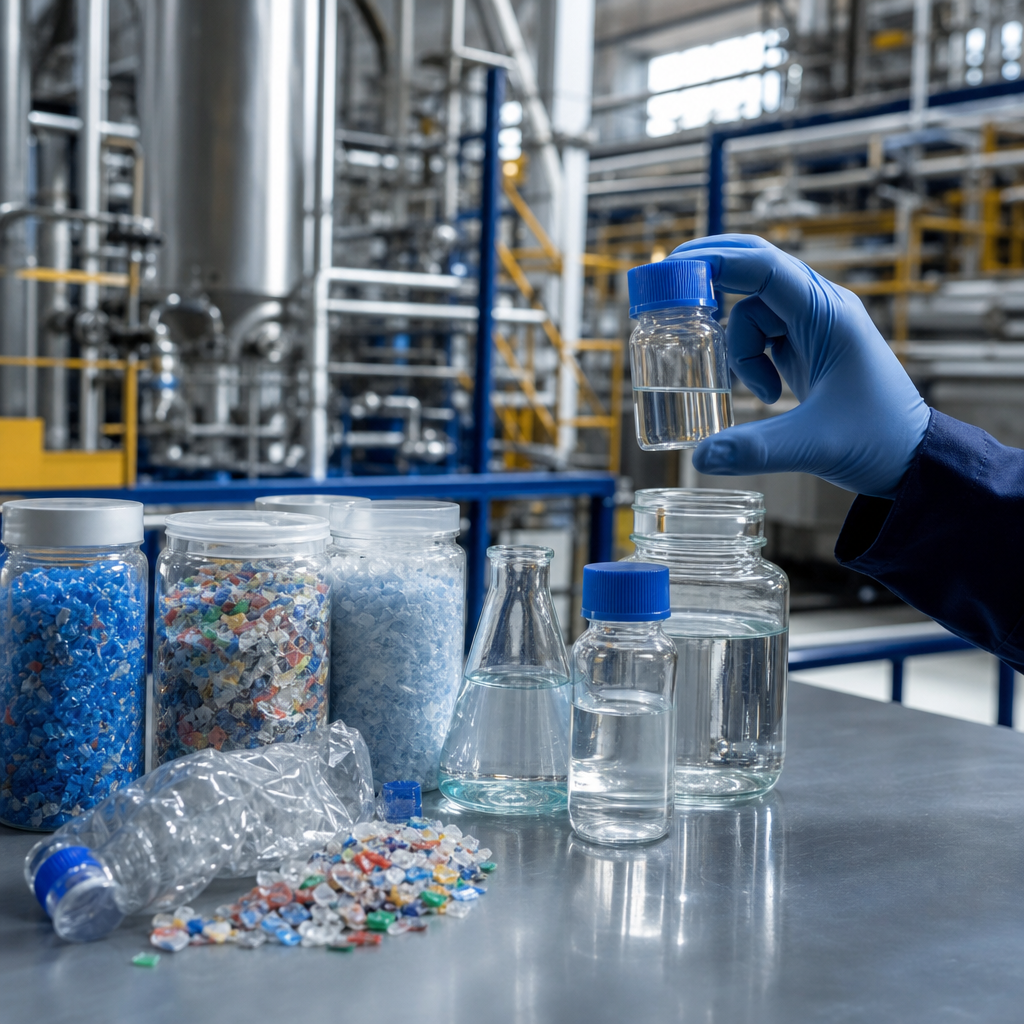
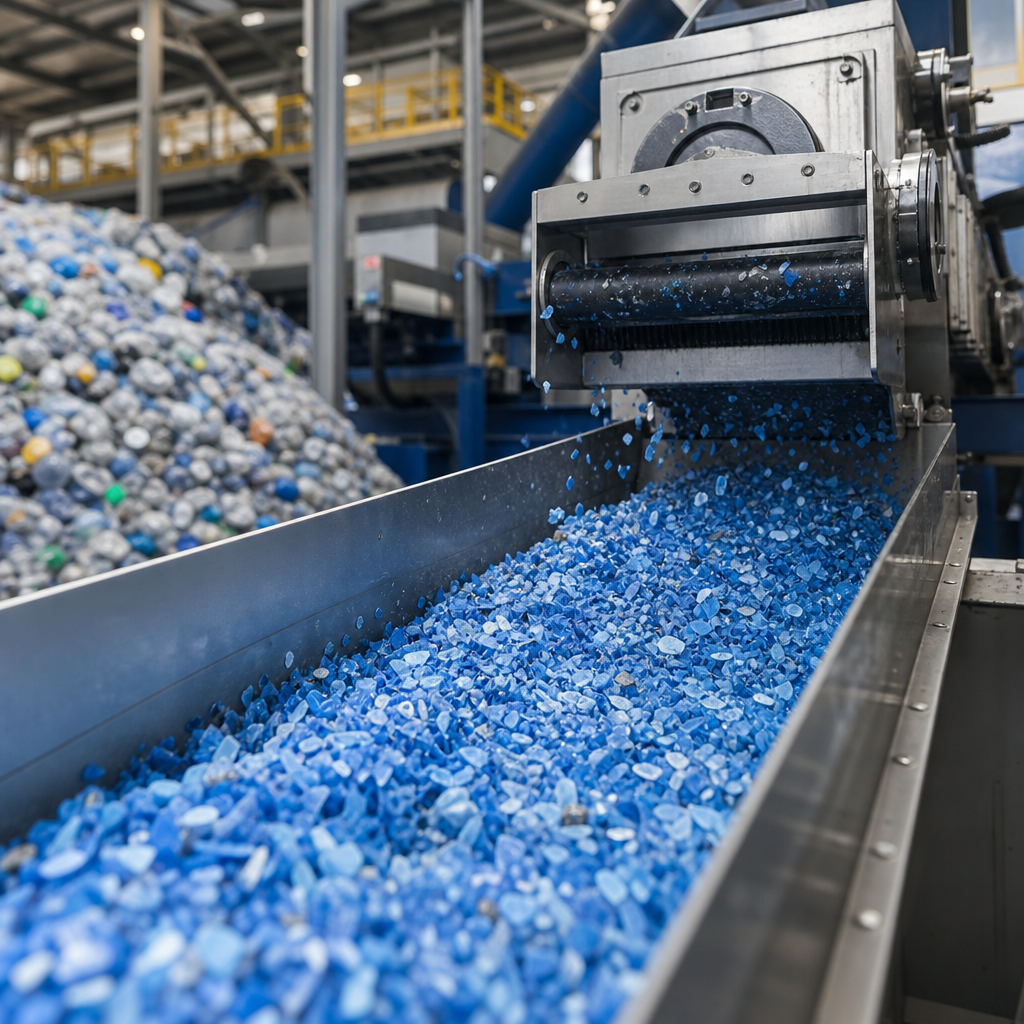
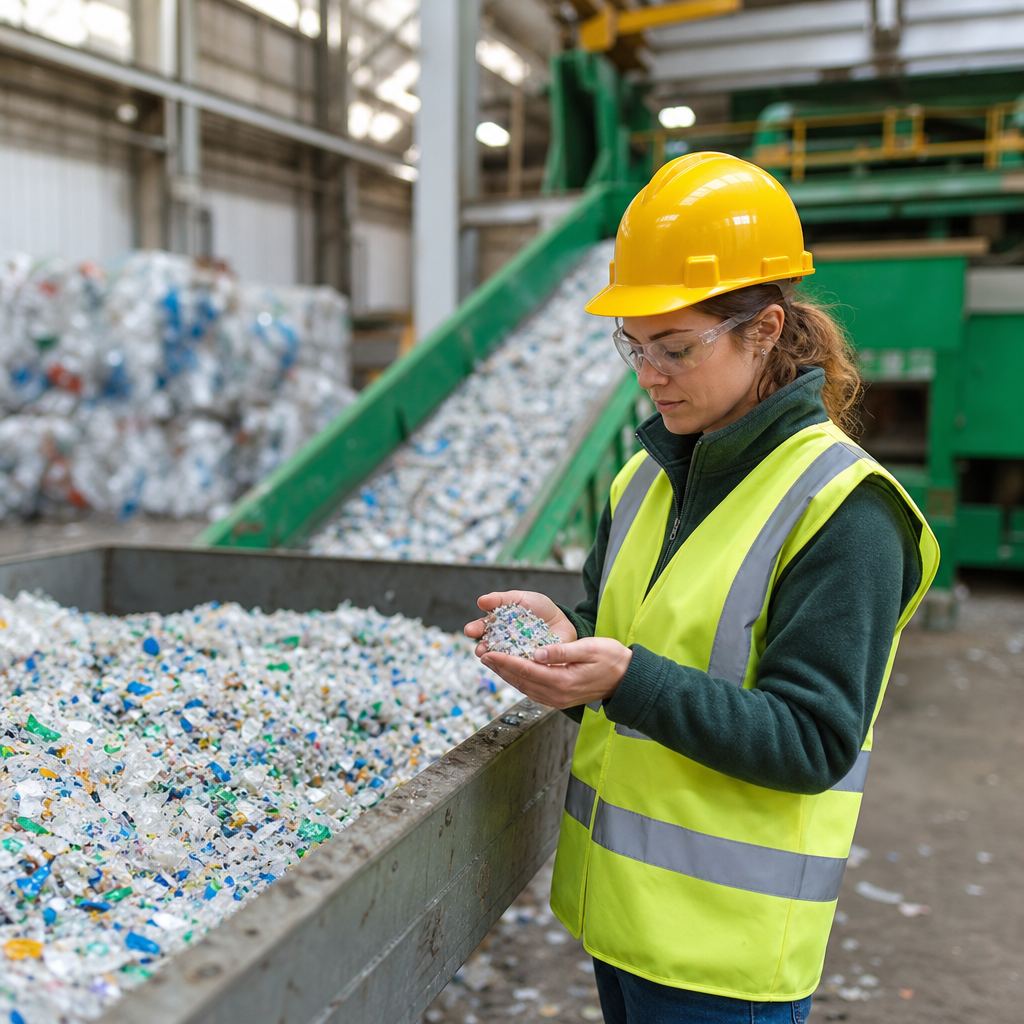
The next phase of wind turbine efficiency will be shaped by polymers that are not only durable, but easier to repair, monitor, and recycle. Blade waste has become a visible challenge because conventional thermoset composites are difficult to remanufacture at high value. The industry is responding with recyclable resin systems, thermoplastic composites, improved mechanical grinding routes, and chemical recycling methods such as solvolysis and pyrolysis for fiber recovery. Siemens Gamesa has publicized recyclable blade concepts using resin chemistry designed for later separation, and multiple research groups are advancing vitrimer systems that combine thermoset-like performance with reprocessability.
Repair innovation also matters. Faster-curing resins, portable heat-blanket systems, and smarter surface preparation methods reduce downtime during blade maintenance. Embedded sensors in polymer composite structures can track strain, acoustic events, or moisture ingress, allowing earlier intervention before performance drops. Digital twins become more useful when material behavior is well characterized, because operators can link inspection data to predicted remaining life. In commercial terms, that means better maintenance timing, fewer unnecessary replacements, and steadier energy production.
For manufacturers and operators building a case studies and applications knowledge base, polymers deserve hub-level attention because they connect every major turbine outcome: power capture, structural life, O&M cost, offshore survivability, and end-of-life strategy. The most effective programs treat polymer decisions as strategic engineering choices rather than procurement details. If you are evaluating innovative polymer applications, focus on lifecycle evidence, process control, field repair history, and compatibility across the full turbine system. Those are the factors that consistently turn advanced materials into measurable wind turbine efficiency gains.
Frequently Asked Questions
How do polymers improve the overall efficiency of a wind turbine?
Polymers improve wind turbine efficiency by helping critical components perform better, last longer, and operate with lower losses over time. In turbine blades, polymer-based composites such as epoxy or polyester resins reinforced with glass or carbon fibers make it possible to build long, lightweight structures with high stiffness and excellent fatigue resistance. That lower weight reduces gravitational loading and allows the blades to respond more effectively to changing wind conditions, which supports better aerodynamic performance and higher energy capture. In other words, polymers help blades maintain the shape and structural integrity needed for efficient operation without adding unnecessary mass.
Beyond the blades, polymers are also essential in coatings, seals, cable insulation, bearings, nacelle components, and power electronics. Protective polymer coatings shield surfaces from moisture, ultraviolet exposure, salt spray, erosion, and chemical attack, all of which can degrade turbine performance if left unchecked. Elastomeric seals keep lubricants in and contaminants out, which helps gearboxes, pitch systems, and bearings run reliably. High-performance polymer insulation in cables and electronic systems improves electrical safety and reduces the risk of failure in harsh outdoor environments. When all of these material benefits are combined, polymers contribute directly to lower maintenance needs, better uptime, and a lower levelized cost of energy, which is one of the most important measures of wind farm efficiency in real-world operation.
Why are polymer composites so important in wind turbine blade design?
Polymer composites are central to blade design because they offer a rare combination of low weight, high strength, corrosion resistance, and manufacturability. A modern wind turbine blade must be long enough to sweep a large area and capture more wind energy, but it also has to withstand millions of loading cycles from rotation, turbulence, gusts, and weather changes. Traditional materials such as metals can be too heavy or prone to corrosion for this application at scale. Fiber-reinforced polymer composites solve that problem by combining a polymer matrix with strong reinforcing fibers, producing blades that are both structurally capable and comparatively lightweight.
This matters for efficiency in several ways. Lighter blades reduce loads on the hub, drivetrain, tower, and foundation, which can enable larger rotor diameters without proportionally increasing structural penalties. Composite materials can also be engineered to deliver directional stiffness, meaning designers can tailor the blade to bend and twist in beneficial ways under load. That helps preserve aerodynamic performance, reduce stress concentrations, and improve control over how the blade responds in different wind regimes. Just as importantly, polymer composites support scalable manufacturing methods such as resin infusion and other molding processes, allowing producers to make large, consistent blade structures with tight quality control. The result is a blade system that supports energy capture, reliability, and cost-effective production at the same time.
What types of polymer applications beyond the blades help wind turbines perform better?
Although blades receive most of the attention, many non-blade polymer applications play a major role in turbine efficiency and reliability. Surface coatings are one of the most important examples. Polymer-based coatings protect blades and towers from rain erosion, salt exposure, sand, ice-related wear, and ultraviolet degradation. If a blade surface becomes rough, chipped, or contaminated, aerodynamic drag can increase and energy production can decline. Durable coatings help preserve smooth airflow over the blade and reduce the need for frequent repair, which supports both performance and availability.
Seals, gaskets, adhesives, encapsulants, cable jackets, and insulating materials are also essential. Elastomeric and engineered polymer seals protect gearboxes, pitch bearings, yaw systems, and hydraulic units from dirt, water, and lubricant loss. Adhesives and structural bonding materials allow manufacturers to join blade shells and internal components with high strength while distributing loads efficiently. In electrical systems, polymer insulation and jacketing protect medium- and high-voltage cables from moisture ingress, thermal stress, and mechanical damage. Power electronics inside converters and control systems rely on polymeric encapsulation and insulation materials to maintain electrical performance and thermal durability. Taken together, these applications help reduce failure rates, extend service intervals, and keep turbines producing power more consistently in demanding field conditions.
How do polymers help reduce maintenance costs and extend turbine service life?
Polymers help reduce maintenance costs primarily by resisting the environmental and mechanical stresses that commonly damage wind turbine components. Wind turbines operate for years in exposed conditions that may include offshore salt spray, humidity, temperature cycling, ultraviolet radiation, icing, airborne particles, and continuous vibration. Polymer materials can be formulated to resist many of these stressors. Corrosion-resistant composites do not rust like metals, protective coatings slow environmental degradation, and engineered elastomers maintain sealing performance even under repeated compression and motion. These properties help preserve component integrity and reduce the likelihood of premature failure.
Service life extension is especially important because wind farm economics depend heavily on uptime and predictable operating expenses. Every avoided repair reduces labor, crane use, replacement parts, and lost generation. For example, erosion-resistant polymer coatings on blade leading edges can delay the onset of surface damage that would otherwise reduce aerodynamic efficiency and require maintenance campaigns. Long-lasting cable insulation helps prevent electrical faults that can be expensive and difficult to diagnose. Polymer-based bearing cages, liners, or tribological components in selected applications can also reduce wear, friction, and lubrication challenges. By supporting more reliable operation across multiple subsystems, polymers help operators lower the levelized cost of energy not just through better performance, but through fewer interruptions and longer asset life.
What innovations in polymer technology are shaping the future of wind turbine efficiency?
Several polymer innovations are advancing wind turbine efficiency by improving material performance, manufacturing speed, and end-of-life sustainability. One major area is the development of tougher, lighter, and more fatigue-resistant resin systems for blades. As turbines grow larger, blades must endure greater stresses without becoming too heavy or too difficult to manufacture. Advanced thermoset and thermoplastic polymer systems are being engineered to improve crack resistance, damage tolerance, and processing efficiency. Some next-generation materials also enable faster curing or more automated manufacturing, which can reduce production costs and improve consistency across large blade structures.
Another important trend is the rise of smarter and more durable surface materials. New coating systems are being designed to better resist leading-edge erosion, fouling, and harsh offshore exposure, helping blades retain their aerodynamic profile longer. There is also growing interest in recyclable or reprocessable polymer systems to address the industry’s sustainability goals, especially for decommissioned blades. In electrical systems, higher-performance polymer dielectrics and encapsulants are supporting more efficient power conversion and more robust electronics. Researchers are also exploring self-healing polymers, nano-enhanced composites, and advanced adhesive technologies that can improve structural monitoring, repairability, and durability. These innovations matter because wind energy competitiveness increasingly depends on extracting more energy from each turbine while reducing manufacturing, operating, and lifecycle costs, and polymers are at the center of that progress.