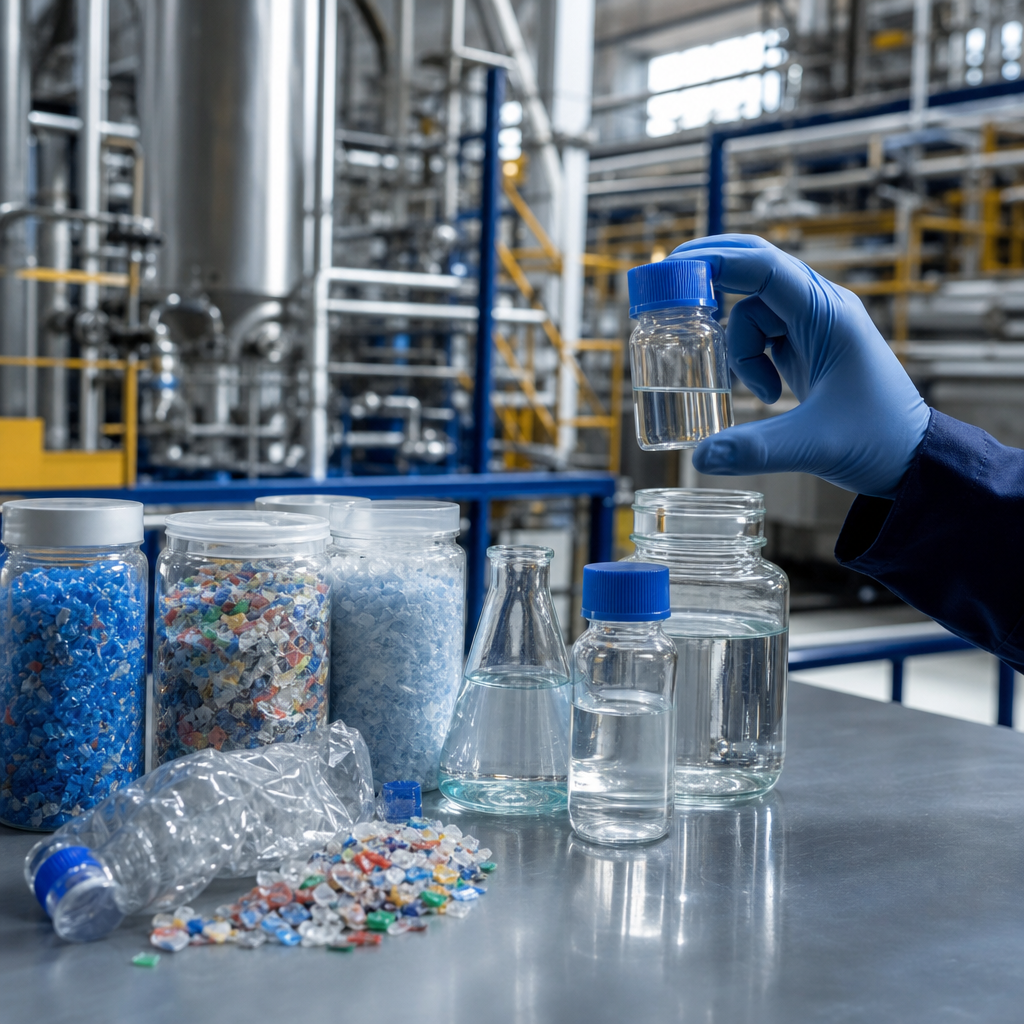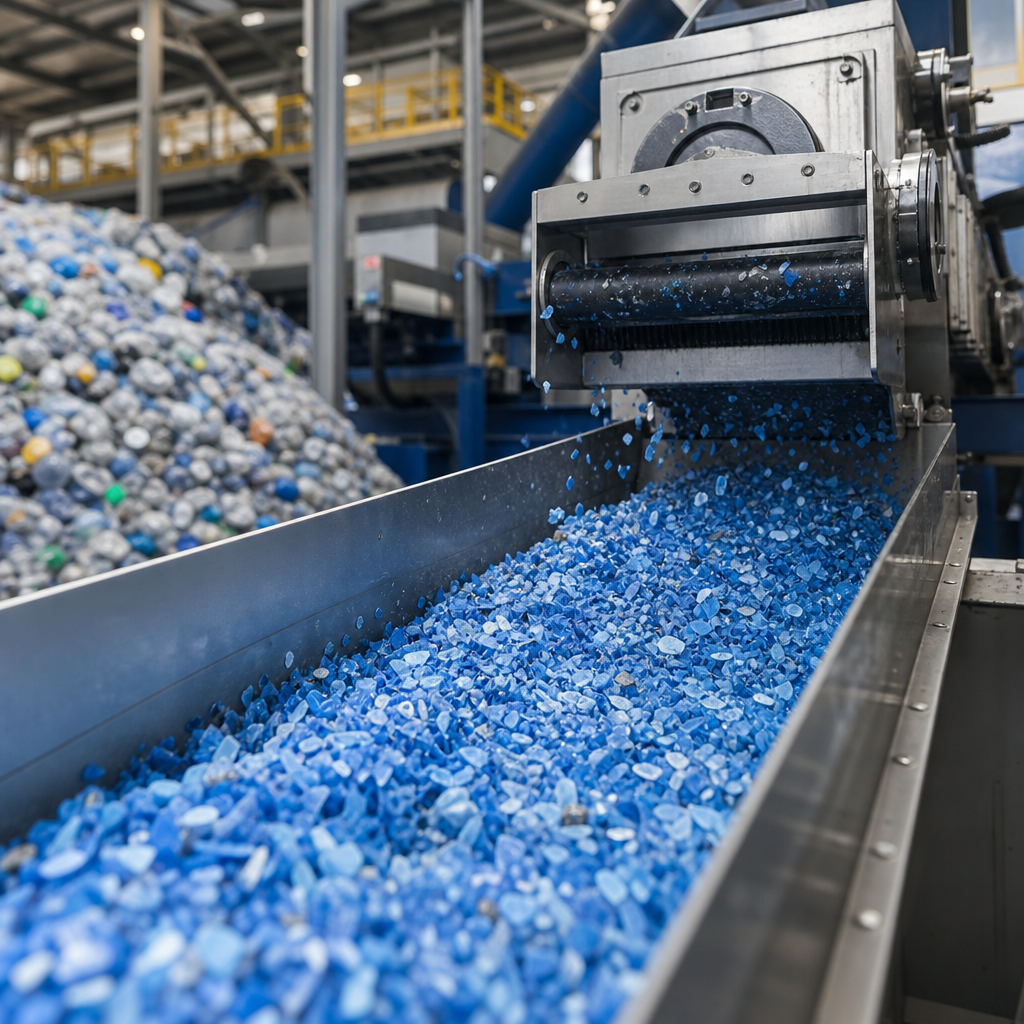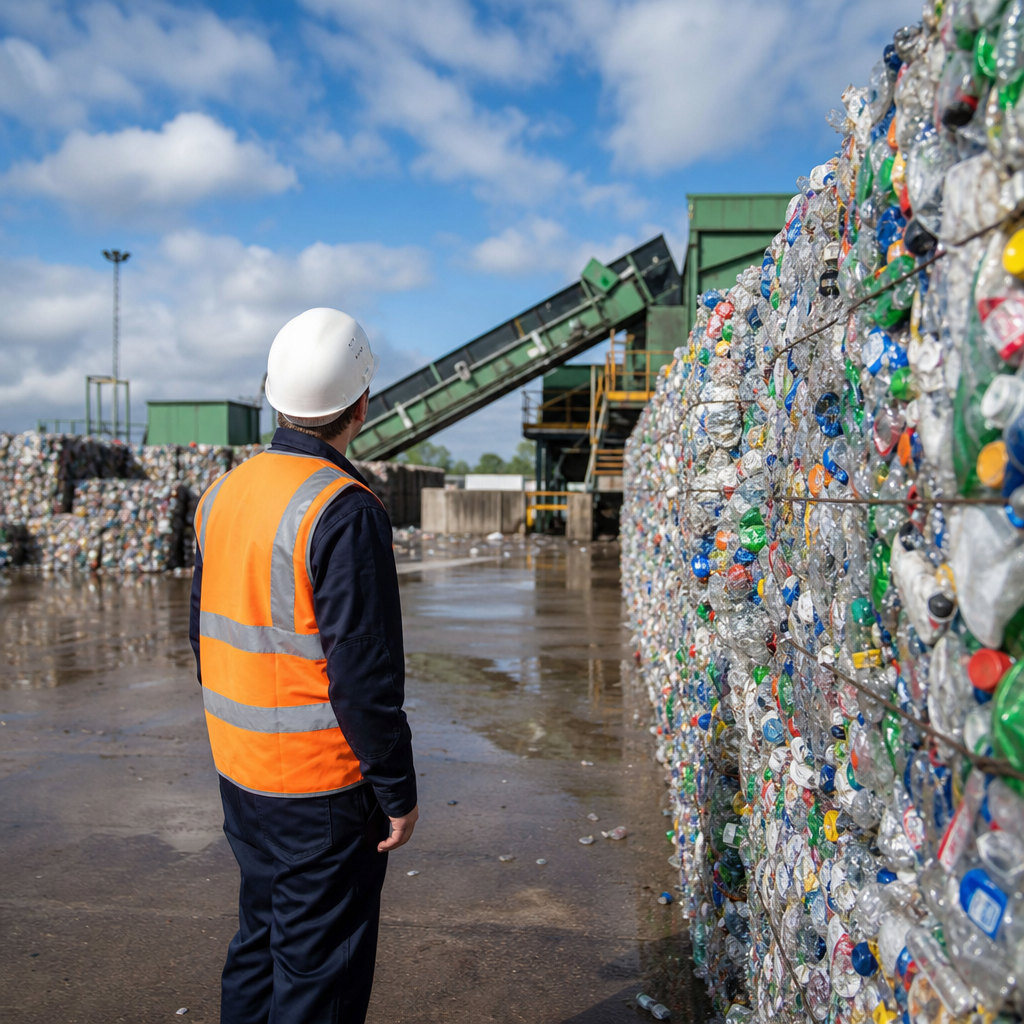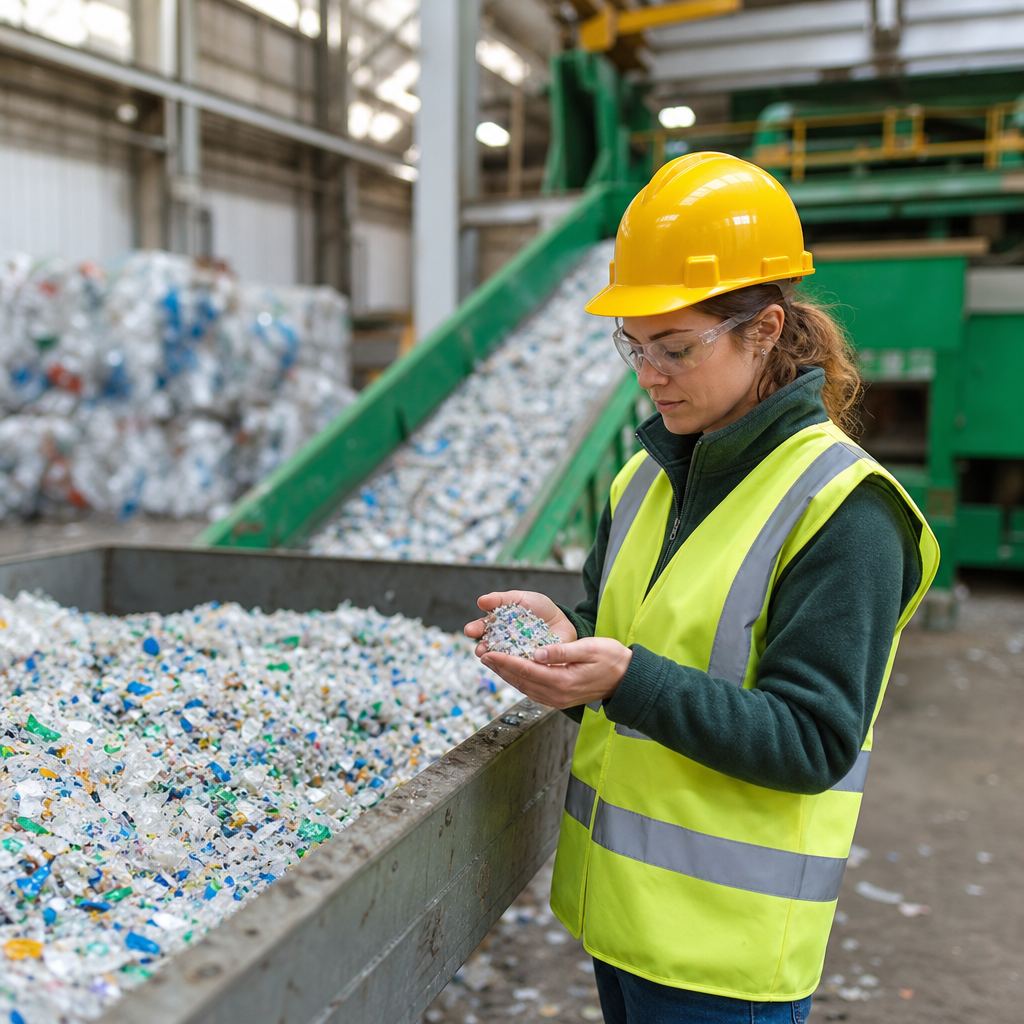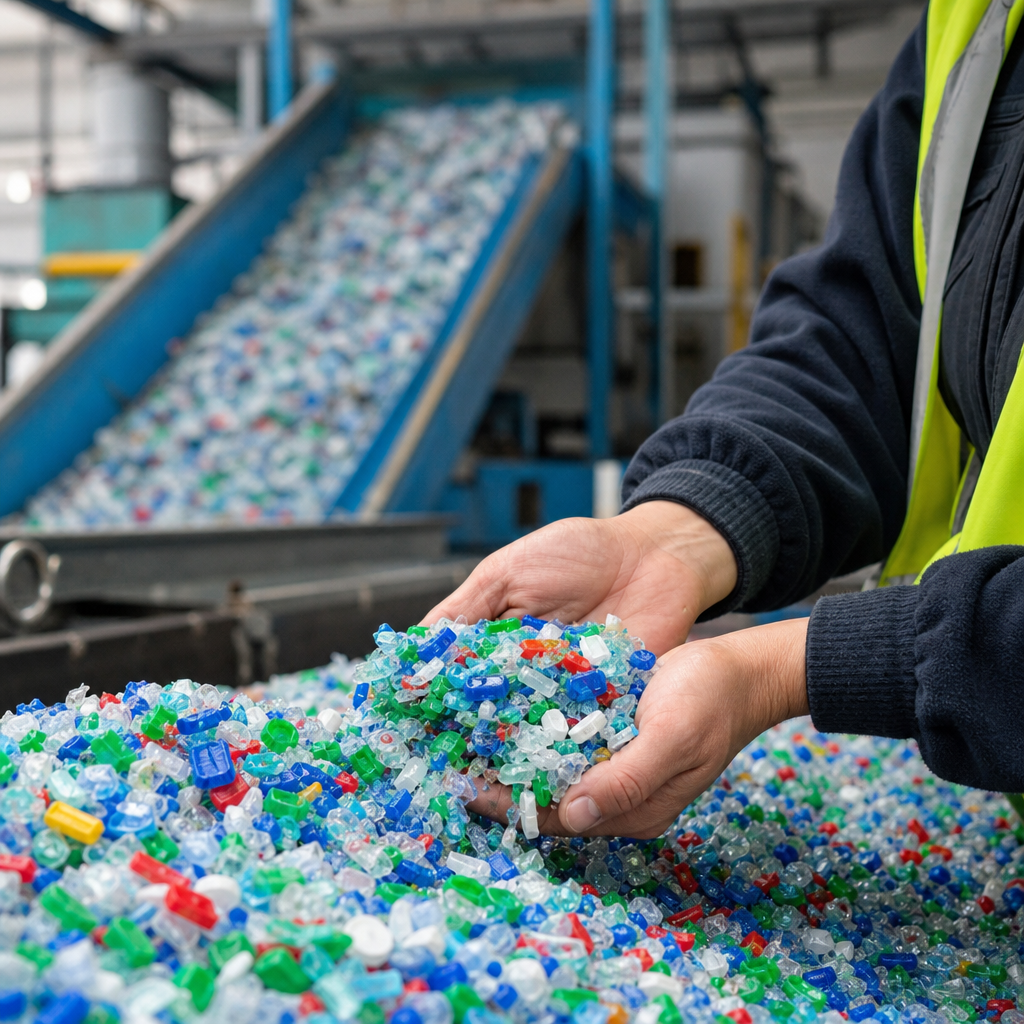
Design for recycling is reshaping polymer manufacturing because it moves recyclability from an afterthought to a product requirement set at the earliest design stage. In polymer manufacturing, design for recycling means selecting resins, additives, colors, barrier layers, labels, closures, and forming processes so a product can be collected, sorted, reprocessed, and reused at scale with acceptable economics and material performance. As a hub for case studies in polymer recycling, this article explains how design choices made in packaging, automotive parts, consumer goods, textiles, and industrial applications determine whether plastics become feedstock for the next product cycle or costly waste. I have worked with packaging converters and recyclers where a small specification change, such as replacing a carbon-black masterbatch or eliminating an incompatible adhesive, immediately improved bale value and reprocessing yield. That direct link between product design and recycling outcomes is why the topic matters now.
Polymer manufacturing sits at the center of a difficult equation. Global demand for plastics continues to grow in food protection, medical safety, lightweight mobility, and infrastructure, yet mechanical and chemical recycling systems still struggle with mixed materials, contamination, and inconsistent feedstock quality. Design for recycling addresses those bottlenecks by making products compatible with existing collection and sorting infrastructure, preserving polymer purity, and reducing the need for downcycling. It also supports regulatory compliance, including extended producer responsibility rules, minimum recycled content targets, packaging waste directives, and corporate commitments tied to climate and circularity goals. For manufacturers, the issue is not abstract. Poor design reduces throughput, raises wash-line costs, lowers melt quality, and increases reject rates. Good design improves sortability, stabilizes recycled resin supply, and helps protect brand value in markets where customers increasingly ask whether a plastic product is actually recyclable in practice, not only in theory.
Case studies are especially useful because polymer recycling is highly application specific. A polyethylene bottle, a multilayer snack pouch, a glass-fiber polypropylene bumper, and a PET thermoform tray each fail or succeed for different technical reasons. Looking across these examples reveals patterns that engineers can apply across product portfolios. The core lesson is consistent: recyclable polymer products are not defined by resin choice alone; they are defined by system compatibility, from material formulation through end-of-life processing.
What Design for Recycling Means in Polymer Manufacturing
In day-to-day manufacturing, design for recycling is a disciplined method for aligning product architecture with real recycling pathways. The first question is practical: which recovery stream is the product likely to enter, and what equipment will handle it? A rigid HDPE bottle in a curbside program may go through near-infrared sorting, grinding, float-sink separation, hot washing, melt filtration, deodorization, and pelletizing. If the bottle uses a full-body shrink sleeve, metallic ink, silicone valve, or incompatible barrier layer, each feature can interfere with that route. The design task is therefore to preserve identification, separation, and melt compatibility.
Standards and guidance from organizations such as the Association of Plastic Recyclers, RecyClass, CEFLEX, and Plastics Recyclers Europe have made this more concrete. They specify preferred material combinations, label coverage limits, closure recommendations, density considerations, and testing protocols. In my experience, the manufacturers that make the fastest progress treat these guidelines as design inputs equal to cost, aesthetics, and performance. They run recyclability reviews during concept development, not after a customer complaint or a failed sustainability audit. That shift reduces redesign cost and avoids launching products that look recyclable on pack but create losses at a material recovery facility.
Packaging Case Studies: Bottles, Trays, and Flexible Films
Packaging offers the clearest evidence that design decisions govern recycling outcomes. Consider the transition from pigmented to natural HDPE milk bottles in several markets. Natural bottles are favored because recyclers can turn them into a wider range of high-value applications, including new containers, pipes, and household products. When brands switch from opaque colored formats to natural or lightly tinted resin, they increase the utility of post-consumer recycled HDPE and improve bale economics. The technical reason is straightforward: pigment narrows end-use options, while cleaner, more uniform feedstock supports higher-quality regrind and compound production.
PET bottles provide another strong example. Clear, uncolored PET with compatible closures and washable labels is among the most successful plastic packaging formats in mechanical recycling. Deposit return systems in countries such as Germany and Norway demonstrate how design and collection quality work together. High capture rates and relatively clean streams allow bottle-to-bottle recycling because the incoming material is sorted and processed with low contamination. By contrast, PET bottles with PVC labels, heavy adhesives, or multilayer barriers can create defects, yellowing, or black specks during extrusion. A bottle may contain mostly recyclable PET, but if attached components compromise the melt, the effective recyclability drops sharply.
PET thermoform trays show the opposite challenge. For years, trays lagged behind bottles because sorting systems often targeted bottle shapes, and many trays used additives or structures that complicated recycling. Recent case studies show improvement where tray producers standardized formulations, reduced problematic additives, and collaborated with reclaimers to validate tray-to-tray recycling. The lesson is important for hub readers: recycling progress often comes from coordinated design and infrastructure updates rather than a single material breakthrough.
Flexible packaging remains the most difficult major packaging category. Multilayer laminates combine polyethylene, polypropylene, polyamide, aluminum, and tie layers to deliver barrier performance and seal integrity, but these same structures frustrate recycling because they cannot be easily separated. The most promising case studies involve redesign from mixed-material laminates to mono-material polyethylene or polypropylene structures. These are not perfect substitutes in every application; oxygen barrier, stiffness, and puncture resistance can still require tradeoffs. Still, brands that redesign dry food pouches or household product refill packs into recycle-ready mono-material formats have shown that substantial progress is possible when converters adjust sealing layers, orient film structures carefully, and verify performance on actual recycling lines.
| Application | Design choice | Recycling impact | Case study lesson |
|---|---|---|---|
| HDPE milk bottle | Natural resin instead of opaque pigment | Higher-value recycled output | Color control expands end markets |
| PET beverage bottle | Washable label and clear body | Better bottle-to-bottle yield | Attached components matter as much as base resin |
| PET tray | Standardized additives and better sorting recognition | Improved tray recycling feasibility | Infrastructure and design must evolve together |
| Flexible pouch | Mono-material PE redesign | Greater compatibility with film recycling streams | Barrier performance requires careful engineering tradeoffs |
Automotive and Durable Goods Case Studies
Automotive polymer recycling demonstrates the role of design for recycling in complex, long-life products. Vehicles contain polypropylene compounds, ABS, polyamide, polyurethane, and reinforced engineering plastics distributed across interiors, bumpers, underbody shields, and electrical housings. End-of-life vehicle processors need rapid dismantling and polymer identification to recover these materials economically. Where automakers standardize polypropylene grades across interior parts, mark components according to ISO material coding practices, and avoid inseparable multi-material assemblies, recyclers can recover larger volumes of usable resin. Bumper recycling in Europe is a practical example. Polypropylene bumpers, when collected in sufficient volume and kept relatively free from paint and metal contamination, can be shredded, sorted, compounded, and returned to automotive or non-automotive applications.
The obstacle is often not the polymer itself but the assembly design. Overmolded inserts, mixed fasteners, thick paint systems, elastomer attachments, and embedded electronics increase dismantling cost and reduce material purity. I have seen durable goods programs lose viable recycling routes because a housing designed for visual appeal used two incompatible polymers permanently bonded together. The redesign that solved the issue was not dramatic: snap-fit construction replaced adhesive bonding, material families were reduced, and hidden parts switched to unfilled polypropylene. Recovery improved immediately because disassembly became faster and the resin stream became more homogeneous.
Consumer electronics present similar lessons. Acrylonitrile butadiene styrene and polycarbonate blends are common, but brominated flame retardants historically created serious recycling restrictions. Better outcomes come from choosing compliant flame-retardant systems, identifying polymers clearly, and designing casings that can be opened without shredding entire assemblies. These are practical engineering choices, not abstract sustainability gestures. When taken early, they protect value at end of life.
Textiles, Industrial Films, and Emerging Recycling Pathways
Textile and fiber applications show how difficult recycling becomes when products are optimized for performance without considering separation. Polyester garments blended with elastane improve fit and comfort, yet the blend complicates fiber-to-fiber recycling. The strongest case studies in this area involve mono-material polyester designs, removable trims, and digital product passports that identify composition. Some brands are also simplifying dye chemistry and reducing accessory complexity so garments can be sorted and processed with greater accuracy. In manufacturing terms, that means recyclability is being built into yarn selection, knitting structure, and trim specification rather than outsourced to a future technology that may not scale.
Industrial films used in agriculture, pallet wrap, and construction also reveal the importance of contamination control. Low-density polyethylene film is technically recyclable, but soil, moisture, labels, and incompatible layers can make washing uneconomic. Successful agricultural film recovery programs usually combine design changes with operational controls: thicker mono-material films that survive collection, clearer labeling, take-back logistics, and preprocessing that reduces dirt load. In pallet stretch film, closed-loop systems work because the material is relatively uniform and the collection environment is controlled. This is a recurring pattern across case studies: the cleaner and more predictable the polymer stream, the more likely it is to be recycled back into useful products.
Emerging chemical recycling pathways deserve balanced treatment. Pyrolysis and depolymerization can handle feedstocks that mechanical recycling cannot, including some mixed or contaminated plastic streams. However, design for recycling still matters. Chlorine-containing materials, excessive fillers, and problematic additives can disrupt process chemistry, lower oil quality, or increase pretreatment cost. Chemical recycling is not a license to ignore product design. It works best when manufacturers reduce hazardous components, disclose formulations, and target streams that are unsuitable for mechanical recycling but still chemically recoverable. The most credible projects position chemical recycling as a complement to, not a replacement for, high-quality mechanical recycling.
How Manufacturers Build Recyclability into Product Development
The most effective manufacturers use a gated process for recyclability. Concept teams start by mapping the likely end-of-life route by geography, since a package considered recyclable in one country may have no practical collection system in another. Materials engineers then screen polymers, pigments, fillers, adhesives, and labels against published design guidelines and internal approved-substance lists. Prototype parts are tested not only for mechanical performance and shelf life but also for sortability, washability, melt flow, odor, color carryover, and reprocessed property retention. This is where design for recycling becomes a serious technical discipline.
Digital tools are increasingly important. Manufacturers use life cycle assessment software to compare carbon and energy effects, but they also rely on recyclability assessment tools, resin databases, near-infrared detectability testing, and pilot line trials with reclaimers. In packaging, a design may pass laboratory seal tests and still fail in recycling because label adhesive does not release in caustic wash conditions. In automotive applications, a part may meet impact targets but remain economically unrecoverable due to inseparable metal inserts. Cross-functional reviews catch these problems early.
Procurement and sales teams also matter. Recyclable design fails if suppliers substitute unapproved additives or if brand owners insist on decorative effects that block sorting. The strongest case studies involve supplier agreements, design scorecards, and shared metrics such as recycled yield, contamination rate, post-consumer resin incorporation, and closed-loop content return. Once those metrics are tracked, recyclability stops being a marketing claim and becomes an operating target.
Common Tradeoffs and What the Best Case Studies Prove
No serious discussion of polymer recycling is complete without acknowledging tradeoffs. Barrier packaging protects food and can prevent emissions associated with spoilage, but high barrier often uses mixed materials that are hard to recycle. Dark colors can support branding but defeat optical sorting. Fillers reduce cost and improve stiffness in some applications, yet they may lower recycled resin performance. Recycled content itself can introduce odor, haze, or variability if feedstock quality is poor. Engineers must balance these constraints instead of pretending one variable decides everything.
The best case studies prove three things. First, simplicity wins. Fewer material types, detachable components, and clear labeling improve recovery in almost every sector. Second, compatibility beats theoretical recyclability. A polymer is only recyclable when it fits available collection, sorting, and reprocessing systems. Third, collaboration changes results. Manufacturers that work directly with material recovery facilities, reclaimers, compounders, and brand owners solve problems faster than those designing in isolation. If you are building a polymer recycling strategy, use these case studies as a working playbook: review current product designs, identify incompatibilities, test redesigns with actual recyclers, and scale the formats that preserve material value through multiple cycles.
Design for recycling is therefore not a narrow packaging trend but a core manufacturing discipline. It improves material recovery, supports compliance, reduces reliance on virgin resin, and strengthens the economics of circular polymer systems. Across bottles, films, automotive parts, electronics, and textiles, the same conclusion holds: products become recyclable when engineers intentionally design them for real-world collection and reprocessing. Start with one product family, benchmark it against established recyclability guidance, and turn the next design review into the point where waste is engineered out of the system.
Frequently Asked Questions
What does design for recycling mean in polymer manufacturing?
Design for recycling in polymer manufacturing means building recyclability into a product from the very beginning rather than trying to solve waste issues after the product is already in the market. In practical terms, it is the discipline of choosing polymer types, additives, pigments, labels, adhesives, barrier layers, closures, and forming methods so that the finished item can move through real-world collection, sorting, washing, reprocessing, and remanufacturing systems with a high likelihood of success. The goal is not just theoretical recyclability, but compatibility with the infrastructure that actually exists at scale.
For polymer manufacturers, this approach changes the definition of good product design. A package or component is no longer judged only by cost, aesthetics, strength, and shelf life. It is also evaluated based on whether it can be identified by sorting equipment, whether it avoids problematic material combinations, whether contaminants can be removed efficiently, and whether the recycled output will retain enough value and performance to be used again. That makes design for recycling a cross-functional strategy involving material science, processing, converting, product development, and end-of-life systems.
At its core, design for recycling recognizes that many recycling failures are locked in during the design stage. If a product uses incompatible multilayer structures, carbon black pigments that are hard for sorters to detect, adhesives that interfere with washing, or mixed-material assemblies that are difficult to separate, those decisions can reduce recovery rates long before the product reaches a recycling facility. By contrast, when manufacturers select widely recyclable resin systems and simplify product construction, they improve both circularity and the economics of recovery.
Why is design for recycling becoming so important for polymer manufacturers?
Design for recycling is becoming essential because the polymer industry is under growing pressure to deliver materials and products that perform well in use and remain valuable after use. Brands, regulators, recyclers, retailers, and consumers increasingly expect packaging and polymer-based products to support circular economy goals. That means manufacturers are being asked not only to produce high-quality polymers, but also to make sure those polymers can stay in productive use through recycling systems instead of becoming waste.
There is also a strong business case. Products that are easier to recycle are more likely to be accepted by collection programs, more likely to be recovered by material recovery facilities, and more likely to generate usable recyclate. This can reduce reliance on virgin resin over time, support corporate sustainability targets, and improve supply resilience as demand for recycled content rises. In many markets, recyclability is now tied to extended producer responsibility fees, packaging taxes, retailer requirements, and public procurement standards. Better design can therefore lower compliance costs and reduce future regulatory risk.
Another reason it matters is that recycling economics depend heavily on input quality. Recyclers can only produce high-value recycled polymer when feedstock is consistent, sortable, and relatively free of problematic additives and material combinations. Design for recycling helps create that better feedstock. In other words, it is not just a sustainability concept; it is a manufacturing and systems optimization strategy. Companies that adopt it early are often better positioned to respond to policy changes, customer expectations, and evolving market demand for circular materials.
Which product design choices most affect polymer recyclability?
Several design choices have an outsized impact on whether a polymer product can be recycled successfully. The first is resin selection. Using a single, widely recycled polymer stream such as PET, HDPE, or PP is generally more favorable than combining multiple incompatible materials into one structure. When multilayer designs are necessary for performance reasons, the compatibility of those layers with existing recycling systems becomes a critical issue. Complex laminates may offer excellent barrier performance, but they can be difficult or impossible to separate economically in many recycling environments.
Color also matters more than many people realize. Natural or light-colored polymers often have more end-market flexibility because they can be reprocessed into a wider range of products. Dark colors, especially certain black pigments, can create problems for optical sorting systems and reduce the value of recycled output. Additives, fillers, and barrier coatings can also affect melt behavior, odor, clarity, and mechanical properties during reprocessing, which means they must be selected carefully with end-of-life performance in mind.
Labels, inks, sleeves, adhesives, and closures are equally important. A recyclable bottle can be made far less recyclable if it has a full-body sleeve that confuses sortation equipment, an adhesive that does not wash off cleanly, or a closure made from a material that contaminates the main resin stream. The same is true for product geometry and forming processes. Design features that trap residue, create disassembly challenges, or increase contamination can lower recovery rates. The best design-for-recycling outcomes usually come from simplifying the structure, minimizing incompatible components, and aligning each design detail with the realities of sorting and reprocessing infrastructure.
How does design for recycling improve the economics and performance of recycled polymers?
Design for recycling improves economics by increasing the likelihood that a product will be captured, correctly sorted, and converted into a recyclable feedstock that has market value. Recycling systems work best when incoming materials are predictable and compatible with the process. When products are designed with clear polymer identity, fewer contaminants, and easier component separation, processors can run more efficiently, reduce yield losses, and produce recycled resin with more consistent quality. That consistency is a major driver of commercial value.
From a performance perspective, thoughtful design helps preserve the properties of polymers through the recycling loop. Every unnecessary additive, incompatible layer, residual adhesive, pigment, or contaminant can affect melt flow, mechanical strength, appearance, odor, and processing stability. If those issues accumulate, the recycled polymer may be downgraded into lower-value applications or rejected entirely. By designing products that generate cleaner recycling streams, manufacturers help recyclers produce material that is suitable for more demanding end uses, including applications that require tighter specifications.
There is also a compounding systems benefit. Higher-quality recyclate can support greater incorporation rates in new products, which strengthens demand for collected material and improves the economics of the entire value chain. Better design can reduce sorting errors, washing burdens, and contamination management costs. Over time, this helps create a stronger business case for investment in recycling infrastructure and recycled-content manufacturing. In that sense, design for recycling does not just improve one product; it supports the broader market conditions needed for circular polymer manufacturing to scale.
What are the main challenges companies face when implementing design for recycling?
One of the biggest challenges is balancing recyclability with all the other requirements a polymer product must meet. Manufacturers often need to deliver barrier protection, stiffness, impact resistance, transparency, heat resistance, chemical compatibility, branding, shelf appeal, and cost competitiveness at the same time. In some applications, especially food, medical, or industrial packaging, the features that improve product protection can conflict with the features that make recycling easier. This creates real design trade-offs that cannot be solved by simple material substitution alone.
Another challenge is that recycling systems vary by region, technology, and end market. A design that is considered recyclable in one geography may not be effectively processed in another because collection practices, sorting equipment, and reprocessing capabilities differ. That means polymer manufacturers and brand owners need to evaluate recyclability against actual infrastructure, not just ideal laboratory assumptions. They also need up-to-date guidance from recyclers, industry design protocols, and market-specific regulations, all of which continue to evolve.
Implementation can also be slowed by organizational and supply-chain complexity. Design for recycling requires collaboration across resin suppliers, additive providers, converters, packaging engineers, recyclers, and brand teams. Data on material compatibility, wash-off behavior, sorting detectability, and recycled-content performance is not always complete or standardized. Companies may also face cost pressures when transitioning away from legacy materials or redesigning established products. Even so, the direction of travel is clear. Firms that treat recyclability as a design requirement rather than a downstream problem are generally better equipped to innovate, meet compliance expectations, and create polymer products that fit a more circular manufacturing future.