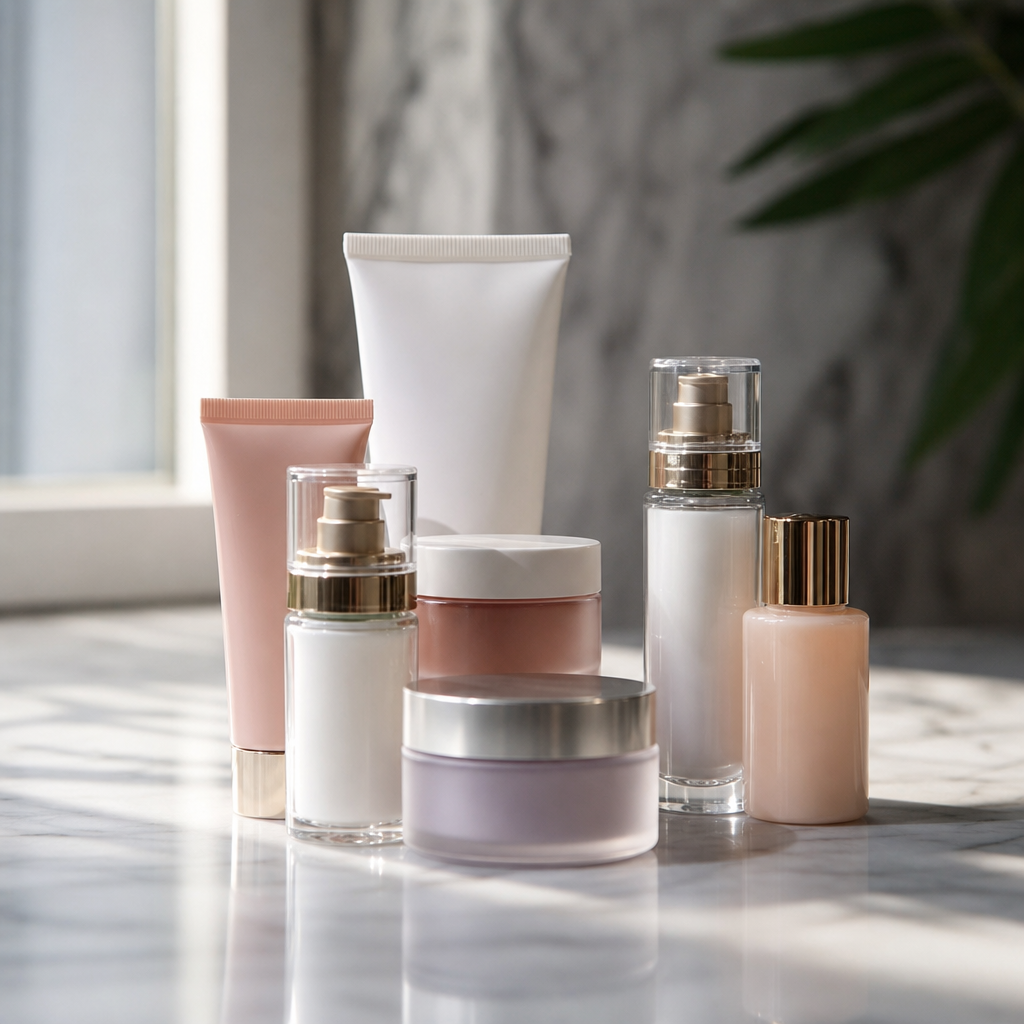
Polymers sit at the center of modern cosmetics packaging because they combine design freedom, barrier performance, compatibility with complex formulas, and manufacturing efficiency in ways glass, metal, and paper rarely match at scale. In consumer goods, a polymer is a large molecule built from repeating units, but in packaging practice the term covers a wide family of materials such as polyethylene, polypropylene, PET, acrylics, elastomers, biopolymers, and multilayer structures engineered for specific uses. I have worked on packaging selection projects where a small resin change solved problems ranging from fragrance loss to stress cracking, and that experience makes one point clear: material choice is not a styling detail, it is a product performance decision. For beauty brands, packaging must protect actives, dispense predictably, survive transport, signal premium quality, and increasingly support recyclability goals. That is why polymer innovations in consumer goods now shape everything from airless serum pumps to refillable lipstick cases. This hub article explains how polymers enable advanced cosmetics packaging, which materials dominate key formats, how brands evaluate performance, where sustainability claims hold up, and what real-world case studies reveal about tradeoffs between aesthetics, cost, and circular design.
Why polymers dominate cosmetics packaging formats
Cosmetics packaging has unusually demanding requirements because products can contain oils, alcohols, surfactants, pigments, UV-sensitive actives, and volatile fragrance compounds, often in the same portfolio. Polymers dominate because engineers can tune stiffness, clarity, squeeze response, impact strength, weldability, and decoration compatibility with far more precision than most alternative materials allow. PET is widely used for clear bottles because it offers gloss, toughness, and good oxygen barrier relative to polyolefins. High-density polyethylene performs well for shampoos and lotions because it is chemically resistant, economical, and easy to blow mold. Polypropylene is common in caps, jars, compacts, and dispensing components because it balances fatigue resistance with low density and strong hinge performance. Thermoplastic elastomers improve seals, valves, and tactile soft-touch features. These properties matter commercially. A prestige serum bottle needs visual purity and dimensional accuracy; a mass-market cleanser needs drop resistance and low unit cost; a refill pod needs snap-fit repeatability over multiple cycles.
Another reason polymers lead is process versatility. Injection molding supports intricate closures, mascara wipers, and lipstick mechanisms. Extrusion blow molding produces lightweight bottles at high throughput. Injection stretch blow molding creates PET containers with clarity and orientation-enhanced strength. Co-injection and multilayer technologies add ethylene vinyl alcohol or recycled content where barrier or sustainability targets demand it. Decoration methods such as in-mold labeling, hot stamping, metallization, silk screening, and digital printing integrate cleanly with polymer parts. In practical development work, this means a brand team can move from concept sketch to shelf-ready pack without changing material family every time marketing adjusts shape, finish, or dosage. Polymers also support tamper evidence, controlled dispensing, and ergonomic designs that improve consumer use. Those are not secondary benefits; they directly affect leakage rates, returns, and user satisfaction across skincare, fragrance, color cosmetics, and hair care.
Core polymer families and what each one does best
Different polymer families earn their place by solving specific packaging problems. PET excels when transparency and premium appearance matter, which is why many micellar water, toner, and fragrance-adjacent packs use it. Recycled PET is also increasingly available in cosmetic-grade streams, though color variability and acetaldehyde management still require attention. HDPE is the workhorse for body care bottles because it tolerates aggressive surfactant systems, gives reliable environmental stress crack resistance when properly specified, and accepts post-consumer recycled content in many noncritical applications. LDPE is preferred for squeezable tubes and dropper bottles because it flexes easily. PP stands out in jars and closures due to its chemical resistance, living hinge capability, and low moisture uptake. SAN and acrylics bring clarity and high-gloss aesthetics to premium components, though they can be more brittle. ABS is often selected for overcaps and decorative parts that need rigidity and metallization quality.
Specialty materials expand the design space further. EVOH layers improve oxygen barrier in sensitive formulas, especially natural products with fewer stabilizers. Nylon can add toughness in selective multilayer constructions. Ionomers and specialty elastomers improve seal integrity in pumps and closures. Biobased polyethylene, produced from renewable feedstocks such as sugarcane ethanol, offers drop-in performance with lower fossil input, while PLA and PHA attract interest for compostability but remain constrained by heat resistance, moisture sensitivity, infrastructure limits, and compatibility with mainstream recycling systems. Silicone, though not always grouped with commodity packaging polymers, remains essential in valves, applicators, and seals because it performs across wide temperature ranges and maintains softness over time. For hubs covering polymer innovations in consumer goods, this distinction is important: no single resin is best overall. The right choice depends on product chemistry, target market, processing route, and end-of-life pathway, and advanced cosmetics packaging succeeds when those variables are engineered together rather than sequentially.
Performance requirements: barrier, compatibility, dispensing, and shelf life
The first technical question in cosmetics packaging is simple: will the pack protect the formula for its intended shelf life? Barrier performance drives that answer. Oxygen can degrade retinol, vitamin C derivatives, and botanical extracts. Water vapor changes viscosity in creams and powders. Fragrance oils can permeate through less resistant polymers, reducing sensory quality and causing package odor transfer. UV light can discolor formulas or weaken active ingredients. Polymer selection therefore starts with permeation data, wall thickness, closure design, and, where needed, multilayer barriers or opacifying additives. In one project I supported, a lotion formula packaged in monolayer HDPE showed measurable fragrance loss during elevated-temperature stability testing. Moving to a higher-density structure with improved closure liner performance reduced loss enough to meet target sensory retention without redesigning the entire bottle.
Compatibility is equally decisive. Essential oils, solvents, and high surfactant loads can trigger swelling, extraction, paneling, or stress cracking. Standard protocols include accelerated aging, migration screening, torque retention checks, and orientation-specific drop tests after heat exposure. Dispensing performance matters too. Consumers notice whether a pump primes quickly, a tube recovers shape, or a jar thread cross-starts. Airless systems, usually built from combinations of PP, PE, elastomers, and sometimes metal springs, protect oxygen-sensitive formulas by minimizing backflow and product exposure. They also improve evacuation, which can exceed 90 percent in well-designed systems, reducing residual waste. For travel and e-commerce, impact resistance and seal integrity become critical. Testing commonly follows ASTM and ISO methods for compression, leakage, and transit simulation. The strongest packaging teams treat polymer choice as part of a full system: container, closure, liner, gasket, actuator, dip tube, decoration, and formula all interact, and a weakness in one component can negate excellent resin performance elsewhere.
Sustainability, refill models, and the reality of circular design
Sustainability is now a central driver of advanced cosmetics packaging, but polymer decisions only help when they align with collection, sorting, and reprocessing realities. The most practical improvements today are often lightweighting, mono-material design, PCR integration, and refill architecture. A PET bottle with a compatible sleeve and recyclable pump-free closure usually performs better in current systems than a visually striking multi-material pack that cannot be sorted. PP and HDPE are strong candidates for circularity because they are widely used and increasingly supported by recycling infrastructure, though cosmetic packaging still faces contamination, dark-color sorting issues, and small-format losses in material recovery facilities. Brands that specify post-consumer recycled content must validate odor, color consistency, and mechanical properties lot by lot. In my experience, PCR content targets are achievable, but only when teams lock quality standards early and accept that appearance windows may need adjustment.
Refill systems show where polymer innovation in consumer goods is moving fastest. A durable outer pack, often made from premium-grade PP, ABS, PET, or aluminum-polymer hybrids, can be paired with a lightweight refill cup or cartridge. This can cut material use per use cycle, but only if consumers actually repurchase refills and the replacement process is intuitive. Airless refill pods have gained traction in skincare because they protect formula stability while separating the decorative shell from the consumable unit. Brands such as L’Oréal, Puig, and several independent skincare lines have invested in refillable fragrance and treatment packaging, yet the environmental outcome still depends on transport efficiency, refill rate, and component separability. Claims around biodegradable and compostable polymers require even more caution. Unless a package is certified to recognized standards and collected in a matching system, the benefit is often theoretical. Effective circular design in cosmetics is not about novel resin alone; it depends on design for disassembly, clear labeling, regional infrastructure, and realistic consumer behavior.
Manufacturing advances and case studies from consumer goods
Recent manufacturing advances have expanded what polymers can do in beauty packaging. Chemical foaming and thin-wall molding reduce resin use without sacrificing stiffness in selected geometries. Digital watermarks and tracer technologies improve sorting potential for post-use packaging. Coextruded tubes now combine barrier layers with softer tactile outer skins. Injection-compression molding improves surface finish in compacts and caps. In high-end skincare, airless packaging suppliers such as Aptar, Albéa, and Quadpack have developed all-polyolefin solutions that replace mixed-material assemblies, making recycling more feasible while retaining premium dispensing. Eastman and other materials companies have also promoted recycled-content and molecularly recycled feedstocks for cosmetic applications where clarity and appearance are nonnegotiable. These developments matter because cosmetics buyers judge packaging with their eyes and hands before they judge sustainability claims.
Case studies from consumer goods illustrate the tradeoffs clearly. A mass hair-care brand may switch from colored virgin HDPE to natural PCR HDPE bottles, cutting virgin plastic use but requiring stronger label design to maintain shelf standout. A prestige skincare line may adopt a refillable PP airless jar that reduces lifecycle material use over multiple refills, yet incurs a higher initial tooling cost and more complex assembly. A color cosmetics brand may replace ABS overcaps with mono-material PP to simplify recycling, but then must redesign metallization or tactile finish to preserve perceived luxury. The lesson across categories is consistent: polymer innovation succeeds when it solves a business problem and a user problem simultaneously.
| Packaging format | Typical polymers | Main advantage | Main limitation |
|---|---|---|---|
| Shampoo bottle | HDPE, PP cap | Chemical resistance and low cost | Lower clarity than PET |
| Serum airless pump | PP, PE, elastomer seals | High product protection and evacuation | More complex assembly |
| Premium jar | PP, PET, acrylic, ABS | Strong shelf appeal and decoration options | Multi-material designs hinder recycling |
| Squeeze tube | LDPE, EVOH multilayer, PP cap | Controlled dispensing and portability | Barrier and recyclability tradeoffs |
| Refill cartridge | PP, PET, lightweight polyolefin blends | Reduced material per repeat purchase | Depends on consumer refill adoption |
How brands should choose polymers for future-ready packaging
The best selection process starts with a matrix, not a mood board. Define formula sensitivity, target shelf life, filling conditions, decoration needs, channel risks, sustainability targets, cost ceilings, and regulatory constraints before narrowing materials. Then test candidate polymers in the actual package architecture, not just on datasheet assumptions. Include compatibility, drop, leakage, torque, pump actuation, and accelerated aging. Evaluate the likely recycling route in the markets that matter most. Ask whether colorants, metallization, labels, and adhesives will disrupt sorting. Use life cycle assessment carefully: compare equivalent functional units, including refill rates and transport impacts, rather than isolated component weights. Finally, involve suppliers early. Resin producers, molders, and dispensing specialists often know where a material will fail long before a brand discovers it in validation.
Polymers will keep driving advanced cosmetics packaging because they offer the broadest toolkit for balancing beauty, protection, cost, and circularity. The most effective polymer innovations in consumer goods are not flashy experiments; they are disciplined material-system solutions that improve performance in measurable ways. For brands building a packaging roadmap, the takeaway is straightforward: choose polymers based on evidence, design for the full lifecycle, and prioritize formats that consumers can use and refill easily. That approach produces packaging that protects formulas, supports brand value, and holds up under growing environmental scrutiny. If you are planning the next generation of cosmetics packs, audit your current formats, identify the biggest performance and waste gaps, and start with the polymer choices that deliver the fastest practical gains.
Frequently Asked Questions
Why are polymers so important in advanced cosmetics packaging?
Polymers are central to advanced cosmetics packaging because they offer a rare combination of performance, flexibility, and scalability that few other material classes can match. In practical terms, polymers allow packaging engineers and brand owners to create containers, tubes, pumps, jars, closures, droppers, and airless systems that protect sensitive formulas while also meeting aesthetic, cost, and manufacturing requirements. Many cosmetic products contain ingredients that are vulnerable to oxygen, moisture, UV light, contamination, or repeated handling, so the package must do much more than simply hold the product. It must preserve stability, support shelf life, maintain sensory quality, and deliver a consistent user experience from the first use to the last.
Another major reason polymers matter is design freedom. Materials such as polyethylene, polypropylene, PET, acrylics, and specialty elastomers can be molded into highly customized shapes, textures, wall thicknesses, and dispensing systems. This makes it possible to create premium-looking packs with lightweight construction, ergonomic handling, and precise application features. At the same time, polymers work well with high-volume manufacturing processes such as injection molding, blow molding, extrusion, thermoforming, and multilayer conversion, which helps brands scale efficiently without sacrificing performance.
Polymers also support innovation in ways that are especially relevant to cosmetics. They can be engineered for clarity, flexibility, toughness, chemical resistance, soft-touch feel, decoration compatibility, and barrier enhancement. As formulas become more sophisticated, packaging must keep pace, and polymers make that possible through material blending, multilayer design, surface treatments, and compatibility testing. In short, polymers are important because they bridge the gap between technical protection and brand expression, which is exactly what modern cosmetics packaging demands.
How do different types of polymers affect the performance of cosmetics packaging?
Different polymers deliver different performance profiles, which is why material selection is one of the most important decisions in cosmetics packaging development. Polyethylene, for example, is widely used in squeeze tubes and bottles because it is flexible, chemically resistant, lightweight, and easy to process. High-density polyethylene offers more stiffness and durability, while low-density variants provide softness and squeezability. Polypropylene is another common choice, valued for its heat resistance, hinge performance, rigidity, and suitability for caps, closures, jars, and dispensing components. PET is often selected when brands want high clarity, strong appearance, and good mechanical strength, making it popular for bottles that need a more premium look.
Acrylics are often used when visual impact matters, especially in prestige packaging where a glass-like appearance is desired without the same weight and breakage risk. Elastomers can improve sealing, dispensing comfort, and leak prevention in pumps and applicators. Beyond these familiar categories, there are also specialty polymers and multilayer structures designed for more demanding requirements. These may incorporate enhanced oxygen barriers, solvent resistance, or light protection for formulas containing active ingredients, volatile compounds, fragrances, or natural extracts that can degrade if exposed to the environment.
The effect of polymer choice goes beyond the package shell itself. It influences compatibility with the formula, filling conditions, decoration methods, recyclability pathways, and consumer perception. A material that works well with an oil-based serum may not be suitable for a high-alcohol mist, an acidic formulation, or a product containing essential oils. That is why packaging teams typically evaluate polymer options through migration studies, stress testing, shelf-life simulation, and usability trials. The right polymer is not simply the cheapest or most attractive one; it is the one that balances formula protection, manufacturability, brand goals, and regulatory expectations.
What role do polymers play in protecting cosmetic formulas and extending shelf life?
Protection is one of the most technically important roles polymers play in cosmetics packaging. Many cosmetic and personal care formulas are sensitive to external conditions, including oxygen exposure, moisture transfer, light, temperature shifts, and microbial contamination. If the packaging does not provide an adequate barrier, the product can oxidize, separate, lose fragrance, change color, become less effective, or develop texture problems long before its intended end of life. Polymers help address these risks by serving as tailored barriers that can be selected or engineered according to the needs of the formulation.
For example, some polymers provide strong moisture resistance, which is valuable for powders, creams, and water-sensitive ingredients. Others can be combined into multilayer structures to improve oxygen protection, especially for active skincare formulas or products with natural oils. UV-blocking additives, pigments, and opaque structures can help shield light-sensitive ingredients such as vitamins, botanical extracts, and certain fragrances. In dispensing systems, polymers are also used to create seals, valves, and airless components that reduce backflow and minimize contamination during repeated consumer use.
Extending shelf life is not just about the base polymer; it is about the total packaging system. A bottle made from a well-chosen polymer may still fail if the closure, gasket, dip tube, or pump components are incompatible or allow too much permeation. That is why advanced packaging often relies on a system-level approach, where polymers are selected for the container, closure, liner, and applicator as an integrated solution. This level of engineering helps maintain formula integrity from filling and transport through retail display and everyday use. In cosmetics, where performance and sensory consistency strongly influence customer satisfaction, the protective role of polymers is fundamental.
How are polymers helping make cosmetics packaging more sustainable?
Polymers are playing a growing role in sustainability, although the picture is more nuanced than simply labeling one material as good or bad. In cosmetics packaging, sustainability often depends on the entire life cycle of the package, including raw material sourcing, manufacturing energy, transportation efficiency, product protection, recyclability, and refill or reuse potential. Polymers can support these goals in several practical ways. Because many polymer packages are lightweight, they can reduce shipping emissions compared with heavier alternatives. They also help prevent product waste by protecting formulas effectively, and in many applications, avoiding product spoilage is an important sustainability benefit in its own right.
Material innovation is also expanding the sustainability potential of polymers. Brands are increasingly adopting recycled content, including post-consumer recycled PET and polyethylene in selected packaging formats. Mono-material designs are being pursued to improve compatibility with recycling systems, especially by reducing unnecessary combinations of incompatible materials. Biopolymer development is another active area, with interest in renewable-feedstock materials and bio-based alternatives for certain components. Refillable formats, lightweighting strategies, and simplified closures are also helping reduce material use while keeping functionality intact.
That said, sustainable polymer packaging requires thoughtful engineering rather than marketing shortcuts. A pack that looks eco-friendly but is difficult to separate, sort, or recycle may not perform as well in the real world. Likewise, replacing a polymer with another material that increases transport weight or shortens product shelf life may create unintended trade-offs. The most effective approach is to align material selection with local infrastructure, product requirements, and end-of-life realities. In that context, polymers are not just part of the packaging challenge; they are also a major part of the solution when designed responsibly.
What should brands consider when choosing polymers for new cosmetics packaging?
Brands should approach polymer selection as a cross-functional decision that involves product development, packaging engineering, procurement, manufacturing, quality, regulatory, and sustainability teams. The first consideration is formula compatibility. Cosmetic products can contain oils, solvents, acids, pigments, fragrances, preservatives, and active ingredients that interact differently with each polymer. If the material is not properly matched, problems can include swelling, cracking, discoloration, paneling, odor absorption, ingredient loss, or package failure over time. Compatibility testing under realistic storage and usage conditions is therefore essential.
Next, brands need to consider functional requirements. Will the product be dispensed through a pump, a squeeze tube, a roll-on, or an airless system? Does it require high clarity, premium appearance, soft feel, strong drop resistance, or elevated barrier performance? Will it be hot-filled, induction sealed, decorated with metallization, or exposed to repeated opening and closing? The answers will narrow the range of suitable polymers and may point toward single-resin designs, multilayer structures, or specialized components.
Commercial and sustainability factors are equally important. Brands should evaluate manufacturing efficiency, tooling complexity, supply reliability, recycled-content availability, and recyclability in target markets. They also need to assess whether the chosen polymer supports the desired brand positioning, whether mass-market practicality or luxury presentation. In the end, the best packaging material is rarely selected on one criterion alone. The strongest outcomes come from balancing formula protection, user experience, production feasibility, cost, compliance, and environmental strategy. That is precisely why polymers remain so valuable in advanced cosmetics packaging: they give brands a broad and adaptable toolkit for meeting all of those demands at once.