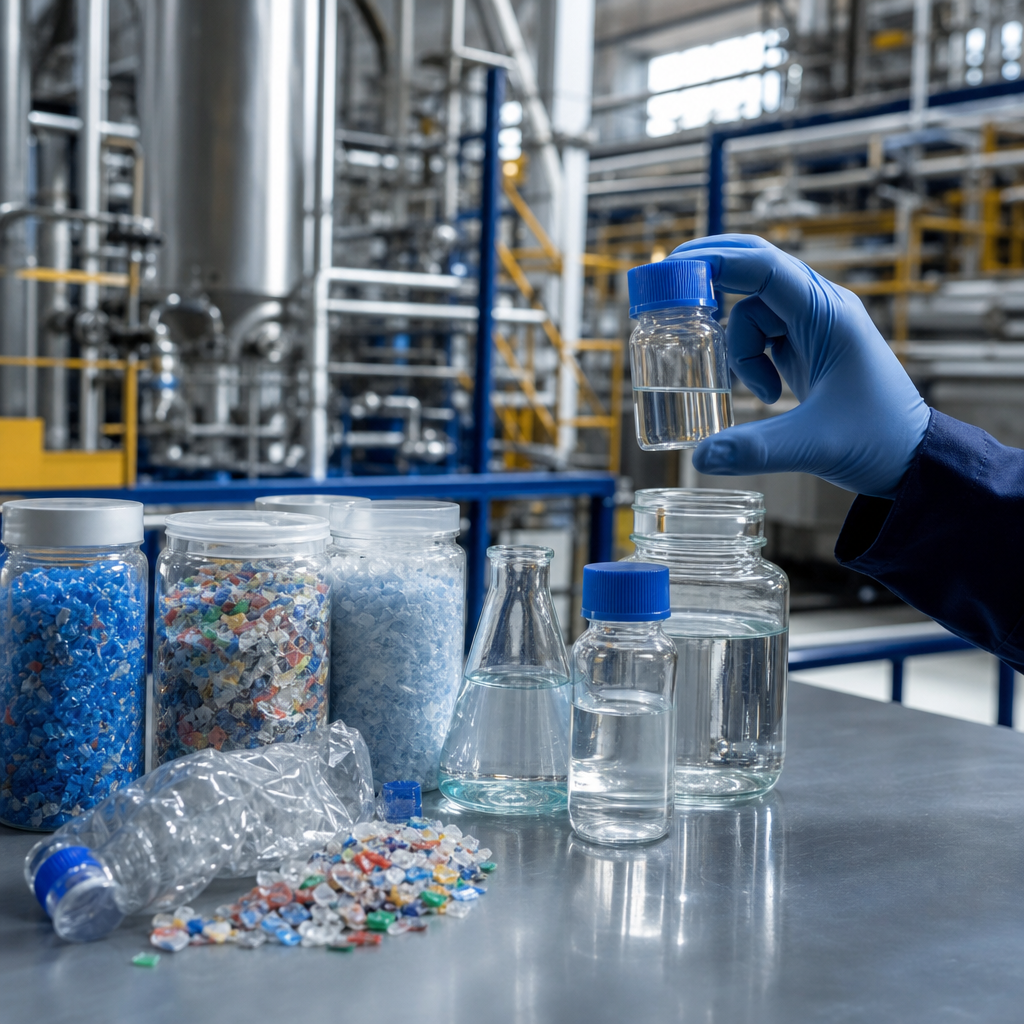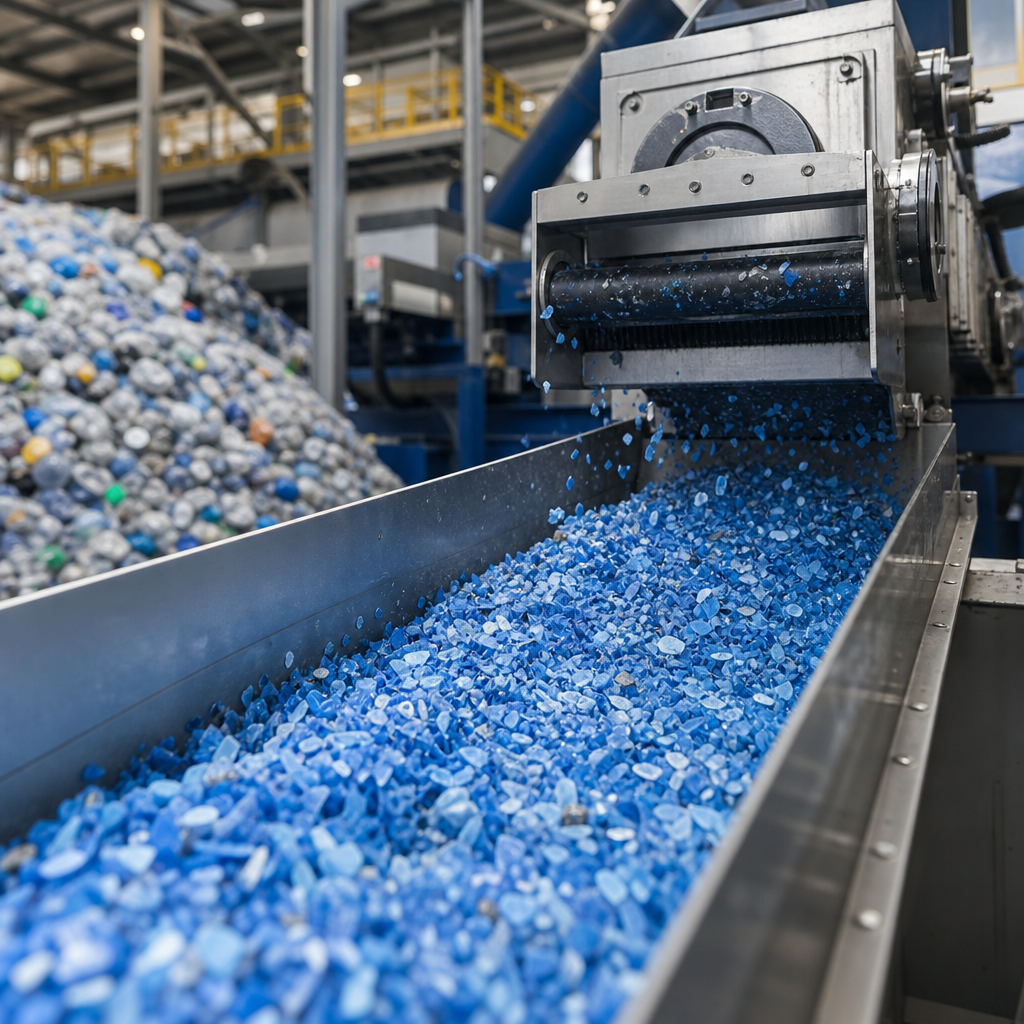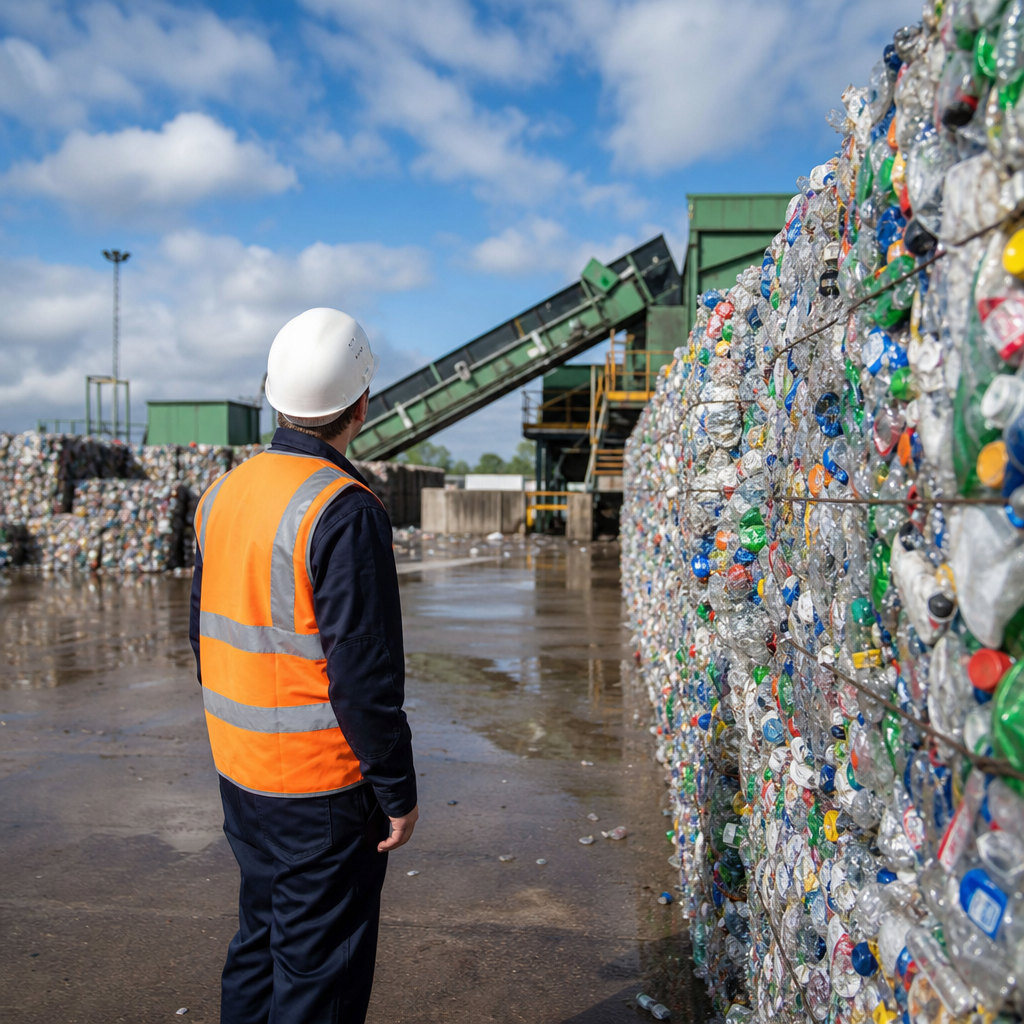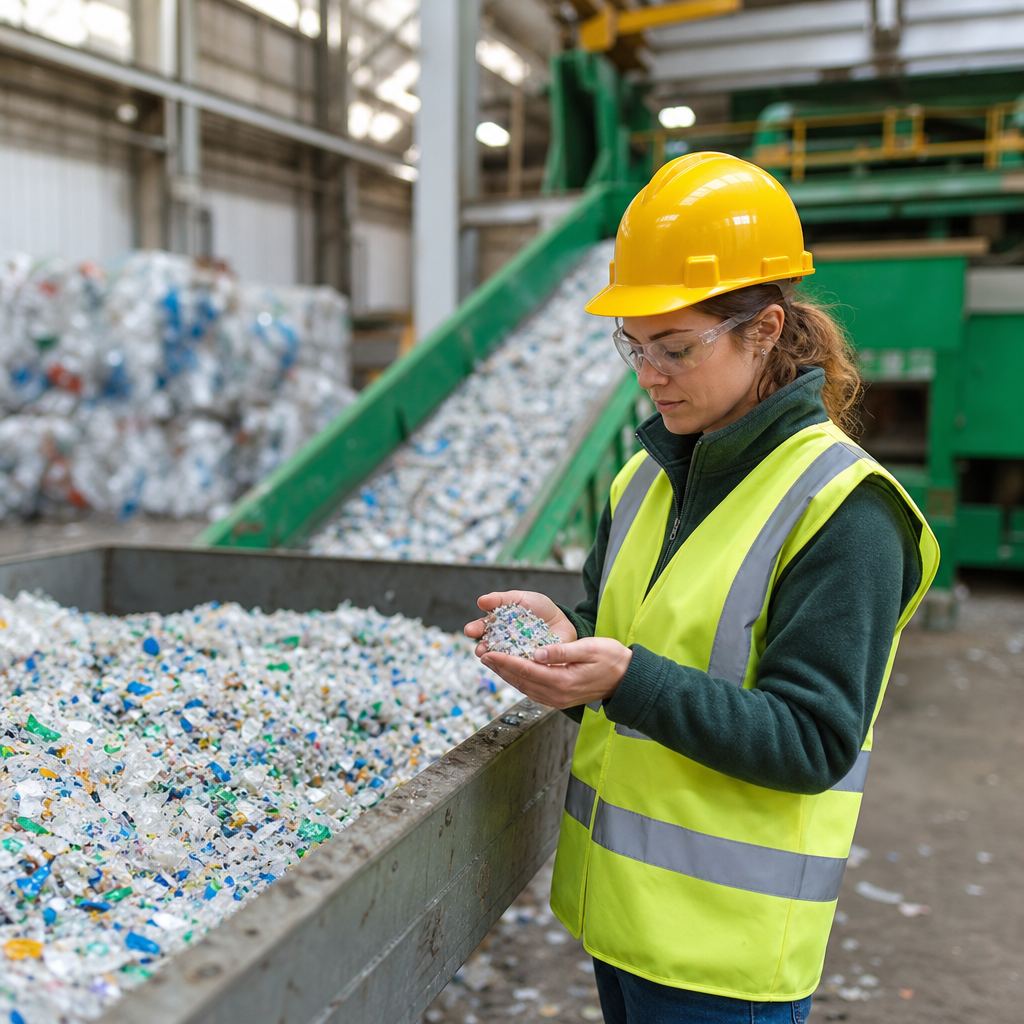
Polymers are reshaping sustainable fashion accessories by making it possible to reduce waste, extend product life, and replace scarce or high-impact materials with engineered alternatives that perform well in daily use. In this context, polymers include both conventional plastics redesigned for circularity and newer materials such as bio-based thermoplastics, recycled polyesters, thermoplastic polyurethanes, silicone elastomers, cellulose-derived compounds, and mycelium or algae blends that behave like polymers during processing. Sustainable fashion accessories include bags, belts, eyewear, watch straps, jewelry components, phone-wallet hybrids, footwear trims, and packaging tied to those products. I have worked with accessory teams evaluating these materials against abrasion resistance, colorfastness, hydrolysis stability, and end-of-life options, and the central lesson is straightforward: the right polymer can cut environmental impact only when it is matched to function, manufacturing method, and recovery pathway. That is why this topic matters. Accessories often use small parts, mixed materials, adhesives, coatings, and hardware that are easy to overlook but difficult to recycle. Polymer innovation is changing that design logic. It enables lighter products, fewer process steps, more precise molding, recycled feedstocks, and even monomaterial construction that simplifies repair and collection. As a hub for polymer innovations in consumer goods, this article explains where polymers are delivering real sustainability gains in fashion accessories, where claims deserve scrutiny, and how brands can choose materials that support durability, aesthetics, compliance, and circular business models.
Why polymers matter in sustainable accessory design
Fashion accessories are ideal case studies for polymer innovation because they combine visible design, tactile performance, and high-volume manufacturing. Unlike apparel fabrics, accessories often rely on rigid or semi-rigid structures, molded parts, transparent elements, soft-touch surfaces, foams, and coatings. Polymers serve each of those functions. Recycled PET can become webbing, felt, or molded shells for backpacks. Thermoplastic polyurethane, commonly called TPU, can replace PVC in straps and labels while offering strong abrasion resistance and weldability. Bio-based polyamides made partly from castor oil appear in eyewear frames because they are lightweight, strong, and less brittle than some commodity plastics. Silicone and thermoplastic elastomers improve comfort in wearable accessories without requiring the plasticizers associated with legacy flexible vinyl systems.
The sustainability value comes from measurable design advantages. First, polymers can be processed with tight dimensional control through injection molding, extrusion, blow molding, compression molding, and additive manufacturing. That lowers scrap when tooling and process windows are well managed. Second, they can integrate multiple functions into one component. A single molded buckle, for example, can replace a metal assembly with several subparts, reducing fasteners and assembly time. Third, polymers support recycled content more readily than many natural materials used in accessories, provided the input stream is controlled for contamination and the mechanical properties are requalified. Post-consumer recycled polyester from bottles has become common, but higher-value streams now include ocean-bound plastic programs, chemically recycled nylon, and closed-loop scrap recovery from manufacturing offcuts.
There are tradeoffs. A polymer is not sustainable simply because it is plant-based or recyclable on paper. Many bio-based materials still require industrial composting infrastructure that fashion customers cannot access. Some recycled polymers degrade in repeated processing cycles and need stabilizers or virgin blends. Additives, pigments, metallic coatings, and glued laminates can undermine recovery. The sustainable answer, therefore, is design with evidence: specify the use case, choose a polymer family with known processing behavior, test it against realistic wear conditions, and plan the most likely end-of-life route before launch.
Core polymer families used in fashion accessories
Several polymer categories dominate current accessory development because they balance cost, appearance, and performance. Recycled polyester, especially rPET, is widely used in bag fabrics, zipper tapes, linings, and webbing. It offers familiar processing, broad supply, and compatibility with existing textile equipment. Recycled nylon, including mechanically and chemically recycled PA6 and PA66, appears in premium bags, trims, and eyewear where higher strength and abrasion resistance are needed. TPU is important for coated fabrics, logos, protective skins, transparent labels, and flexible molded parts because it can be durable, soft, and easier to bond or weld than many alternatives.
Cellulose acetate remains a major material for eyewear and jewelry because it is derived partly from wood pulp or cotton linters and can deliver rich color depth and polish. However, its sustainability profile depends on plasticizer choice, waste handling, and product longevity. Bio-based polyamides and polyesters are gaining share in frames, watch components, and technical trims. Polylactic acid, or PLA, is often discussed, but in accessories it usually works best in blends or controlled rigid applications because heat resistance and impact performance can be limiting. Silicone is used for watch straps and wearable bands due to skin feel, UV stability, and service life, though recycling routes remain less developed than for some thermoplastics.
Engineered leather alternatives also rely on polymers. Polyurethane systems dominate higher-performing vegan leathers, often applied as coatings onto textile backings. Newer versions reduce solvent use, add waterborne chemistry, or incorporate bio-based polyols. Mycelium, cactus, apple waste, and other plant-content materials usually require a polymer binder or topcoat to deliver consistency and durability. Brands should be transparent about that fact. The innovation is still meaningful when renewable content displaces fossil feedstock or lowers toxic chemistry, but the polymer component remains central to performance and end-of-life outcomes.
How recycled and bio-based polymers change impact profiles
When brands ask which polymer is most sustainable, the honest answer is that impact depends on feedstock source, manufacturing energy, product lifespan, and recovery potential. Recycled polymers often deliver the clearest near-term reductions because they displace virgin resin and use established infrastructure. For example, recycled PET generally has a lower greenhouse gas footprint than virgin PET, especially when sourced from efficient bottle-to-fiber systems. Chemically recycled nylon can also reduce dependence on virgin petrochemicals while restoring material quality close to virgin specifications, which is valuable for premium accessories that cannot tolerate inconsistent tensile properties or color variation.
Bio-based polymers address a different lever: renewable carbon. Castor-based polyamide 11 is a good example. It offers strong chemical resistance and flexibility, making it useful in eyewear, sports accessories, and performance trims. Because the feedstock is plant-derived, it can reduce fossil resource use. Yet bio-based does not automatically mean low impact. Land use, irrigation, fertilizer intensity, and transport all matter. That is why better material decisions rely on life cycle assessment rather than marketing shorthand. In my own material reviews, the strongest projects compare at least three scenarios: virgin fossil-based resin, recycled resin, and bio-based resin under the same product specification and expected lifespan.
| Polymer option | Common accessory uses | Main sustainability advantage | Key limitation |
|---|---|---|---|
| Recycled PET | Bag fabric, webbing, lining | Uses established recycling streams | Quality drops with contamination |
| Recycled nylon | Premium trims, frames, technical bags | High performance with lower virgin demand | Higher cost than recycled PET |
| Bio-based polyamide | Eyewear, buckles, structural parts | Reduces fossil feedstock reliance | Supply and certification vary |
| Waterborne PU systems | Coated textiles, vegan leather | Can reduce solvent emissions | Still complex at end of life |
Certification helps but does not replace technical diligence. Global Recycled Standard, Recycled Claim Standard, ISCC PLUS, OEKO-TEX, bluesign, and ZDHC conformance can validate parts of the story, including traceability and restricted substances. They do not prove durability. Sustainable accessories need both material assurance and product testing, because a low-impact input that fails early usually creates a higher total footprint through replacement.
Real-world applications in bags, eyewear, jewelry, and wearables
Bags show the broadest polymer innovation because they combine textiles, coatings, hardware, and foam structures. Brands increasingly use recycled polyester shells with TPU or PU coatings to improve water resistance while replacing PVC. Some are moving toward monomaterial bag concepts, using polyester face fabric, polyester padding, polyester zippers, and removable hardware so the product can enter a more consistent recycling stream. The challenge is maintaining premium hand feel and weather protection without relying on mixed laminates that are hard to separate.
Eyewear is another strong application. Traditional acetate remains popular because consumers value its gloss and pattern depth, but manufacturers are improving scrap recovery by regrinding production offcuts and refining sheet cutting layouts. Bio-based polyamides and recycled polyamides are also growing in sports and lifestyle frames because they can deliver thin-wall strength, impact toughness, and reduced weight. In practical terms, that means frames hold shape better, survive drops, and stay comfortable through long wear. For accessories sold on durability and fit, those properties directly support sustainability by reducing breakage and returns.
Jewelry and watches use polymers in visible and hidden ways. Resin casting allows low-waste decorative components, though formulations must be screened for yellowing and brittleness. Recycled acrylics and bio-based epoxies are emerging in costume jewelry. Watch straps increasingly use silicone, fluoroelastomer alternatives, recycled TPU, and bio-based elastomer blends. The better products are not just made from greener inputs; they are designed for replacement. A strap that can be swapped without special tools extends the life of the watch body and supports repair revenue.
Wearable accessories, including card holders attached to phones, fitness bands, and cable organizers, benefit from overmolding and additive manufacturing. These processes let teams prototype ergonomic shapes quickly, reduce overbuilding, and tune material hardness. In one development program I reviewed, moving from a metal hinge assembly to a TPU living hinge cut part count, reduced assembly defects, and improved drop performance. Sustainability improved not because TPU is universally better than metal, but because the redesign eliminated failure points and lowered manufacturing waste.
Design, manufacturing, and circularity strategies that actually work
The most effective sustainability gains come from product architecture, not resin selection alone. Design for disassembly matters when accessories combine polymer bodies with metal snaps, magnets, screws, or glass elements. If parts can be separated with common tools, repair and recycling become more realistic. Monomaterial design matters when flexible and rigid sections can be created from compatible polymer families, such as using polyester textiles with polyester-based reinforcements instead of mixed laminates. Material simplification also improves factory yield because operators handle fewer inventories and bonding systems.
Manufacturing methods influence impact as much as feedstock choice. Injection molding is efficient for high-volume buckles, frames, and cosmetic parts when gates, wall thickness, and cooling are optimized to reduce sink marks and rejects. Extrusion and film casting support consistent sheet materials for straps and trims. Welding methods such as high-frequency welding, ultrasonic welding, and heat sealing can replace sewing or solvent adhesives in some applications, improving consistency and reducing chemical complexity. Additive manufacturing is valuable for short runs, customization, and tooling reduction, but it only improves sustainability when waste, energy, and throughput are evaluated honestly.
Circular models are becoming practical in accessories because products are compact, brandable, and easier to collect than garments. Take-back schemes for bags, eyewear, and watch straps work best when products carry material identification, removable hardware, and standardized spare parts. Digital product passports are starting to support this by storing composition, repair instructions, and supplier data. For teams building out this hub topic across consumer goods, the lesson is consistent: polymer innovation delivers the strongest results when paired with service design. Repair kits, spare straps, modular buckles, refurbishment channels, and resale partnerships often generate more real impact reduction than a headline material switch alone.
How to evaluate polymer claims and choose better materials
Decision-making should start with a functional brief. Define the accessory environment, expected lifespan, flex cycles, UV exposure, sweat contact, cleaning chemicals, and cosmetic requirements. Then compare candidate polymers using verified data sheets, migration and restricted substance testing, abrasion and hydrolysis results, and third-party chain-of-custody documentation. Ask suppliers for Shore hardness, tensile strength, elongation, melt flow, glass transition or softening behavior, and weathering performance. If a material is promoted as compostable, ask under what standard, in what facility, and whether coatings, pigments, and hardware preserve that pathway.
Be cautious with broad claims such as ocean plastic, vegan leather, biodegradable, and plant-based. Ocean-bound feedstocks can be credible, but traceability and local waste-management context matter. Vegan leather can still rely heavily on polyurethane and mixed textile backings. Biodegradable materials may fragment without fully mineralizing under ambient conditions. Plant-based content can be meaningful, yet mass balance accounting and additive packages need scrutiny. The right question is not whether a polymer sounds sustainable; it is whether the finished accessory demonstrably lowers impact while meeting safety, durability, and recovery goals.
The practical path forward is disciplined selection and transparent communication. Use recycled polymers where performance allows, adopt bio-based polymers where renewable content delivers clear value, simplify construction, and design for repair before recycling. Publish what the product is made from, what standards support the claim, how long it is designed to last, and what customers should do at end of life. Sustainable fashion accessories improve when polymer choices are specific, testable, and aligned with circular systems. If you are building a product roadmap in polymer innovations in consumer goods, start by auditing your accessory portfolio, identifying the parts with the highest material complexity, and redesigning those components first. That is where the fastest, most defensible progress usually starts.
Frequently Asked Questions
1. How do polymers make fashion accessories more sustainable?
Polymers support sustainable fashion accessories by helping brands rethink how products are made, used, and recovered at the end of their life. In accessories such as bags, watch straps, wallets, eyewear frames, belts, phone cases, footwear components, and jewelry, polymers can reduce reliance on scarce natural resources or high-impact materials while still delivering durability, flexibility, water resistance, and comfort. That matters because sustainability in accessories is not only about what a product is made from, but also how long it lasts and whether it can be repaired, reused, or recycled.
One major advantage is waste reduction. Recycled polymers, including recycled polyester and recycled thermoplastic polyurethane, can transform post-consumer or post-industrial waste into useful raw material for new accessories. Instead of sending plastic waste to landfill or incineration, manufacturers can remanufacture it into linings, straps, shells, coatings, or structural parts. Polymers also allow precise molding and fabrication, which can reduce offcuts and production scrap compared with some traditional materials.
Another important benefit is product longevity. Well-engineered polymer materials can resist moisture, abrasion, UV exposure, cracking, and deformation better than some conventional options. A bag handle that keeps its shape, a sunglass frame that resists impact, or a wearable band that tolerates sweat and daily movement all contribute to a longer useful life. From a sustainability perspective, extending product life is one of the most effective ways to reduce environmental impact because fewer replacements are needed over time.
Polymers also enable circular design strategies. Some can be selected for easier disassembly, remelting, reforming, or material recovery. Others can be blended with bio-based inputs or sourced from renewable feedstocks, which may lower dependence on fossil resources when handled responsibly. In short, polymers help sustainable accessories by improving material efficiency, expanding lower-impact material choices, and supporting performance that keeps products in use longer.
2. Are polymer-based accessories just another form of plastic, or are they genuinely eco-friendlier?
This is one of the most important questions, and the honest answer is that it depends on the specific polymer, how it is sourced, how the accessory is designed, and what happens to it after use. Not all polymer-based accessories are automatically sustainable. However, many modern polymer systems are significantly more eco-conscious than the older “cheap plastic” stereotype suggests. Today’s sustainable accessory materials can include recycled polymers, bio-based thermoplastics, silicone elastomers designed for long service life, cellulose-derived compounds, and emerging blends made with mycelium or algae inputs.
The key difference lies in design intent and lifecycle thinking. Conventional plastics have often been criticized because they were used in disposable products with poor recovery systems. In fashion accessories, the sustainability picture changes when polymers are engineered for durability, repairability, recyclability, and reduced virgin material use. For example, a recycled polyester bag that lasts for years and can be disassembled for material recovery may have a better environmental profile than an accessory made from a resource-intensive material that wears out quickly or is difficult to process responsibly.
Bio-based does not always mean low-impact, and recycled does not always mean perfect. A bio-based polymer still needs responsible agriculture, efficient processing, and realistic end-of-life pathways. Likewise, a recycled polymer is most beneficial when quality is maintained and the final product is built to last. The most eco-friendlier polymer accessories tend to combine several strengths at once: reduced virgin resource demand, lower waste generation, strong performance in use, and a credible plan for reuse, repair, or recycling.
So yes, polymer-based accessories can be genuinely more sustainable, but only when evaluated beyond the label. The best approach is to look for transparency about material origin, recycled or renewable content, manufacturing practices, durability testing, and end-of-life options rather than assuming every polymer product is either good or bad by default.
3. What types of polymers are commonly used in sustainable fashion accessories?
A wide range of polymers are now used in sustainable fashion accessories, each chosen for different performance and environmental goals. Recycled polyester, often known as rPET, is one of the most common. It is frequently used in bag fabrics, linings, webbings, zipper tapes, and soft accessory components because it is lightweight, strong, and familiar to existing manufacturing systems. Thermoplastic polyurethane, or TPU, is another important material because it offers flexibility, abrasion resistance, and a soft-touch finish, making it useful for straps, protective coatings, trims, and molded details.
Bio-based thermoplastics are gaining traction as brands search for alternatives that reduce fossil-derived inputs. These materials can be derived partly from plant-based feedstocks and are used where stiffness, moldability, or lightweight strength are needed. Silicone elastomers are also used in wearable accessories and performance items because they are durable, skin-friendly, weather-resistant, and capable of maintaining function over long periods. While silicone is not biodegradable, its long lifespan can make it a strong choice when durability is the priority.
Cellulose-derived compounds are especially interesting because they are based on one of the most abundant natural polymers on earth. These materials can appear in eyewear frames, decorative elements, and structured accessory parts, often offering a premium look with a lower reliance on conventional fossil-based plastics. Meanwhile, newer mycelium or algae blends are being explored for leather-like surfaces, foams, coatings, and composite applications. These are still developing categories, but they show how polymer science is moving toward more renewable and biologically inspired material systems.
In practice, brands often use more than one polymer in a single accessory. A sustainable backpack, for example, might combine recycled polyester fabric, TPU reinforcement, a silicone-based grip detail, and molded components made from bio-based plastic. The most successful applications are those where the polymer is selected not only for marketing appeal, but for fit-for-purpose performance, lower material waste, and a clear sustainability rationale.
4. Can polymer accessories be durable enough to replace leather, metal, or other traditional materials?
Yes, in many cases polymer-based accessories can absolutely be durable enough to replace traditional materials, and that is one of the reasons they are becoming so important in sustainable design. Modern polymers can be engineered for specific mechanical and aesthetic properties, including flexibility, tear strength, scratch resistance, dimensional stability, cushioning, transparency, weather resistance, and color retention. This means they can perform extremely well in accessories that face repeated handling, bending, exposure to moisture, and everyday wear.
For example, thermoplastic polyurethanes can provide excellent abrasion resistance and elasticity, making them suitable for straps, coatings, and protective elements that need to move without cracking. Recycled polyesters can deliver strong tensile properties for fabric-based accessories such as totes, backpacks, and pouches. Cellulose-based compounds and other engineered polymers can create eyewear frames or decorative components with the rigidity and finish consumers expect. Silicone elastomers are especially valuable in accessories worn close to the body because they can withstand sweat, temperature changes, and repeated flexing without losing performance.
That said, replacement does not mean identical behavior. Leather, metal, wood, and natural fibers all age differently and have distinct tactile qualities. A polymer alternative may outperform a traditional material in water resistance, low weight, or consistency, while offering a different look or feel. The sustainability benefit comes when the polymer option provides comparable or better service life with lower waste, reduced maintenance demands, or fewer resource pressures.
The real benchmark is not whether a polymer looks exactly like an older material, but whether it delivers the function consumers need over a long period of use. If a polymer watch strap lasts longer than a leather one in humid conditions, or if a molded recycled-polymer frame avoids breakage that would shorten the product’s life, then it is doing exactly what sustainable materials should do: reducing replacement frequency and improving overall product efficiency.
5. What should consumers look for when buying sustainable accessories made with polymers?
Consumers should look beyond simple buzzwords and focus on evidence that the accessory was designed responsibly from start to finish. A good first step is checking material transparency. Brands should clearly explain whether the accessory uses recycled polymers, bio-based inputs, cellulose-derived materials, or newer blends such as mycelium or algae composites. Specifics matter. A product that states the percentage of recycled content or describes the exact polymer family is generally more credible than one that uses vague claims like “eco material” without further detail.
Durability is just as important as material origin. A sustainable accessory should be made to withstand real-world use, so it is worth looking for details about abrasion resistance, water resistance, UV stability, reinforced seams, replaceable parts, or long-wear performance. If a polymer accessory is engineered to last several years instead of one season, that longer service life can significantly reduce its environmental footprint. Repairability is another strong indicator. Accessories with modular components, standard fasteners, or replaceable straps and trims are often better aligned with circular design principles.
Consumers should also pay attention to end-of-life planning. Some brands now offer take-back programs, closed-loop recycling, or guidance on how to separate components for recycling. These systems are not universal yet, but they are a sign that the brand is thinking beyond the point of sale. Certifications, third-party testing, and traceability can add confidence, especially when claims involve recycled