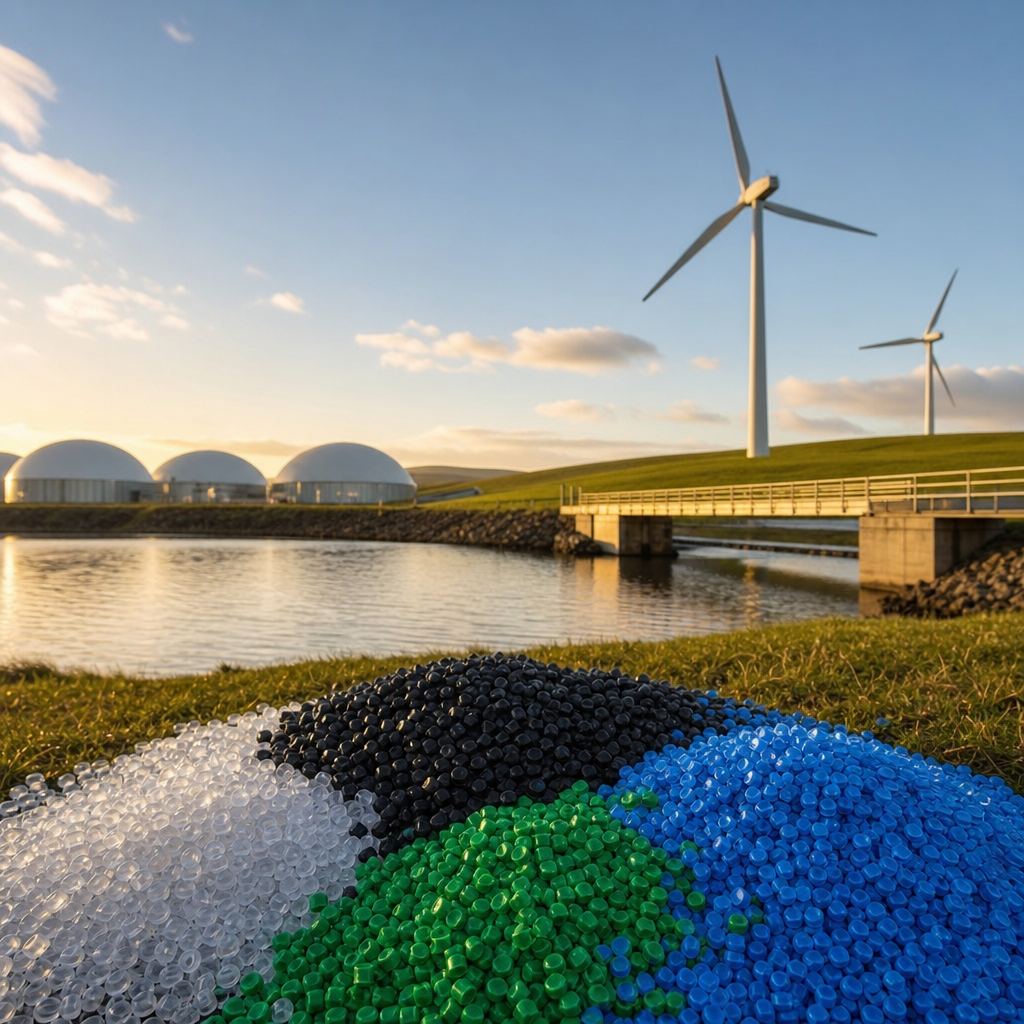
Polymers are central to climate action because they enable lighter vehicles, better building insulation, efficient solar modules, durable wind blades, advanced batteries, and new pathways for carbon capture, while also creating waste and emissions that must be managed through better design, recycling, and policy. In materials science, a polymer is a large molecule made of repeating units, and it can be synthetic, such as polyethylene or epoxy, or bio-based, such as polylactic acid or cellulose derivatives. When people discuss plastics in climate conversations, they often mean consumer packaging, but the climate role of polymers is much broader and more consequential. I have worked on polymer selection for product and packaging programs, and the practical lesson is consistent: the right polymer in the right system can cut energy use dramatically, while the wrong choice can lock in unnecessary emissions for decades.
Climate change matters here because materials shape emissions across whole value chains. The International Energy Agency has shown that industry and buildings remain major sources of global carbon dioxide emissions, and polymer-enabled efficiency gains touch both sectors directly. Insulation foams reduce heating and cooling demand. Composites lower fuel use in transport and extend the range of electric vehicles. Membranes separate gases and purify water using less energy than many thermal processes. Encapsulants and backsheets protect solar panels for decades in harsh environments. Yet polymer production today is still heavily tied to fossil feedstocks and energy-intensive cracking, polymerization, and conversion. That tension defines the field of problem-solving with polymers: using these materials where they create measurable climate benefit, while redesigning systems to reduce virgin resin demand, increase circularity, and lower end-of-life harm.
As a hub for case studies and applications, this article explains where polymers make the biggest climate difference, what tradeoffs matter, and how organizations should evaluate performance. Key terms are worth defining clearly. Embodied carbon is the greenhouse gas impact associated with producing a material before it is used. Operational carbon is the impact during use, such as energy consumed in a building. Life cycle assessment, often aligned with ISO 14040 and ISO 14044, compares impacts from raw material extraction through end of life. Mechanical recycling reprocesses sorted plastic without changing the polymer chemistry, while chemical recycling breaks polymers into monomers or hydrocarbon feedstocks. Circular design aims to keep material at high value for as long as possible. These concepts matter because climate-smart polymer decisions depend on full-system accounting, not assumptions based on whether a product looks green or conventional.
Why polymers are a climate tool, not just a waste problem
Polymers help solve climate problems when they deliver more savings in use than they generate in production. That statement sounds obvious, but it is the basis of almost every credible materials decision. In buildings, polyurethane and expanded polystyrene insulation can reduce operational energy over decades, often far outweighing their embodied impacts in cold or hot climates. In transportation, replacing metal parts with glass-fiber-reinforced polypropylene or carbon-fiber composites can reduce mass, improving fuel economy in internal combustion vehicles and extending battery range in electric vehicles. In power systems, cross-linked polyethylene insulates high-voltage cables, reducing losses and improving grid reliability. Each application matters because climate policy increasingly focuses on total system performance rather than single materials in isolation.
The waste problem is real, but it should be framed accurately. Packaging is highly visible, yet short-lived products are only one part of polymer demand. Construction, textiles, electronics, automotive, agriculture, and energy infrastructure all use polymers extensively. A greenhouse film that improves crop yield and reduces water loss can have climate value even if it creates disposal challenges. A wind turbine blade made from epoxy composite enables renewable power for years, yet recycling that blade remains difficult. Serious climate strategy requires holding both truths at once: polymers are indispensable in many decarbonization pathways, and current production and end-of-life systems are not sustainable enough. The solution is not blanket substitution. It is targeted use, verified by life cycle data, combined with redesign, collection, recycled content, and cleaner manufacturing.
High-impact applications across energy, buildings, transport, and industry
Some polymer applications have outsized climate relevance because they affect large energy flows. In buildings, insulation is the clearest example. Polyisocyanurate boards, extruded polystyrene, expanded polystyrene, and spray polyurethane foam all reduce heat transfer. The exact climate benefit depends on local grid intensity, building design, and heating fuel, but in many retrofit scenarios the operational savings dominate. Air sealing materials, elastomeric gaskets, and vapor barriers also matter because uncontrolled air leakage can undermine insulation performance. On projects I have reviewed, small polymer components such as sealants and window spacers often delivered disproportionate energy benefits by improving the whole building envelope.
In renewable energy, polymers are embedded throughout the system. Ethylene-vinyl acetate encapsulates solar cells, while fluoropolymer or polyolefin backsheets protect modules from moisture and ultraviolet degradation. Without these materials, panel durability and performance would fall. Wind energy relies on epoxy and polyester resins reinforced with glass or carbon fiber to produce long blades with high stiffness-to-weight ratios. Battery systems use polymer separators, binders such as polyvinylidene fluoride, thermal interface materials, cable insulation, and lightweight housings. Industrial decarbonization also depends on polymer membranes for hydrogen purification, carbon dioxide separation, and water treatment. Membrane separations can require less energy than conventional distillation or absorption in suitable applications, which is why they are increasingly relevant in net-zero roadmaps.
| Application | Common polymers | Climate benefit | Main challenge |
|---|---|---|---|
| Building insulation | Polyurethane, EPS, XPS, PIR | Lower heating and cooling demand | Embodied carbon, blowing agents, fire requirements |
| Solar modules | EVA, POE, fluoropolymers | Longer panel life and stable output | End-of-life recovery complexity |
| Wind turbine blades | Epoxy, polyester, glass fiber composites | Lightweight renewable power generation | Blade recycling and repair logistics |
| Electric vehicles | PP compounds, PA, PC blends, elastomers | Weight reduction and range improvement | Mixed-material recycling and thermal demands |
| Gas separation membranes | Polysulfone, polyimide, cellulose acetate | Lower-energy separations | Fouling, selectivity limits, durability |
Designing polymers for lower life cycle emissions
Climate performance starts upstream with feedstocks, process energy, additives, and product design. Virgin petrochemical polymers can have significant embodied emissions because steam cracking and monomer production are energy intensive. Lowering those impacts involves several levers. First, manufacturers can use recycled resin where performance allows. Recycled polyethylene terephthalate in thermoforms and bottles is now common, and high-quality recycled polypropylene is expanding in automotive and consumer goods. Second, they can shift to renewable electricity in polymerization and conversion. Third, they can optimize formulations to reduce additive load and improve process yield. Fourth, they can design parts with less material through ribbing, foaming, or structural simulation instead of simply increasing wall thickness for safety margins.
Bio-based polymers can help, but they are not automatically low carbon. The feedstock source, land use effects, agricultural inputs, and end-of-life pathway determine the real outcome. Polylactic acid, bio-based polyethylene, polyhydroxyalkanoates, and cellulose-based materials each have strengths, but none is a universal replacement. I have seen teams assume that compostable equals climate friendly, only to discover that a package contaminates recycling streams or lacks access to industrial composting. Durable applications require a different logic than single-use ones. If a polymer must last twenty years outdoors, weatherability and maintenance avoidance may matter more than whether the feedstock began as biomass. The correct question is always comparative: compared with the incumbent system, under actual use and disposal conditions, does this polymer reduce total greenhouse gas emissions?
Circularity, recycling, and the hard limits of end-of-life management
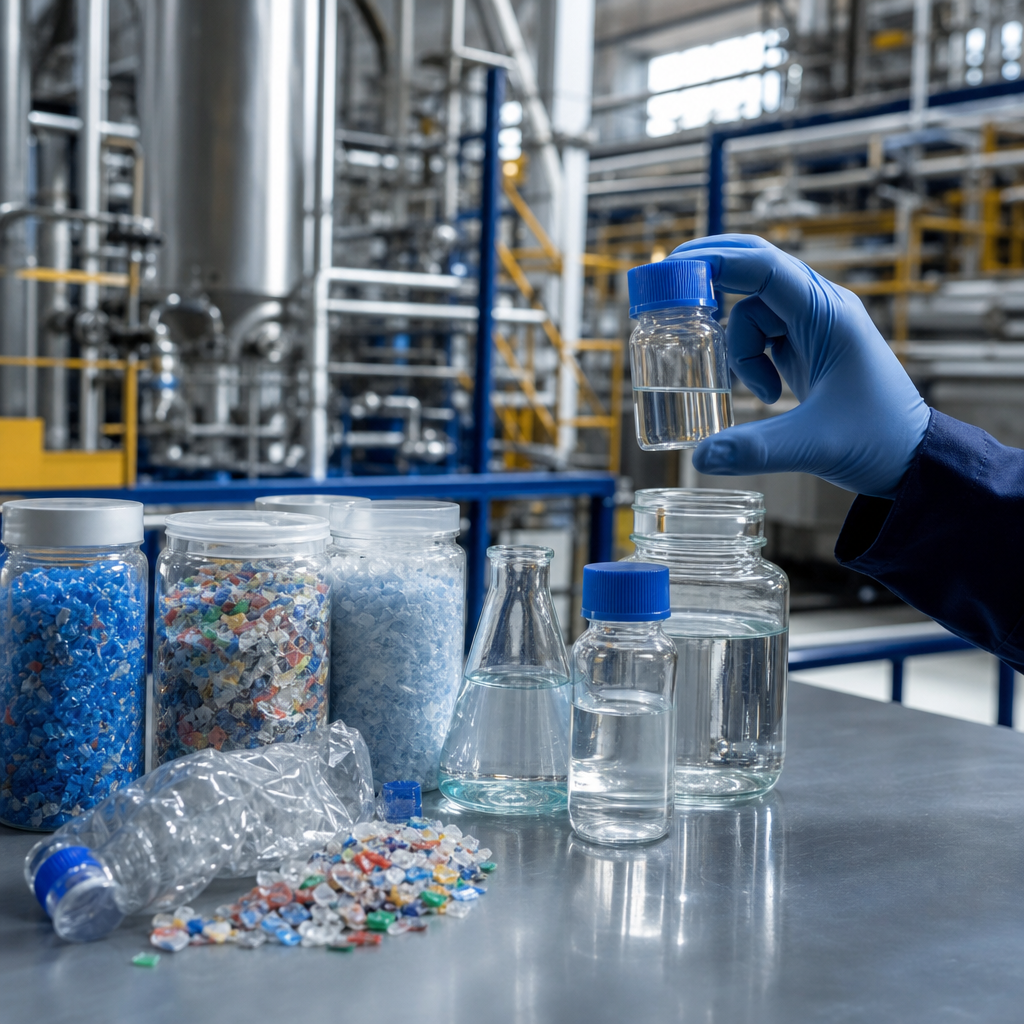
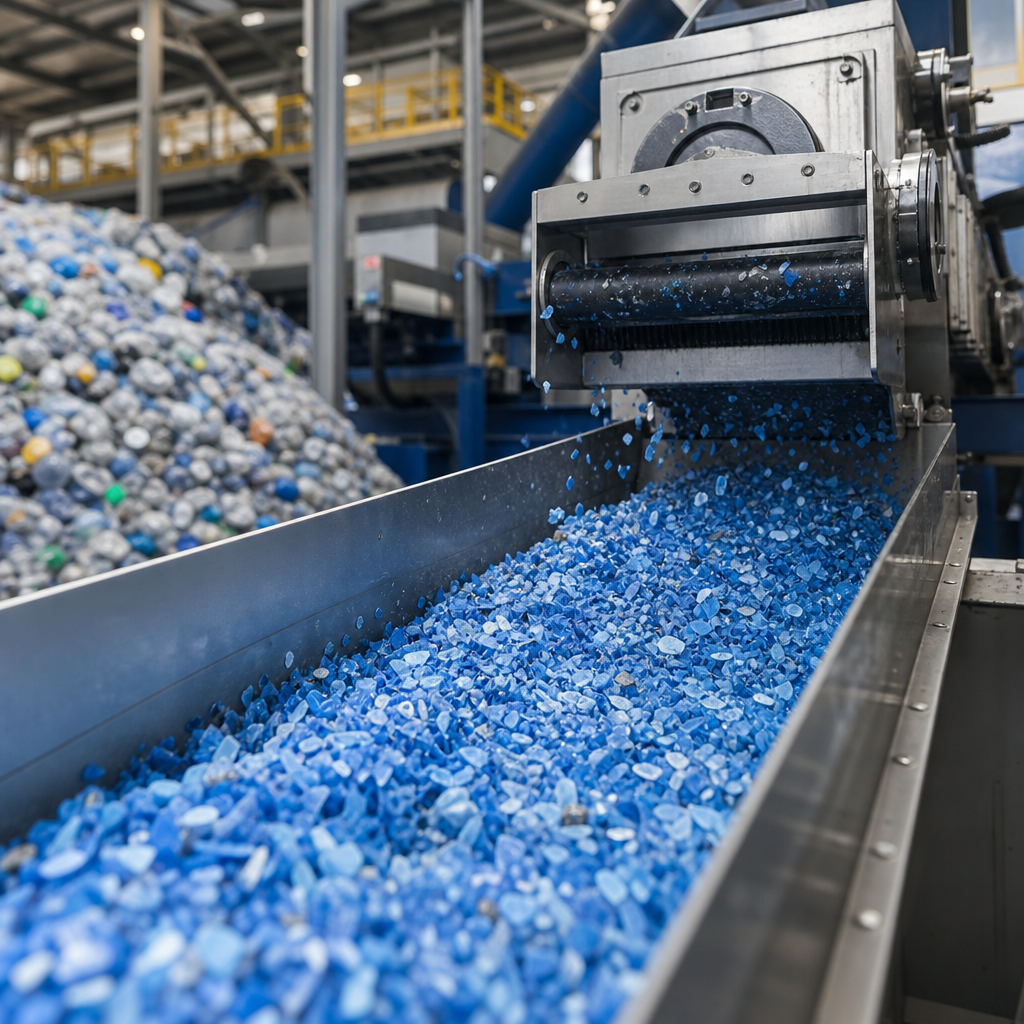
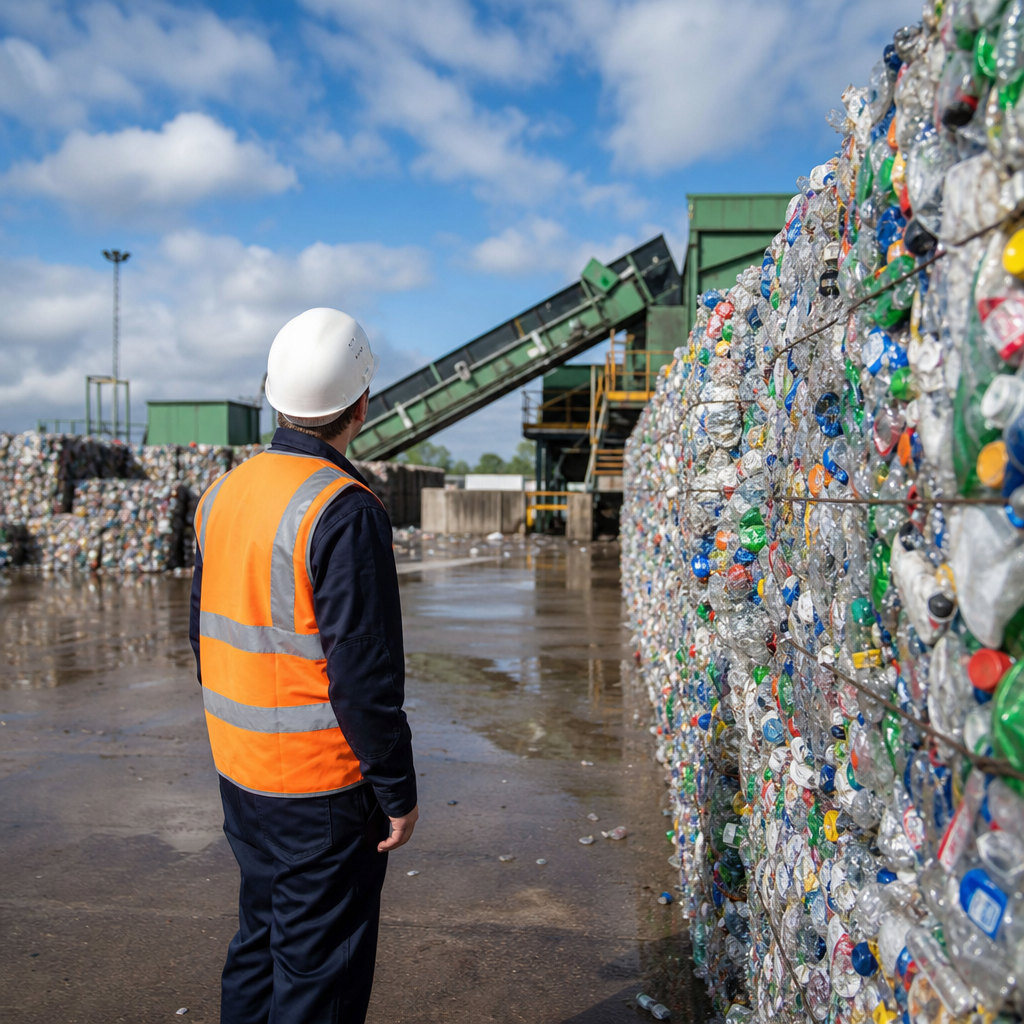
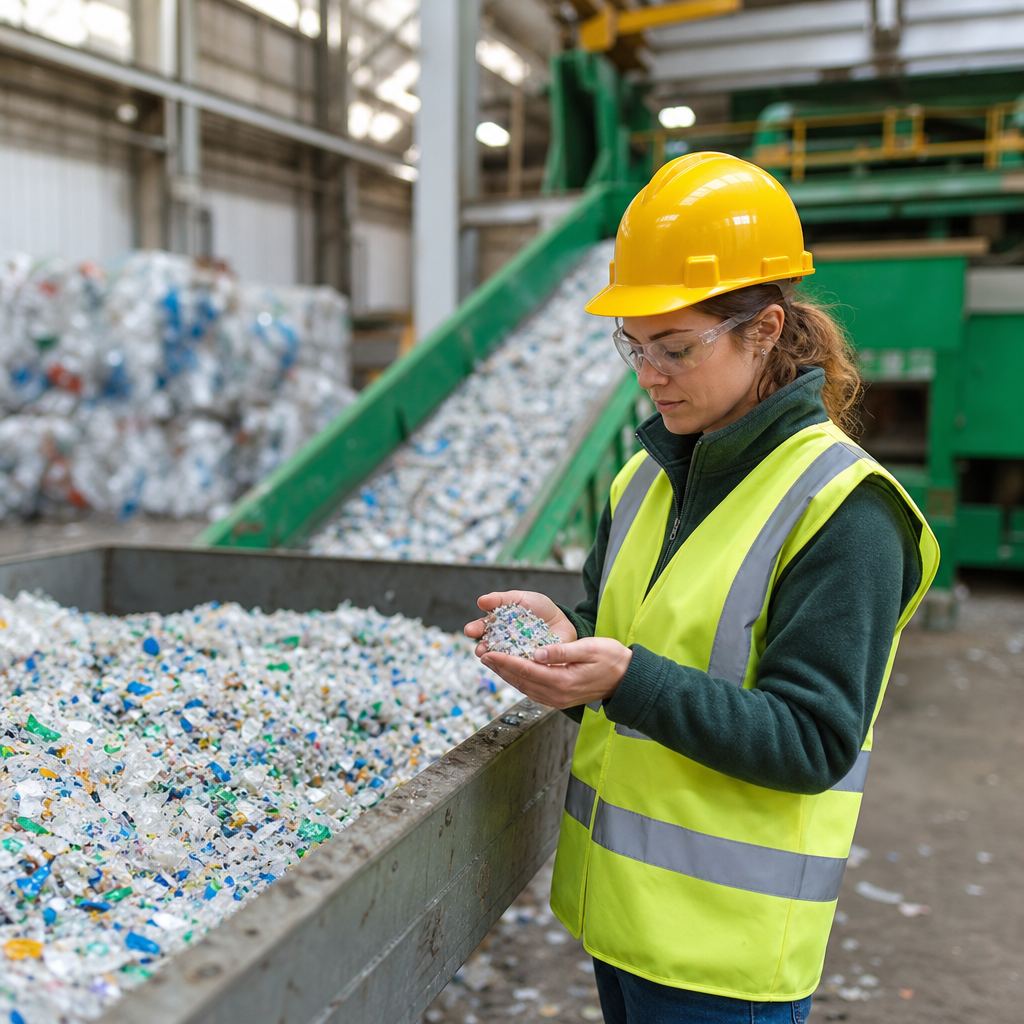
Recycling is essential, but climate strategy should be realistic about what recycling can and cannot do. Mechanical recycling generally delivers the best near-term emissions reduction when clean, sorted streams exist, because it avoids the energy intensity of making virgin resin. PET bottles and high-density polyethylene containers are established examples. Polypropylene from packaging and automotive parts is improving where collection and sorting are strong. However, multilayer films, heavily filled compounds, thermosets, and fiber-reinforced composites remain difficult. Repeated processing can also degrade molecular weight or performance, limiting the number of cycles for some polymers without compatibilizers or blending strategies.
Chemical recycling includes depolymerization, pyrolysis, solvolysis, and gasification, but results vary by chemistry and system design. Depolymerization works best for polymers with recoverable monomers, such as PET or certain polyamides, when contamination is controlled. Pyrolysis can process mixed polyolefin waste into hydrocarbon feedstocks, yet climate benefits depend heavily on energy source, yield, and whether outputs displace virgin production. Incineration with energy recovery may reduce landfill dependence, but it releases carbon quickly and should not be treated as equivalent to circularity. Landfill can suppress immediate combustion emissions but creates long-term resource loss and leakage risk. The practical hierarchy is clear: reduce unnecessary material, design for reuse where feasible, maximize mechanical recycling, deploy chemical routes selectively, and avoid sending valuable polymers to disposal when recovery is possible.
Sector case studies that show what works
Automotive light-weighting remains one of the clearest examples of climate problem-solving with polymers. Replacing steel with engineered polymers or composites in interior modules, front-end carriers, liftgates, and underbody shields can reduce vehicle mass while integrating multiple parts into one molded assembly. For electric vehicles, polymer battery pack components can improve thermal management and electrical insulation while controlling weight. The savings are not infinite; large batteries can erase some gains, and recycling mixed assemblies is harder. Still, in fleets where every kilogram affects energy consumption, polymer substitution has measurable value.
Building retrofits provide another strong case. When aging housing stock gets better insulation, sealants, window films, and pipe insulation, the energy reduction is immediate and cumulative. The best projects pair material upgrades with blower-door testing and moisture management, because insulation without airtightness or drainage can underperform. In cold regions, roof and wall upgrades often produce larger carbon savings than people expect, especially where heating still relies on gas or fuel oil. In hot climates, reflective polymer coatings and cool roofing membranes reduce cooling demand and urban heat stress.
Water and industrial treatment systems show a less visible but important role. Reverse osmosis and ultrafiltration membranes made from polymers such as polyamide, polysulfone, and polyethersulfone are now standard in desalination and purification. They lower the need for thermal methods and support water resilience under climate pressure. In carbon capture and gas upgrading, selective polymer membranes can remove carbon dioxide or recover hydrogen, especially in modular systems where footprint and operational simplicity matter. These applications do not eliminate all emissions, but they can improve efficiency enough to change project economics and accelerate deployment.
How to evaluate polymer solutions credibly
Good decisions require disciplined measurement. Start with a functional unit, such as emissions per insulated square meter over thirty years, per delivered kilowatt-hour from a solar module, or per thousand vehicle kilometers traveled. Then assess cradle-to-gate and cradle-to-grave impacts using recognized life cycle assessment methods. Product Environmental Footprints, Environmental Product Declarations, and corporate greenhouse gas inventories all help, but they must reflect realistic assumptions. Transport distance, recycled content, electricity mix, failure rates, and end-of-life scenarios can materially change results. I have seen two options marketed as sustainable produce opposite outcomes once use phase and scrap rates were modeled properly.
Teams should also test climate claims against operational constraints. Does a recycled resin meet impact strength and food-contact requirements? Will a bio-based polymer survive humidity and ultraviolet exposure? Can a composite part be repaired, disassembled, or identified in sorting systems? Standards and tools matter here. ISO 14040 and 14044 structure life cycle assessment. ASTM and ISO test methods verify mechanical and thermal performance. Design for recycling guides from APR, RecyClass, and Ellen MacArthur Foundation resources help align packaging choices with real recovery pathways. The most credible organizations connect these technical checks with procurement rules, supplier data quality requirements, and post-launch monitoring.
The path forward for problem-solving with polymers
The role of polymers in addressing climate change is neither simple nor optional. These materials already enable lower-energy buildings, cleaner transport, renewable power, efficient water treatment, and emerging carbon management technologies. At the same time, today’s polymer economy still depends too much on virgin fossil feedstocks, weak collection systems, and product designs that ignore end of life. The right response is a disciplined expansion of high-value uses alongside a rapid reduction in wasteful, low-value ones. That means choosing polymers where they provide proven system-level emissions savings, investing in recycling infrastructure, improving product traceability, and pushing suppliers toward lower-carbon energy and feedstocks.
For leaders using this hub to explore problem-solving with polymers, the practical takeaway is clear. Evaluate every application through life cycle performance, durability, and recovery potential. Prioritize sectors where polymers unlock major operational savings, especially buildings, transportation, energy, and industrial separations. Treat recyclability, recycled content, repairability, and material identification as design requirements, not afterthoughts. Most importantly, use evidence instead of assumptions. The next step is simple: map your highest-impact polymer applications, quantify their emissions with credible data, and redesign the weakest links first. That is how polymers move from climate liability to climate solution.
Frequently Asked Questions
1. How do polymers help reduce greenhouse gas emissions?
Polymers help reduce emissions in several high-impact sectors because they combine low weight, durability, processability, and tunable performance. In transportation, polymer-based composites and engineering plastics can replace heavier materials in selected parts of cars, trucks, aircraft, and electric vehicles. Lower vehicle weight generally means less fuel consumption in conventional vehicles and improved driving range in electric models. In buildings, polymer foams, sealants, membranes, coatings, and composite materials are widely used to improve insulation, reduce air leakage, and increase energy efficiency over the life of a structure. This is especially important because heating and cooling account for a large share of global energy demand.
Polymers also play an essential role in clean energy technologies. Solar modules rely on polymer encapsulants, backsheets, sealants, and cable insulation to protect sensitive components from moisture, UV radiation, and mechanical stress. Wind energy depends on polymer matrix composites, particularly epoxy and related resins, to produce long, strong, lightweight turbine blades. In batteries, fuel cells, and grid storage systems, polymers appear in separators, binders, electrolytes, housings, and thermal management components. The climate value of polymers, therefore, is often indirect but substantial: they enable systems that generate less carbon, waste less energy, and operate more efficiently over time.
That said, emissions reduction is not automatic. The total climate benefit depends on the full life cycle of the polymer, including feedstocks, manufacturing energy, product lifespan, and end-of-life handling. A polymer application is most climate-positive when it delivers significant use-phase savings that outweigh production emissions and when it is designed to be reused, repaired, or recycled at the end of service.
2. What kinds of polymers are most important in climate-related technologies?
A wide range of polymers are important, and their value depends on the application. Commodity polymers such as polyethylene, polypropylene, and polyvinyl chloride are used in pipes, cable insulation, membranes, packaging, and construction products because they are relatively inexpensive and versatile. Engineering polymers such as polycarbonate, polyamide, and fluoropolymers are used where higher thermal stability, strength, chemical resistance, or electrical performance are required. Thermoset polymers, including epoxy and polyester resins, are especially important in composite structures such as wind turbine blades and lightweight vehicle components because they form rigid, durable networks after curing.
Bio-based polymers are also gaining attention. Materials such as polylactic acid, cellulose-derived polymers, starch blends, and bio-based polyesters can reduce dependence on fossil feedstocks in some applications, although their climate performance varies depending on land use, agricultural inputs, processing, and disposal conditions. In advanced energy systems, specialty polymers are crucial. Battery electrodes often use polymer binders to hold active materials together, separators are typically polymer membranes that keep electrodes apart while allowing ion transport, and polymer electrolytes are being developed for safer next-generation batteries. In carbon capture and gas separation, polymer membranes can selectively transport certain gases, making them promising tools for lower-energy separation processes.
The most important point is that no single polymer solves climate change. Different chemistries serve different functions, and success comes from matching the material to the performance need while minimizing environmental burden. Increasingly, researchers are focusing not just on performance in use, but also on recyclability, lower-carbon synthesis, and safer additives.
3. If polymers are useful for climate action, why are they also considered an environmental problem?
Polymers can be both part of the solution and part of the problem because their benefits during use do not erase the impacts associated with how they are made, managed, and discarded. Most synthetic polymers today are produced from fossil-derived feedstocks, and manufacturing them can require significant energy and generate greenhouse gas emissions. In addition, some polymer products are designed for short service lives, especially in packaging and other disposable applications. When these materials are not collected and managed properly, they can accumulate in landfills, leak into the environment, or fragment into microplastics that are difficult to recover.
Another challenge is that polymer waste streams are often complex. Products may contain blends of different polymers, fillers, colorants, flame retardants, plasticizers, reinforcements, adhesives, or multilayer structures that make recycling technically difficult and economically unattractive. Thermoset polymers and fiber-reinforced composites, while excellent for durability and structural performance, are generally harder to recycle than many thermoplastics. Even when recycling is possible, collection systems, sorting infrastructure, contamination, and unstable end markets can limit actual recovery rates.
From a climate perspective, this means the polymer economy must be redesigned. The goal is not simply to use fewer polymers in every case, but to use them more intelligently: prioritize durable and high-value applications, eliminate unnecessary single-use formats, improve product labeling and collection, simplify material choices, scale mechanical and chemical recycling where appropriate, and adopt policies that reward circular design. In other words, polymers become more aligned with climate goals when performance, waste prevention, and end-of-life planning are considered together from the start.
4. Can polymers support carbon capture and other emerging climate solutions?
Yes. Polymers are increasingly important in emerging climate technologies, especially in carbon capture, gas separation, and low-energy industrial processes. One of the most promising areas is polymer membrane technology. Certain polymers can be engineered to allow one gas to pass through faster than another, which makes them useful for separating carbon dioxide from nitrogen, methane, hydrogen, or other gas mixtures. Compared with some conventional separation methods, membranes can offer lower energy use, modular system design, and easier integration into industrial processes, though performance depends heavily on selectivity, permeability, durability, and resistance to fouling or chemical degradation.
Polymers also appear in sorbent materials and hybrid systems for direct air capture and point-source capture. For example, porous polymer frameworks or polymer-supported amine systems can be designed to bind carbon dioxide selectively. Researchers are working to improve how much CO2 these materials can capture, how quickly they regenerate, and how well they perform over repeated cycles in real operating conditions. In electrochemical climate technologies, polymers are used in ion-conducting membranes, protective coatings, and catalyst support structures. These functions are central to electrolyzers, fuel cells, and certain carbon utilization systems.
Still, it is important to be realistic. Many of these applications are promising but not yet deployed at the scale needed to transform emissions globally. Technical barriers, cost, durability, and supply chain considerations remain significant. Even so, polymers are a key platform material in climate innovation because chemists and materials scientists can tailor their molecular structures to achieve targeted transport, mechanical, thermal, or interfacial properties. That adaptability makes polymers unusually valuable in designing the next generation of low-carbon technologies.
5. What needs to happen to make polymer use more sustainable in a warming world?
Making polymer use more sustainable requires action across the entire value chain, from raw material selection to product design, manufacturing, use, and end-of-life management. First, products need to be designed for circularity. That means choosing polymer systems that are easier to identify, separate, repair, remanufacture, and recycle. It also means reducing unnecessary additives, avoiding incompatible multilayer structures when possible, and designing for durability in long-life applications. In sectors like construction, transportation, and renewable energy, long service life and high performance can justify polymer use when there is a clear plan for eventual recovery and responsible disposal.
Second, the production side must decarbonize. Manufacturers can lower emissions by using renewable electricity, improving process efficiency, increasing recycled content where technically feasible, and expanding the use of lower-carbon or bio-based feedstocks that are verified through robust life-cycle assessment. Third, waste systems need major improvement. Better collection, standardized labeling, advanced sorting, deposit and return systems, recycled content standards, and extended producer responsibility policies can all help keep polymers in the economy and out of the environment.
Finally, innovation and policy have to work together. Materials scientists are developing recyclable thermosets, depolymerizable plastics, safer additives, compostable materials for specific use cases, and advanced recycling methods for difficult waste streams. But technology alone is not enough. Clear regulations, infrastructure investment, procurement standards, and market incentives are needed to scale what works. In practical terms, the most sustainable future for polymers is not one where they disappear, but one where they are used selectively, designed responsibly, and managed as valuable materials rather than disposable waste.