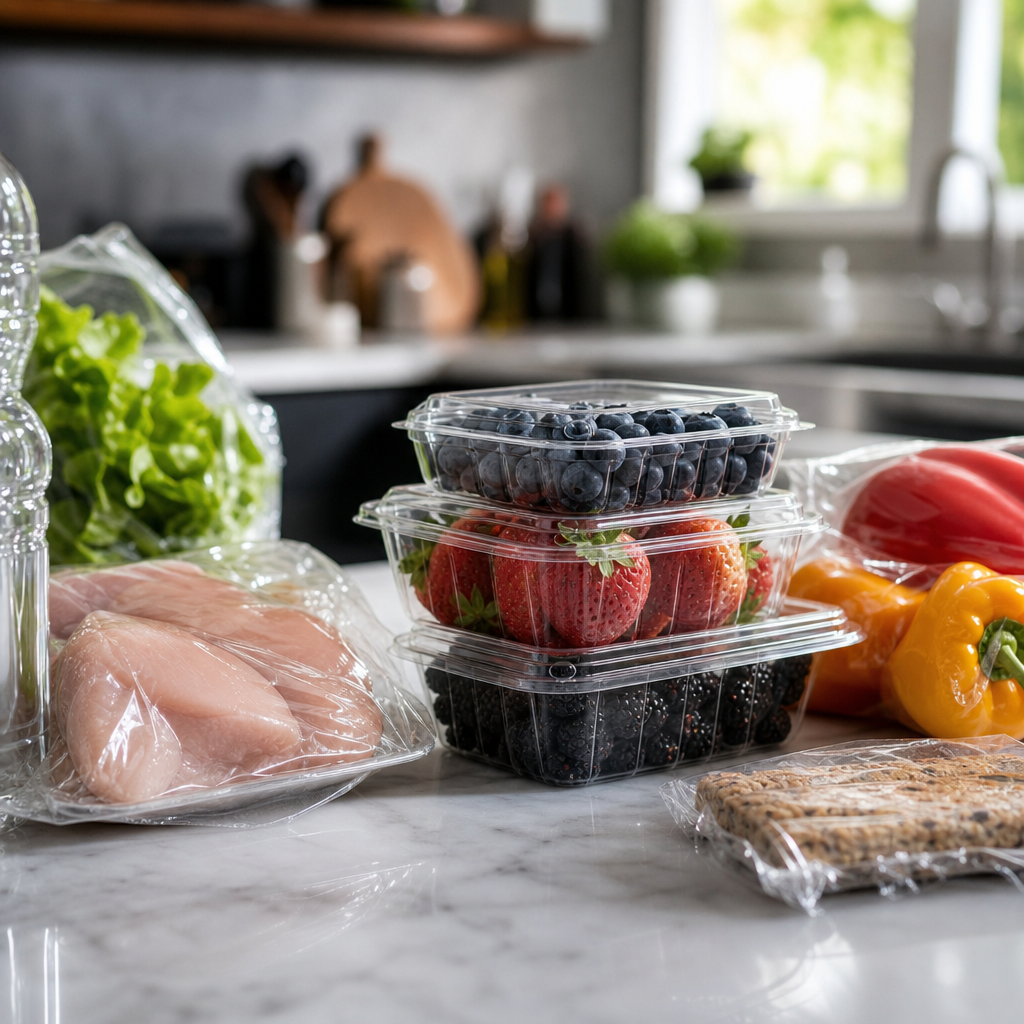
Polymers have transformed food safety and packaging by making products cleaner, longer lasting, lighter to transport, and easier to protect from contamination at every stage of the supply chain. In food packaging, the term polymer refers to large molecules made of repeating units that can be engineered into films, bottles, trays, caps, coatings, and multilayer barriers. Some are petroleum based, such as polyethylene terephthalate, polypropylene, polyethylene, polystyrene, ethylene vinyl alcohol, and polyamide. Others are bio-based or biodegradable, including polylactic acid, polyhydroxyalkanoates, starch blends, and cellulose-derived materials. What matters in practice is not the chemistry alone, but the performance profile: oxygen barrier, moisture resistance, seal strength, migration behavior, puncture resistance, transparency, heat tolerance, and compatibility with recycling or composting systems.
I have worked with packaging teams evaluating shelf-life failures, line-speed issues, and distribution damage, and the pattern is consistent: the right polymer specification prevents food loss as effectively as it protects the brand. Food safety depends on controlling hazards from microbes, oxygen, moisture, light, physical damage, and human handling. Packaging is therefore not a cosmetic layer; it is a functional control point that supports hazard analysis, sanitation, traceability, and regulatory compliance. Organizations such as the U.S. Food and Drug Administration, the European Food Safety Authority, and standards bodies governing food-contact materials all treat packaging as part of the food safety system.
This hub article explains successful polymer applications across the category and shows why polymers matter to processors, retailers, and consumers. It covers barrier packaging, tamper evidence, modified atmosphere packaging, active packaging, cold-chain performance, and sustainability tradeoffs with practical examples. If you need a clear understanding of how polymers enhanced food safety and packaging, this is the foundation: polymers extend shelf life, reduce contamination risk, preserve quality, and enable scalable distribution when selected, tested, and used correctly.
Barrier performance and shelf-life protection
The most important reason polymers improved food packaging is their ability to create precise barriers against oxygen, water vapor, aromas, grease, and contaminants. Different foods fail in different ways. Fresh meat discolors when exposed to oxygen. Potato chips go stale when moisture enters the pack. Coffee loses aroma through permeation. Cheese can mold or dry out depending on the balance between oxygen transmission rate and moisture vapor transmission rate. Polymer packaging allows engineers to tune these variables rather than accept one-size-fits-all protection.
A clear example is the rise of multilayer flexible packaging. Snack pouches often combine oriented polypropylene for printability and stiffness, metallized layers for barrier, and polyethylene for heat sealing. Vacuum-packed cheese commonly uses polyamide and polyethylene structures because polyamide adds puncture resistance while polyethylene seals reliably. For ketchup, mayonnaise, and sauces, EVOH is widely used in multilayer bottles and films because it provides excellent oxygen barrier, preserving flavor and color. These structures directly improve food safety by slowing spoilage pathways that can allow microbial growth or quality failure before a product reaches the consumer.
In real production settings, shelf life is validated through challenge studies, accelerated aging, and transit testing, not assumptions. Teams measure oxygen ingress, seal integrity, compression resistance, and product changes over time. When a bakery switches from a simple polyethylene bag to a higher-barrier coextruded film, mold-free shelf life may increase by days, reducing returns and markdowns. That gain is not theoretical; it changes inventory planning, route density, and waste economics.
Tamper evidence, sealing, and contamination prevention
Polymers also made packaging safer by improving tamper evidence and seal reliability. A safe package must not only resist outside contamination but also show clear signs if it has been opened or compromised. Shrink bands on beverage closures, induction-sealed liners on jars, peelable lidding films on dairy cups, blister packs for single-serve foods, and breakable ring features on caps all rely on polymer behavior under heat, pressure, and stress. These systems help retailers and consumers detect interference before consumption.
Seal performance is especially critical because even a high-barrier film fails if the package leaks. In packaging audits, weak seals are a common root cause behind bloated packs, freezer burn, and microbial ingress. Polyethylene remains central because it seals across a forgiving processing window, while polypropylene supports hot-fill and microwaveable formats. Sealant layers can be designed for contamination tolerance, meaning they still form reliable seals when tiny amounts of oil, powder, or sauce contact the sealing area. That matters on high-speed lines filling shredded cheese, frozen vegetables, or ready meals where perfect cleanliness at every seal interface is unrealistic.
Rigid polymer containers add another safety benefit: impact resistance during transport. PET bottles resist shattering better than glass in many applications, reducing injury risk and product exposure after drops. High-density polyethylene milk jugs survive cold-chain handling, pallet loads, and retail stocking with low breakage rates. Reduced breakage means fewer opportunities for leaks, cross-contamination, and unsafe cleanup conditions in stores and distribution centers.
Modified atmosphere packaging and vacuum systems
Modified atmosphere packaging, usually called MAP, is one of the clearest case studies in successful polymer applications. MAP works by replacing the air inside a package with a controlled gas mixture, typically carbon dioxide, nitrogen, and sometimes oxygen depending on the product. Vacuum packaging removes air more completely. Both systems depend on polymers because gas control only works when the package can hold the intended atmosphere over time.
Fresh meat, prepared salads, bakery products, coffee, cheese, and sliced deli items all benefit from MAP or vacuum systems. Red meat often uses oxygen-permeable or high-oxygen formats to preserve the bright red oxymyoglobin color consumers expect, while processed meats and cheese rely on lower oxygen transmission to suppress oxidation and mold growth. Salad packs use films engineered to balance respiration; produce continues to metabolize after harvest, so the film must let in enough oxygen and vent enough carbon dioxide to avoid anaerobic spoilage. This is where microperforated polymers and selective barrier films are especially valuable.
From experience, MAP succeeds only when package design matches product biology. A strong barrier film on respiring produce can create off-odors and tissue breakdown. A weak barrier on roasted nuts allows rancidity. The polymer is not just a wrapper; it is an environmental regulator. Successful food brands test gas composition, headspace volume, temperature abuse, and film permeability together, then lock specifications through supplier quality agreements.
| Application | Typical Polymer System | Primary Safety or Quality Benefit | Common Example |
|---|---|---|---|
| Snack packaging | OPP/metallized film/PE | Moisture and oxygen barrier | Potato chips staying crisp |
| Vacuum cheese packs | PA/PE multilayer | Puncture resistance and seal integrity | Shredded and block cheese |
| Beverage bottles | PET | Lightweight protection and clarity | Water and soft drinks |
| Dairy cups | PP with lidding film | Tamper evidence and heat resistance | Yogurt and desserts |
| Produce packs | Microperforated PE or PP films | Respiration balance | Bagged salads and herbs |
Cold chain, heat processing, and distribution durability
Food moves through freezing, refrigeration, ambient warehousing, and reheating, and polymers enabled packaging to survive these transitions without losing protective function. Frozen food packaging needs low-temperature toughness so films do not crack when flexed and trays do not become brittle. Microwaveable ready-meal trays need dimensional stability and food-contact safety at elevated temperatures. Retort pouches must withstand temperatures above 120 degrees Celsius during sterilization while maintaining seal strength and barrier performance. These are demanding conditions, and polymer science made them commercially viable.
Polypropylene became important in hot-fill and microwave applications because of its higher heat resistance. Crystallized PET trays gained use in ovenable formats. Retortable multilayer pouches replaced some metal cans and glass jars because they reduce weight, improve transport efficiency, and heat more quickly during processing, which can help preserve texture and nutrients. The safety gain comes from process consistency: the package and the thermal process are designed together to achieve the target lethality without package failure.
Distribution durability matters just as much as thermal performance. A package may pass factory inspection and still fail after vibration, compression, and drop impacts across long logistics routes. Polymer bottles, corrugated-compatible trays, stretch films, and pallet wraps reduce transit damage and keep primary packages intact. That translates to fewer leaks in refrigerated trucks, fewer compromised seals in e-commerce channels, and more consistent shelf-life delivery at the point of sale.
Active packaging, smart indicators, and emerging applications
Another major advance is the use of polymers as platforms for active and intelligent packaging. Active packaging interacts with the internal environment to maintain product safety or quality. Oxygen scavenger sachets are one example, but scavenging chemistry can also be built into bottle walls, closures, or multilayer structures. Antimicrobial coatings and moisture absorbers have been used in selected meat, bakery, and produce applications. Ethylene-control systems can slow ripening in fresh produce distribution. These technologies do not replace sanitation or refrigeration, but they add another layer of protection when applied appropriately.
Intelligent packaging uses indicators, sensors, or printed features to communicate package status. Time-temperature indicators can show whether chilled food experienced abuse during transport. Freshness indicators can respond to changes associated with spoilage, although adoption remains narrower because calibration, cost, and regulatory review are complex. Polymers matter here because they provide the substrate, compatibility, and controlled environment needed for printed electronics, colorimetric labels, and integrated barriers.
Successful applications tend to start where the value is obvious. Oxygen-scavenging PET beer bottles help protect flavor in markets where glass is impractical. Absorbent polymer pads under fresh poultry capture purge, improving hygiene in retail displays. Resealable zipper films on deli meats reduce repeated exposure after opening, an underappreciated benefit in home food safety. The lesson across these examples is simple: the best polymer innovation solves a defined failure mode and fits existing operations.
Sustainability, compliance, and what good selection looks like
No discussion of polymers and food packaging is complete without addressing tradeoffs. Polymers improved food safety and packaging, but they also created waste-management challenges that the industry is still working to solve. The most responsible approach is not to reject polymers outright, but to select them according to product risk, infrastructure realities, and life-cycle impacts. In many categories, preventing food waste delivers a larger environmental benefit than reducing package weight alone, because wasted food carries embedded emissions from farming, processing, refrigeration, and transport. Packaging decisions must account for both sides of that equation.
Good selection starts with food-contact compliance and migration testing, then moves through performance, manufacturability, and end-of-life options. Designers increasingly favor mono-material polyethylene or polypropylene structures where feasible because they are more compatible with existing recycling streams than complex laminates. At the same time, some foods still require high-barrier multilayers to remain safe and marketable. Bio-based polymers such as PLA can work well in certain fresh or short-life applications, but they are not universal replacements; heat resistance, barrier limits, and composting access must be considered honestly.
For teams building a successful polymer packaging program, the best practice is disciplined specification management: define the hazard, select the barrier target, validate with shelf-life and transport testing, audit supplier consistency, and monitor field performance. That is how polymers deliver their full value. They protect food, support modern distribution, and enable practical innovation when they are matched to the product and the process. Review your current packaging formats, identify the leading failure mode, and use that evidence to guide the next upgrade.
Frequently Asked Questions
What does the term polymer mean in food packaging?
In food packaging, a polymer is a large molecule made from many smaller repeating building blocks linked together into long chains. Those chains can be designed to create materials with very different properties, which is why polymers appear in so many packaging formats, including flexible films, rigid bottles, trays, caps, liners, coatings, and multilayer barrier structures. Common examples include polyethylene terephthalate (PET), polypropylene (PP), polyethylene (PE), polystyrene (PS), and ethylene vinyl alcohol (EVOH). Each of these materials is selected because it performs a specific role, such as providing strength, clarity, heat resistance, moisture control, or protection against oxygen exposure.
The reason polymers are so important in food packaging is that they are highly adaptable. Manufacturers can engineer them to be lightweight yet durable, transparent or opaque, flexible or rigid, and breathable or highly protective depending on the needs of the food product. For example, fresh produce may need packaging that manages moisture and gas exchange, while meat, dairy, snacks, or beverages often require stronger barriers against air, odors, and contamination. This ability to tailor performance helps improve food quality, support hygiene, and extend shelf life across a wide range of products.
How have polymers improved food safety throughout the supply chain?
Polymers have significantly strengthened food safety by creating protective barriers between food and the outside environment from the moment a product is packed until it reaches the consumer. One of their biggest contributions is contamination control. Packaging made from well-designed polymer materials helps shield food from dust, moisture, microbes, physical damage, and human handling. That matters at every stage of the supply chain, including processing, storage, transportation, retail display, and home use. A properly sealed polymer package can reduce the risk of exposure to harmful bacteria and other contaminants that could compromise product safety.
Polymers also support safer logistics and storage conditions. Because many polymer packaging materials are lightweight and impact resistant, they help reduce breakage compared with heavier or more fragile alternatives. Fewer cracks, leaks, or damaged containers mean fewer opportunities for contamination and less product waste. In addition, certain polymer structures can be engineered to provide tamper evidence, resealability, or controlled atmosphere protection, all of which help maintain safer conditions for food. By preserving package integrity and limiting unnecessary exposure, polymers play a direct role in helping food arrive cleaner, more stable, and safer for consumption.
Why do polymer packages help food last longer?
Polymer packaging helps food last longer because it can be engineered to control the specific environmental factors that cause spoilage. Oxygen, moisture, light, temperature changes, and microbial exposure all affect how quickly food deteriorates. Different polymers are designed to resist one or more of these threats. For instance, some materials are excellent moisture barriers, while others are better at blocking oxygen or protecting against physical damage. In many cases, manufacturers combine multiple polymer layers to create packaging that delivers several protective functions at once.
This matters because shelf life is not just about keeping food looking fresh; it is also about preserving safety, taste, texture, aroma, and nutritional quality. A strong barrier can slow oxidation in oils and snacks, help prevent staleness in baked goods, reduce freezer burn in frozen foods, and maintain freshness in meats, cheeses, and ready-to-eat products. By limiting the conditions that lead to spoilage, polymer packaging can reduce food waste across the entire system, from manufacturers and retailers to households. Longer-lasting food is one of the clearest examples of how polymers have improved both packaging performance and practical food safety outcomes.
What makes polymers useful for lightweight and efficient food packaging?
One of the major advantages of polymers in food packaging is that they deliver strong performance without adding excessive weight. Compared with many traditional materials, polymers can often achieve the needed protection using much less material mass. This makes them easier and less expensive to transport, store, and handle throughout the food distribution network. Lightweight packaging reduces shipping loads, improves efficiency in automated filling and sealing systems, and helps lower the risk of breakage during transit. For high-volume food categories, those savings and performance benefits can be substantial.
From a food safety perspective, lightweight does not mean weak. Many polymer materials are specifically engineered to resist punctures, cracks, and leaks while still remaining easy to carry and use. This combination of durability and low weight helps protect food from contamination and damage without making packaging cumbersome. It also supports convenience for consumers through features like squeezable bottles, resealable pouches, snap-on lids, and portable containers. In short, polymers allow packaging to be both practical and protective, which is a major reason they have become so widely used across the food industry.
Are all food packaging polymers the same, and how are different types chosen?
No, food packaging polymers are not all the same. Different polymers have different strengths, and each is chosen based on the needs of the product, the processing method, and the intended shelf life. PET is often used where clarity, strength, and good gas barrier performance are important, such as in beverage bottles and some food containers. Polypropylene is valued for heat resistance and toughness, making it useful for tubs, microwaveable containers, and caps. Polyethylene is widely used in films and bags because of its flexibility and moisture resistance. Polystyrene has been used in rigid containers and trays, while EVOH is often included in multilayer packaging because it offers excellent oxygen barrier performance.
In practice, packaging designers do not select a polymer at random. They look at what the food requires to remain safe and high quality. A dry snack may need moisture protection, a sauce may need a hot-fill capable container, and a fresh protein product may need a high-barrier tray and lidding film to control oxygen exposure. Cost, processing speed, durability, sealing performance, and consumer convenience also influence the decision. In many cases, multiple polymers are combined in layered structures so each material contributes its best property. That ability to match material performance to food safety and shelf-life goals is one of the most powerful advantages polymers bring to modern packaging.