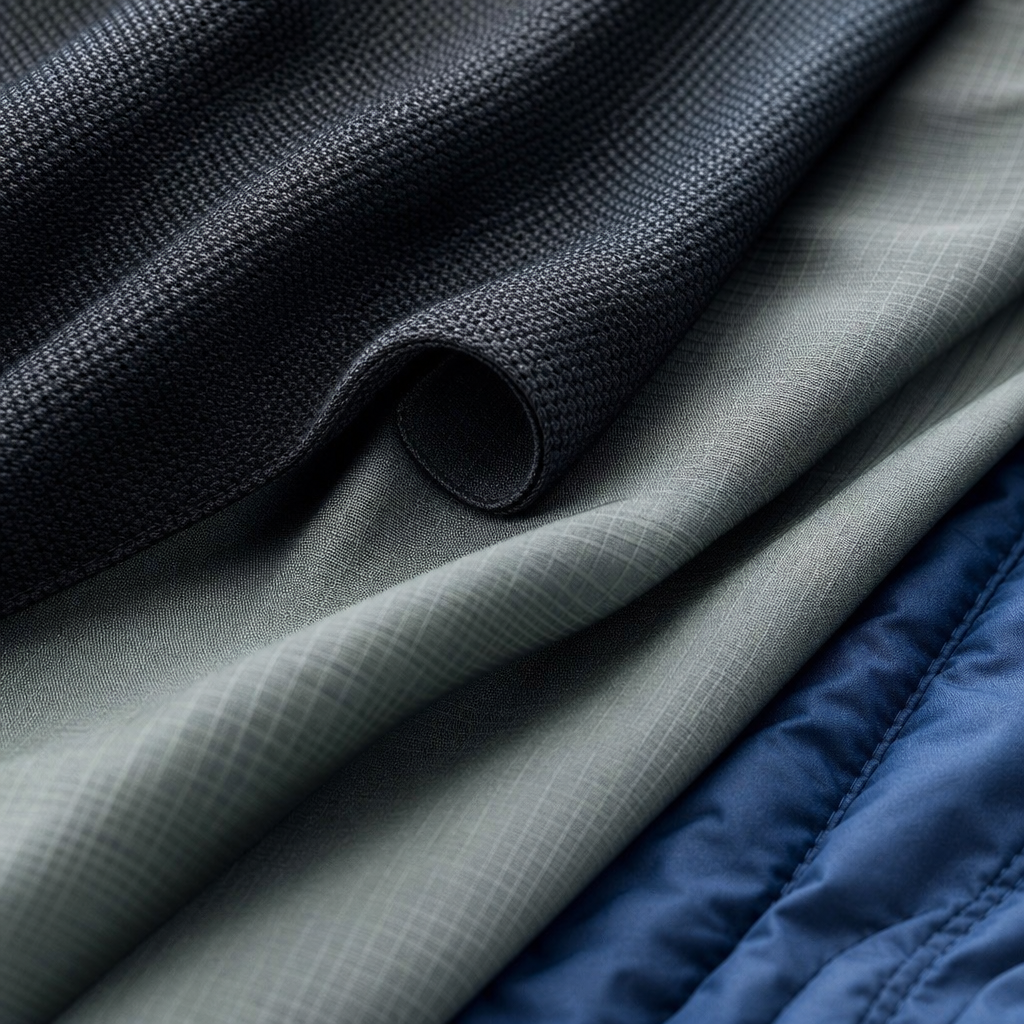
Polymers in high-performance textiles have transformed how engineers, designers, and manufacturers build fabrics for extreme use, and the strongest proof comes from successful polymer applications already deployed in sportswear, military systems, medical products, and industrial safety equipment. In this case study, high-performance textiles refers to fabrics engineered for measurable functional outcomes such as tensile strength, abrasion resistance, moisture management, chemical stability, thermal protection, elasticity, or biocompatibility. A polymer is a material made of repeating molecular units, and in textiles those materials appear as fibers, coatings, membranes, finishes, binders, and composite matrices. I have worked with teams evaluating fiber selection for protective garments and technical apparel, and the pattern is consistent: polymer choice determines whether a textile merely looks advanced or actually performs under heat, load, sweat, weather, and repeated laundering.
This topic matters because textile performance is increasingly tied to demanding end uses, not aesthetics alone. Firefighters need turnout gear that resists flame while allowing mobility. Surgeons rely on implantable meshes and vascular graft textiles that remain stable inside the body. Athletes expect lightweight fabrics that stretch, recover, and manage moisture without degrading after dozens of wash cycles. Industrial buyers need cut-resistant gloves, filter media, conveyor fabrics, and geotextiles that survive mechanical stress and chemical exposure. In every one of these categories, successful polymer applications create the difference between product claims and verified field results. As the hub for successful polymer applications within case studies and applications, this article maps the major polymer families, explains why certain materials win in specific contexts, and shows how real products achieve performance through structure, processing, and testing rather than material choice alone.
Understanding the case study approach is important. A good polymer textile case study does not ask only, “Which fiber is strongest?” It asks a broader set of questions: What performance target matters most? What tradeoffs are acceptable? How will the textile be produced at scale? Which standards verify success? Those questions lead to practical comparisons among aramids, polyesters, polyamides, polyolefins, elastomers, fluoropolymers, polyurethanes, and high-modulus specialty polymers such as ultra-high-molecular-weight polyethylene. They also reveal that successful polymer applications are usually hybrid systems combining yarn architecture, knitting or weaving method, membrane lamination, surface treatment, and finish chemistry. Looking at these systems through case studies gives manufacturers a repeatable way to select the right material platform, reduce development risk, and connect polymer science to real-world textile performance.
Why polymers dominate high-performance textile design
Polymers dominate high-performance textile design because they offer tunable properties across the full textile value chain. By adjusting molecular weight, crystallinity, orientation, copolymer composition, spinning conditions, and post-treatment, manufacturers can engineer fibers with very different behaviors from the same broad chemical family. Polyester can be made into tough seatbelt webbing, moisture-wicking sports yarns, or durable filtration fabrics. Polyamide can become soft apparel filament or abrasion-resistant cord. Polyurethane can function as an elastic fiber, a breathable coating, or a waterproof membrane component. This tunability is why polymers outperform many natural fibers in controlled, repeatable technical applications.
The commercial advantage is equally important. High-performance textiles must be scalable, consistent, and certifiable. Polymer processing routes such as melt spinning, solution spinning, electrospinning, extrusion coating, and multilayer lamination support industrial throughput with close control over denier, filament count, pore size, and coating thickness. Recognized test methods from ASTM, ISO, and AATCC then verify whether the final textile meets target metrics such as hydrostatic head, moisture vapor transmission rate, tear strength, limiting oxygen index, puncture resistance, or elongation recovery. In practice, successful polymer applications are the ones that move smoothly from lab formulation to pilot line to full production without losing critical properties.
Case study framework: how successful polymer applications are evaluated
When I assess a polymer textile application, I start with the use environment before naming a material. A shell fabric for alpine outerwear faces ultraviolet exposure, flex fatigue, low temperatures, and liquid water pressure. A ballistic panel faces high strain-rate impact. A wound dressing needs fluid management, sterility compatibility, and skin safety. These conditions determine the selection criteria. The most useful framework includes six filters: performance requirement, processing compatibility, durability profile, regulatory standard, cost target, and end-of-life pathway. A polymer that excels in one filter can fail another. For example, a fluoropolymer membrane may deliver excellent weather resistance, but cost and recycling complexity can limit use in price-sensitive categories.
Another lesson from successful polymer applications is that fabric architecture can amplify or constrain polymer performance. A high-tenacity yarn in a poor weave may snag or delaminate. A strong membrane bonded with the wrong adhesive can lose breathability. A cut-resistant polymer blend can become uncomfortable if yarn stiffness is not balanced with liner construction. This is why case studies matter at the textile-system level. They show not just what a polymer can do in isolation, but how it behaves after spinning, texturing, knitting, coating, seaming, laundering, and field wear.
| Polymer family | Common textile role | Key strength | Typical limitation | Representative application |
|---|---|---|---|---|
| Polyester | Filament, staple, webbing, base fabric | Dimensional stability and durability | Lower heat resistance than aramids | Seatbelts and performance apparel |
| Polyamide | Yarn, cord, knit structures | Abrasion resistance and toughness | Moisture uptake can shift properties | Backpacks, hosiery, airbags |
| Aramid | Protective woven and nonwoven layers | Flame resistance and high strength | UV sensitivity and higher cost | Fire-resistant garments and armor |
| UHMWPE | High-modulus yarn and composite reinforcement | Exceptional strength-to-weight ratio | Low melting point relative to aramids | Cut-resistant gloves and ballistic systems |
| Polyurethane | Elastic fiber, coating, membrane | Stretch and flexible barrier performance | Hydrolysis risk in some formulations | Compression wear and rainwear laminates |
| PTFE and fluoropolymers | Membrane, sewing thread, filter media | Chemical resistance and weather durability | Processing cost | Protective outerwear and industrial filtration |
Case study one: polyester and polyamide in durable performance apparel
One of the most successful polymer applications in high-performance textiles is the polyester and polyamide platform used in outdoor apparel, workwear, and athletic garments. Polyester remains dominant because it balances cost, dyeability, dimensional stability, and mechanical durability. Its low moisture regain helps garments dry quickly, and engineered cross-sections can improve capillary wicking. Major sportswear brands use textured polyester microfilaments in baselayers because surface area and yarn construction, not marketing language, create moisture transport. Polyamide enters when abrasion resistance and hand feel become more important, especially in leggings, packs, shell reinforcements, and high-wear panels.
A practical example is a trail-running jacket built from a tightly woven polyamide face fabric with a polyurethane or polyester-based membrane and a durable water repellent finish. The polyamide face provides toughness against pack rub and branch contact. The membrane creates a waterproof barrier while allowing moisture vapor transmission. The finish promotes beading during light rain, reducing face-fabric wet-out that would otherwise lower comfort. Success depends on balancing these layers. If the face fabric is too dense, breathability suffers. If the membrane is too fragile, wash durability falls. If the finish is weak, field performance drops long before lab hydrostatic head does. Well-executed garments succeed because polymer selection matches structure and finishing chemistry.
Case study two: aramids and flame-resistant protective textiles
Aramids are the benchmark case study for polymer-enabled protective textiles because they deliver inherent flame resistance rather than a finish that washes out. Meta-aramid fibers, widely known through Nomex-based systems, are used where thermal stability and flame resistance are critical, including firefighting station wear, racing suits, and electrical protective clothing. Para-aramid fibers, known through Kevlar and Twaron families, contribute high tensile strength, cut resistance, and reinforcement in ballistic and stab-resistant systems. Their molecular orientation and aromatic backbone provide the high thermal and mechanical performance that natural fibers cannot match in these environments.
A successful application is modern turnout gear, which usually combines multiple polymer layers: an aramid-rich outer shell for flame and abrasion resistance, a moisture barrier membrane often based on PTFE or polyurethane chemistry, and a thermal liner that traps insulating air. No single polymer solves the problem alone. The outer layer must resist flash exposure and mechanical damage. The barrier must block liquid water and blood-borne pathogen penetration while allowing sweat vapor to escape. The liner must preserve loft after compression and laundering. Garments are typically assessed using standards such as NFPA 1971 in the United States, proving that polymer choice must align with regulated performance rather than generic heat-resistance claims. The case study lesson is clear: in high-risk environments, successful polymer applications are systems engineered around failure modes.
Case study three: UHMWPE in cut resistance and lightweight armor
Ultra-high-molecular-weight polyethylene, often abbreviated UHMWPE, is one of the clearest examples of how molecular architecture changes textile capability. Through gel spinning and extreme chain orientation, this polymer achieves outstanding specific strength and modulus. In plain terms, it provides very high strength at very low weight. That makes it ideal for cut-resistant gloves, high-strength ropes, sails, and certain ballistic packages. Brands such as Dyneema and Spectra helped establish the category by proving that polyethylene, usually associated with commodity applications, can become a premium technical textile when processed correctly.
In cut-resistant gloves, UHMWPE is rarely used alone. Manufacturers blend it with glass fiber, steel, nylon, spandex, or engineered coatings to hit EN 388 and ANSI cut levels while maintaining dexterity. I have seen prototypes fail not because the base polymer lacked strength, but because the knit structure exposed fibers too quickly under repetitive edge contact. The successful versions used tighter plating, targeted reinforcement zones, and coatings that improved grip without making the glove too rigid. In lightweight armor, UHMWPE offers lower weight than aramid for equivalent ballistic performance in many configurations, but its lower melting point can limit hot-environment handling and backface deformation design. The case study takeaway is that successful polymer applications depend on understanding both headline strengths and boundary conditions.
Case study four: polyurethane, elastane, and breathable barrier systems
Polyurethane is one of the most versatile polymers in high-performance textiles because it can act as an elastomeric fiber, a coating, an adhesive layer, or a microporous or monolithic membrane. In stretch apparel, elastane fibers deliver repeated extension and recovery that natural rubber cannot match in many modern garment constructions. In weather-protective textiles, polyurethane membranes can create waterproof and windproof barriers with softer hand and easier processing than some fluoropolymer systems. Performance varies significantly by chemistry, especially between polyester-based and polyether-based polyurethane systems, so formulation details matter.
A useful case study is medical compression wear and performance leggings. The successful products combine nylon or polyester with elastane in ratios tuned for stretch, recovery, opacity, and power distribution. Too little elastane and the garment bags out after wear. Too much and it can trap heat, raise cost, and complicate dyeing. In rainwear laminates, polyurethane often competes with expanded PTFE membranes. Polyurethane can offer excellent drape and lower cost, while expanded PTFE often leads in long-term weathering and chemical inertness. The best brands succeed by matching polymer type to use case: lightweight commuter rainwear can thrive with polyurethane, while expedition shells may justify higher-end membrane systems and more rigorous seam construction.
Case study five: medical and industrial textiles where polymers enable specialization
Medical and industrial textiles show the broadest range of successful polymer applications because requirements are highly specific. In medicine, polypropylene nonwovens dominate disposable gowns, masks, and drapes because spunbond and meltblown processing create low-cost barrier structures at scale. Polyester and PTFE appear in vascular grafts, surgical sutures, and implantable meshes where long-term stability matters. Polyurethane films are used in wound dressings for breathable liquid barriers. These applications succeed only when polymer chemistry aligns with sterilization method, biocompatibility expectations, and shelf-life stability. A dressing that performs well before gamma sterilization but embrittles afterward is not a success.
Industrial textiles provide equally instructive examples. PTFE-coated glass fabrics are used in architectural membranes and conveyor belts because they handle temperature and chemicals exceptionally well. Polyester geotextiles stabilize soil and manage drainage in civil engineering. Polypropylene filter media dominate many filtration markets because they resist many chemicals, process efficiently, and support fine fiber formation. In each case, the polymer is selected for a measurable operating condition, not a broad lifestyle promise. That is the recurring pattern across successful polymer applications in high-performance textiles.
High-performance textiles succeed when polymer science is translated into complete textile systems built for specific hazards, workloads, and user expectations. Polyester and polyamide win where durability, comfort, and scalable manufacturing matter most. Aramids remain essential for flame resistance and high-heat protection. UHMWPE proves that exceptional strength-to-weight performance can redefine gloves, ropes, and armor. Polyurethane and related elastomeric systems enable stretch, barrier control, and wearable comfort across apparel and medical categories. Medical and industrial case studies further confirm that the best outcomes come from matching polymer chemistry to environment, processing route, and standard-based testing.
For teams building a roadmap around successful polymer applications, the main benefit of a case study approach is faster, better material selection. Instead of starting with a trendy fiber, start with the use case, failure mode, test method, and production constraint. Then evaluate the polymer as part of a layered textile system that must perform after manufacturing, washing, storage, and real use. That method reduces development waste and improves the odds of commercial success.
Use this hub as your starting point for deeper analysis of each polymer family, application sector, and test protocol. Review your current textile portfolio, identify the highest-stress use cases, and map each product to the polymer system most likely to deliver verified performance.
Frequently Asked Questions
1. What makes polymers so important in high-performance textiles?
Polymers are central to high-performance textiles because they give engineers precise control over how a fabric behaves under real-world stress. Unlike conventional fibers chosen mainly for comfort or appearance, polymer-based fibers can be designed for specific functional outcomes such as high tensile strength, abrasion resistance, moisture transport, thermal stability, chemical resistance, elasticity, or low weight. That level of tunability is what makes polymers so valuable in textiles used for extreme sports, military gear, medical devices, and industrial safety equipment.
From a materials engineering perspective, polymers can be modified at the molecular level to influence flexibility, crystallinity, durability, and environmental resistance. For example, aramid polymers are used where exceptional strength and heat resistance are required, while polyurethane-based systems are often selected for stretch and recovery. Polyester and nylon remain widely used because they balance performance, processing efficiency, and cost, especially when enhanced through coatings, blends, or filament engineering.
What makes the case-study angle especially compelling is that polymer success is not theoretical. These materials have already proven themselves in deployed products where measurable performance matters. In moisture-managing sportswear, polymer structures help move sweat away from the skin. In ballistic and protective systems, they contribute to impact resistance and structural integrity. In medical textiles, they support biocompatibility, cleanliness, and controlled durability. In industrial settings, they help fabrics resist tearing, chemicals, and repeated mechanical wear. In short, polymers matter because they allow textile performance to be engineered, tested, scaled, and matched to demanding end-use conditions.
2. Which polymer-based textiles are most commonly used in sportswear, military, medical, and industrial applications?
Different sectors rely on different polymer systems because each application demands a distinct combination of properties. In sportswear, polyester, nylon, elastane, and various moisture-management finishes are among the most common choices. Polyester is valued for its light weight, durability, and ability to dry quickly. Nylon adds strength and abrasion resistance, making it useful in outerwear and performance gear. Elastane contributes stretch, fit retention, and mobility, which are essential in compression garments, training apparel, and body-contouring athletic wear.
Military applications often require a more complex performance profile, including flame resistance, cut resistance, tensile strength, dimensional stability, and low weight. Aramid fibers such as Kevlar and Nomex are widely recognized examples in this category. They are used in protective uniforms, helmets, ballistic layers, gloves, and other mission-critical systems where thermal and mechanical hazards are a concern. High-performance polyethylene fibers may also be used where exceptional strength-to-weight ratio is needed.
In medical textiles, the polymer choice depends heavily on whether the product is implantable, disposable, reusable, absorbent, breathable, or barrier-forming. Polypropylene is common in nonwoven medical products such as masks, gowns, and drapes because it is lightweight, cost-effective, and suitable for hygienic barrier applications. Polyurethane films and coatings may be used in wound-care products where breathability and fluid management are important. Polyester and nylon also appear in medical support fabrics, compression materials, and reinforced textile structures.
Industrial and safety applications often use polymers that can withstand repeated stress, environmental exposure, and contact with oils, chemicals, or abrasive surfaces. Nylon, polyester, aramids, PVC-coated textile systems, PTFE-based materials, and specialty polymer laminates all play important roles depending on the hazard environment. For example, a textile used in filtration or chemical handling may require very different polymer chemistry from a textile used in fall protection or conveyor reinforcement. The most common pattern across all sectors is that polymer selection is driven by measurable function, not by a one-size-fits-all material preference.
3. How do polymers improve measurable performance factors like strength, moisture management, and chemical stability?
Polymers improve textile performance by enabling both intrinsic and engineered functionality. Intrinsic functionality comes from the polymer itself, including its molecular structure, chain alignment, crystallinity, and thermal behavior. Engineered functionality comes from how that polymer is processed into fibers, yarns, coatings, laminates, membranes, or composite textile systems. Together, these factors determine whether a fabric can withstand load, transfer moisture, resist harsh environments, or maintain its properties over time.
For tensile strength, the polymer’s chain structure and orientation are critical. Highly oriented polymer fibers can carry significant loads because the molecular alignment improves stress transfer along the fiber axis. This is one reason why high-performance polymers used in protective textiles can deliver remarkable strength without excessive bulk. Abrasion resistance is influenced by surface toughness, filament structure, and how the fiber interacts with repeated friction. Nylon, for example, is often favored in applications where wear resistance is essential.
Moisture management is another area where polymers have changed textile performance dramatically. Some polymer-based fibers are hydrophobic, meaning they do not absorb much water into the fiber itself, yet they can still be engineered to wick moisture along the fabric surface or through capillary channel structures. This distinction matters because good moisture management is not just about absorption. In sportswear and active systems, the goal is often to move sweat away from the skin, spread it over a wider surface area, and accelerate evaporation. Cross-sectional fiber design, fabric construction, and surface treatments all work together to create that effect.
Chemical stability depends on how resistant a polymer is to acids, bases, solvents, oxidation, UV exposure, and environmental aging. In harsh industrial settings, a fabric may fail not because it tears, but because its polymer structure degrades over time after repeated chemical contact. Choosing the right polymer can therefore extend service life and maintain safety margins. In many high-performance applications, the winning material is not simply the strongest one in the lab. It is the one that retains its critical properties under the exact mechanical, thermal, and chemical conditions of use.
4. What does this case study approach reveal about real-world polymer performance in textiles?
A case study approach reveals something extremely important that broad material summaries often miss: performance only matters if it holds up in actual service conditions. Laboratory data can show excellent values for strength, elasticity, or barrier performance, but real-world textile use introduces variables such as repeated washing, flex fatigue, UV exposure, sweat, chemicals, temperature swings, impact events, and prolonged abrasion. Looking at successful deployed applications helps connect polymer science to practical outcomes.
For example, in sportswear, a polymer may appear effective because it is lightweight and moisture-resistant, but the case study perspective asks whether it still performs after repeated laundering, extended body movement, and exposure to salts and oils from perspiration. In military systems, a polymer may test well in isolated categories, but the case study asks whether it continues to deliver protection while meeting mobility, weight, comfort, and durability requirements. In medical textiles, real-world use means assessing not only barrier or support performance, but also hygiene, processability, sterility compatibility, and patient safety.
Case studies also highlight the importance of system-level design. High-performance textiles are rarely about a single polymer acting alone. They often involve layered constructions, coatings, membranes, blends, reinforcements, and finishing technologies. A polymer that works brilliantly in one construction may underperform in another. By studying successful applications already in the field, manufacturers and designers can better understand which combinations of fiber chemistry, textile architecture, and finishing techniques consistently deliver target performance.
Perhaps most importantly, case studies provide evidence of trade-offs. A polymer with very high strength may be more expensive or less comfortable. A highly chemical-resistant material may be stiffer or harder to process. A lightweight fabric may need reinforcement in specific zones. Real-world examples show how these trade-offs are managed in commercially viable products. That makes the case study model particularly useful for anyone evaluating polymer choices for future textile innovation.
5. What are the main challenges and future opportunities for polymers in high-performance textiles?
The biggest challenges involve balancing performance, sustainability, cost, and manufacturability. High-performance polymer textiles are often expected to do more than ever before while remaining lightweight, durable, comfortable, and economically feasible. At the same time, there is growing pressure to reduce environmental impact, improve recyclability, and move away from material systems that are difficult to recover at end of life. This creates a genuine engineering challenge, especially for textiles made from multi-material laminates, specialty coatings, or blended fibers that are hard to separate and recycle.
Another major challenge is that performance requirements are becoming more complex. End users increasingly want fabrics that are not only strong or protective, but also breathable, flexible, antimicrobial, thermally adaptive, and sensor-compatible. In military and industrial environments, protective garments must support mobility and reduce fatigue while still meeting strict safety standards. In medical textiles, materials must meet rigorous hygiene and regulatory requirements without sacrificing comfort or usability. These demands push polymer developers to create more multifunctional systems rather than single-property solutions.
The future opportunities are significant. One major area is advanced polymer engineering for smarter textiles, including conductive polymers, responsive coatings, and fiber systems integrated with sensing or monitoring capability. Another is bio-based and recyclable polymers that can deliver high performance with improved environmental profiles. Researchers are also exploring nanostructured surfaces, self-healing coatings, and hybrid textile composites that combine multiple polymer technologies in one fabric system.
For manufacturers and product developers, the opportunity lies in matching the right polymer platform to