Consumer electronics became smaller, lighter, safer, and more reliable largely because polymers solved design problems that metal, glass, wood, and ceramics could not solve alone. In this context, polymers include commodity plastics such as ABS and polypropylene, engineering plastics such as polycarbonate and PBT, elastomers such as silicone and TPU, high performance films such as polyimide, and specialized resins used in adhesives, coatings, encapsulants, and printed circuit materials. When people ask how polymers improved consumer electronics, the practical answer is straightforward: they enabled affordable mass production, electrical insulation, impact resistance, flexible form factors, waterproof sealing, thermal management strategies, and modern industrial design. I have worked with electronics housings, cable components, and molded assemblies, and the pattern is consistent across decades of products: polymer selection often determines whether a device feels durable, ships economically, passes drop testing, and survives daily use. This matters because consumer expectations now include thin profiles, wireless connectivity, battery safety, soft touch ergonomics, and sustainability claims, all delivered at scale and at acceptable cost.
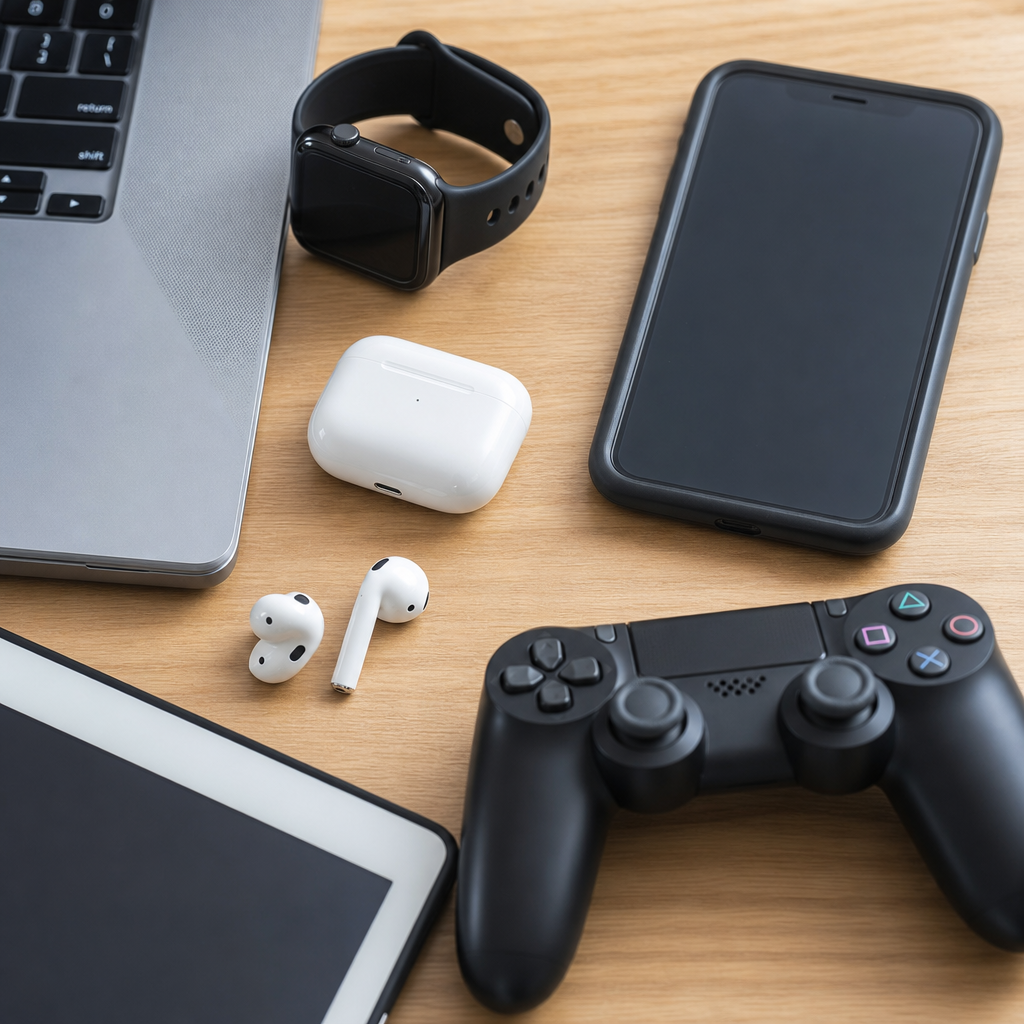
Successful polymer applications are not limited to visible outer shells. They appear in smartphone frames, laptop keycaps, display films, speakers, insulation tapes, connectors, wire jackets, potting compounds, conformal coatings, battery separators, wearable bands, and overmolded seals. A modern phone, tablet, game controller, or earbud case is a system of polymer parts engineered around mechanical load, dielectric performance, flame resistance, chemical exposure, color stability, and manufacturability. Standards and test methods shape those choices, including UL 94 for flammability, IP ratings for ingress protection, IEC and ASTM methods for electrical and mechanical properties, and reliability protocols such as thermal cycling, humidity exposure, and drop testing. As a hub for successful polymer applications, this article explains where polymers delivered the biggest improvements in consumer electronics, which materials made those gains possible, what tradeoffs engineers had to manage, and why these lessons continue to guide product development across phones, computers, wearables, audio devices, accessories, and smart home hardware today.
Housings and Structural Parts: From Bulky Casings to Precision Consumer Products
The most visible polymer success story in consumer electronics is the housing. Early radios and televisions used Bakelite and other thermosets because they could be molded into electrical insulating forms, but modern devices expanded that legacy with thermoplastics that combined toughness, surface quality, and manufacturing speed. ABS became common in monitors, keyboards, remote controls, and printer covers because it balances impact resistance, dimensional stability, colorability, and cost. Polycarbonate, and PC/ABS blends in particular, improved drop performance and heat resistance for laptop shells, handheld electronics, and charger enclosures. In practice, PC/ABS became a workhorse because it reduced brittle failure at screw bosses and snap fits while still allowing attractive cosmetic finishes.
Material choice changed industrial design. Thin wall injection molding, reinforced ribs, living hinges in selected materials, and hidden fastening features allowed designers to replace heavy metal parts with lighter polymer structures. Game consoles, set top boxes, routers, and smart speakers all benefited because reduced part weight cuts shipping costs and improves handling during assembly. I have seen enclosure redesigns remove multiple screws by using molded clips and ultrasonic welding, which lowered assembly time and reduced rattles in vibration testing. Polymers also support antenna performance better than metal housings, which is one reason Wi Fi routers, Bluetooth accessories, and many phone back covers use radio transparent materials. Even when premium products use aluminum frames, polymers remain essential as inserts, internal brackets, antenna windows, and insulating carriers.
Electrical Insulation and Safety: The Invisible Performance Layer
Consumer electronics would be far riskier without polymer insulation. Connectors, wire coatings, switch housings, sockets, and internal barriers depend on polymers with predictable dielectric strength and tracking resistance. PVC dominated cable insulation for years because it is flexible, electrically reliable, and inexpensive, while polyethylene and cross linked polyethylene became important where lower dielectric loss or better thermal properties mattered. Inside power adapters and appliances, nylon, PBT, PET, and phenolic materials often isolate live components and maintain creepage and clearance distances. These parts are not glamorous, but they prevent short circuits, shock hazards, and arc propagation.
Flame retardant polymer systems made another major improvement. As power densities increased in chargers, televisions, and computing devices, manufacturers needed housings and internal parts that resisted ignition and self extinguished under fault conditions. UL 94 V-0 ratings became a common target for many electronic assemblies. Engineers typically achieved this through formulated grades of PC, PBT, PA, or epoxy systems rather than through base resin alone. The tradeoff is real: flame retardants can affect toughness, color, recyclability, and long term stability. Better products come from balancing compliance with mechanical performance rather than treating flammability as an isolated requirement. That discipline is one reason today’s chargers and battery accessories are markedly safer than many low quality products of the past.
Displays, Films, and Flexible Circuits: Polymers Enabled Thin and Portable Screens
Displays became lighter and thinner because polymers replaced glass or metal in several critical layers. PET films, polycarbonate films, acrylic sheets, and polyimide substrates transformed display stacks, touch interfaces, and backlight assemblies. In LCD systems, polymer films act as diffusers, brightness enhancement films, reflective layers, and protective barriers. Without these optical polymers, laptops and flat panel televisions would be thicker, heavier, and less energy efficient. Protective screen layers and hard coats also rely on polymer chemistry to manage scratch resistance, anti glare behavior, and touch sensitivity.
Flexible printed circuits are another defining application. Polyimide films, known commercially through products such as Kapton, tolerate high temperatures and repeated bending while maintaining electrical integrity. They are used in smartphone camera modules, hinges, displays, and compact interconnects where rigid boards would fail or consume too much space. Wearables and foldable devices pushed this further by demanding repeated flex cycles under sweat, heat, and motion. The success of these products depends not just on the film itself but on adhesive systems, copper adhesion, coverlays, and strain relief design. In teardown reviews of phones and earbuds, the compact routing that consumers take for granted is often a direct result of polymer based flex materials.
Seals, Overmolding, and Ergonomics: Better Use Experience Through Material Pairing
Many of the qualities consumers describe as premium come from elastomers and multi material assemblies. Silicone, thermoplastic polyurethane, thermoplastic elastomers, and liquid silicone rubber improve grip, cushioning, sealing, and comfort. Overmolded buttons on remotes, soft touch grips on shavers, shock absorbing corners on rugged tablets, and ear tips on in ear headphones all rely on polymers tuned for hardness, compression set, skin contact, and chemical resistance. In wearables, strap materials must resist sweat, oils, UV exposure, and repeated flexing without cracking or causing irritation. Silicone and fluoroelastomer bands became common because they perform well in these conditions.
Ingress protection is another area where polymers changed the market. Adhesive gaskets, molded seals, and elastomer membranes made it practical to offer IP67 or IP68 rated phones, smartwatches, and speakers. Water resistance is not achieved by a single magic material; it comes from system design involving compressible seals, vent membranes, adhesive tapes, and dimensionally stable mating parts. Expanded polytetrafluoroethylene vent membranes, for example, let pressure equalize while blocking liquid water, protecting microphones and speakers. The result is greater reliability in rain, kitchens, gyms, and travel. This improvement directly expanded where consumers are willing to use electronics, especially for fitness devices and portable audio.
Thermal Management, Batteries, and Reliability Under Stress
Polymers are often criticized for lower thermal conductivity than metals, but in electronics they improved thermal management by enabling targeted insulation, controlled heat paths, and safer battery architectures. Thermal interface materials based on silicone or acrylic matrices fill microscopic air gaps between chips, heat spreaders, and housings. Potting compounds and gap fillers can electrically isolate components while moving heat toward radiators. In LED lighting and high power chargers, thermally conductive polymer compounds loaded with ceramic fillers replaced heavier or more complex assemblies in selected parts. They do not outperform aluminum everywhere, but they simplify manufacturing and reduce electrical risk in the right locations.
Lithium ion battery systems also depend on polymers. Polyolefin separators between anode and cathode are fundamental safety components because they maintain ionic transport while preventing internal short circuits. Binder systems, pouch films, insulating tapes, and encapsulants all contribute to cell integrity and pack reliability. Around the battery, flame retardant housings, foam pads, and adhesive films manage shock, vibration, swelling, and service loads. I have seen battery compartment failures trace back not to the cell chemistry but to poor polymer selection for cushioning or insulation, which led to wear points and eventual electrical damage. Reliable electronics are often built on these unglamorous material decisions.
What Successful Polymer Applications Look Like in Real Products
The clearest way to understand how polymers improved consumer electronics is to look at product categories where they solved multiple problems at once.
| Product | Key polymer applications | Main improvement delivered |
|---|---|---|
| Smartphones | PC/ABS frames, polyimide flex circuits, silicone seals, acrylic adhesives | Lighter construction, water resistance, compact internal packaging |
| Laptops | PC/ABS or glass filled polymers, PET films, keycap resins, connector insulators | Thinner housings, reliable keyboards, reduced electrical risk |
| Earbuds | ABS shells, TPU cable strain reliefs, silicone ear tips, epoxy encapsulants | Comfort, durability, sweat resistance, miniaturization |
| Game controllers | ABS housings, TPE grips, membrane switches, elastomer buttons | Ergonomics, impact resistance, long cycle life |
| Wearables | Fluoroelastomer bands, transparent films, adhesive gaskets, overmolded seals | Skin comfort, sealing, low weight, daily reliability |
These examples show a recurring pattern. A successful polymer application rarely improves just one property. It usually combines manufacturability, user experience, and reliability. Smartphone adhesives support thin bezels and sealing. Earbud silicones improve fit while also supporting acoustic performance. Laptop films shape light output and reduce power draw. The best electronics teams choose polymers at the system level, not as afterthoughts.
Limits, Tradeoffs, and the Next Wave of Polymer Use
Polymers did not improve consumer electronics without tradeoffs. They can creep under constant load, scratch more easily than metals or glass, absorb moisture, age under UV exposure, and vary in performance depending on fillers, pigment packages, and processing conditions. Injection molded parts may warp, sink, or crack at knit lines if tool design and process control are poor. Some flame retardant systems complicate recycling. Adhesive bonded devices are harder to repair. Premium consumers sometimes perceive metal as more valuable even when a polymer composite performs better in drop tests. Good engineering acknowledges these limitations early through finite element analysis, mold flow simulation, environmental testing, and design for disassembly where possible.
Even with those constraints, the direction of travel is clear. Recycled ABS and polycarbonate blends are becoming more common in accessories and housings as supply quality improves. Bio based polymers are gaining attention in low load parts and packaging, though they are not universal replacements for engineering plastics. Liquid crystal polymers support fine pitch connectors and antenna components because of their excellent dimensional stability and high frequency performance. Polymer chemistry also remains central to foldable displays, printed electronics, and wearable sensors. The next generation of successful polymer applications will be judged not only by cost and performance, but by repairability, recycled content, halogen free formulations, and carbon footprint across the product lifecycle.
Polymers improved consumer electronics by making advanced products practical for everyday users and profitable for mass manufacturing. They reduced weight, enabled compact packaging, insulated dangerous voltages, improved drop resistance, supported wireless designs, created water resistant seals, and made wearables comfortable enough for constant use. Just as important, they helped manufacturers scale quality through injection molding, film converting, overmolding, automated dispensing, and adhesive assembly methods that are now standard across the industry. The strongest case studies are not isolated material substitutions; they are integrated design decisions where polymers solved mechanical, electrical, thermal, and aesthetic requirements at the same time.
For anyone studying successful polymer applications, the main lesson is simple: the best material choice is application specific and system driven. A phone housing, battery seal, display film, and cable jacket all demand different polymer behaviors, test methods, and failure criteria. Engineers who understand those differences build products that last longer, feel better, and meet stricter safety expectations. If you are exploring case studies and applications in this field, use this hub as a starting point, then examine each product category through the lens of material performance, process compatibility, and long term reliability. That is where polymers continue to prove their value in consumer electronics every day.
Frequently Asked Questions
1. How did polymers help make consumer electronics smaller and lighter?
Polymers played a major role in the miniaturization of consumer electronics by replacing heavier, less adaptable materials with lightweight alternatives that could still deliver strength, precision, and durability. Early consumer products often relied more heavily on metal, glass, wood, and ceramics, all of which have useful properties but also clear limitations when designers needed thin walls, snap-fit assembly, complex internal geometries, and low overall weight. Plastics such as ABS, polypropylene, polycarbonate, and PBT gave manufacturers the ability to mold intricate parts with tight tolerances, integrate clips and mounting features directly into housings, and reduce the number of separate components required in a product.
This mattered because every gram and every millimeter count in devices like phones, laptops, headphones, remote controls, and wearables. A polymer enclosure could be shaped to fit batteries, circuit boards, connectors, speakers, and cooling paths far more efficiently than many traditional materials. High-performance films such as polyimide also made it possible to build compact flexible circuits that could bend around internal components instead of forcing engineers to use bulkier rigid layouts. Adhesives, encapsulants, and polymer-based insulating materials further supported denser packaging by allowing parts to be bonded, sealed, and protected without large mechanical fasteners or oversized clearances. In practical terms, polymers did not just substitute for older materials; they enabled entirely new product architectures that helped electronics become portable, ergonomic, and highly space-efficient.
2. Why are polymers so important for the safety and reliability of electronic devices?
Polymers are essential to safety and reliability because they do much more than form the outer shell of a device. Many polymers are excellent electrical insulators, which helps prevent short circuits, accidental contact with live components, and signal interference between tightly packed electronic parts. Engineering plastics and specialized resins are used throughout connectors, switch housings, wire coatings, circuit board laminates, and internal barriers because they combine insulation with toughness and dimensional stability. This is especially important in products that are repeatedly handled, dropped, plugged in, and exposed to heat cycles over long periods of time.
Polymers also improve reliability by protecting delicate electronics from moisture, dust, vibration, impact, and chemicals. Silicone, TPU, epoxy encapsulants, conformal coatings, and adhesive systems help absorb shocks, seal seams, cushion sensitive modules, and prevent corrosion or contamination. If you think about how often consumer devices are carried in bags, used outdoors, or stored in humid environments, this kind of protection is critical. In addition, many polymer formulations are engineered for flame resistance, thermal endurance, and resistance to cracking or creep, which helps products maintain performance across years of use. In short, polymers create a protective ecosystem inside and outside the device, helping it survive both normal wear and unexpected stress while keeping users safer.
3. What types of polymers are commonly used in consumer electronics, and what does each one do?
Consumer electronics use a wide range of polymers because no single material can meet every performance requirement. Commodity plastics such as ABS and polypropylene are common in housings, covers, brackets, and non-structural parts because they offer a strong balance of cost, processability, impact resistance, and surface finish. ABS is especially valued for consumer-facing enclosures because it molds well and can produce durable, attractive parts. Polypropylene is useful when chemical resistance, fatigue resistance, or low density are priorities.
Engineering plastics such as polycarbonate and PBT are chosen when the application demands greater toughness, heat resistance, or electrical performance. Polycarbonate is widely used where impact resistance and transparency are important, such as protective covers, light guides, and certain display-related components. PBT is often used in connectors and precision electrical parts because it has strong dimensional stability and good insulating properties. Elastomers such as silicone and TPU serve a different role: they add flexibility, grip, sealing, and shock absorption. These materials are common in cable jackets, gaskets, button pads, wearable components, and protective overmolds.
High-performance films such as polyimide are critical in compact electronics because they can withstand elevated temperatures while remaining thin and flexible. That makes them ideal for flexible printed circuits, insulation layers, and applications where routing through tight spaces is necessary. Beyond these visible and structural materials, specialized polymer resins are found in adhesives, coatings, encapsulants, potting compounds, and printed circuit materials. These chemistries hold assemblies together, protect microelectronics, manage environmental exposure, and support long-term stability. Taken together, these different polymer families form the backbone of modern electronics manufacturing because each contributes a specific set of mechanical, thermal, electrical, or protective functions.
4. Could consumer electronics have advanced as quickly without polymers?
Realistically, no. Consumer electronics might still have improved over time without polymers, but the pace, scale, and affordability of that progress would have been far more limited. Many of the defining characteristics of modern electronics—thin profiles, low weight, sealed construction, portable power, flexible internal layouts, and mass-market pricing—depend heavily on polymer materials. Traditional materials like metal, glass, wood, and ceramics each remain valuable and are still used today, but on their own they generally cannot provide the same combination of low weight, moldability, electrical insulation, impact resistance, sealing capability, and manufacturing efficiency.
Polymers accelerated development because they let engineers solve multiple design problems at once. A single molded part could provide structure, insulation, attachment points, cable routing, and cosmetic finish. Flexible polymer films made it easier to connect moving or compact assemblies. Elastomers improved user comfort and environmental sealing. Encapsulants and coatings protected increasingly delicate circuitry as devices became more powerful and more densely packed. Just as important, polymers supported high-volume, repeatable manufacturing at costs suitable for broad consumer adoption. That helped move electronics from niche, expensive products into everyday items used by millions of people. So while electronics innovation has always depended on advances in semiconductors, batteries, and software, polymers were a foundational enabler that made those advances practical in real-world consumer products.
5. Are polymers only used for casings, or do they affect device performance too?
Polymers definitely affect device performance, and their role goes far beyond the outer casing. While enclosures are the most visible polymer components, many performance-critical functions inside a device also depend on polymer materials. For example, insulating polymers in connectors, printed circuit assemblies, and wire coatings help maintain clean electrical operation. Flexible polymer substrates allow circuits to bend and fold, which supports compact layouts and moving assemblies in products like foldable devices, cameras, printers, and wearables. Encapsulation materials protect chips and sensors from vibration, contaminants, and thermal stress, directly influencing durability and consistent operation.
Polymers can also contribute to tactile quality, acoustics, thermal management strategies, and waterproofing. Silicone seals and gaskets help devices meet dust- and water-resistance targets. TPU and similar elastomers improve grip, drop resistance, and comfort in handheld and wearable products. Specialized coatings can reduce abrasion, improve chemical resistance, or enhance the feel of buttons and surfaces. Even where metals are used for heat spreading or structure, polymer components often help isolate, cushion, position, or protect those parts so the overall system works properly. In other words, polymers are not just packaging materials; they are active design elements that shape how consumer electronics perform, how long they last, and how satisfying they are to use every day.