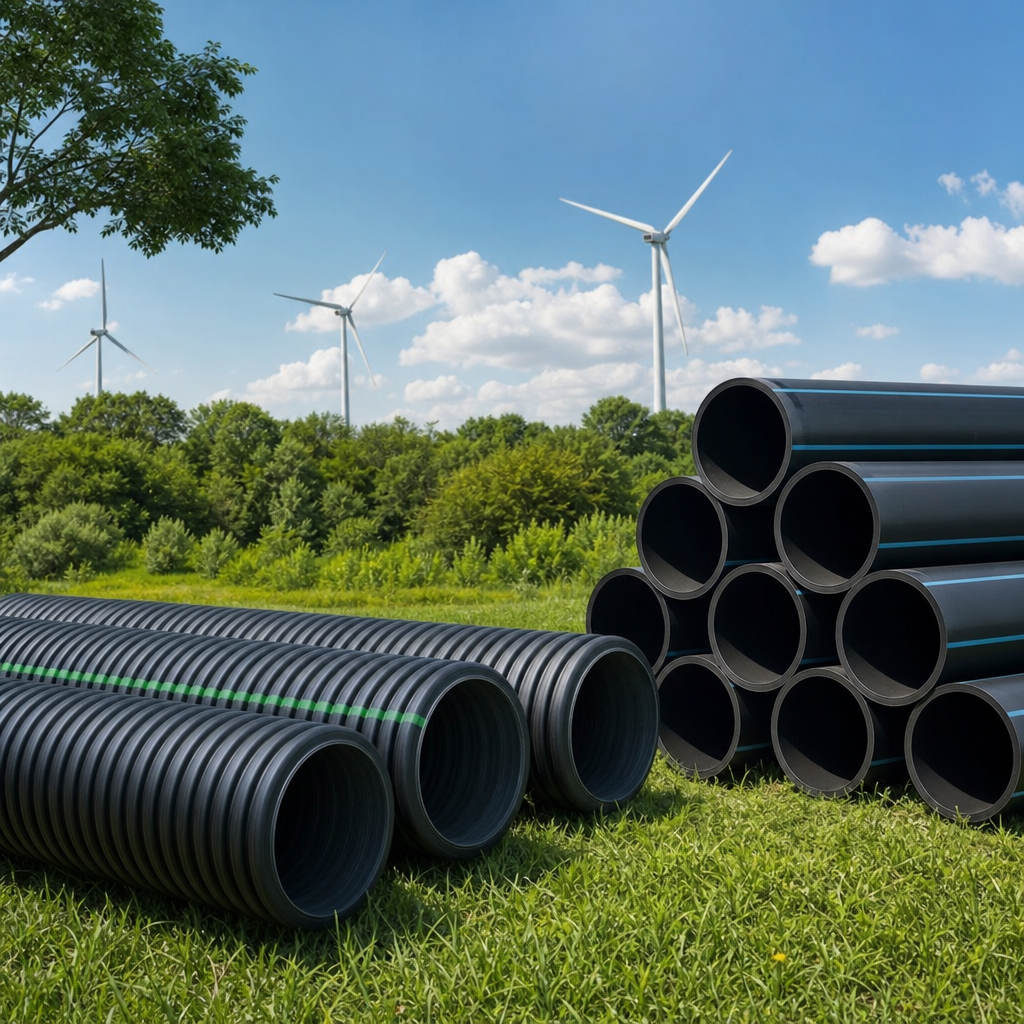
Polymers are central to modern carbon reduction because they replace heavier materials, preserve products longer, enable renewable energy systems, and improve efficiency across transport, construction, packaging, and manufacturing. In practical terms, a polymer is a large molecule made of repeating units, and the category includes commodity plastics such as polyethylene and polypropylene, engineering materials such as polyamides and polycarbonate, elastomers, thermosets, fibers, and a growing class of bio-based and recycled resins. When discussing the impact of polymers on reducing carbon footprint, the right question is not whether polymers are good or bad in the abstract. The real question is where a polymer application lowers total life-cycle emissions compared with available alternatives, and under what design, use, and end-of-life conditions that benefit is preserved.
That distinction matters. Carbon footprint measures greenhouse gas emissions across a product’s life cycle, typically in kilograms of carbon dioxide equivalent. In my work reviewing material substitutions and packaging redesigns, the biggest mistakes usually come from looking only at visible waste or only at factory emissions. A plastic part may look less sustainable than steel, glass, or paper, yet create lower emissions because it uses less material, needs less transport fuel, reduces breakage, or keeps food from spoiling. The opposite can also be true when a polymer is overengineered, hard to recycle, or paired with an unnecessary multilayer structure. The climate value of polymers depends on systems thinking, measured tradeoffs, and disciplined product design.
As a hub for problem-solving with polymers, this article maps the main application areas where polymers can reduce emissions, explains the mechanisms behind those savings, and clarifies the limits decision-makers must manage. It covers lightweighting, insulation, packaging, renewable energy, electronics, medical and industrial efficiency, and circular design. It also points to the practical criteria engineers, procurement teams, and sustainability leads should use when selecting polymer solutions. A strong polymer strategy does not start with slogans. It starts with the function that must be delivered, the baseline material being displaced, the likely use profile, and the recovery path after use. That is how polymers become a carbon-reduction tool rather than a carbon-shifting problem.
Why polymers often lower emissions in real applications
The first reason polymers reduce carbon footprint is simple mass efficiency. Many polymers provide required performance at a fraction of the weight of metals, ceramics, or glass. In automotive applications, replacing steel with glass-fiber-reinforced polypropylene, polyamide, or polyurethane composites can reduce vehicle mass, and lower mass generally reduces fuel consumption in internal combustion vehicles and extends range in electric vehicles. The exact savings depend on driving profile and powertrain, but lightweighting remains one of the most durable levers in transportation design. This is why intake manifolds, bumper systems, under-hood covers, fluid reservoirs, cable insulation, seating foams, and interior trim increasingly rely on polymers rather than all-metal assemblies.
The second reason is process efficiency. Polymers can often be injection molded, thermoformed, blow molded, extruded, or resin-transferred into near-net shapes with fewer machining steps than metal parts. Less machining can mean less scrap, lower energy demand, and fewer joining operations. In one packaging line review I worked on, moving from a multi-piece rigid assembly to a mono-material polypropylene design cut component count by more than half and reduced both assembly energy and freight cost because pallets carried more units per load. Similar gains appear in appliance housings, consumer electronics casings, and industrial components where molded-in features replace brackets, fasteners, and secondary finishing.
The third reason is use-phase performance. Some polymer solutions save far more emissions during use than they generate during production. Rigid polyurethane foam and expanded polystyrene insulation can materially lower heating and cooling demand in buildings. Cross-linked polyethylene and PVC piping can reduce pumping losses and corrosion-related maintenance in water systems. Fluoropolymers, silicones, and specialized engineering resins support seals, membranes, and components that improve process efficiency in chemical plants, filtration systems, and battery packs. The climate result is often dominated by years of operational savings, not the manufacturing footprint alone.
Packaging, food protection, and logistics emissions
Packaging is where polymer climate benefits are most misunderstood. People see litter and assume every plastic package increases emissions, but a carbon analysis must include product protection and transport. Lightweight polymer films and containers usually require less energy to produce and move than glass or metal packaging with equivalent barrier or durability performance. For food, the comparison is especially important because food waste often carries a larger carbon burden than the package around it. If a few grams of polyethylene, polypropylene, PET, EVOH, or polyamide prevent spoilage of meat, dairy, produce, or baked goods, total greenhouse gas emissions can fall sharply.
Consider modified atmosphere packaging for fresh foods. Barrier films control oxygen and moisture transfer, extending shelf life and reducing losses through the retail chain and at home. Stretch films stabilize pallet loads and reduce damage in transit. PET beverage bottles, despite valid end-of-life concerns, weigh dramatically less than glass bottles, lowering freight emissions over long distances. In e-commerce, polymer mailers and protective foams often reduce dimensional weight compared with corrugated-heavy formats. That does not make every flexible pouch or multilayer tray the best answer. It means the package should be judged on delivered function: shelf life, breakage rate, return rate, logistics efficiency, and recoverability.
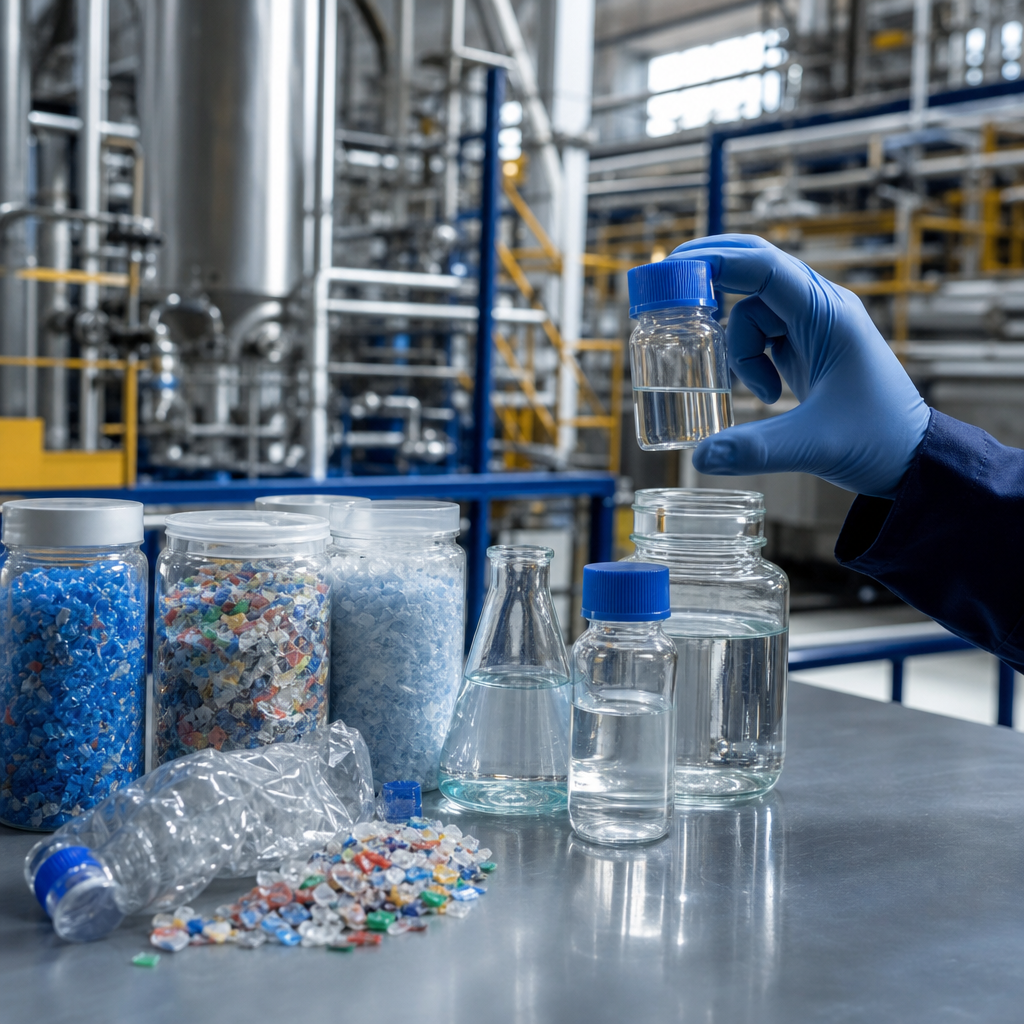
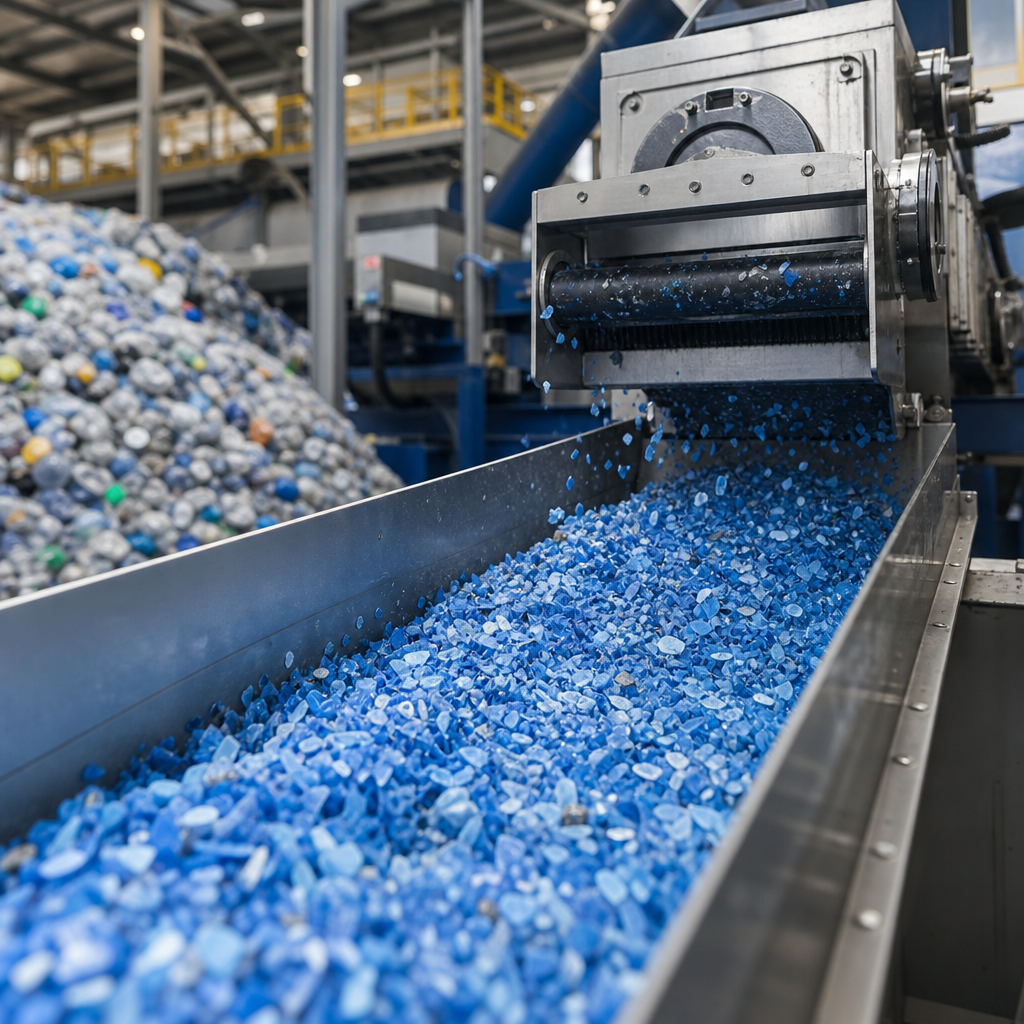
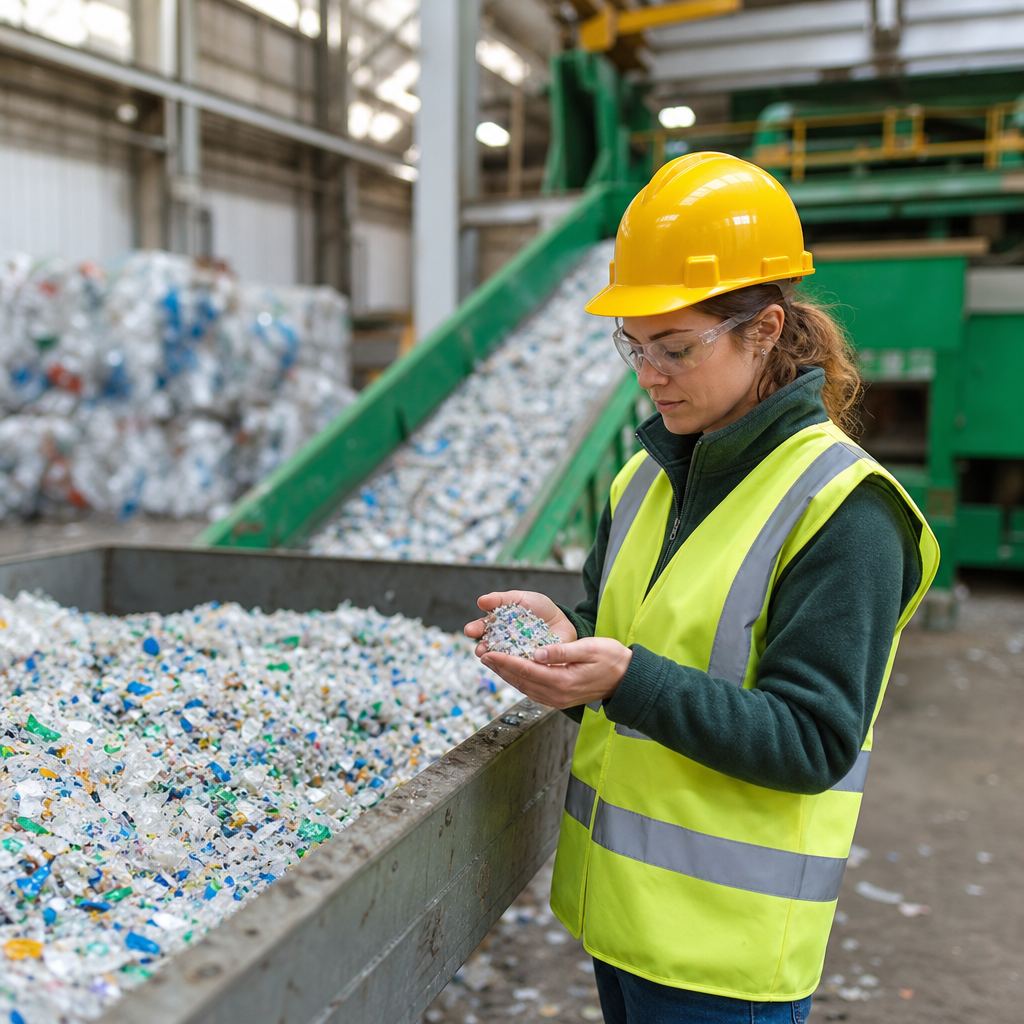
The challenge is that the lowest-carbon package is not always the easiest to recycle. Multilayer laminates can deliver excellent barrier properties with very low mass, but mixed-material structures often disrupt mechanical recycling streams. The industry response has been a shift toward design for recycling, including mono-material polyethylene or polypropylene pouches, wash-off labels for PET bottles, tethered caps, clearer pigments, digital watermarks, and compatibilizers for more stable recycled content use. The best packaging programs I have seen set dual targets: emissions per delivered product and recovery compatibility. That prevents a business from solving logistics emissions while creating downstream waste management problems.
Construction, insulation, and building performance
Buildings are a major source of global emissions because of both operational energy and embodied carbon. Polymers influence both sides of that equation. In building envelopes, polymer-based insulation materials such as polyurethane, polyisocyanurate, extruded polystyrene, and expanded polystyrene help reduce heat transfer. Over a building’s life, that can outweigh the emissions associated with manufacturing the insulation, particularly in heating- or cooling-intensive climates. High-performance window frames, sealants, membranes, gaskets, and pipe insulation also rely heavily on polymers to reduce air leakage, moisture intrusion, and energy loss.
Pipe systems provide another strong example. Plastic piping, including PVC, PEX, HDPE, and PP-R, is lighter than metal pipe, easier to transport, generally less prone to corrosion, and can support long service life when correctly specified. In district water and building services, smoother interior surfaces can reduce friction losses, and corrosion resistance can reduce replacement frequency. Flooring, roofing membranes, house wraps, vapor barriers, and cable insulation all play supporting roles in building efficiency. The result is not glamorous, but it is measurable: lower operational energy, less maintenance, and in many cases lower installation emissions because lighter products simplify transport and handling.
Tradeoffs still matter. Blowing agents, fire performance, additives, and end-of-life pathways require careful review. Some insulation products have historically faced scrutiny due to high-global-warming-potential blowing agents, and building product regulations increasingly push manufacturers toward lower-impact chemistries. Good specification therefore means checking environmental product declarations, durability data, code compliance, and regional recycling or recovery options. Polymers help decarbonize buildings when they are selected for long service, thermal performance, and controlled chemical profiles, not simply because they are cheaper or lighter.
Renewable energy, electrification, and industrial systems
Polymers are not peripheral to the energy transition; they are built into it. Wind turbine blades use epoxy and polyester composite systems reinforced with glass or carbon fiber. Solar modules rely on encapsulants such as EVA and backsheet materials that protect cells for decades outdoors. Battery packs use polymer separators, thermal interface materials, housings, adhesives, and cable insulation. Electric vehicles depend on high-performance polymers to manage heat, electrical isolation, vibration, and weight. Without these materials, many renewable and electrified systems would be heavier, less durable, less safe, or more expensive to manufacture at scale.
Industrial efficiency offers equally strong case studies. Membrane technologies based on advanced polymers support water purification, wastewater treatment, gas separation, and process intensification. Lightweight composite tanks and corrosion-resistant linings extend equipment life in harsh chemical environments. Low-friction polymer bearings, seals, and coatings can reduce energy losses in moving equipment. In manufacturing plants, polymer-based hoses, belts, conveyor parts, and machine guards often reduce downtime through lower corrosion and easier maintenance. These are not headline-grabbing uses, but they matter because industrial energy demand is large and operational reliability has direct carbon consequences.
| Application area | Typical polymer solution | Main carbon reduction mechanism | Key limitation to manage |
|---|---|---|---|
| Automotive | Glass-fiber-reinforced PP, PA, PU foams | Lightweighting and fewer parts | Repairability and recycling complexity |
| Food packaging | PET, PE, PP, barrier films | Lower transport mass and less food waste | Multilayer recovery challenges |
| Buildings | PU, PIR, EPS, XPS, PEX, HDPE | Reduced heating, cooling, and maintenance | Additives, blowing agents, end-of-life |
| Renewable energy | Epoxy composites, EVA encapsulants | Enables durable wind and solar systems | Composite recycling infrastructure |
Design choices that determine whether polymers deliver climate value
Not every polymer application cuts emissions. The deciding factor is life-cycle design. Start with the service the product must provide: strength, barrier, thermal resistance, flexibility, electrical insulation, chemical resistance, appearance, or durability. Then compare realistic options using life cycle assessment, not assumptions. ISO 14040 and ISO 14044 provide the standard framework for LCA, and in practice the quality of the result depends on system boundaries, data quality, allocation rules, and end-of-life assumptions. Teams that skip this work often make substitutions that look sustainable in marketing but fail in measured carbon terms.
Material choice is only one lever. Part consolidation, downgauging, refill models, reusable transport packaging, recycled content, and logistics redesign often generate larger savings than switching resin families. Mechanical recycling generally preserves more value than energy recovery, but recycled content performance depends on contamination, additive package, and application demands. Chemical recycling may help with mixed or hard-to-recycle streams, though its economics and energy profile vary significantly by technology. Bio-based polymers can reduce fossil feedstock use, yet they are not automatically low carbon if land use, agricultural inputs, or short service life erase the benefit. There is no universal ranking divorced from context.
The most reliable approach follows a sequence. First, reduce material demand through better design. Second, maximize product life where reuse or durable performance is possible. Third, specify recycled or responsibly sourced feedstocks where technical requirements allow. Fourth, design for collection and recovery in the region where the product will actually be sold. Finally, verify the climate claim with transparent data from supplier disclosures, environmental product declarations, recycling trial data, and, when relevant, product carbon footprint studies. That discipline turns polymers from a generic category into a set of precise engineering tools for carbon reduction.
Where the limits are and how organizations should act
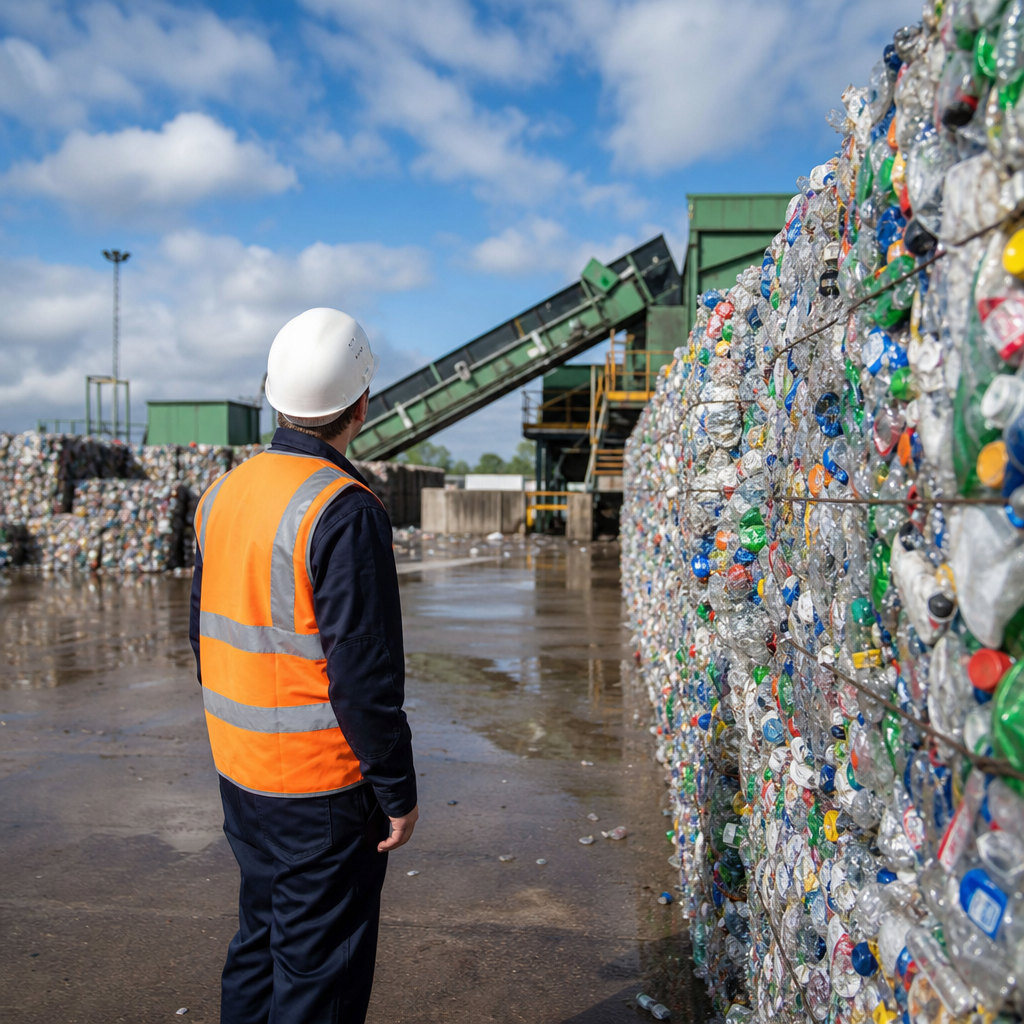
The clearest limitation is end-of-life management. A polymer can lower emissions during production and use but still create environmental harm if it escapes into nature or cannot be effectively recovered. This is why carbon strategy cannot be isolated from waste strategy. Businesses need collection systems, design standards, supplier requirements, and clear material portfolios. In many programs I have evaluated, the fastest improvement came from reducing the number of resin types, eliminating problematic colorants, standardizing labels and closures, and aligning package formats with local recycling infrastructure rather than global averages.
Organizations should also be careful with time horizons. A durable polymer component in a building, vehicle, or wind turbine is not the same problem as a short-lived single-use item. Policies and procurement criteria should reflect that difference. The right question for each case is whether the polymer solution reduces total emissions while meeting safety, cost, and circularity requirements better than alternatives. Companies that answer this well build cross-functional teams across engineering, operations, sustainability, and procurement. They test designs, measure real-world performance, and update specifications as recovery systems and material technologies evolve.
Polymers can be powerful instruments for reducing carbon footprint when they are applied to the right problem, with the right design rules, and with full life-cycle accountability. They lighten vehicles, protect food, insulate buildings, enable renewable energy, and improve industrial efficiency. They also require rigorous management of additives, recycling pathways, and product architecture. For anyone building a problem-solving with polymers strategy, the takeaway is straightforward: evaluate function first, measure total emissions second, and design recovery from the start. Use that framework to audit current products, identify the highest-impact substitutions, and develop polymer applications that cut carbon without creating avoidable downstream costs.
Frequently Asked Questions
1. How do polymers help reduce carbon footprint across different industries?
Polymers help reduce carbon footprint in several practical and measurable ways because they often deliver the same performance as traditional materials while using less mass, less energy, or both. At the most basic level, many polymers are much lighter than metals, glass, concrete, and other conventional materials. That lower weight matters in transportation, where reducing vehicle mass improves fuel efficiency in internal combustion vehicles and extends driving range in electric vehicles. In aircraft, rail, and logistics packaging, every kilogram saved can translate into meaningful lifetime emissions reductions.
Polymers also support lower-carbon outcomes by improving durability, insulation, and product efficiency. In construction, polymer-based insulation, piping, sealants, membranes, and window components can reduce building energy use over decades. In manufacturing, engineered polymers can replace heavier machined metal parts, simplify assembly, reduce lubrication needs, and lower processing temperatures, all of which can cut energy demand. In packaging, polymers preserve food and medical products more effectively, helping prevent spoilage and waste. Since producing food, pharmaceuticals, and consumer goods typically generates far more emissions than the package itself, extending shelf life can produce a net climate benefit.
Another major contribution is that polymers are foundational to renewable energy and electrification systems. They are used in wind turbine blades, solar module components, cable insulation, battery housings, electric vehicle parts, and electronics. Without high-performance polymers, many clean energy technologies would be more expensive, heavier, less durable, or less scalable. In short, polymers reduce carbon footprint not just because of what they are made from, but because of what they enable: lighter products, lower energy consumption, reduced waste, longer service life, and cleaner technologies across multiple sectors.
2. What types of polymers are most important in carbon reduction applications?
The most important polymers for carbon reduction span a wide range of material families, each serving different functions depending on the application. Commodity plastics such as polyethylene (PE) and polypropylene (PP) are especially significant because they are used at very large scale in packaging, piping, films, containers, consumer products, and automotive components. Their combination of low weight, processability, chemical resistance, and relatively low production cost makes them essential in applications where replacing heavier materials can reduce transport and manufacturing emissions.
Engineering polymers play an equally important role where strength, thermal stability, electrical performance, or dimensional precision are required. Polyamides, polycarbonate, PBT, PET, PEEK, and other advanced thermoplastics are commonly used in automotive systems, electrical housings, connectors, industrial machinery, and medical devices. These materials often replace metal parts, helping reduce component weight and simplify production. Elastomers are also vital, especially in seals, tires, vibration control, and flexible components that improve system efficiency and durability. Thermosets, including epoxies and unsaturated polyesters, are central to composites used in wind energy, aerospace, and structural applications.
Fibers and composites deserve special attention because they can deliver very high strength-to-weight ratios. Glass-fiber- and carbon-fiber-reinforced polymers are widely used where lightweighting has major downstream carbon benefits, such as in vehicles, aircraft, pressure vessels, and renewable energy equipment. In addition, the industry is increasingly focused on recycled-content polymers, bio-based polymers, and polymers designed for circularity. These include mechanically recycled PE and PP, chemically recycled feedstocks, PLA, PHA, bio-based polyamides, and other emerging solutions. The best polymer for carbon reduction is not one universal material, but the one that achieves the lowest life-cycle emissions for a specific use while still meeting performance, safety, and end-of-life requirements.
3. Are polymers always better for the climate than traditional materials like metal, glass, or paper?
No, polymers are not automatically the better climate choice in every situation. The real answer depends on life-cycle assessment, which looks at emissions from raw material extraction, production, transportation, use phase, and end-of-life management. In many cases, polymers have a carbon advantage because they are lightweight and require less energy to transport and process. However, there are applications where another material may perform better environmentally depending on durability, recyclability, reuse rates, local waste systems, and how the product is actually used.
For example, polymer packaging may have lower production and transportation emissions than glass or metal packaging, especially for single-use or long-distance distribution. But if the alternative material is reused many times in an efficient return system, the comparison can change. Similarly, a polymer component in a vehicle may significantly reduce use-phase emissions through lightweighting, making it clearly beneficial over the lifetime of the product. In other contexts, if a polymer item is poorly designed, difficult to recycle, or likely to become waste after a very short use, its advantages may be reduced or even outweighed by other impacts.
That is why credible climate claims should be based on application-specific evidence rather than broad assumptions. Material selection should consider service life, manufacturing energy, transportation, maintenance, product protection, and recovery pathways. The most responsible position is that polymers are often highly effective tools for lowering carbon footprint, but they deliver the strongest benefit when they are well designed, appropriately used, and supported by systems for reuse, recycling, or responsible disposal. Climate performance is a systems question, not a simple material label.
4. How do polymers support renewable energy, energy efficiency, and electrification?
Polymers are deeply embedded in the infrastructure of the energy transition because they provide properties that many clean technologies depend on, including electrical insulation, corrosion resistance, low weight, weatherability, and design flexibility. In solar energy systems, polymers are used in encapsulants, backsheets, junction boxes, cable insulation, connectors, and mounting-related components. These materials protect solar cells from moisture, UV exposure, and mechanical stress, helping systems last longer and perform reliably over time. In wind energy, polymer composites are crucial for turbine blades because they combine low weight with high strength and fatigue resistance, enabling larger blades that capture more energy efficiently.
In electrification, polymers are equally important. Electric vehicles rely on polymers in battery pack components, thermal management systems, wire coatings, connectors, housings, sensors, and lightweight structural parts. These materials help improve range, safety, and manufacturability. Charging infrastructure, power electronics, transformers, and grid equipment also depend on polymers for insulation and protective performance. In buildings, polymer foams, sealants, glazing components, and high-performance membranes improve thermal efficiency and reduce heating and cooling demand, which can lower emissions for decades.
Polymers also contribute by resisting corrosion and reducing maintenance in demanding environments such as offshore wind, industrial power systems, and underground utility networks. Their ability to be tailored for specific electrical, mechanical, and thermal requirements makes them indispensable in modern energy systems. In practical terms, many low-carbon technologies would be heavier, less durable, less efficient, and more expensive without polymers. Their climate value comes not only from direct material substitution, but from enabling the performance and scale needed for renewable energy deployment and energy efficiency improvements worldwide.
5. What are the main sustainability challenges of polymers, and how can they be addressed?
The main sustainability challenges of polymers include fossil-based feedstocks, greenhouse gas emissions from production, plastic waste, litter leakage into the environment, and uneven recycling performance across regions and product types. While polymers can reduce carbon footprint during use, those gains can be undermined if products are poorly designed, used only briefly, or not recovered effectively at end of life. Multi-material formats, contamination, additives, limited collection infrastructure, and inconsistent policy frameworks can all make recycling more difficult. There is also growing scrutiny of how to balance carbon goals with broader environmental concerns, including resource efficiency and waste prevention.
Addressing these challenges requires a full life-cycle strategy rather than a single solution. Better product design is one of the most important steps. That means using polymers only where they provide clear value, simplifying material combinations, choosing recyclable formats when possible, increasing durability, and designing for disassembly or reuse. Expanding collection, sorting, and recycling systems is equally important, including both mechanical recycling for suitable streams and chemical recycling where it can responsibly complement existing methods. Recycled content targets, extended producer responsibility, and clearer material labeling can improve system performance and accountability.
Feedstock innovation is another major part of the answer. Bio-based polymers, mass-balance approaches, lower-emission production processes, renewable energy use in manufacturing, and carbon-conscious supply chain management can all reduce upstream emissions. Just as important, companies should evaluate performance through transparent life-cycle assessments rather than relying on assumptions or generic marketing claims. The most sustainable future for polymers is not about eliminating them from every application. It is about using the right polymer in the right application, minimizing waste, maximizing recovery, and building circular systems that preserve the carbon and material value of products for as long as possible.