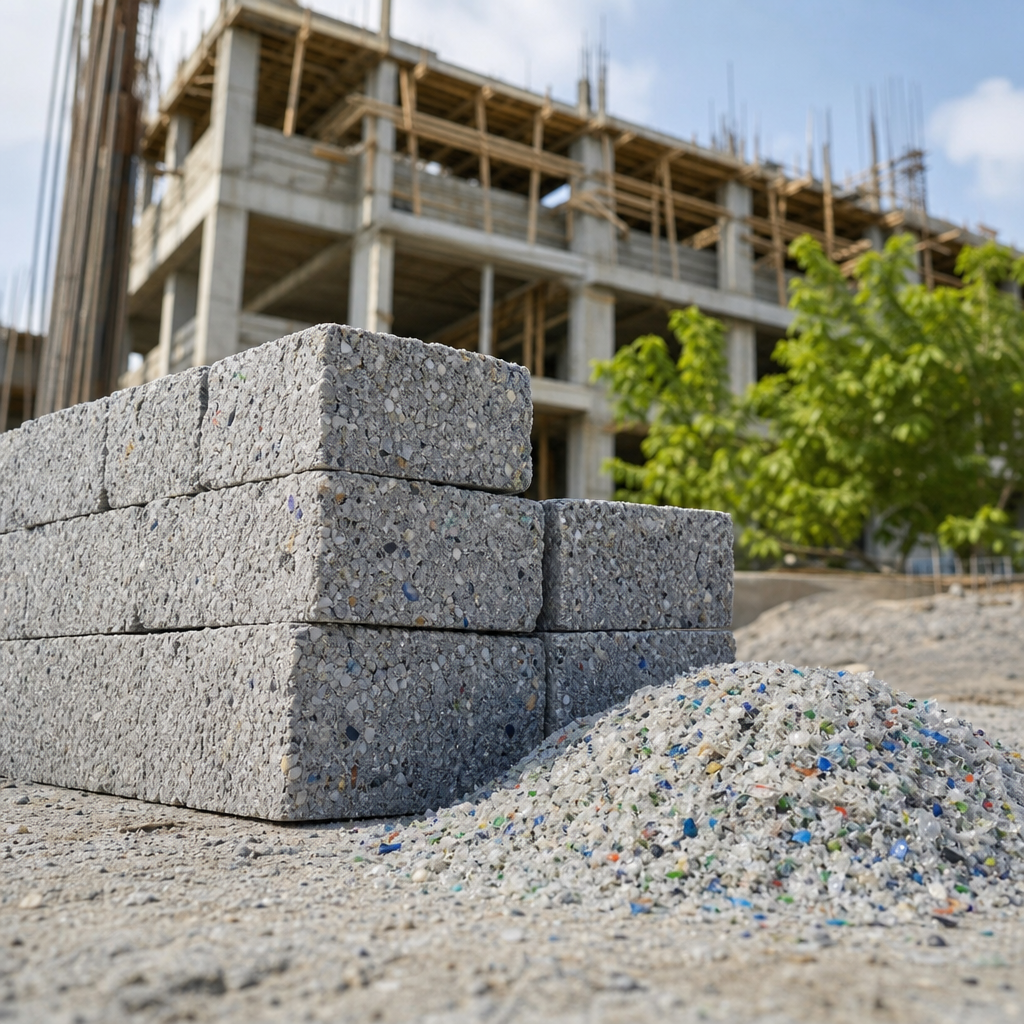
Polymers have moved from niche additives to core ingredients in sustainable construction materials, reshaping how buildings are designed, manufactured, installed, and maintained. In construction, a polymer is a large-chain molecule used as a binder, coating, reinforcement, sealant, foam, composite matrix, or performance modifier. Sustainable construction materials are products that reduce environmental impact across the life cycle by lowering embodied carbon, extending service life, improving energy efficiency, enabling recycling, or reducing maintenance. When these two ideas meet, the result is not a single material category but a broad set of solutions: polymer-modified concrete, fiber-reinforced composites, high-performance insulation foams, recycled plastic lumber, waterproof membranes, low-VOC sealants, and bio-based resins.
I have worked on specification reviews where polymers were initially treated as secondary chemicals, only to become the reason a façade met durability targets or a roof assembly passed moisture testing. That is why this topic matters. Construction teams are under pressure to cut carbon, meet stricter code requirements, improve resilience, and control whole-life cost. Traditional materials alone cannot always satisfy those goals without tradeoffs in weight, corrosion resistance, thermal performance, or maintenance frequency. Polymers help close those gaps by adding flexibility, adhesion, chemical resistance, reduced mass, and tailored thermal properties. They also support prefabrication, modular assembly, and adaptive reuse, all of which matter in lower-impact construction.
This hub article focuses on successful polymer applications across real building systems rather than abstract material science. The key question is practical: where do polymers deliver measurable sustainability gains, and where are the limitations? The answer depends on formulation, installation quality, fire performance, recyclability, and exposure conditions. Some polymer products reduce operational energy dramatically but create end-of-life challenges. Others replace high-carbon materials, yet require careful UV protection or flame-retardant strategies. A balanced view is essential. Used well, polymers can reduce waste, improve service life, and make buildings more efficient. Used poorly, they can lock projects into difficult disposal pathways or underperform in critical details. Understanding successful applications is therefore the foundation for better material decisions.
Why polymers matter in sustainable construction
The impact of polymers on sustainable construction materials begins with performance per unit of mass. Many polymer-based products deliver high strength, airtightness, or insulation value while remaining lighter than steel, concrete, masonry, or timber assemblies designed for the same function. Lower weight can reduce transport emissions, simplify installation equipment, and cut structural demand in the surrounding system. On renovation projects, that matters immediately. A lightweight polymer composite cladding panel can be added to an older structure without major reinforcement, preserving the existing building and avoiding demolition-related carbon emissions.
Polymers also improve durability, which is often the most overlooked sustainability variable. A material that lasts thirty years longer, resists water intrusion, or prevents chloride attack in concrete can have a larger environmental benefit than a material with a slightly lower initial footprint. For example, styrene-butadiene rubber and acrylic polymer modifiers are widely used in repair mortars and overlays because they improve adhesion, reduce permeability, and limit cracking. In parking decks, bridge-adjacent podiums, and exposed walkways, those properties reduce premature repairs and keep concrete in service longer. Longer life means fewer replacements, less waste, and lower cumulative resource use.
Another reason polymers matter is compatibility with manufacturing methods that reduce waste. Extrusion, pultrusion, rotational molding, and precision foam production can deliver consistent dimensions and lower offcut rates compared with site-built alternatives. Polymers are also central to air barrier membranes, tapes, gaskets, and sealants that allow modern building envelopes to meet stringent leakage targets. In practice, airtight buildings use less heating and cooling energy, reduce condensation risk, and perform more predictably. The sustainability gain is therefore both material-based and operational. Successful polymer applications are rarely isolated products; they usually sit inside systems that improve the performance of the whole building.
Successful polymer applications in concrete, composites, and structural systems
One of the most established polymer applications is polymer-modified concrete. Latex and redispersible polymer powders are blended into cementitious mixes to improve flexural strength, bonding, abrasion resistance, and water resistance. I have seen these formulations specified for thin bonded toppings where ordinary concrete would debond or crack under thermal movement. In sustainable terms, they help preserve existing slabs rather than replacing them, a major advantage in rehabilitation work. Epoxy injection systems and polymer repair mortars are similarly effective in extending the service life of damaged concrete elements, especially when paired with proper moisture assessment and surface preparation.
Fiber-reinforced polymer composites are another high-impact category. Glass fiber reinforced polymer, carbon fiber reinforced polymer, and basalt fiber reinforced polymer components are used for strengthening, bridge deck panels, rebar alternatives, façade support elements, and modular architectural pieces. FRP rebars do not corrode like steel in chloride-rich or marine environments, which can significantly extend service life in coastal structures, water treatment plants, and deicing salt exposure zones. Carbon fiber wrapping for columns and beams has enabled structural upgrades without extensive demolition, reducing material consumption and site disruption. The main sustainability gain is not that these systems are universally low carbon at manufacture, but that they preserve structures and reduce maintenance-intensive failure modes.
Successful applications depend on choosing the right polymer family for the right exposure. Thermoset resins such as epoxy, polyester, and vinyl ester dominate in many structural composites because they provide dimensional stability and strong fiber bonding. Thermoplastics, including polypropylene and polyethylene, are increasingly used where recyclability, impact resistance, or welding potential matter more. The table below summarizes where these materials typically perform best in construction.
| Application | Common polymer type | Sustainability benefit | Key limitation |
|---|---|---|---|
| Concrete repair mortar | Acrylic, SBR, epoxy | Extends service life of existing structures | Surface preparation is critical |
| FRP strengthening wrap | Epoxy with carbon or glass fiber | Avoids demolition and added structural weight | Fire protection may be required |
| Composite rebar | Vinyl ester with glass or basalt fiber | Corrosion resistance lowers maintenance | Different modulus than steel affects design |
| Plastic lumber | Recycled HDPE or PVC blends | Uses waste plastic and resists rot | Creep and thermal movement must be managed |
| Rigid insulation board | PIR, EPS, XPS, phenolic foam | Cuts operational energy use | Blowing agents and end-of-life handling vary |
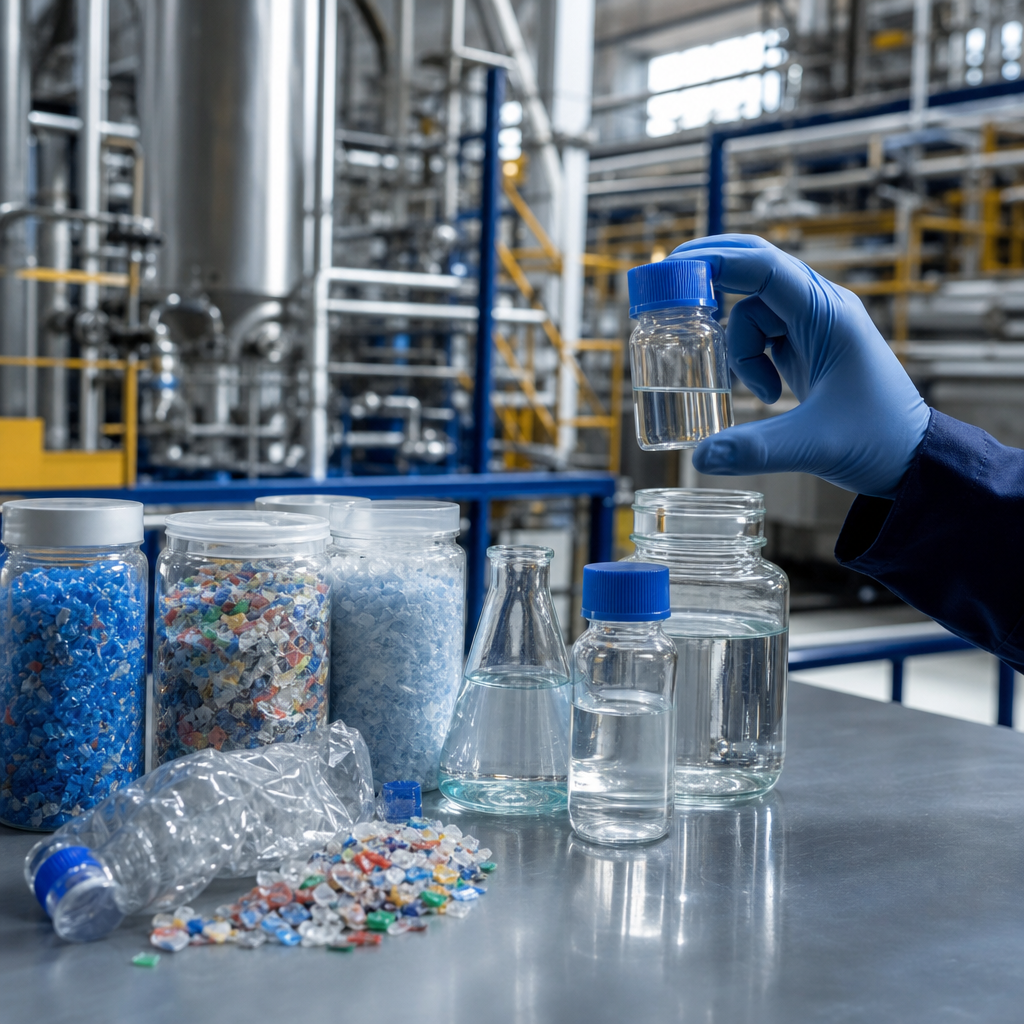
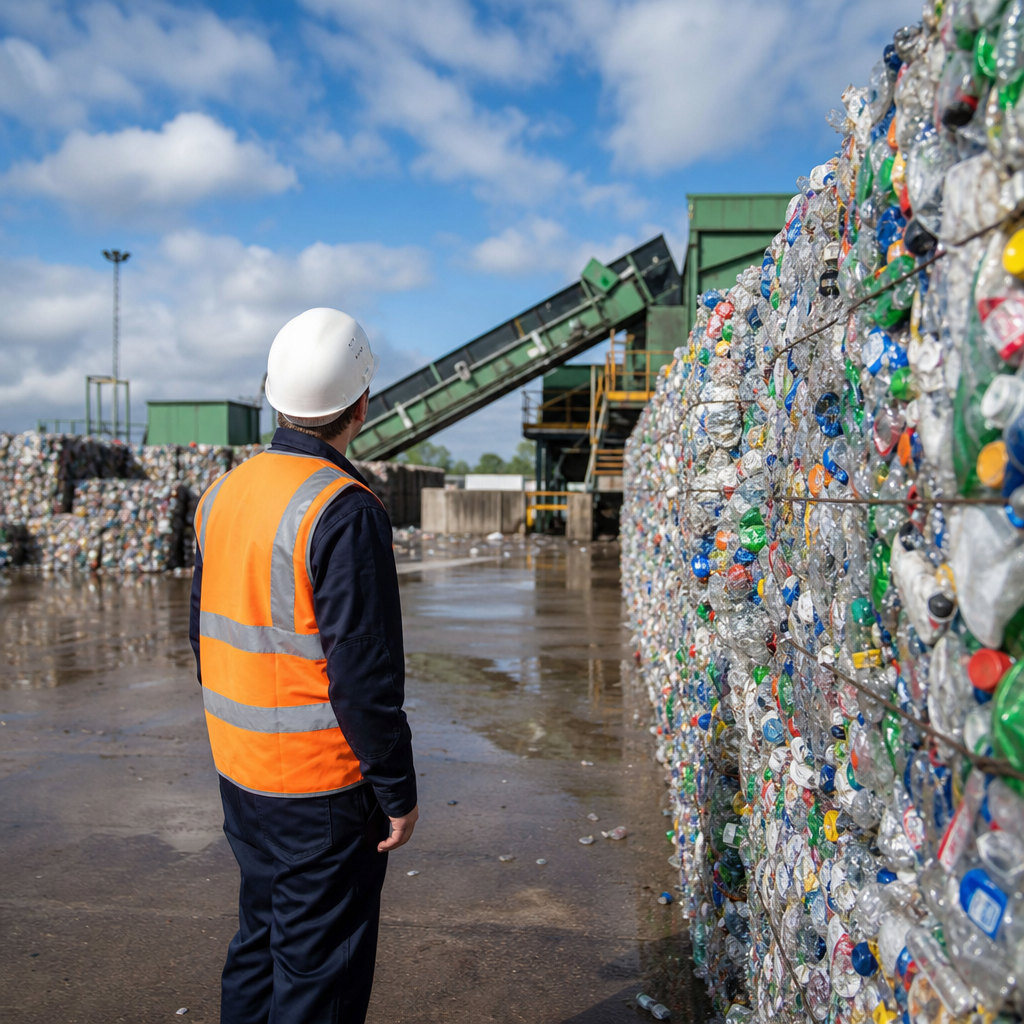
Recycled plastic lumber is a clear case study in successful polymer applications for site amenities, decking, marine edges, and landscape structures. High-density polyethylene blends can replace preservative-treated wood in wet or insect-prone environments. The sustainability value comes from diverting plastic waste, eliminating rot-related replacement cycles, and reducing chemical treatment concerns. However, I always advise designers to account for creep, fastening methods, and thermal expansion. The best projects treat plastic lumber as a distinct engineering material, not as a direct wood substitute.
Building envelope, insulation, and moisture control applications
Polymers have transformed the building envelope, where small material choices drive major energy and durability outcomes. Air barriers, vapor control layers, liquid-applied membranes, self-adhered flashing tapes, and silicone or hybrid sealants are all polymer-dependent. In whole-building airtightness testing, failures often trace back to transitions and penetrations rather than large wall areas. Polymer membranes succeed because they can stretch, bond dissimilar materials, and maintain continuity around corners, anchors, and interfaces. A well-detailed polymer-based air barrier can reduce infiltration enough to cut energy use substantially while also preventing interstitial condensation that leads to mold or insulation degradation.
Insulation is another major success story. Expanded polystyrene, extruded polystyrene, polyisocyanurate, polyurethane, and phenolic foam boards achieve high thermal resistance in relatively thin assemblies. This can be decisive in retrofits where wall thickness is constrained by property lines, window returns, or façade preservation requirements. In energy modeling, these materials often make the difference between code compliance and underperformance. When continuous exterior insulation is installed correctly, it reduces thermal bridging through studs or slab edges and stabilizes interior surface temperatures, improving occupant comfort as well as energy efficiency.
Roofing systems show how polymers support sustainability at the assembly level. Thermoplastic polyolefin and polyvinyl chloride membranes are widely used in low-slope roofing because they can be heat welded into continuous watertight sheets, resist ponding, and support reflective roof designs that reduce heat gain. Ethylene propylene diene monomer remains important for flexible black membrane applications with strong weather resistance. The sustainability outcome depends on climate, maintenance, and detailing. A white reflective membrane may lower cooling loads in hot regions, while a highly durable dark membrane may be suitable elsewhere if paired with adequate insulation. The lesson from successful projects is clear: polymer roofing works best when membrane choice matches climate, drainage design, and service access expectations.
Moisture management is where polymer performance becomes especially valuable. Below-grade waterproofing membranes, bentonite composites with polymer layers, and drainage mats protect foundations and occupied basements from chronic water intrusion. In façade systems, silicone sealants accommodate joint movement that rigid materials cannot. These products are not glamorous, but they prevent the failures that create the largest long-term environmental costs: mold remediation, interior demolition, corroded reinforcement, and repeated replacement of damaged finishes.
Recycling, bio-based polymers, and life-cycle tradeoffs
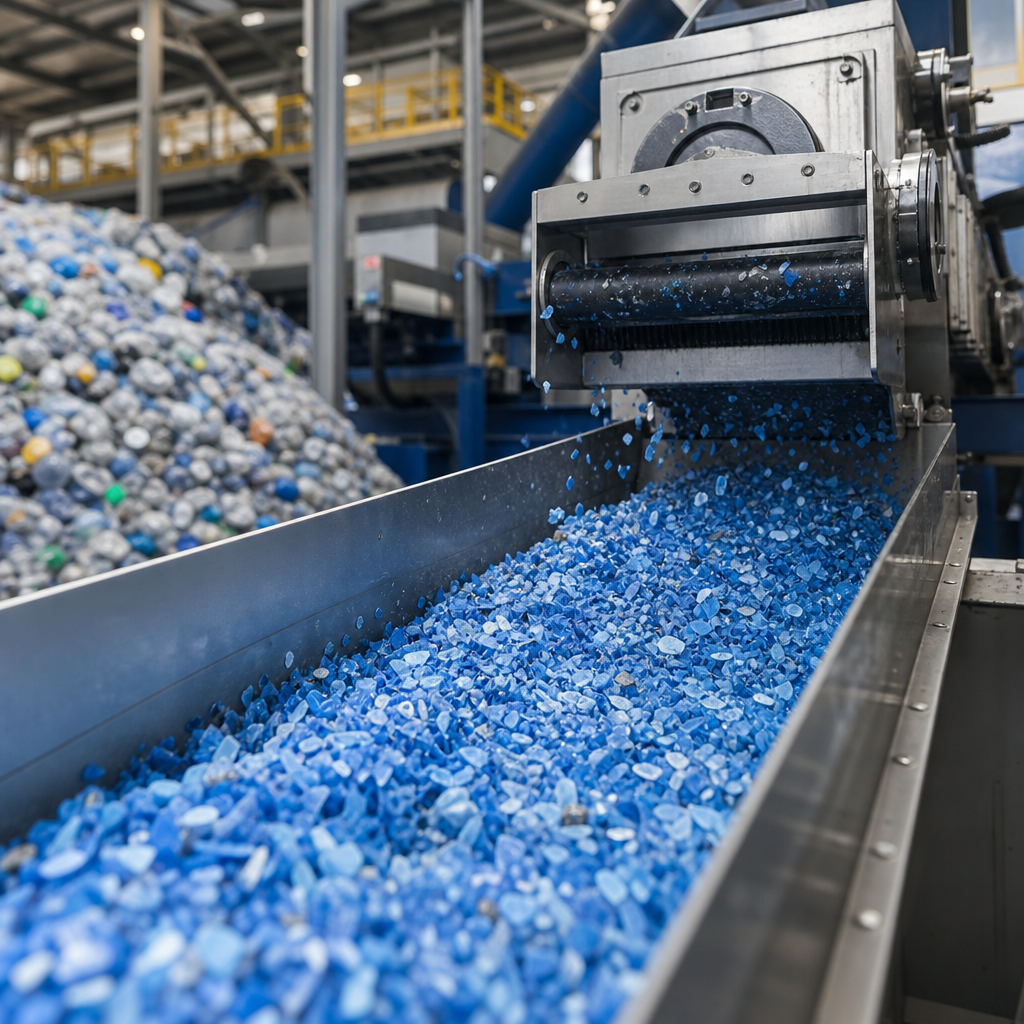
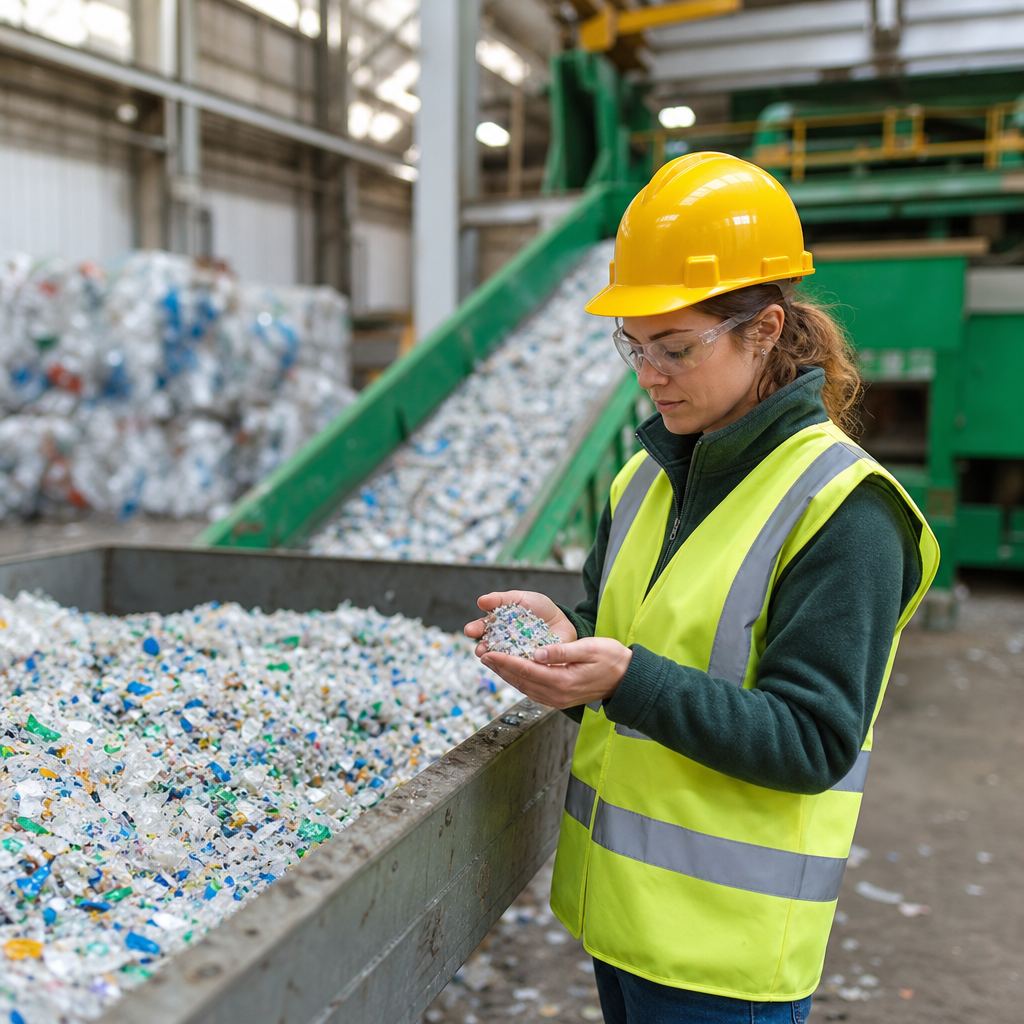
The sustainability conversation around polymers cannot stop at use-phase performance. End-of-life scenarios, recycled content, toxicological profile, and feedstock origin all matter. Mechanical recycling works best for clean thermoplastics such as polyethylene and polypropylene, and construction manufacturers increasingly use recycled content in drainage products, composite boards, piping, and geotextiles. Post-consumer recycled HDPE in site furnishings is one of the most mature examples. Chemical recycling and depolymerization are developing, but they are still less established at scale for many construction products than marketing claims suggest.
Bio-based polymers are promising in adhesives, insulation foams, resins, and composite matrices. Polylactic acid, bio-polyethylene, lignin-derived binders, and soy-based polyols have all appeared in construction-related products, though performance varies widely by formulation. In my experience, the best bio-based solutions are those that match the durability requirements of the assembly without requiring unrealistic maintenance assumptions. A bio-content claim alone does not make a product sustainable. The material must still meet fire, moisture, UV, and structural demands over the intended service life.
Life-cycle assessment is the right framework for comparing options. A polymer-rich product may have higher manufacturing impacts than a mineral-based alternative, yet lower whole-life impact if it sharply reduces operational energy or doubles replacement intervals. Environmental product declarations help, but they are only as useful as the scope and assumptions behind them. Teams should ask direct questions: What is the recycled content? What is the blowing agent? Can the material be separated at demolition? Does the manufacturer offer take-back? Is there third-party verification for low emissions or durability testing? Sustainable construction materials must perform in reality, not just in specification language.
Best practices for selecting successful polymer applications
Successful polymer applications follow a disciplined selection process. First, define the performance problem clearly: corrosion, water intrusion, thermal loss, excessive dead load, chemical exposure, or maintenance frequency. Second, match the polymer system to the environment and code context. Third, review independent test data, including ASTM, ISO, EN, or ICC-ES references where relevant. Fourth, verify compatibility with adjacent materials. Fifth, focus on installation quality, because many polymer products fail from poor substrate conditions, incorrect cure temperatures, or bad sequencing rather than from inherent material weakness.
For this subtopic hub, the most useful takeaway is that polymers contribute most when they solve whole-building problems. The strongest case studies involve extending the life of concrete, creating high-performance envelopes, improving insulation efficiency, using recycled plastic in durable nonstructural components, and enabling lighter retrofits that avoid demolition. The limitations are equally real: fire performance can require added layers, some products remain difficult to recycle, and poor detailing can erase expected gains. Decision-makers should therefore prioritize life-cycle performance over initial assumptions, request transparent manufacturer data, and study proven applications before specifying new systems. If you are evaluating sustainable construction materials, start by identifying where polymer technology can reduce energy use, maintenance, and replacement cycles on your next project.
Frequently Asked Questions
1. How do polymers make construction materials more sustainable?
Polymers improve sustainability in construction by enhancing performance, durability, and resource efficiency across the full life cycle of a building material. In practical terms, they are used as binders, sealants, coatings, foams, fibers, membranes, and composite matrices to help materials last longer, resist moisture and corrosion, reduce maintenance, and improve energy performance. When a material performs better for a longer period, it does not need to be replaced as often, which lowers demand for raw materials, transportation, labor, and waste disposal.
They also support lighter-weight construction systems. Polymer-based composites and insulation products can often deliver high strength or strong thermal performance at lower weight than conventional alternatives. That can reduce structural loads, simplify installation, and lower transport-related emissions. In many cases, polymers also improve air and water tightness, which helps buildings use less energy for heating and cooling while protecting assemblies from premature deterioration.
Another important sustainability benefit is process efficiency. Polymer-modified concrete, mortars, adhesives, and coatings can improve workability, cure behavior, adhesion, and resistance to cracking. This can reduce rework, lower material waste on the jobsite, and increase the service life of assemblies exposed to weather, chemicals, UV radiation, or mechanical wear. While the environmental profile of any polymer depends on its chemistry, manufacturing process, and end-of-life pathway, the overall impact can be strongly positive when the polymer enables lower embodied carbon systems, better operational efficiency, and longer-lasting buildings.
2. What are the most common polymer-based sustainable construction materials used today?
Some of the most widely used polymer-influenced sustainable construction materials include insulation foams, polymer-modified concrete and mortar, sealants, waterproofing membranes, protective coatings, recycled plastic composites, and fiber-reinforced products. These materials appear in nearly every part of a building envelope or structural system because polymers can be tailored for very specific performance needs.
For example, rigid foam insulation made from polymer systems is commonly used in walls, roofs, and foundations because it delivers high thermal resistance and helps reduce operational energy use over decades. Polymer-modified cementitious materials are used to improve adhesion, flexibility, and durability in repair mortars, tile systems, overlays, and waterproof applications. Sealants and adhesives based on advanced polymers help create airtight, watertight joints that reduce energy loss and moisture intrusion, both of which are major contributors to building inefficiency and degradation.
Recycled polymer composites are also increasingly important. These materials can combine recovered plastics with wood fibers, mineral fillers, or other reinforcements to create decking, cladding, panels, and modular components with long service life and low maintenance demands. Protective coatings based on polymers can extend the life of steel, concrete, and wood by resisting corrosion, chemical attack, abrasion, and UV exposure. In sustainable construction, the value of these products is not just that they contain polymers, but that they use polymer science to improve whole-building performance, reduce lifecycle costs, and support resilient design.
3. Do polymers reduce embodied carbon in buildings, or do they create new environmental trade-offs?
The answer is both, depending on the application and how the material is evaluated. Polymers can reduce embodied carbon when they replace more carbon-intensive materials, improve durability enough to avoid premature replacement, or enable lower-volume designs through higher performance. For instance, if a polymer additive allows a concrete repair to last significantly longer, or if a polymer composite reduces material mass while maintaining strength and weather resistance, the total lifecycle impact may be lower even if the polymer itself has a relatively energy-intensive manufacturing footprint.
However, polymers can also introduce trade-offs. Many conventional polymers are derived from fossil fuel feedstocks, and some can be difficult to recycle in construction applications due to contamination, mixed-material assemblies, or thermoset chemistries that cannot be remelted easily. End-of-life management is a real issue, especially for composite materials, bonded systems, and products that are hard to separate during demolition. There may also be concerns related to additives, emissions during manufacturing, or poor product selection that prioritizes short-term performance over circularity.
That is why sustainability decisions should be based on lifecycle assessment rather than assumptions. A polymer-containing material may still be the greener choice if it significantly reduces maintenance, cuts operational energy use, extends service life, or incorporates recycled or bio-based content. The key is responsible specification: selecting products with transparent environmental data, proven durability, low-emission profiles, and realistic recovery or reuse pathways. In modern sustainable construction, polymers are not automatically good or bad; their impact depends on chemistry, design context, installation quality, and end-of-life strategy.
4. How do polymers help improve building energy efficiency and long-term performance?
Polymers play a major role in improving both energy efficiency and long-term building durability because they are central to insulation, air sealing, moisture management, and protective surface systems. In the energy context, polymer-based insulation materials can provide strong thermal resistance in relatively thin profiles, allowing designers to meet stricter energy codes without dramatically increasing wall or roof thickness. This is especially useful in retrofits, where space constraints often limit material choices.
Beyond insulation, polymers are essential in sealants, tapes, gaskets, membranes, and coatings that control air leakage and water penetration. A building that leaks air loses conditioned energy and is more vulnerable to condensation problems inside wall and roof assemblies. Moisture intrusion can degrade insulation, promote mold growth, damage finishes, corrode metals, and shorten the life of structural components. Polymer-based materials help create continuous control layers that improve envelope integrity and protect critical assemblies.
Long-term performance is equally important. Polymer coatings and treatments can shield surfaces from UV exposure, freeze-thaw damage, chlorides, chemicals, and abrasion. Polymer reinforcements can improve crack resistance and mechanical behavior in cementitious systems. Flexible sealants accommodate movement at joints caused by temperature changes, settlement, or vibration, helping prevent failure in façades and roofing systems. Taken together, these benefits mean fewer repairs, lower maintenance costs, and more stable energy performance over time. That is a major reason polymers have become foundational to sustainable building design rather than just optional additives.
5. What should architects, builders, and owners look for when choosing polymer-based sustainable construction materials?
They should start by looking beyond simple marketing claims and focus on measurable performance, verified environmental data, and suitability for the specific application. The best polymer-based material is not necessarily the one with the most recycled content or the lowest upfront cost; it is the one that performs reliably over the intended service life while minimizing environmental burden across manufacturing, installation, use, maintenance, and end-of-life. That means reviewing technical data, durability testing, emissions certifications, warranty terms, and compatibility with adjacent materials.
Environmental product declarations, lifecycle assessments, and third-party certifications can help teams compare options more objectively. It is also important to evaluate whether the product improves operational efficiency, reduces repair frequency, or supports lower material use overall. For example, a high-performance membrane or sealant may have a modest material footprint but deliver major sustainability value by preventing leaks, preserving insulation effectiveness, and protecting the building envelope for decades.
Design teams should also consider circularity and health factors. Products with recycled content, bio-based feedstocks, lower volatile organic compound emissions, or easier disassembly can support broader sustainability goals. Installation quality matters as much as product selection, because even advanced polymer materials underperform if they are applied incorrectly or used in the wrong conditions. Ultimately, the smartest approach is to specify polymer-based materials as part of a whole-building strategy: prioritize long service life, resilience, energy efficiency, maintenance reduction, and transparent environmental performance rather than treating sustainability as a single-attribute decision.