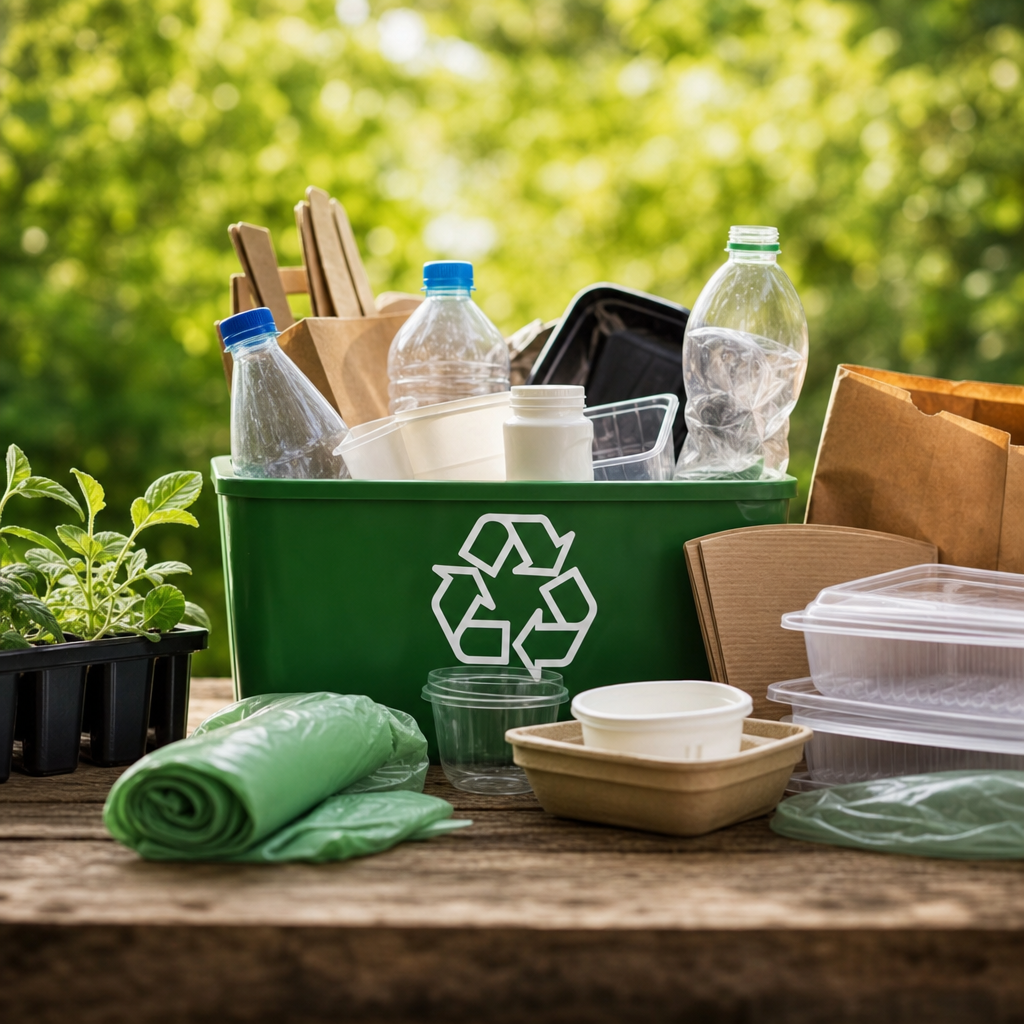
Polymers sit at the center of modern sustainability debates because they are everywhere: in packaging, buildings, medical devices, cars, wind turbines, water systems, electronics, and agriculture. In technical terms, a polymer is a large molecule made of repeating units called monomers, and those repeating structures can be engineered to deliver very different properties, from toughness and flexibility to barrier performance, optical clarity, and chemical resistance. When people discuss plastics and sustainability, they often collapse all polymers into one category, but that shortcut hides the real issue. The environmental impact of a polymer depends on feedstock source, manufacturing energy, product design, reuse potential, collection systems, recycling pathways, and end-of-life leakage. I have worked on packaging and materials selection projects where the same polymer family performed well in one application and poorly in another because the surrounding system changed. That is why environmental and sustainable applications must be assessed through life cycle thinking rather than headlines. This hub article explains how polymers support environmental sustainability, where they create tradeoffs, and which real-world applications deserve close attention across packaging, construction, energy, transportation, water, and circular economy systems.
Environmental sustainability means meeting present needs while protecting ecosystems, climate stability, natural resources, and human health over the long term. In polymer science, that translates into several practical questions. Does a material lower greenhouse gas emissions compared with alternatives? Can it reduce food waste, fuel use, water loss, or toxic chemical exposure? Is it recyclable, reusable, repairable, or compostable in the system where it will be used? Does it shed microplastics or persist as litter when mismanaged? The answers are rarely simple, which is exactly why polymers matter. Well-designed polymer applications can cut vehicle mass, improve insulation, extend the shelf life of food, enable renewable energy equipment, and deliver sterile healthcare at lower transport emissions. Poorly designed applications can lock in single-use habits, contaminate waste streams, and create leakage into rivers and oceans. For a hub page covering environmental and sustainable applications, the goal is not to label polymers as good or bad. It is to show where material choice, product design, policy, and infrastructure align to produce measurable environmental benefit, and where they do not.
How polymers contribute to sustainability across a product life cycle
The clearest way to understand the role of polymers in promoting environmental sustainability is to evaluate the full life cycle: raw material extraction, polymerization, converting, distribution, use, collection, sorting, recycling, and final disposition. In practice, I rely on life cycle assessment principles standardized under ISO 14040 and ISO 14044 because they force teams to compare functionally equivalent products rather than abstract materials. A lightweight polyethylene pouch, for example, may use less material and create lower transport emissions than a glass jar for the same quantity of product, yet the jar may outperform if local reuse systems are highly efficient. The right conclusion depends on the use case, not ideology. This is why sustainable polymer applications are system problems.
Several mechanisms explain why polymers can reduce environmental burdens. First, low density means less material mass is often needed to perform the same function. Second, polymer processing can be energy efficient relative to metal or glass forming for many applications. Third, tailored barrier and mechanical properties can extend product life, especially in packaging and construction. Fourth, specialty polymers enable technologies such as solar backsheets, battery separators, membrane filtration, and corrosion-resistant piping. Fifth, recycled polymers can displace virgin resin when product design and quality control are done correctly. However, these benefits only count when leakage, contamination, and nonrecoverable formats are addressed. A polymer that lowers emissions but is routinely littered is not a sustainable success. A compostable polymer that enters a region with no industrial composting access will not deliver its intended benefit. The operational context is decisive.
Packaging, food preservation, and waste prevention
Packaging is the most visible sustainability application for polymers because it is both highly useful and highly criticized. The criticism is often deserved when packaging is excessive or hard to recover, but the functional value is substantial. Flexible polymer packaging can significantly reduce food spoilage by controlling oxygen, moisture, and contamination. In refrigerated meat packaging, multilayer films can preserve quality and extend shelf life, preventing food waste that carries a much larger carbon footprint than the package itself. The United Nations Environment Programme and FAO have repeatedly noted that food loss and waste are major climate and resource issues; saving food is frequently a stronger environmental intervention than eliminating the package around it. In my own packaging reviews, the biggest sustainability gains usually came from reducing overpackaging, improving recyclability, and preserving the product long enough to avoid spoilage.
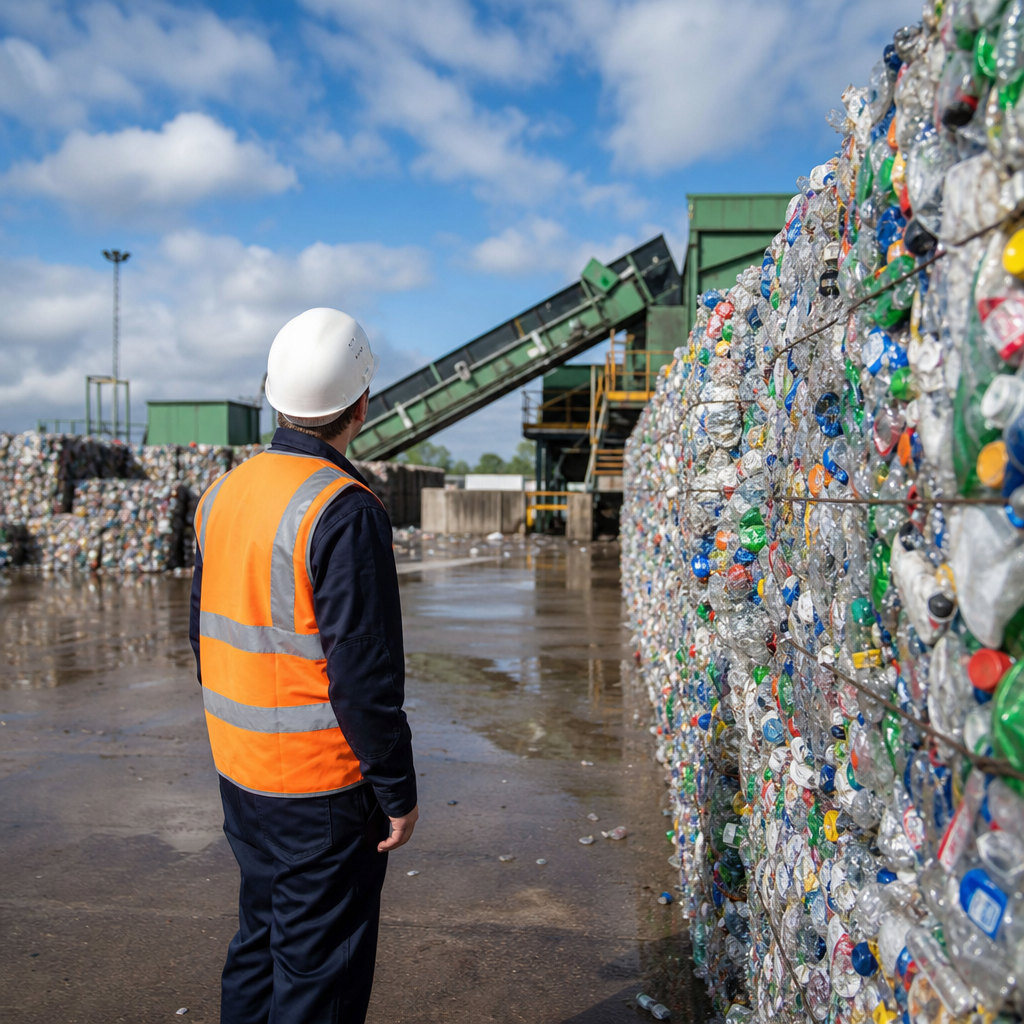
Common sustainable packaging strategies include downgauging films, replacing mixed-material structures with mono-material polyethylene or polypropylene where performance allows, increasing post-consumer recycled content, and designing labels, adhesives, and closures for compatibility with existing recycling streams. Deposit return systems for PET beverage bottles show what good infrastructure can do. In several European markets, collection rates are high enough to support bottle-to-bottle recycling at scale, preserving material value and reducing reliance on virgin PET. That is a real-world case study in environmental and sustainable applications: not just a better polymer, but a better system. The same lesson applies to refill systems, reusable transit packaging, and e-commerce mailers designed for store drop-off recycling. The polymer choice matters, but the collection pathway determines whether the environmental promise is realized in practice.
Construction, buildings, and long-life infrastructure
Polymers play a less publicized but equally important role in sustainable buildings and infrastructure. Insulation foams, sealants, weather barriers, flooring, pipes, cable coatings, window frames, and composite panels all influence operational energy, maintenance needs, and durability. Buildings account for a large share of global energy use and emissions, so materials that improve thermal performance can deliver decades of savings. Rigid polyurethane and extruded polystyrene insulation have tradeoffs, especially around blowing agents and end-of-life handling, yet high-performance insulation can sharply reduce heating and cooling demand when specified responsibly. PVC and high-density polyethylene piping can also lower water loss and corrosion compared with legacy materials in many applications, extending service life and reducing replacement frequency.
Long-life polymer applications succeed when they are selected for durability, fire performance, chemical resistance, and eventual recovery. In civil projects, geomembranes made from HDPE or linear low-density polyethylene are used in landfills, mining, and water containment to prevent leakage into soils and groundwater. Geotextiles stabilize roads, reduce erosion, and improve drainage efficiency. Fiber-reinforced polymer composites are increasingly used to rehabilitate bridges because they resist corrosion and can extend the useful life of aging structures. These applications illustrate a crucial sustainability principle: a polymer does not need to be biodegradable to be environmentally beneficial. If it prevents leaks, cuts energy demand, or avoids repeated replacement over decades, it can be a strong sustainability solution. The important requirement is disciplined specification and responsible end-of-life planning.
Transportation, lightweighting, and lower operating emissions
One of the most established environmental benefits of polymers is lightweighting in transportation. Replacing heavier metal parts with engineering plastics or polymer composites can reduce fuel consumption in internal combustion vehicles and increase driving range in electric vehicles. Polypropylene, polyamide, polycarbonate blends, thermoplastic olefins, and carbon- or glass-fiber-reinforced composites are used in interior systems, under-hood parts, exterior panels, battery housings, and structural components. Every kilogram removed from a vehicle does not translate into the same emissions benefit across all platforms, but the direction is clear: less mass generally means less energy required in use. In aviation, composites have become central to fuel efficiency because weight savings scale strongly over long service lives.
The nuance is that lightweight polymers must still meet repairability, crash performance, thermal stability, and recycling requirements. A lightweight composite that cannot be economically recovered may shift burdens downstream. That does not negate its value, but it does require transparent accounting. Automakers increasingly design for disassembly and use recycled polypropylene, PET fibers, and bio-based polyamides in selected interior and nonstructural applications. The transportation case study is important for this hub because it shows how polymers support environmental sustainability indirectly. The polymer part itself is not the final environmental benefit. The benefit comes from lower lifetime energy use, fewer maintenance interventions, and compatibility with circular material flows where possible.
Renewable energy, water systems, and circular design priorities
Polymers are foundational to renewable energy infrastructure. Wind turbine blades rely on polymer matrix composites for stiffness and low weight. Solar modules use polymer encapsulants such as EVA and backsheets that protect cells from moisture and electrical failure. Lithium-ion batteries depend on polymer separators and binders that are essential to safety and performance. Without these materials, many clean energy technologies would be less durable, less efficient, or economically impractical. Sustainability assessments in this area should focus on enabling effects: how much carbon the technology avoids over its service life relative to the impacts of producing the polymers inside it. That calculation is why polymer applications in energy systems remain strategically important even when recycling pathways are still developing.
Water is another critical domain. Membrane technologies based on polymers such as polyamide, polysulfone, and PVDF make desalination, wastewater reuse, and industrial filtration possible. Drip irrigation tubing reduces agricultural water consumption compared with flood irrigation, especially in water-stressed regions. HDPE pipes can reduce leakage in municipal systems and resist corrosion in harsh soils. These are not marginal applications; they directly support resource efficiency and climate resilience. For organizations building content clusters around environmental and sustainable applications, the strongest internal links usually connect packaging, construction, energy, agriculture, and recycling because decision-makers increasingly evaluate these topics together.
| Application area | Typical polymers | Main sustainability benefit | Key limitation to manage |
|---|---|---|---|
| Food packaging | PE, PP, PET, EVOH blends | Reduces spoilage and transport emissions | Difficult recycling for multilayer formats |
| Building insulation and piping | PU, XPS, PVC, HDPE | Lowers energy use and water loss | End-of-life recovery and additive scrutiny |
| Transportation components | PP, PA, PC blends, composites | Lightweighting reduces operational energy | Repairability and recycling complexity |
| Renewable energy systems | Epoxy composites, EVA, fluoropolymers | Enables wind and solar deployment | Limited large-scale recycling options |
| Water treatment | Polyamide, PVDF, polysulfone | Improves filtration and water reuse | Membrane fouling and disposal impacts |
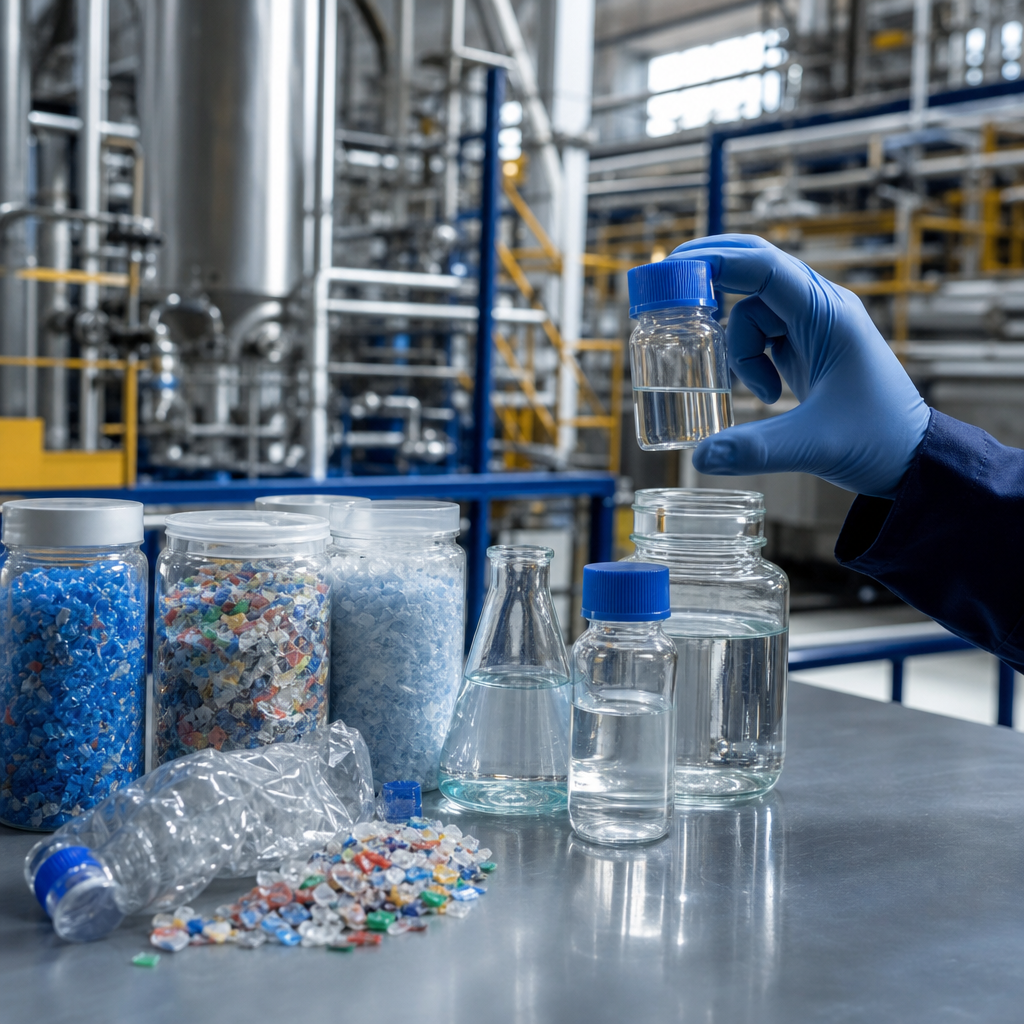
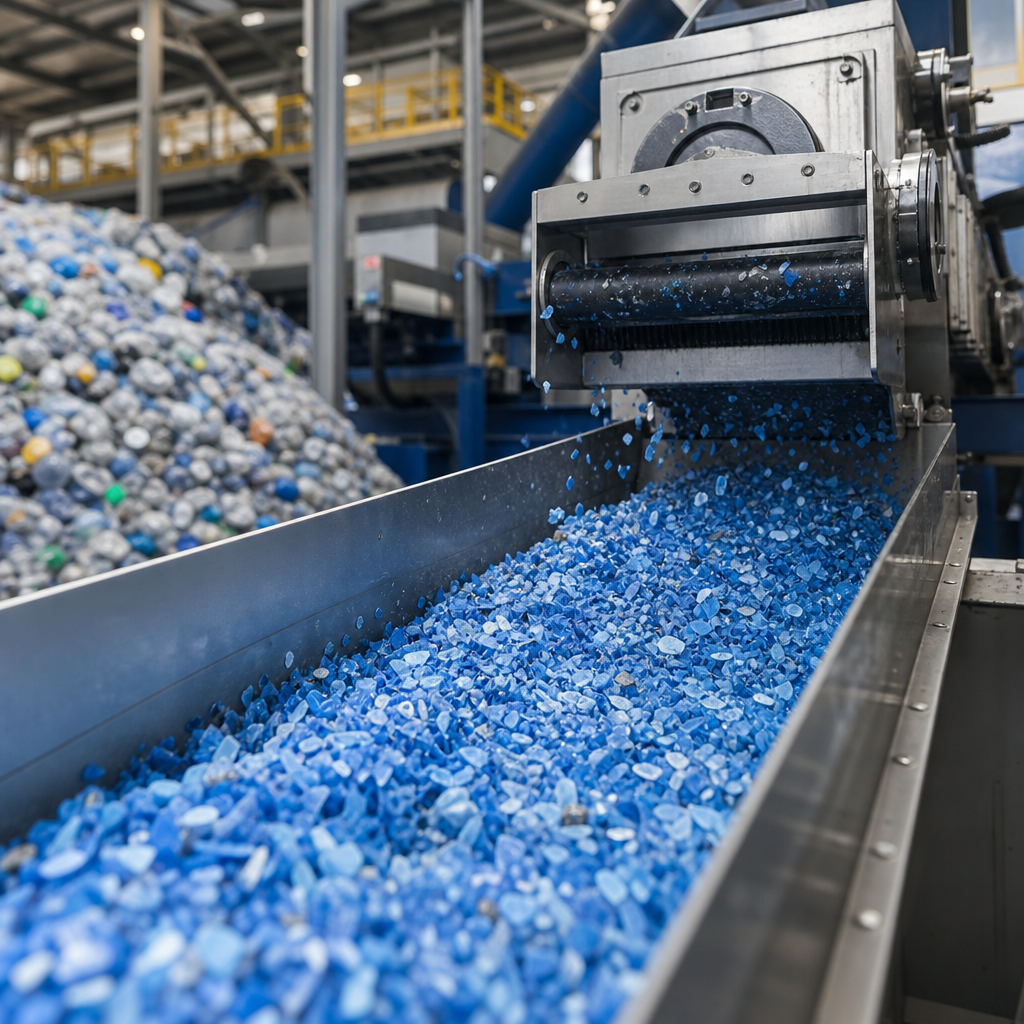
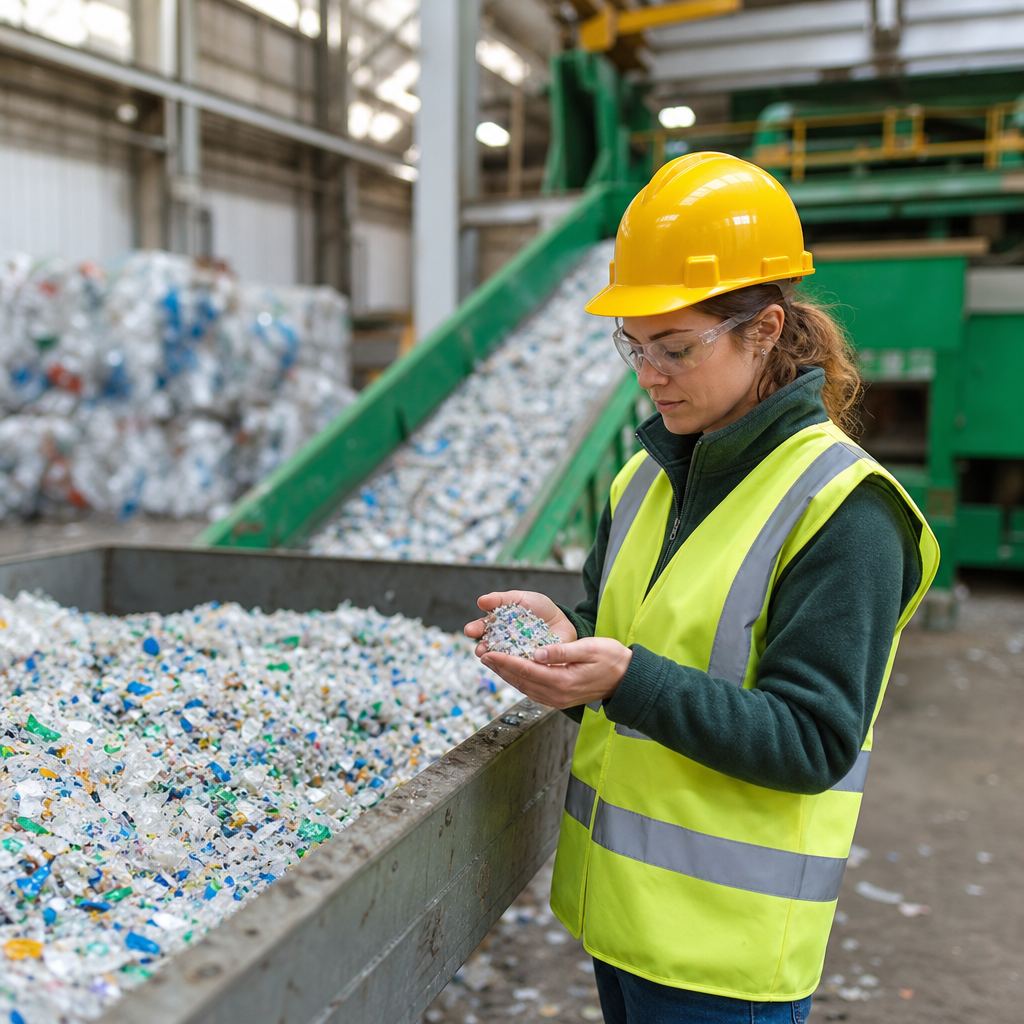
No discussion of polymers and environmental sustainability is complete without addressing circularity. Mechanical recycling remains the most established route for many thermoplastics, particularly PET, HDPE, and PP, when collection and sorting are effective. Chemical recycling, including depolymerization and feedstock recycling, may help recover materials that are difficult to process mechanically, but economics and energy intensity vary widely by technology. Reuse systems, refill models, and durable product design often outperform single-use substitution strategies when reverse logistics are efficient. Compostable polymers have a role in specific applications, such as food-contaminated serviceware or compost collection liners, but only where certified materials align with actual composting infrastructure. There is no universal best polymer solution. The sustainable choice depends on fit with the local waste system, the required product function, and the environmental burden being targeted.
The most credible path forward is design for circularity combined with strong policy and measurement. That means simplifying material structures, using clear resin identification, reducing problematic additives, incorporating recycled content where technically sound, and validating claims with life cycle data instead of assumptions. It also means preventing leakage through better collection, extended producer responsibility, deposit systems, and procurement standards. I have seen sustainability programs fail when teams focused only on material slogans and ignored sorting behavior, contamination rates, or conversion constraints. The programs that work treat polymers as part of an engineered system. They ask what service the product must deliver, what harms must be prevented, and what recovery route truly exists after use.
Polymers promote environmental sustainability when they are applied with precision, not when they are discussed in absolutes. Their greatest strengths are lightweight performance, durability, barrier protection, chemical resistance, and the ability to enable lower-carbon technologies from insulation to renewable energy and water treatment. Their greatest risks are waste leakage, poor product design, contamination of recycling streams, and mismatch between material choice and local infrastructure. For a hub covering environmental and sustainable applications, that balanced view is the essential takeaway. Packaging can reduce food waste, buildings can save energy, vehicles can use less fuel, renewable energy systems can operate reliably, and water networks can become more efficient because polymers make those outcomes possible. The responsibility is to pair those benefits with better design standards, better collection systems, and honest life cycle measurement.
If you are evaluating polymers for sustainability, start with function, compare whole systems, and follow the data. Review the application, identify the likely end-of-life route, and prioritize designs that cut emissions, resource use, and leakage at the same time. That approach turns polymers from a sustainability problem into a practical set of sustainability tools. Use this hub as the starting point for deeper case studies on packaging, construction, transportation, renewable energy, water treatment, and circular economy strategies.
Frequently Asked Questions
1. What is the connection between polymers and environmental sustainability?
Polymers are deeply connected to environmental sustainability because they influence how products are designed, used, transported, and managed at the end of their life. At a basic level, polymers are large molecules built from repeating monomers, but in practice they represent a broad class of materials that can be tailored for very different functions. This versatility matters for sustainability because the environmental impact of a material is not determined only by what it is made from, but also by how long it lasts, how much energy it takes to produce, how much weight it adds to a system, and whether it can be repaired, reused, or recycled.
In many applications, polymers can reduce overall resource consumption. Lightweight polymer components in vehicles, aircraft, and transportation packaging can lower fuel use and associated emissions. In buildings, polymer-based insulation, piping, sealants, and window components can improve energy efficiency and durability. In medical settings, polymers support sterile, high-performance devices that can improve patient safety and reduce product failure. In renewable energy systems, polymers are used in wind turbine blades, cable insulation, solar module components, and battery systems, making them essential to low-carbon infrastructure.
At the same time, sustainability concerns around polymers are real and significant. Fossil-based feedstocks, single-use products, litter, poor waste management, and low recycling rates have created major environmental challenges. That is why the modern sustainability discussion is not simply about whether polymers are good or bad. It is about how they are selected, engineered, sourced, used, collected, and recovered. Well-designed polymer systems can conserve energy, protect products, extend service life, and support circular economy models. Poorly designed systems can contribute to waste and pollution. The key sustainability question is how to capture the benefits of polymers while minimizing environmental harm across the full life cycle.
2. Are polymers and plastics the same thing, and why does that distinction matter in sustainability discussions?
Polymers and plastics are related, but they are not exactly the same thing. A polymer is the underlying large molecule made of repeating units, while a plastic is typically a material system that includes one or more polymers plus additives, fillers, reinforcements, colorants, stabilizers, or plasticizers that help it perform in a specific application. This distinction matters because sustainability outcomes are shaped not just by the polymer chemistry itself, but by the complete formulation, product design, and end-of-life pathway.
For example, two products may both be described casually as “plastic,” yet behave very differently in the environment and in recycling systems. One may be a simple single-material package designed for mechanical recycling, while another may be a complex multilayer structure engineered for high oxygen and moisture barrier performance to preserve food. The second structure may greatly reduce food waste, which is a major environmental issue, but it may also be more difficult to recycle using existing infrastructure. Without understanding the difference between polymer chemistry and finished plastic products, it is easy to oversimplify sustainability trade-offs.
This distinction also helps explain why policy, innovation, and material selection must be more precise. Some polymers are durable and ideal for long-life applications like pipes, wire coatings, and automotive parts. Others are engineered for flexibility, clarity, or compostability under controlled conditions. Some can be readily recycled in established streams, while others require chemical recycling, redesign, or specialized collection systems. In sustainability discussions, treating all plastics as a single category obscures important differences in performance, resource efficiency, and recovery potential. A more accurate understanding of polymers leads to better decisions about where these materials create environmental value and where alternatives or redesign are needed.
3. How can polymers help reduce environmental impacts in industries like packaging, construction, transportation, and energy?
Polymers can reduce environmental impacts in multiple industries because they often deliver high performance with relatively low weight, strong durability, and highly tunable properties. In packaging, polymers can provide excellent moisture, oxygen, and contamination barriers that protect food, pharmaceuticals, and consumer goods. That protection can extend shelf life, reduce spoilage, and lower the emissions associated with wasted products. In many cases, the environmental footprint of the packaged product is much larger than that of the package itself, so even small improvements in preservation can create meaningful sustainability benefits.
In construction, polymer-based materials contribute to energy efficiency, corrosion resistance, and long service life. Insulation foams, weather barriers, sealants, membranes, piping systems, flooring, and composite materials can help buildings use less energy and require less maintenance over time. Durable polymer pipes in water and wastewater systems can reduce leaks, resist chemical degradation, and support more reliable infrastructure. When a material extends the life of a building component or lowers heating and cooling demand, the cumulative environmental benefit can be substantial over decades of use.
In transportation, lightweight polymers and polymer composites are valuable because reducing mass generally lowers fuel consumption in conventional vehicles and can improve range in electric vehicles. Interior components, under-the-hood parts, battery housings, cable insulation, and structural composites all play a role. In aerospace and public transit, weight savings translate into operational efficiency, which directly affects emissions. In renewable energy, polymers are embedded in wind turbine blades, encapsulants for solar panels, electrical insulation, protective coatings, and energy storage systems. These applications show that polymers are not peripheral to sustainability transitions; they are often enabling materials that make cleaner technologies practical, efficient, and scalable.
Still, the sustainability value of polymers in these sectors depends on smart design choices. If a polymer component reduces energy use during operation but is impossible to recover, repair, or recycle, the overall picture becomes more complex. The strongest environmental outcomes usually come from combining performance benefits with circular design principles such as longer product life, modularity, lower toxicity, reduced material use, and clearer end-of-life pathways.
4. What role do recycling, biodegradability, and circular design play in making polymers more sustainable?
Recycling, biodegradability, and circular design are all important, but they are not interchangeable solutions. Recycling helps keep polymer materials in use for longer and reduces demand for virgin raw materials when collection, sorting, and reprocessing systems work effectively. Mechanical recycling is the most familiar route and is often well suited to cleaner, simpler material streams such as certain bottles, containers, films, and industrial scrap. Chemical or advanced recycling technologies may expand options for more complex or contaminated polymer waste, though their environmental value depends heavily on energy use, yields, emissions, and real-world system performance.
Biodegradability is often misunderstood. A biodegradable polymer is not automatically the most sustainable option, and it does not mean the material will harmlessly disappear in any environment. Many biodegradable or compostable polymers require specific industrial composting conditions, including controlled temperature, humidity, and microbial activity. If those conditions are absent, breakdown may be slow or incomplete. That means biodegradability is only environmentally useful when it aligns with the actual waste management system and the application. For example, certain food-contaminated service items or agricultural uses may be better candidates than durable goods or products likely to enter conventional recycling streams.
Circular design is the broader and more powerful concept because it addresses the whole life cycle. It includes designing polymer products to use less material, avoid unnecessary additives, improve repairability, enable disassembly, simplify sorting, increase recycled content, and maintain performance across multiple use cycles. It also means matching materials to realistic recovery systems rather than making theoretical claims that do not hold up in practice. A recyclable package that is never collected is not truly circular, and a compostable item in a region without composting infrastructure may create confusion rather than benefit.
The most sustainable polymer strategy usually comes from aligning material science with product design, infrastructure, consumer behavior, and policy. In other words, better polymers matter, but better systems matter just as much. A circular economy for polymers requires cooperation across the value chain, from resin producers and converters to brands, municipalities, recyclers, and end users.
5. What should businesses and consumers consider when evaluating whether a polymer-based product is environmentally responsible?
Businesses and consumers should look beyond simple labels and focus on the full life-cycle performance of the product. A polymer-based product may be environmentally responsible if it uses fewer resources, lasts longer, protects valuable contents, improves energy efficiency, or supports reuse and recycling. But those benefits need to be weighed against factors such as raw material sourcing, manufacturing energy, additives used, transportation impacts, expected product lifetime, and what happens after use. A responsible evaluation asks not just, “Is this plastic?” but, “What job is this material doing, and is it doing that job with the lowest overall environmental burden?”
One of the most useful tools in this process is life-cycle assessment, or LCA. LCA examines impacts across stages such as feedstock extraction, production, distribution, use, and end-of-life management. This is important because a material that seems less sustainable at first glance may perform better overall when transportation emissions, product protection, maintenance, or durability are included. For example, lightweight polymer packaging may have a lower transport footprint than heavier alternatives, and durable polymer components in buildings may produce large operational energy savings over time. Conversely, a product marketed as eco-friendly may not be truly beneficial if it is difficult to recover or encourages single-use consumption.
Businesses should also assess whether the product is compatible with existing collection and recycling systems, whether it contains recycled or