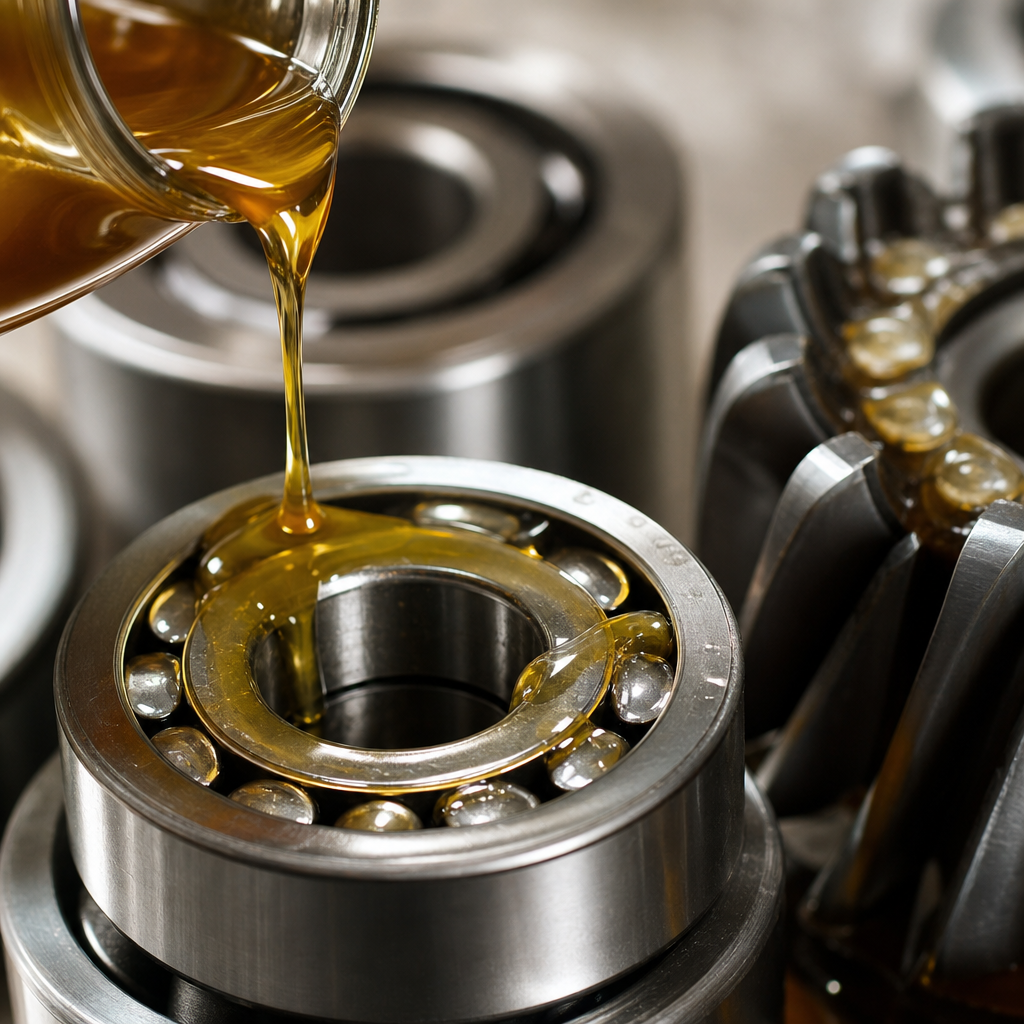
Innovations in polymers for lubricants and greases are reshaping how industrial equipment manages friction, heat, contamination, and service life across manufacturing, transport, energy, and heavy processing. In this field, polymers are not simply additives that thicken oil; they are engineered performance tools that control viscosity, improve film strength, stabilize grease structure, reduce wear, and support longer drain intervals. When I evaluate lubricant formulations for plant and mobile equipment, polymer selection consistently determines whether a product performs well only in the lab or also survives real operating conditions such as shock loads, water washout, temperature cycling, and shear. That is why polymers in industrial applications have become central to modern tribology.
In lubricant chemistry, polymers appear in several roles. Viscosity index improvers help oils maintain usable viscosity over a broad temperature range. Pour point depressants modify wax crystal behavior at low temperature. Dispersants suspend oxidation products and soot. Tackifiers increase adhesion to metal surfaces and chains. In grease, polymer technology can supplement or replace conventional soap thickener systems, creating structures with distinct mechanical stability, bleed control, and sealing behavior. Key polymer families include olefin copolymers, polymethacrylates, styrene block copolymers, polyisobutylene, polyurea, and fluorinated materials used in specialty formulations. Each family behaves differently under shear, oxidation stress, and contamination.
This matters because lubricant failure is rarely caused by one variable. A gearbox may need oxidation resistance, micropitting protection, and seal compatibility at the same time. A food plant conveyor grease may require water resistance, clean pumpability, and incidental-contact compliance. A wind turbine lubricant must retain film thickness through seasonal temperature swings while resisting aeration and filter plugging. Polymer innovations address these multi-variable demands by tailoring molecular architecture, base oil compatibility, and additive response. As a hub for polymers in industrial applications, this article explains the major polymer technologies, where they are used, why they succeed, and what engineers should assess when choosing formulations for actual equipment and operating environments.
How Polymers Improve Lubricant Performance
Polymers improve lubricants by changing how the fluid behaves under temperature, pressure, and mechanical stress. The most familiar example is the viscosity index improver. Base oils naturally thin as temperature rises, but carefully designed polymers expand in solution with increasing temperature, offsetting part of that viscosity loss. In hydraulic systems, compressors, and automotive driveline oils, this translates into more stable hydrodynamic film thickness between moving surfaces. In practice, that means easier cold starts without sacrificing high-temperature protection. Olefin copolymers and polymethacrylates remain widely used because they balance performance, treat rate, and manufacturability.
Shear stability is the critical tradeoff. A polymer can deliver excellent viscosity control in fresh oil yet lose effectiveness after prolonged exposure to gears, pumps, or journal bearings if the molecular chains break down. I have seen high-shear industrial service expose weak formulations quickly: the oil returns from operation thinner than specification, and wear rates rise. That is why formulators use tests such as ASTM D6278 and KRL taper roller bearing methods to judge permanent viscosity loss. Newer star-shaped and comb-structured polymers are designed to resist mechanical degradation better than older linear molecules, especially in severe-duty lubricants.
Polymers also influence deposit control, traction behavior, air release, and energy efficiency. Dispersant polymers can suspend insoluble oxidation byproducts before they become sludge, extending cleanliness in engines and some industrial systems. Friction-modifying polymer structures are being explored to lower boundary friction while preserving antiwear chemistry. In grease, elastomeric polymers can improve adhesion and water resistance for open gears, paper machine bearings, and off-road chassis points where conventional oils may sling off. These functions make polymer science one of the most practical branches of tribology, because molecular design can be linked directly to measurable plant outcomes such as lower relubrication frequency, reduced downtime, and better component longevity.
Key Polymer Families Used in Lubricants and Greases
Different polymer families serve distinct functions, and understanding their chemistry helps explain their application limits. Olefin copolymers, often based on ethylene and propylene, are common viscosity index improvers in engine oils, hydraulic fluids, and transmission lubricants. They provide good thickening efficiency and cost effectiveness, though performance depends heavily on molecular weight distribution and shear stability. Polymethacrylates offer strong low-temperature behavior and can be tailored for multifunctionality, acting as viscosity modifiers and pour point depressants. In cold-climate hydraulic oils and automatic transmission fluids, they are valued for their formulation flexibility.
Polyisobutylene is another workhorse polymer. It is used as a tackifier, sealant component, and thickening aid in specialty lubricants. In chain oils, wire rope lubricants, and open gear compounds, polyisobutylene helps the lubricant stay where it is applied. Styrene block copolymers, including styrene-isoprene-styrene and styrene-butadiene-styrene variants, can create gel-like networks in oils and support semi-fluid grease structures. These materials are useful where strong adhesion and controlled flow are needed. For high-temperature greases, polyurea thickeners are especially important. They are formed in situ from amine and isocyanate chemistry and deliver excellent oxidation life, low bleed, and good electric motor bearing performance.
At the premium end, fluoropolymers and perfluoropolyether-compatible systems support chemically aggressive or extreme-temperature environments such as semiconductor tools, oxygen service, and aerospace assemblies. These are expensive, but in corrosive or ultra-clean applications they can be the only viable option. The table below summarizes common polymer choices in polymers in industrial applications.
| Polymer family | Primary function | Common applications | Main advantage | Typical limitation |
|---|---|---|---|---|
| Olefin copolymers | Viscosity index improvement | Hydraulic oils, engine oils, gear oils | Efficient thickening and broad use | Can suffer permanent shear loss |
| Polymethacrylates | VI improvement, pour point control | ATF, low-temperature lubricants, hydraulics | Tailorable and effective in cold flow | Base oil compatibility must be managed |
| Polyisobutylene | Tackification and adhesion | Chain oils, wire rope lubricants, open gears | Improves stay-put performance | May affect cleanliness or pumpability |
| Styrene block copolymers | Gel structure and adhesion | Semi-fluid greases, specialty oils | Strong structural control | Thermal limits lower than some alternatives |
| Polyurea | Grease thickening | Electric motor bearings, sealed-for-life greases | Excellent oxidation life and low bleed | Compatibility with other greases can be poor |
| Fluorinated polymers | Extreme chemical and thermal resistance | Semiconductor, aerospace, oxygen service | Outstanding stability | Very high cost |
Innovations in Grease Thickener Design and Structure
Grease innovation is no longer limited to choosing between lithium complex, calcium sulfonate complex, or aluminum complex systems. Polymer-enabled thickener design now gives formulators more control over fiber morphology, oil retention, mechanical stability, and acoustic behavior. Polyurea grease remains one of the most important examples because its ashless thickener system supports long oxidation life and low noise in electric motor bearings. Manufacturers of sealed bearings frequently prefer polyurea formulations for extended relubrication intervals, especially where heat and speed accelerate oxidative stress. In field work, I have repeatedly seen polyurea outperform general-purpose soap greases in continuously running motors when contamination is low and compatibility is handled correctly.
Another active area is hybrid grease structure, where polymeric materials are combined with conventional thickeners to tune bleed and water resistance. This is useful in steel mills, marine deck equipment, and mining machinery where grease must resist washout but still release enough oil into the contact zone. Excessive bleed can starve seals and create housekeeping issues, while insufficient bleed can increase wear. Polymer modification helps tune that balance. Some formulations also use polymer networks to improve tack and sealing capacity, allowing grease to remain in heavily exposed bearings or slow-moving open mechanical interfaces.
Developments in rheology control are particularly relevant for automated lubrication systems. In centralized systems, grease must pump through long lines at startup, then recover structure in the bearing housing. Polymer-enhanced formulations can be engineered for better apparent viscosity behavior under pressure and lower risk of channeling. NLGI consistency alone does not capture these differences; worked penetration, roll stability, flow pressure, and ASTM D1092 oil separation are better indicators. For this reason, modern grease selection increasingly focuses on full rheological and application-specific data rather than relying on product category labels alone.
Industrial Applications and Real-World Case Studies
Polymers in industrial applications become most meaningful when tied to equipment outcomes. In wind turbines, gearbox and pitch bearing lubricants must endure broad temperature swings, micropitting risk, and long service intervals. Shear-stable viscosity modifiers help maintain elastohydrodynamic film thickness without excessive churning losses, while advanced grease polymers improve adhesion and water resistance in pitch systems exposed to humidity and vibration. Operators value these formulations not because they sound advanced, but because crane access and downtime are expensive. A lubricant that preserves viscosity and reduces relubrication visits creates measurable operating savings.
In steel and paper mills, water contamination is a constant challenge. Bearings near wet sections, roll necks, and conveyor lines require grease that resists washout and maintains a protective film under shock loading. Polymer-tackified greases and robust thickener networks perform better than simple multipurpose greases in these conditions. I have seen facilities cut grease consumption after switching from a soft, easily displaced product to a polymer-enhanced formulation that stayed in the bearing longer and reduced purge losses. The improvement was not theoretical; grease points ran cooler, regreasing intervals increased, and used grease showed less water emulsification.
Food and beverage plants present another important use case. Incidental-contact lubricants must meet strict compositional requirements while still resisting water, cleaners, and temperature cycling. Polymer selection becomes delicate because every component affects compliance, odor, cleanability, and seal interaction. In conveyor and canning operations, tackified synthetic chain oils often outperform plain mineral oil products by reducing fling-off and maintaining lubrication on fast-moving components. In enclosed food-grade gearboxes, shear-stable polymer systems help maintain viscosity over long service periods without generating excessive deposits. These examples show why polymers in industrial applications deserve hub-level attention: they connect chemistry directly to uptime, safety, sanitation, and maintenance cost.
Selection Criteria, Testing, and Practical Limits
Choosing the right polymer system starts with application conditions, not product marketing. Engineers should define operating temperature range, speed, load, contamination sources, relubrication method, seal material, and expected drain interval. For oils, essential test data include viscosity index, Brookfield low-temperature viscosity when relevant, shear stability, oxidation resistance, foaming tendency, air release, filterability, and demulsibility. For greases, worked penetration, dropping point, water washout, oil separation, corrosion protection, four-ball wear, EMCOR rust testing, and low-temperature torque are often more useful than broad claims about heaviness or tack. A polymer that improves one property can compromise another, so test interpretation must be application specific.
Compatibility is a major practical limit. Mixing greases with different thickener and polymer systems can cause softening, hardening, bleed changes, or poor pumpability. Seal compatibility also matters because some polymer-additive combinations can alter elastomer swell. In hydraulic systems with fine filtration, certain high-molecular-weight materials may affect filterability or interact with contaminants in ways that promote varnish risk. Cost is another constraint. Premium polymer technologies often justify themselves in inaccessible or high-consequence assets, but not every circulating oil system needs top-tier chemistry. Matching formulation sophistication to failure risk is the disciplined approach.
Standards and field validation remain indispensable. ASTM, DIN, ISO, and OEM approval frameworks provide the baseline, but they do not eliminate the need for trials and used-oil analysis. In my experience, successful conversion programs rely on trend data: viscosity retention, wear metals, acid number, particle counts, grease consumption, bearing temperature, and relubrication history. Polymer innovation is valuable only when it survives actual operating stress. Plants that treat lubricant selection as an engineering decision, rather than a purchasing afterthought, consistently get better results from modern polymer technology.
Innovations in polymers for lubricants and greases have changed industrial lubrication from a commodity function into a precision reliability tool. The core lesson is simple: polymers control far more than thickness. They influence viscosity stability, low-temperature flow, adhesion, water resistance, oxidation life, grease structure, and deposit control. Olefin copolymers, polymethacrylates, polyisobutylene, styrene block copolymers, polyurea systems, and fluorinated materials each solve different problems, and the right choice depends on operating conditions, component design, and maintenance strategy. Across wind power, food processing, mining, paper, steel, and transportation, better polymer design is enabling longer service intervals and more predictable equipment protection.
As the hub for polymers in industrial applications, this page should guide readers toward a practical mindset. Start with the machine, not the label. Review the lubricant’s polymer role, confirm the relevant test data, check compatibility, and validate performance with field measurements. That process prevents costly over-specification and equally costly underperformance. If you are building a lubrication program, auditing product performance, or evaluating new formulations, use this article as your starting point and map each application to the polymer technologies most likely to deliver reliable, measurable gains.
Frequently Asked Questions
1. How are polymers changing the performance of modern lubricants and greases?
Polymers are transforming lubricants and greases from basic friction-reduction products into highly engineered performance systems. In traditional formulations, a lubricant’s job was mainly to separate moving surfaces and carry away heat. Today, polymer technology allows formulators to fine-tune how a lubricant behaves under changing load, speed, temperature, and contamination conditions. That means the product can do much more than simply provide a slippery film. It can maintain viscosity across wider operating ranges, strengthen the protective oil film under heavy loads, improve mechanical stability in grease, and help equipment run longer between relubrication or drain intervals.
In lubricants, polymers are commonly used as viscosity index improvers, dispersants, friction modifiers, tackifiers, and seal-compatible performance enhancers. These materials help the oil resist thinning at high temperatures while still flowing well at lower temperatures. In greases, polymers may work alongside or within the thickener system to improve adhesion, water resistance, consistency retention, and structural recovery after shear. This is especially valuable in industrial environments where bearings, gears, conveyors, and centralized lubrication systems are exposed to shock loading, wet conditions, or repeated start-stop cycles.
What makes this innovation especially important is that polymer design has become much more targeted. Instead of relying on broad, one-size-fits-all chemistry, formulators can now select polymer architectures based on the application. For example, some polymers are designed for superior shear stability in hydraulic fluids and engine oils, while others are optimized for grease retention on metal surfaces or contamination handling in severe processing environments. In practical terms, this means better wear protection, more stable performance over time, lower lubricant consumption, and improved equipment reliability. For plant and mobile equipment alike, polymers are no longer passive ingredients; they are key tools in building lubricants and greases that support productivity, efficiency, and longer asset life.
2. What types of polymers are most commonly used in lubricants and greases, and what does each one do?
Several classes of polymers are used in lubricant and grease formulation, and each serves a distinct function depending on the operating demands of the equipment. One of the most familiar categories is the viscosity index improver. These polymers help oil maintain a more stable viscosity as temperature changes. Without them, oil can become too thick during cold starts and too thin at elevated operating temperatures. By improving viscosity-temperature behavior, these polymers help ensure consistent film formation and reliable lubrication under both startup and full-load conditions.
Another important group includes dispersant polymers and detergent-dispersant systems, which help keep contaminants, oxidation byproducts, and soot-like materials suspended so they do not deposit on critical machine surfaces. In systems where cleanliness matters, such as engines, compressors, and circulating oil systems, this contributes directly to reduced sludge formation and improved lubricant life. Friction-modifying polymers are also used to alter surface interaction at the microscopic level, lowering frictional losses and sometimes improving energy efficiency. These are particularly valuable where reducing heat generation and wear can translate into measurable operating savings.
In greases, polymer technology often appears in the form of structural modifiers, tackifiers, and performance-enhancing co-thickeners. Tackifying polymers improve the grease’s ability to stay in place on components exposed to vibration, water washout, or centrifugal force. Structural polymers can strengthen the grease matrix so that it resists mechanical breakdown while still releasing oil appropriately to the contact zone. Some advanced polymer systems also improve pumpability in centralized lubrication systems, allowing grease to travel through long lines without severe separation or hardening.
There are also specialty polymers designed for extreme conditions. These may provide enhanced water resistance, compatibility with synthetic base oils, improved low-temperature mobility, or stronger boundary film behavior in heavily loaded applications. The key point is that polymer selection is highly application-specific. A polymer that performs well in a high-speed electric motor bearing grease may not be appropriate for a slow-moving open gear compound or a hydraulic fluid used in cold outdoor environments. Effective formulation depends on matching the polymer chemistry to the equipment, operating profile, and maintenance objectives.
3. Why is shear stability so important in polymer-enhanced lubricants?
Shear stability is critical because many lubricants operate in zones where the oil is subjected to intense mechanical stress. As fluid passes through tight clearances, bearings, pumps, gears, and hydraulic components, the polymer molecules inside the lubricant can be stretched, deformed, or even permanently broken down. If a polymer used to control viscosity is not shear-stable, the lubricant may lose viscosity over time. That loss can reduce film thickness, weaken wear protection, and leave components vulnerable to metal-to-metal contact, elevated temperatures, and premature failure.
This is especially important in applications that combine high pressure, repeated recirculation, and long service intervals. Hydraulic systems, gearboxes, engine oils, and transmission fluids are classic examples. In those systems, a lubricant may look acceptable when fresh but degrade in-use if the polymer structure cannot withstand repeated mechanical stress. The result is not always immediately obvious. Equipment may gradually run hotter, show increased wear metal levels, or require more frequent oil changes. In severe cases, a viscosity drop can undermine the lubricant’s ability to maintain separation between surfaces, accelerating fatigue and scuffing.
Advanced polymer innovation addresses this by developing molecules with better architecture and stronger resistance to permanent shear loss. Some are designed to provide the desired viscosity response with lower treat rates, while others use highly shear-resistant structures that hold performance longer in demanding environments. For operators and maintenance teams, this matters because a shear-stable lubricant is more likely to deliver consistent protection throughout the drain interval rather than only at the beginning of service.
In grease, shear stability matters in a related but slightly different way. The grease structure must withstand repeated working without collapsing into an overly soft or oil-separated mass. Polymers used in grease systems can help reinforce the network so consistency remains controlled during operation. That means the grease stays where it is needed, continues to release oil appropriately, and maintains protection under vibration and load. In both oils and greases, strong shear stability supports predictable performance, less relubrication, and better overall machine reliability.
4. How do polymer innovations help equipment last longer and reduce maintenance costs?
Polymer innovations contribute to longer equipment life by improving the lubricant’s ability to protect surfaces under real-world operating conditions rather than ideal laboratory conditions alone. Machines in manufacturing, transport, mining, energy, and heavy processing rarely operate at one constant speed and temperature. They start cold, run hot, encounter contamination, see shock loads, and often continue working under marginal conditions. Polymers help lubricants and greases adapt to that variability by preserving viscosity, strengthening film integrity, supporting grease consistency, and improving resistance to water, oxidation, and mechanical degradation.
From a wear standpoint, this added control is extremely valuable. A stable polymer-enhanced lubricant can maintain a more reliable lubricating film between metal surfaces, reducing direct contact and limiting abrasive or adhesive wear. In heavily loaded contacts, stronger film behavior can lower the risk of scuffing, micropitting, and surface fatigue. In greases, better retention and washout resistance mean the lubricant stays in the bearing or contact zone longer, reducing the chance of starvation. Over time, that translates into fewer bearing failures, less unscheduled downtime, and better use of maintenance labor.
There is also a clear economic impact. When polymers improve oxidation stability, mechanical stability, and contaminant handling, lubricants can often remain serviceable for longer periods. That can support extended drain intervals, reduced grease consumption, and fewer maintenance interventions. In centralized systems or remote assets, even small improvements in lubricant life can produce meaningful cost savings. Lower lubricant-related failure rates also reduce secondary costs such as lost production, emergency repairs, replacement parts, and overtime labor.
Perhaps most importantly, modern polymers help make lubricant performance more consistent over the entire service cycle. That consistency is what maintenance teams depend on. A lubricant that resists thinning, separation, or rapid degradation gives planners greater confidence in service intervals and condition-monitoring data. Instead of reacting to premature lubricant failure, teams can manage lubrication proactively. In that sense, polymer technology is not just improving the chemistry inside the lubricant; it is improving the reliability strategy around the equipment.
5. What should engineers and maintenance teams consider when choosing polymer-enhanced lubricants and greases?
The most important consideration is that polymer-enhanced products should be selected based on application demands, not marketing language alone. A lubricant may advertise advanced polymer technology, but the real question is whether that chemistry addresses the specific challenges of the equipment. Engineers and maintenance teams should look closely at operating temperature range, load profile, speed, contamination exposure, water presence, relubrication practices, and the type of mechanical stress the lubricant will face. Those factors determine whether the priority should be viscosity retention, tackiness, pumpability, water resistance, shear stability, or another performance attribute.
Compatibility is another key issue. Polymers must work well with the base oil, additive package, seals, and, in grease, the thickener system. A formulation that performs excellently in one chemistry platform may behave differently in another. This is particularly important when converting from mineral oil to synthetic formulations, changing grease thickener types, or consolidating products across multiple assets. Teams should also consider whether the lubricant must perform in centralized systems, low-temperature