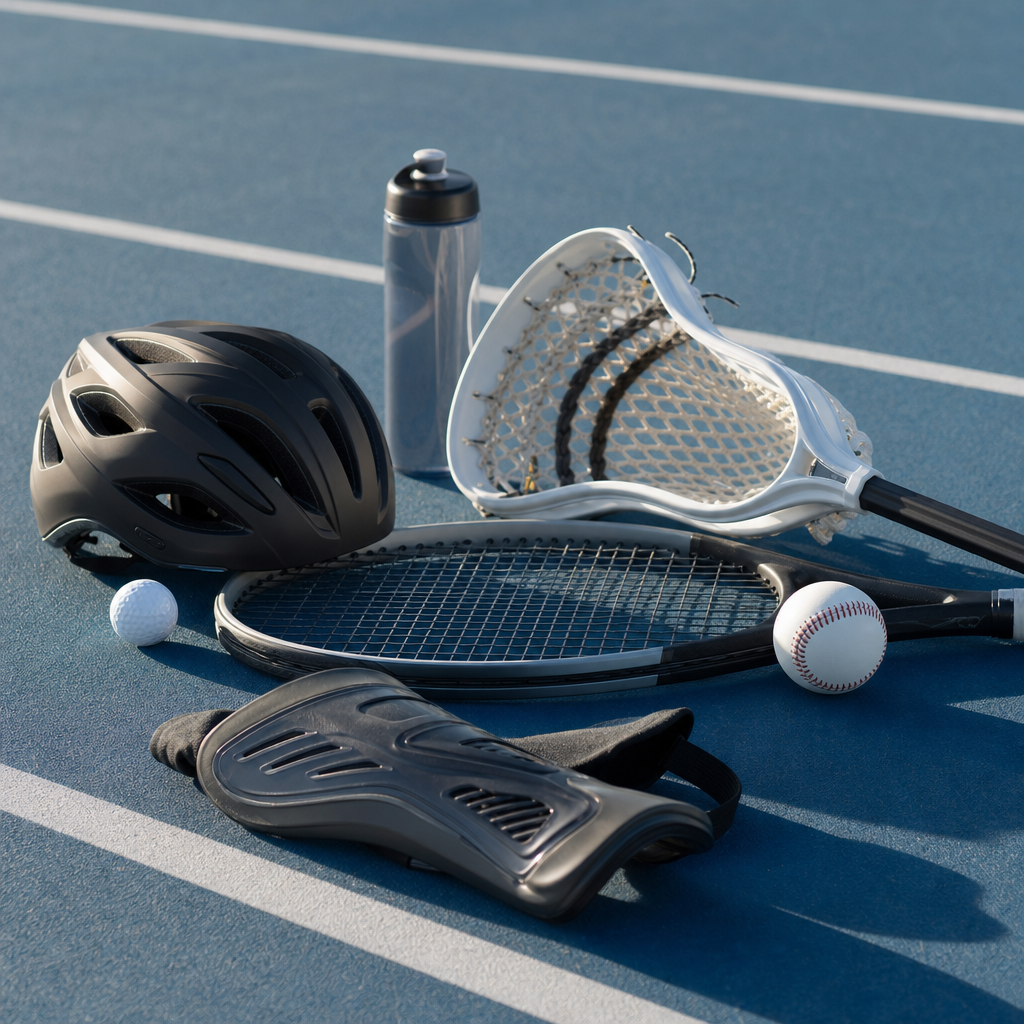
Polymers transformed sports equipment design by giving engineers precise control over weight, stiffness, impact resistance, grip, and durability in ways that wood, metal, and leather alone never could. In sports materials science, a polymer is a substance made of long molecular chains, ranging from simple thermoplastics such as polyethylene to high-performance composites built with epoxy resins and carbon or aramid fibers. When people talk about polymer innovation in sport, they usually mean more than plastic parts; they mean elastomers in running shoes, polyurethane foams in helmets, nylon strings in rackets, polycarbonate visors, and resin systems that bind advanced composite laminates together. I have seen product teams treat polymers not as substitutes for older materials but as tunable systems. By changing molecular structure, additives, reinforcement, and processing methods, designers can tailor the same category of material for flexibility in a ski boot cuff, rebound in a basketball, or vibration damping in a tennis frame.
This matters because modern sport depends on repeatable performance, athlete safety, regulatory compliance, and scalable manufacturing. A cyclist wants a helmet that absorbs energy reliably across thousands of units, not one handcrafted shell that varies from piece to piece. A runner expects midsoles to return energy without packing out after a month. Governing bodies also shape design choices. World Athletics regulates shoe stack height and plate configurations. FIFA specifies ball performance. NOCSAE and ASTM standards define impact requirements for protective gear. Polymers help manufacturers meet those targets because they can be molded, foamed, layered, welded, extruded, and bonded with remarkable precision. The result is not only lighter equipment but equipment with engineered behavior. That shift explains why successful polymer applications now define nearly every major category in the sporting goods market, from equipment and apparel to protective systems and surfaces.
From Material Replacement to Performance Engineering
The first wave of polymer use in sport was simple replacement. Natural gut strings gave way to nylon. Leather football helmets gave way to plastic shells and energy-absorbing liners. Wooden skis incorporated polyethylene bases. Over time, however, the real revolution came from performance engineering. Designers learned that polymers were not merely cheaper alternatives; they offered properties older materials could not. Thermoplastic polyurethane, for example, combines abrasion resistance with elasticity, making it ideal for outsoles, overlays, and flexible structural components. Expanded thermoplastics and foams introduced controlled compression and recovery. Epoxy matrices enabled carbon-fiber layups with directional stiffness, producing bicycle frames, hockey sticks, and rackets that could be optimized for load paths rather than carved from isotropic materials.
In practical product development, this changed the design workflow. Instead of selecting a material after shaping the product, teams increasingly built the product around a material system. A running shoe midsole is now defined by polymer chemistry, cell geometry, density, and plate integration. A baseball bat depends on composite layup schedules, resin curing windows, and damping inserts. Manufacturing methods such as injection molding, reaction injection molding, thermoforming, and additive manufacturing further widened the design space. Because polymers process at lower temperatures than many metals and can form complex geometries with fewer parts, they also support integration. A ski boot can combine shell stiffness, buckle mounts, and ergonomic contours in one molded assembly. This reduces weight, assembly labor, and failure points while improving consistency across production batches.
Successful Polymer Applications Across Major Sports Categories
The clearest evidence of polymer impact is visible in category after category where performance gains are measurable. In footwear, expanded EVA first became dominant because it offered low weight and cushioning at scale. More recently, thermoplastic elastomer and polyether block amide foams improved resilience and energy return, helping create racing shoes that maintain liveliness over marathon distances. In cycling, polycarbonate shells paired with expanded polystyrene liners became standard helmet architecture because they combine penetration resistance with effective crush behavior under impact. In racquet sports, polyester strings changed spin generation and control, while graphite composite frames using epoxy resins increased stiffness-to-weight ratios far beyond wood or aluminum designs.
Water sports offer another strong case study. Surfboards moved from heavier constructions toward polyurethane or expanded polystyrene cores laminated with polymer resins and fiberglass, enabling different flex profiles and lower mass. In skiing and snowboarding, UHMWPE bases improved glide and wear resistance, while ABS sidewalls and epoxy-bonded composite layers enhanced edge hold and structural durability. Team sports equipment shows the same pattern. Polyurethane-covered footballs and basketballs maintain grip across varied weather conditions. Hockey helmets rely on tailored combinations of polycarbonate, ABS, EPP, and vinyl nitrile foams to address both linear and rotational impact management. Even artificial turf systems are polymer-intensive, using polyethylene fibers, elastomeric infill, and shock pads to deliver predictable traction and shock attenuation. Successful polymer applications are therefore not confined to one breakthrough product; they form the material backbone of modern sport.
Why Specific Polymers Win: Properties, Uses, and Tradeoffs
Not every polymer works everywhere. Material selection succeeds only when the property profile matches the performance target and manufacturing route. The table below summarizes common high-impact choices used repeatedly in successful sports product programs.
| Polymer or System | Common Sports Use | Why It Works | Main Limitation |
|---|---|---|---|
| Expanded EVA | Running midsoles, protective padding | Lightweight cushioning, easy processing, low cost | Compression set over time |
| TPU | Outsoles, overlays, ski boot parts, ball panels | Abrasion resistance, elasticity, toughness | Can be heavier than foamed alternatives |
| PEBA | High-end racing shoe foams | Excellent resilience, low density, strong energy return | Higher material cost |
| Polycarbonate | Helmet shells, visors, protective eyewear | Impact resistance, transparency, formability | Scratch sensitivity without coatings |
| Epoxy composite matrix | Bikes, rackets, hockey sticks, bats | Binds fibers into stiff, lightweight laminates | Difficult repair and recycling |
| UHMWPE | Ski bases, sliding surfaces, cut-resistant gear | Low friction, wear resistance, toughness | Bonding can be challenging |
Those tradeoffs matter in real product decisions. PEBA foam can feel exceptional underfoot, but its price limits mass-market adoption. Polycarbonate helmet shells perform well, yet they need coatings or design protection against scratching and UV degradation. Epoxy composites can produce stunning stiffness and low weight, but they require careful quality control around fiber orientation, void content, and cure cycles. I have seen brands lose months chasing durability failures that were not caused by the polymer family itself but by poor interface design, inadequate testing, or a mismatch between lab conditions and field use. The best programs succeed because they balance properties, processability, standards compliance, and cost from the beginning.
Case Studies That Changed Expectations in the Market
Some of the most influential sporting goods case studies are now impossible to discuss without polymers at the center. Carbon composite tennis rackets are a classic example. Once manufacturers moved from wood to polymer-matrix composites, racket heads could become larger without becoming unmanageably heavy. That expanded the sweet spot, improved torsional stability, and changed how recreational and professional players generated power. Polyester strings then layered on another polymer-driven change, allowing harder swings with greater spin because the strings snap back more aggressively than older materials. The combination reshaped player technique and equipment norms across the sport.
Distance running shoes offer a newer and equally important case. Highly resilient superfoams combined with embedded polymer or composite plates reduced energy loss and improved running economy for many athletes. Laboratory studies published over the last decade showed meaningful efficiency gains, and race results quickly confirmed that shoe construction had become a decisive competitive factor. The key lesson was not simply that softer foam is better. The winning systems tuned foam resilience, geometry, stack height, and plate stiffness together. Similar patterns appear in cycling, where composite frames and helmets reduced mass while allowing aerodynamic shaping impossible with older tubing methods, and in American football, where multilayer polymer padding systems improved fit and impact management relative to earlier single-density constructions.
How Polymers Improved Safety, Comfort, and Fit
Performance attracts attention, but safety and comfort are where polymers arguably made the deepest contribution. Foamed polymers absorb energy by deforming in controlled ways, spreading loads over time and area. Expanded polystyrene remains a standard in bike helmets because it crushes predictably in severe impact. Expanded polypropylene can handle multiple lower-energy events better, making it useful in some helmet designs and protective pads. Vinyl nitrile and polyurethane foams support comfort and repeated use in shoulder pads, gloves, and liner systems. These are not interchangeable choices. Strain-rate behavior, temperature sensitivity, and compression recovery must align with the intended sport and standard.
Fit is equally important because protective equipment only works as designed when athletes actually wear it correctly. Thermoplastic shells can be molded with complex anatomical contours, while softer elastomers improve sealing, grip, and pressure distribution. Mouthguards made from EVA protect better when they can be thermoformed to the user. Ski boots benefit from shell materials that remain strong while enabling precise buckle tension and liner integration. In eyewear, polycarbonate lenses combine impact resistance with optical clarity, but anti-fog coatings and frame polymers must work with sweat, temperature swings, and facial geometry. Comfort, in other words, is not a cosmetic bonus; it is a functional requirement that polymers often solve better than rigid traditional materials.
Manufacturing, Sustainability, and What Comes Next
The manufacturing advantage of polymers is one reason their role keeps expanding. Injection molding supports high-volume precision for cleats, guards, buckles, and shells. Compression molding and bladder molding produce composite structures with repeatable fiber placement. Thermoforming creates lightweight guards and inserts quickly. Additive manufacturing is increasingly useful for lattice midsoles, custom insoles, and helmet padding prototypes because polymer feedstocks can be tuned for localized flexibility and rebound. Digital simulation now links polymer selection to finite element analysis, allowing teams to model impact attenuation, flex zones, and failure modes before cutting hard tooling. That shortens development cycles and improves confidence in final designs.
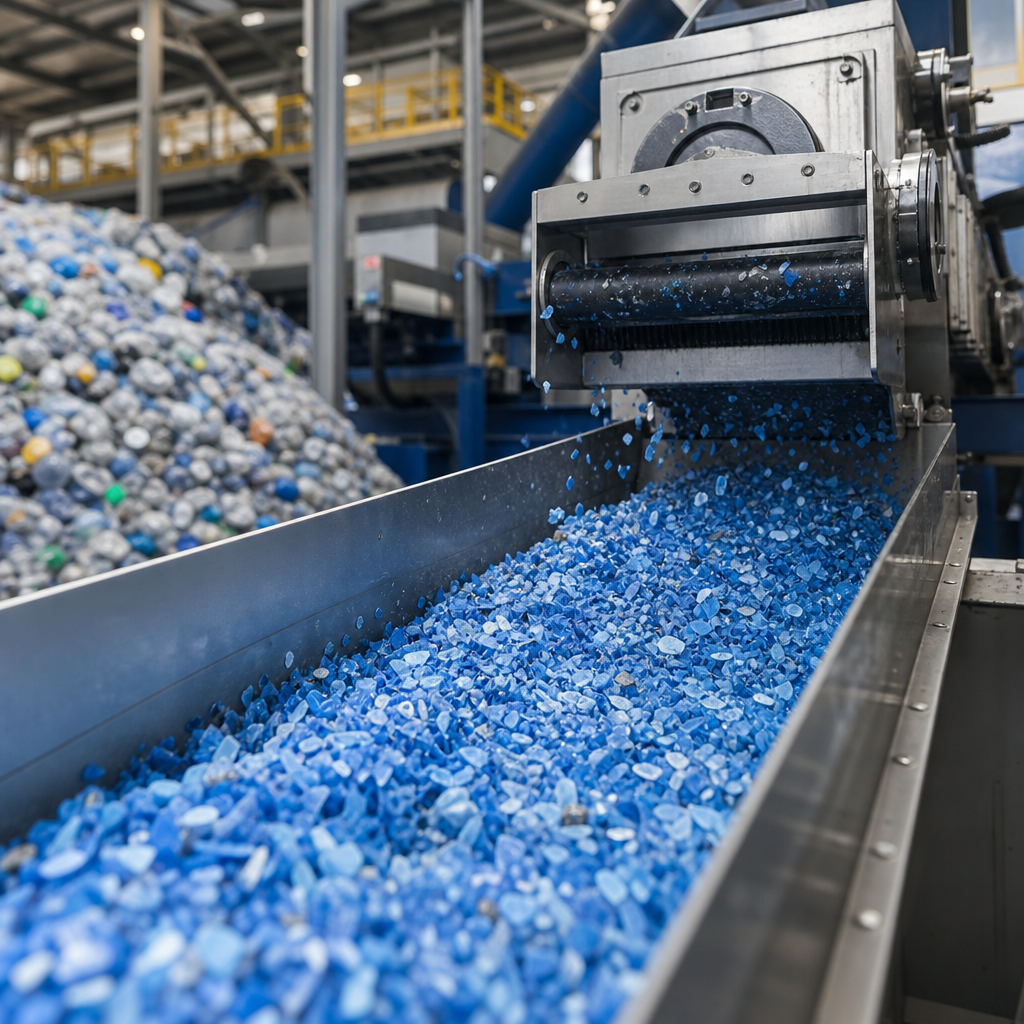
Sustainability, however, is the defining challenge for the next generation of successful polymer applications. Many high-performance systems use mixed materials that are difficult to separate and recycle. Thermoset composite parts deliver outstanding performance but remain harder to reprocess than thermoplastics. Brands are responding with bio-based polyamides, recycled polyester uppers, mechanically recycled TPU components, and designs that reduce adhesive use or enable easier disassembly. None of these approaches is a complete solution yet. Recycled content can change consistency, bio-based feedstocks do not automatically reduce total impact, and durability must still come first in safety-critical gear. The most credible path forward combines better material choices, longer product life, repairability, take-back systems, and manufacturing efficiency rather than relying on a single green claim.
Polymers revolutionized sports equipment design because they turned materials into adjustable performance platforms. They reduced weight, improved safety, enhanced comfort, and gave engineers tools to tune stiffness, rebound, damping, and durability for specific sports and athlete needs. The most successful polymer applications share the same pattern: clear performance targets, the right polymer system, disciplined testing, and manufacturing methods that preserve intended properties at scale. From superfoam shoes and composite rackets to helmet shells, ski bases, and artificial turf, polymers are no longer secondary components. They are the core enablers of modern equipment design.
For readers exploring case studies and applications, this hub should serve as the starting point for understanding why polymer choices matter product by product. Every major equipment category now reflects decisions about chemistry, structure, and processing, and those decisions shape outcomes athletes can feel immediately. If you are evaluating materials for a product line, a research project, or a market analysis, use these examples as a framework: identify the performance requirement, study the polymer-property match, assess standards and tradeoffs, and then examine manufacturing reality. That approach leads to better equipment and better questions for the next article in this series.
Frequently Asked Questions
What does it mean to say polymers revolutionized sports equipment design?
When experts say polymers revolutionized sports equipment design, they mean that these materials gave engineers a level of control that traditional materials could rarely match on their own. Wood, metal, and leather each have useful properties, but they come with limitations in weight, moisture sensitivity, vibration behavior, consistency, and manufacturing precision. Polymers changed that by allowing designers to tailor how equipment bends, absorbs shock, grips the hand, resists weather, and holds up under repeated use. Because polymers are made of long molecular chains, they can be formulated in many different ways, from flexible elastomers and tough thermoplastics to high-performance resin systems used in advanced composites.
That flexibility opened the door to a new era in sporting goods. Tennis racquets became lighter and more stable, bicycle frames became stronger relative to their weight, helmets became better at managing impact energy, and running shoes gained midsoles engineered for cushioning and energy return. Even equipment that still uses metals or natural materials often relies on polymers as coatings, foams, adhesives, grips, liners, or structural matrix materials. In other words, polymers did not just replace older materials; they allowed entirely new equipment architectures to emerge. That is why their impact is viewed as revolutionary rather than incremental.
How do polymers improve performance in sports equipment?
Polymers improve performance by helping engineers fine-tune the exact properties an athlete needs for a specific sport. One of the biggest advantages is weight reduction. Lighter equipment can often be moved faster, swung more easily, or worn with less fatigue, which can improve agility, speed, and control. At the same time, polymers can be engineered for stiffness in one area and flexibility in another, so equipment does not simply become lighter; it becomes more responsive. This is especially important in products such as racquets, hockey sticks, golf clubs, skis, and cycling components, where stiffness-to-weight ratio is a major factor in performance.
Another major performance benefit is vibration and impact management. Polymers can dampen unwanted vibration better than many traditional materials, which helps reduce harsh feel and improve comfort. In shoes, foams made from polymer-based materials can absorb landing forces while also returning some energy to the athlete. In protective gear, polymer shells and foams work together to spread and absorb impact. Grip is another key area. Polymer-based overmolds, surface textures, and elastomeric compounds help athletes maintain control in wet, sweaty, or high-contact conditions. Finally, polymers allow very consistent manufacturing, which means athletes can rely on equipment behaving the same way from one product to the next. That consistency is critical in elite competition, where small differences in feel or response can matter a great deal.
What kinds of polymers are commonly used in sports equipment?
Sports equipment uses a wide spectrum of polymers, depending on whether the goal is flexibility, toughness, low friction, structural strength, cushioning, or impact protection. Common thermoplastics include polyethylene, polypropylene, polycarbonate, nylon, and polyurethane. Each serves different functions. Polyethylene is often valued for toughness and low friction, polypropylene for light weight and fatigue resistance, polycarbonate for transparency and impact resistance, and nylon for strength and wear resistance. Polyurethane is especially important in footwear, wheels, padding, and coatings because it can be formulated across a wide range of hardness and resilience levels.
Beyond these standard polymers, many of the most advanced sports products rely on polymer composites. In these materials, a polymer resin, often an epoxy, acts as the matrix that binds reinforcing fibers together. Those fibers may be carbon fiber for high stiffness and low weight, glass fiber for toughness and affordability, or aramid fibers such as Kevlar for impact resistance and durability. This composite approach is common in tennis racquets, bicycle frames, paddles, fishing rods, helmets, and performance prosthetics used in adaptive sport. Foamed polymers also play a huge role in athletic products. EVA, TPU-based foams, and other engineered cushioning systems are used in midsoles, protective liners, and body-contact padding. The reason polymers are so important is not that one single plastic changed sports, but that an entire family of materials made it possible to engineer equipment with highly specialized and sport-specific properties.
Are polymer-based sports products always better than equipment made from wood, metal, or leather?
Not always, and that is an important point. Polymer-based products are often superior when the design goal is reducing weight, improving durability, increasing weather resistance, managing impacts, or optimizing stiffness and flexibility. However, “better” depends on what matters most in a given sport and to a given athlete. Many players still value the feel, feedback, tradition, and aesthetics of natural or conventional materials. For example, some baseball bats, table tennis blades, and boxing gloves preserve traditional materials because athletes prefer their performance characteristics, governing bodies require them, or the sport’s culture is tied to them.
In practice, the most successful equipment is often hybrid rather than purely polymer-based. A product may combine metal with polymer damping inserts, wood with composite reinforcement, or leather with polymer foams and synthetic coatings. Polymers are best understood as tools that expand design possibilities, not as universal replacements for everything that came before. There can also be trade-offs. Some high-performance composites are expensive to manufacture, difficult to repair, or more prone to sudden failure modes compared with metals that bend before breaking. In some cases, very lightweight equipment can also change technique, timing, or injury risk if not matched properly to the user. So while polymers have unquestionably transformed sports equipment, the best material choice still depends on the sport, the rules, the athlete’s skill level, and the intended balance between performance, comfort, cost, and durability.
How have polymers changed athlete safety and the future of sports equipment design?
Polymers have had a major influence on athlete safety because they can be engineered to absorb, distribute, and manage impact energy far more effectively than many older materials used alone. Modern helmets, pads, guards, and liners rely heavily on polymer foams, shells, and composite structures. A helmet, for example, may use a hard polymer outer shell to spread impact forces and a foam liner to compress in a controlled way, reducing the amount of energy transmitted to the head. Similar principles apply in shin guards, shoulder pads, mouthguards, saddle padding, and protective gloves. Even in footwear, polymer materials contribute to injury prevention by improving cushioning, stability, traction, and fit.
Looking ahead, polymers are central to the future of sports equipment because they support advanced manufacturing and material customization. Engineers are increasingly using computational design, additive manufacturing, and new resin systems to create parts with very precise mechanical behavior. That means equipment can be tailored not just to a sport, but to a position, style of play, body type, or movement pattern. Sustainability is also shaping the next generation of polymer innovation. Manufacturers are developing recycled polymers, bio-based resins, and designs that reduce waste or improve recyclability, though this remains a challenging area for many high-performance composites. At the same time, smart equipment is growing, with polymer-based components helping integrate sensors, wearable systems, and flexible electronics. Taken together, these trends show that polymers are not just part of sports equipment history; they remain one of the main drivers of where sports design is going next.