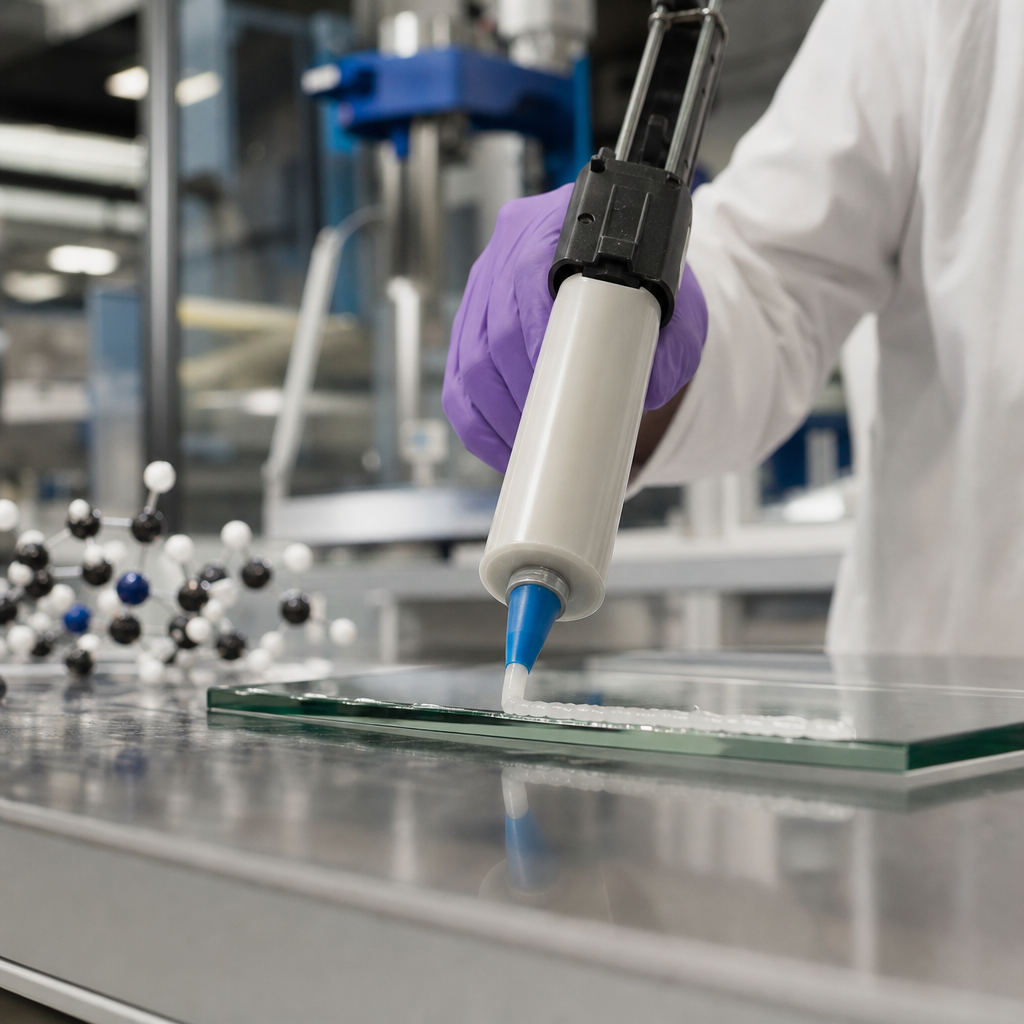
Innovations in polymers for industrial adhesives are reshaping how manufacturers bond metals, plastics, composites, glass, paper, textiles, and electronics at industrial scale. In this hub article on polymers in industrial applications, I will cover the polymer chemistries, performance tradeoffs, processing methods, and real-world use cases that now define modern adhesive systems. Industrial adhesives are engineered materials designed to join substrates through surface interaction, mechanical interlocking, and cohesive strength within the cured polymer network. Polymers are the backbone of these systems because they control viscosity, wetting, cure speed, flexibility, heat resistance, chemical durability, and long-term reliability. When engineers discuss innovation in this field, they usually mean advances in resin architecture, curing mechanisms, sustainability, automation compatibility, and application-specific performance.
This topic matters because adhesives increasingly replace welding, riveting, and mechanical fastening in automotive manufacturing, packaging, construction, aerospace, medical devices, and electronics assembly. A well-designed adhesive can reduce weight, distribute stress more evenly, seal against moisture, damp vibration, and enable joining of dissimilar materials that would be difficult to fasten conventionally. In my work with industrial materials teams, I have seen polymer selection decide whether a bond survives thermal cycling, sterilization, salt spray, impact, or years of UV exposure. The wrong polymer fails quietly through creep, embrittlement, hydrolysis, or poor adhesion to low-surface-energy plastics. The right polymer improves throughput, lowers total system cost, and expands product design freedom. That is why understanding innovations in polymers for industrial adhesives is essential for engineers, sourcing teams, plant managers, and product developers.
Core Polymer Families Used in Industrial Adhesives
The main polymer families in industrial adhesives are epoxy, polyurethane, acrylic, cyanoacrylate, silicone, polyvinyl acetate, ethylene-vinyl acetate, styrenic block copolymer, and modified polyolefin systems. Each family solves a different bonding problem. Epoxies are known for high cohesive strength, chemical resistance, low shrinkage, and excellent adhesion to metals and composites. They dominate structural bonding in aerospace, electronics encapsulation, and many automotive assemblies. Polyurethanes offer toughness, flexibility, and good adhesion across diverse substrates, making them common in panel lamination, transportation, and construction. Acrylics cure quickly and bond contaminated or difficult surfaces better than many alternatives. Cyanoacrylates provide fast fixture speed for small parts. Silicones survive extreme temperatures and weathering. Water-based vinyl and EVA systems remain critical in packaging, woodworking, labeling, and paper converting.
Recent innovation has not replaced these families; it has refined them. Toughened epoxy systems now incorporate rubber particles, thermoplastic modifiers, or core-shell particles to improve peel resistance and impact performance without sacrificing heat resistance. Moisture-curing polyurethane prepolymers are increasingly formulated for lower monomer content, addressing worker exposure concerns while maintaining assembly-line practicality. Methyl methacrylate and other acrylic technologies have improved in odor control and fixture speed, making them more attractive for transport and composites fabrication. Silicone hybrids, silane-modified polymers, and UV-curable acrylic oligomers have expanded the middle ground between flexibility, adhesion, and process speed. As a result, polymer innovation is less about a single miracle chemistry and more about tuning molecular structure for exact service conditions.
What Makes a Polymer Adhesive Perform Well
Adhesive performance depends on several linked properties: wetting, open time, green strength, cure profile, modulus, elongation, glass transition temperature, and resistance to the operating environment. Good wetting allows the adhesive to spread over the substrate and maximize molecular contact. Open time determines how long parts can remain workable before assembly. Green strength affects how quickly the bonded parts can move down the line. Cure profile governs whether the system hardens through heat, moisture, UV light, mixing of two components, or pressure-sensitive contact. Final mechanical behavior must match the application. A rigid adhesive with high modulus may provide excellent load transfer in metal brackets but crack when joining flexible plastics. A soft adhesive may absorb vibration well yet fail under high static load.
Environmental resistance is equally decisive. Industrial adhesives can face oil, brake fluid, cleaning chemicals, sterilization cycles, outdoor moisture, freeze-thaw exposure, and temperatures ranging from subzero logistics conditions to over 200 degrees Celsius in under-hood or electronics settings. Polymer structure determines how the bond withstands those conditions. Aromatic backbones often deliver strength but may yellow under UV. Ether linkages can improve flexibility and low-temperature behavior. Ester groups may be vulnerable to hydrolysis in harsh humidity unless protected by formulation choices. Crosslink density raises heat and solvent resistance but can reduce toughness. This is why polymer development is a balancing exercise. The best industrial adhesive is not the strongest on a datasheet; it is the system with the right property profile for the substrate, process, and service life.
Recent Innovations in Polymer Design and Formulation
One of the biggest advances in polymers for industrial adhesives is precision architecture. Resin producers now design oligomers and prepolymers with tighter molecular weight distribution, controlled functionality, and specific reactive end groups. That control improves lot-to-lot consistency and makes curing more predictable in automated production. In structural acrylics, redox initiation systems and microencapsulated catalysts support faster cure with longer workable time. In epoxies, latent curing agents enable one-component products that remain stable in storage but cure rapidly when heated. For electronics, low-ionic formulations reduce the risk of corrosion and leakage current. For transportation, hybrid epoxy-polyurethane systems combine structural strength with impact tolerance that was once difficult to achieve in a single chemistry.
Nanomaterials and specialty fillers have also expanded performance. Silica nanoparticles can raise modulus and scratch resistance while maintaining clarity in some formulations. Aluminum oxide and boron nitride fillers improve thermal conductivity in adhesives used for battery modules, power electronics, and LED assemblies. Toughening agents reduce crack propagation in dynamic loading. Flame-retardant packages help adhesives meet standards such as UL 94 in electrical applications. Bio-based feedstocks are another area of active development. Some polyurethane polyols now incorporate renewable content from castor oil or other plant-derived sources, and certain polyester or acrylic systems include partially bio-based monomers. These are not universal substitutes for petrochemical resins yet, but they demonstrate how sustainability targets are influencing industrial polymer development without ignoring performance requirements.
| Polymer family | Primary strengths | Typical limitations | Common industrial uses |
|---|---|---|---|
| Epoxy | High strength, chemical resistance, low shrinkage | Brittleness unless toughened, longer cure in some systems | Composites, electronics, structural metal bonding |
| Polyurethane | Flexibility, impact resistance, broad substrate adhesion | Moisture sensitivity during processing, variable heat resistance | Panels, transportation, construction, footwear |
| Acrylic | Fast cure, good adhesion to prepared and lightly oily surfaces | Odor, exotherm, lower heat resistance than some epoxies | Vehicle assemblies, signage, composites |
| Silicone | High temperature stability, weathering resistance, flexibility | Lower structural strength, slower cure in thick sections | Sealing, electronics, glazing, gasketing |
| EVA/PVA | Cost-effective, easy processing, strong paper and wood bonding | Lower durability in harsh heat or moisture | Packaging, bookbinding, woodworking |
Processing Technologies and Manufacturing Compatibility
In industrial practice, adhesive innovation succeeds only when it fits the production environment. A polymer may look excellent in lab testing and still fail commercially if it clogs nozzles, requires impractical surface preparation, or cannot meet takt time. Hot-melt systems based on EVA, polyolefin, polyamide, polyurethane reactive chemistries, and styrenic block copolymers have evolved significantly because manufacturers need speed. Reactive polyurethane hot melts are a good example. They apply like thermoplastics for immediate handling strength, then moisture-cure into thermoset networks with improved heat and chemical resistance. This dual-stage behavior has made them valuable in furniture assembly, automotive interiors, textile lamination, and electronics component fixation.
Automation has pushed formulators to improve rheology control, pumpability, and cure robustness. In bead application for automotive body assembly, the adhesive must hold shape, resist sag, and cure consistently through paint-shop ovens. In electronics dispensing, viscosity and thixotropy must remain stable to avoid voids and contamination. UV-curable acrylates and cationic epoxies support very high throughput where line-of-sight exposure is possible, such as optical bonding, display assembly, and medical device manufacturing. Water-based polymer dispersions remain important where low volatile organic compound emissions and easy cleanup are priorities, especially in paper, packaging, and woodworking. The broader lesson is clear: polymer innovation in industrial adhesives is inseparable from equipment compatibility, environmental controls, and process economics.
Applications Across Major Industries
Automotive manufacturing shows the clearest case for advanced polymer adhesives. Modern vehicles use structural adhesives to bond body-in-white components, hem flanges, battery housings, glass, trim, and composite panels. These polymers help reduce vehicle mass and improve crash energy management by spreading loads across a bonded area instead of concentrating stress at spot welds. Electric vehicles add another layer of demand. Adhesives in battery packs must provide bonding, gap filling, thermal management, dielectric performance, and flame resistance. Epoxy and polyurethane systems filled with thermally conductive particles are now common in module and pack assembly, while silicone materials serve where flexibility and heat stability are critical.
Electronics is another fast-moving sector. Miniaturized components generate more heat in smaller spaces, so adhesive polymers increasingly function as structural, thermal, and electrical management materials at once. Underfills protect solder joints in flip-chip packaging. Conformal coatings based on acrylic, silicone, urethane, or epoxy chemistries protect assemblies from moisture and contaminants. Optically clear adhesives support touch panels and displays, where haze, yellowing, and outgassing must be tightly controlled. In building and construction, silane-modified polymers and silicone technologies are widely used for façade sealing, flooring, insulated panels, and glazing because they handle weathering and joint movement better than rigid systems. Packaging remains a high-volume adhesive market as well, with metallocene polyolefin and improved EVA hot melts delivering cleaner running, lower application temperatures, and better adhesion on coated substrates.
Testing, Standards, and Bond Reliability
Reliable industrial bonding depends on testing under realistic conditions, not just supplier datasheets. Common evaluations include lap shear, T-peel, cleavage, impact, fatigue, creep, hardness, differential scanning calorimetry, dynamic mechanical analysis, and environmental aging. Surface energy measurement, contact angle, and microscopic failure analysis often reveal why a bond underperforms. A cohesive failure inside the adhesive usually means the substrate adhesion was adequate, while adhesive failure at the interface points to contamination, insufficient wetting, or poor surface chemistry match. In regulated sectors, standards matter. Automotive programs may reference OEM-specific protocols. Aerospace work often aligns with stringent qualification procedures. Electronics manufacturers may look to IPC guidance, UL flammability ratings, and thermal cycling benchmarks.
Surface preparation remains foundational despite advances in polymer chemistry. Abrasion, solvent cleaning, plasma treatment, corona treatment, primers, and controlled pretreatments are often the difference between laboratory success and field failure. Low-surface-energy plastics such as polypropylene and polyethylene still challenge many adhesive systems, which is why specialized polyolefin primers or modified acrylic technologies are used. Galvanized steel, anodized aluminum, glass-filled nylon, and carbon fiber composites each introduce distinct bonding behaviors. I have seen teams lose months chasing a better adhesive when the real issue was inconsistent surface condition from upstream processing. The best polymer technology cannot fully compensate for poor preparation, uncontrolled bond-line thickness, or an assembly process that exceeds the adhesive’s designed working window.
Sustainability, Safety, and the Future of Polymer Adhesives
Sustainability in industrial adhesives is moving from marketing claim to engineering requirement. Customers increasingly ask about volatile organic compounds, hazardous monomer content, worker exposure, recyclability, and life-cycle impact. That pressure is changing polymer design. Low-VOC water-based systems continue to displace solvent-borne products where performance allows. Reactive hot melts reduce energy use by enabling lower application weights and fast processing. Safer epoxy hardeners, lower-free-monomer polyurethane systems, and reduced-odor acrylics address occupational health concerns without sacrificing industrial utility. Another important shift is debonding on demand. Researchers and commercial suppliers are developing adhesives that release under heat, electrical trigger, or chemical stimulus, which can improve repairability and end-of-life disassembly for electronics, vehicles, and appliances.
Looking ahead, the most important innovations in polymers for industrial adhesives will come from convergence. Material scientists are combining structural bonding, thermal management, sealing, conductivity control, flame resistance, and sustainability targets in single adhesive platforms. Digital tools are accelerating formulation screening, while inline sensors and machine vision improve process control on the factory floor. Even so, fundamentals still govern success. Select the polymer family based on substrate chemistry, loading mode, service environment, and manufacturing constraints. Validate with realistic testing, not optimistic assumptions. If you are building out your understanding of polymers in industrial applications, use this page as your hub and then go deeper into individual adhesive chemistries, case studies, and sector-specific bonding challenges. Better polymer choices lead directly to stronger products, cleaner processes, and more resilient industrial performance.
Frequently Asked Questions
1. What polymer innovations are having the biggest impact on industrial adhesives today?
The most important innovations are coming from the way polymer structure is being tailored for specific performance targets rather than relying on one-size-fits-all adhesive chemistries. Advanced acrylics, polyurethanes, epoxies, silicones, modified polyolefins, cyanoacrylates, and hybrid systems are all being reformulated at the molecular level to improve bond strength, flexibility, heat resistance, chemical durability, cure speed, and processability. In practical terms, that means manufacturers can now select adhesive systems designed for highly specific combinations of substrates and service environments, whether they are bonding lightweight composites in transportation, sealing electronics against moisture, or laminating films in packaging.
Another major shift is the rise of hybrid and functionalized polymers. These systems combine the strengths of multiple chemistries, such as the toughness of polyurethane with the weatherability of silicone or the rapid cure of acrylics with improved adhesion to low-surface-energy plastics. Functional groups are being engineered into polymer backbones or added through grafting and copolymerization so adhesives can form stronger interactions with metals, plastics, glass, textiles, and coated surfaces. This is especially valuable in industrial environments where mixed-material assemblies are now common.
Innovations in reactive hot melts, UV-curable systems, moisture-curing polymers, and low-VOC formulations are also reshaping production lines. These technologies help reduce energy use, shorten assembly times, and support cleaner manufacturing. At the same time, polymer scientists are improving rheology control, open time, and cure profiles so adhesives perform reliably in automated dispensing, roll coating, spray application, and high-speed laminating. The biggest impact, in short, is that modern polymer innovation is making industrial adhesives more specialized, more efficient, and more compatible with current manufacturing demands.
2. How do different polymer chemistries affect adhesive performance and substrate compatibility?
Polymer chemistry is the foundation of adhesive behavior, because the polymer determines how the material wets a surface, how it cures, how much stress it can absorb, and how it performs over time. Epoxies, for example, are known for strong structural bonding, excellent chemical resistance, and high mechanical strength, which makes them valuable for metals, composites, and demanding industrial assemblies. However, they can be relatively rigid, so they are not always ideal where flexibility or peel resistance is the top priority. Polyurethanes, by contrast, often provide a better balance of toughness and elasticity, making them useful for substrates that expand, contract, or experience vibration.
Acrylic adhesives are widely valued for fast cure, strong adhesion to a variety of materials, and good environmental resistance. They are often used when production speed matters and when bonding dissimilar substrates is common. Silicones stand out for temperature stability, flexibility, and weather resistance, which is why they are common in electronics, glazing, and applications exposed to thermal cycling. Hot-melt systems, often based on EVA, polyolefins, polyamides, or reactive polyurethane chemistry, are chosen for rapid setting and high-throughput manufacturing. Pressure-sensitive adhesives rely heavily on polymer viscoelasticity, so the chemistry must be carefully tuned for tack, peel, and shear performance.
Compatibility with substrates depends on surface energy, porosity, roughness, cleanliness, and chemical composition. Metals generally require strong adhesion along with corrosion resistance and durability under load. Plastics can be more challenging, especially low-surface-energy materials such as polyethylene and polypropylene, which often need specially modified polymers, primers, or surface treatment. Glass favors chemistries that can maintain adhesion despite moisture and temperature shifts. Composites introduce further complexity because the adhesive must often bond to resin-rich, fiber-reinforced, or coated surfaces. Selecting the right chemistry is therefore not just about strength on a data sheet; it is about matching polymer properties to substrate behavior, process conditions, and end-use stresses.
3. What performance tradeoffs do manufacturers need to consider when selecting polymer-based industrial adhesives?
Every adhesive formulation involves tradeoffs, and one of the most important advances in polymer science is simply making those tradeoffs easier to manage. A manufacturer may want extremely high strength, but if that comes with brittleness, the bond can fail under impact, vibration, or differential thermal expansion. Likewise, a very flexible adhesive may absorb movement well but may not deliver the same level of static load-bearing performance as a more rigid structural system. The ideal balance depends on whether the application prioritizes shear strength, peel resistance, elongation, fatigue durability, temperature performance, or chemical resistance.
Cure behavior is another major consideration. Fast-curing adhesives improve throughput and reduce work-in-progress inventory, but they may offer less assembly time or require tighter process control. Slower-curing systems can provide better wet-out and easier positioning, yet they may delay downstream handling. Viscosity and flow also matter. A low-viscosity adhesive may penetrate porous materials and wet fine surfaces effectively, but it can run or spread too easily in vertical applications. A higher-viscosity material may stay where it is placed, though it may be harder to dispense or may not fully wet intricate geometries.
Durability tradeoffs are equally important. Adhesives exposed to moisture, solvents, UV radiation, or repeated heating and cooling need polymer systems specifically designed for those environments. Some chemistries excel in indoor structural applications but degrade in outdoor exposure. Others maintain flexibility at low temperatures but soften under heat. There are also sustainability and regulatory tradeoffs, including VOC limits, hazardous ingredient restrictions, worker safety requirements, and recyclability goals. In industrial settings, the best adhesive is rarely the one with the single highest headline property; it is the one whose polymer design delivers the most reliable all-around performance for the actual manufacturing process and service environment.
4. How are new polymer technologies improving adhesive processing and manufacturing efficiency?
New polymer technologies are improving manufacturing efficiency by making adhesives easier to apply, faster to cure, and more predictable in automated production environments. One of the clearest examples is the development of reactive hot-melt systems, which combine the speed of thermoplastic application with the long-term performance of chemical crosslinking. These adhesives are applied in a molten state for immediate green strength, then continue reacting after application to build final bond performance. That combination is especially useful in wood products, automotive interiors, textiles, and assembly operations that need both fast handling and durable end-use properties.
UV-curable and light-activated polymer systems are also advancing process efficiency, particularly in electronics, medical devices, and precision assembly. They allow manufacturers to position parts accurately and then trigger rapid cure on demand, which reduces cycle time and supports high-speed inline production. Moisture-curing and two-part adhesive technologies have also improved through better formulation control, enabling more consistent cure profiles, stronger adhesion, and reduced sensitivity to process variation. In addition, rheology modifiers and polymer architecture design are helping adhesives maintain stable dispensing behavior across different temperatures, line speeds, and equipment setups.
From a factory operations standpoint, polymer innovation is also reducing waste and maintenance burdens. Cleaner-running formulations can minimize stringing, charring, nozzle buildup, and inconsistent bead formation. Improved shelf stability and pot life help reduce material loss. Lower-temperature processing can cut energy consumption and reduce thermal stress on sensitive substrates. Water-based and low-emission polymer systems support safer work environments and regulatory compliance without sacrificing too much performance. Altogether, these improvements mean adhesive technologies are no longer viewed only as bonding materials; they are increasingly treated as process enablers that help manufacturers increase throughput, improve quality control, and lower total production costs.
5. Where are advanced polymer adhesives being used most effectively in real-world industrial applications?
Advanced polymer adhesives are now critical across a wide range of industries because they allow designers and manufacturers to join materials that would be difficult, costly, or damaging to assemble with mechanical fasteners or welding alone. In automotive and transportation, they are used to bond mixed-material structures that include steel, aluminum, plastics, and composites. This supports lightweighting, noise reduction, crash performance, and corrosion management. In aerospace, high-performance epoxies and other structural polymers are used for composite bonding, interior assemblies, and applications where weight savings and durability are essential.
In electronics, polymer adhesives are used for component attachment, potting, encapsulation, thermal management, and environmental sealing. These applications demand precise control over flexibility, dielectric behavior, thermal conductivity, and resistance to moisture and chemicals. In construction and glazing, silicones, polyurethanes, acrylics, and hybrid systems are used for sealing, panel bonding, insulation assemblies, and façade systems that must tolerate weather exposure and building movement. Packaging and converting operations rely heavily on hot melts, water-based systems, and specialty laminating adhesives to deliver fast line speeds, consistent bonds, and compatibility with paper, films, foils, and coated substrates.
Textiles, footwear, medical products, woodworking, renewable energy systems, and consumer goods manufacturing are also seeing major benefits. In textiles and footwear, adhesives help create lighter, more flexible assemblies while reducing sewing or mechanical fastening steps. In medical and hygiene products, polymer formulations are optimized for skin compatibility, sterilization resistance, and controlled adhesion. In solar panels, batteries, and other energy-related applications, adhesives play important roles in sealing, insulation, thermal management, and structural support. What unites all of these examples is that advances in polymer chemistry are