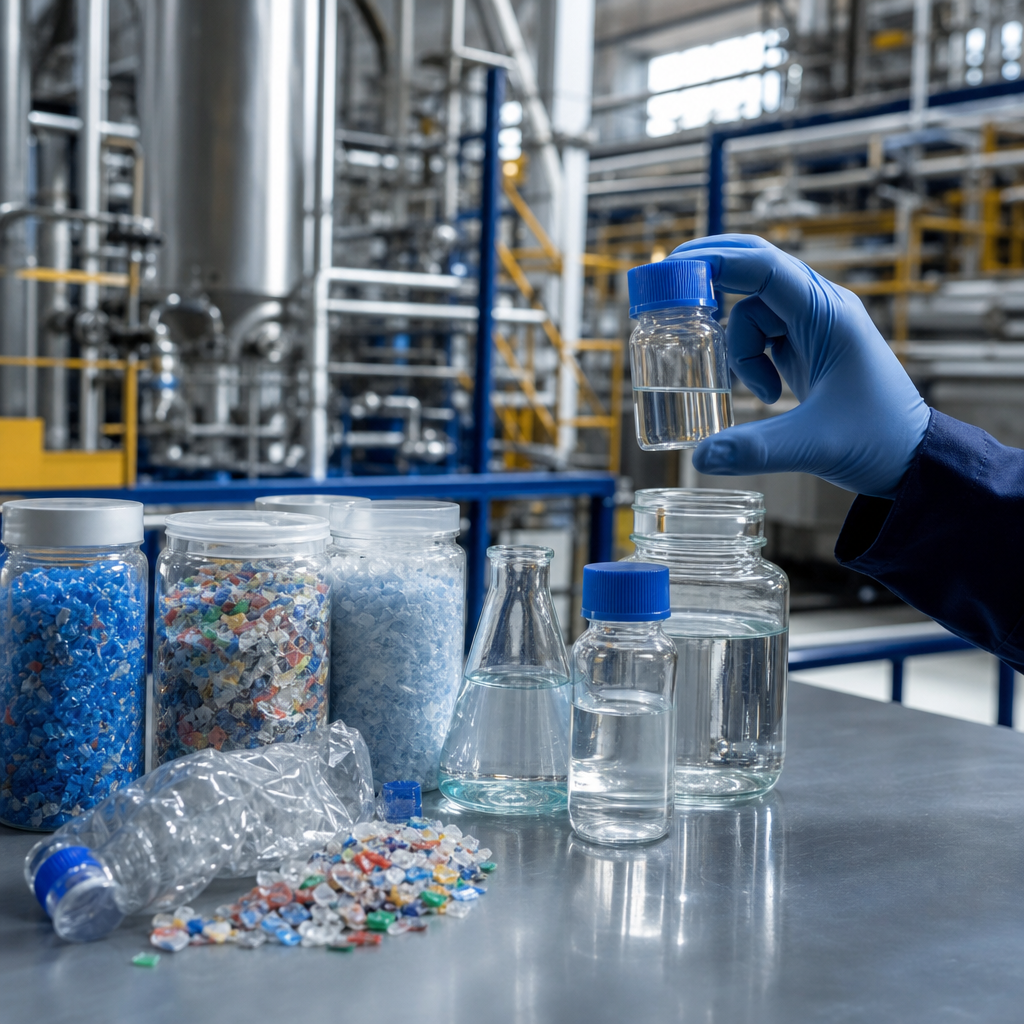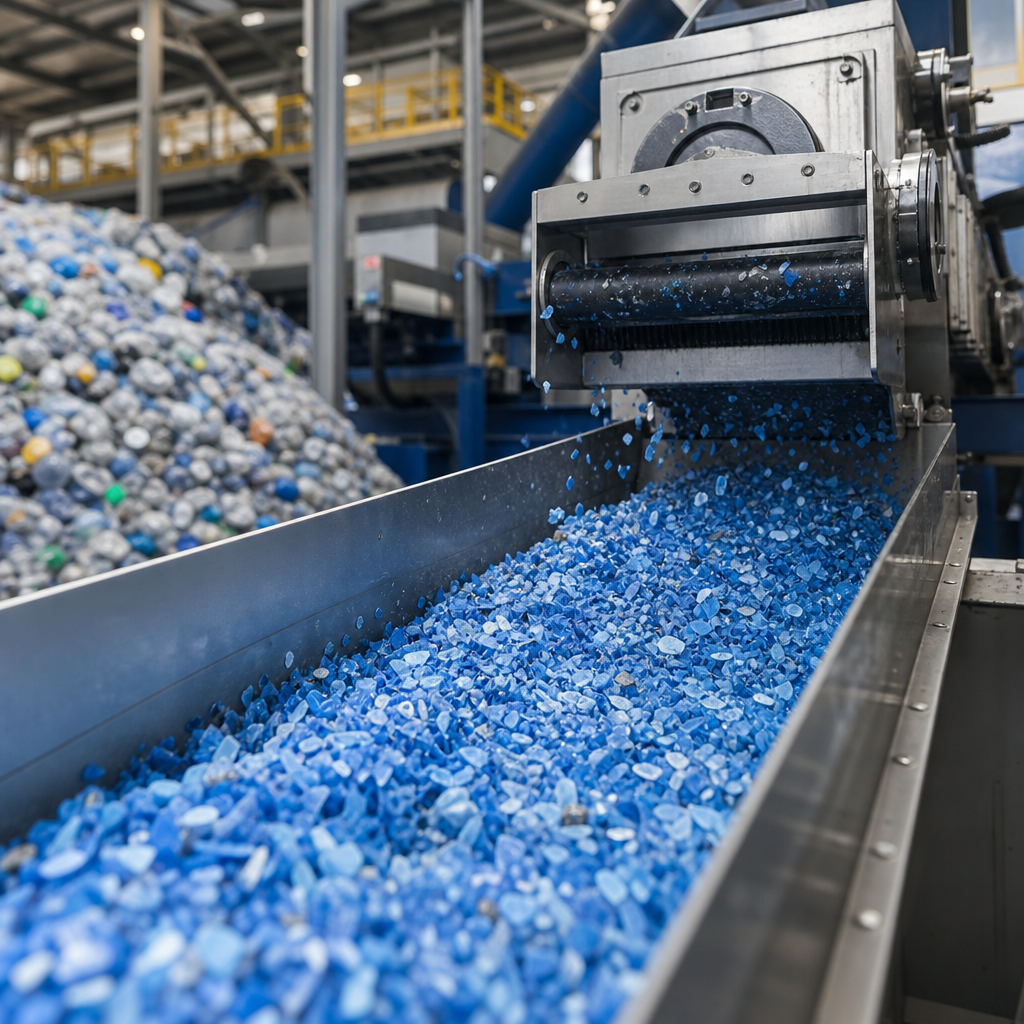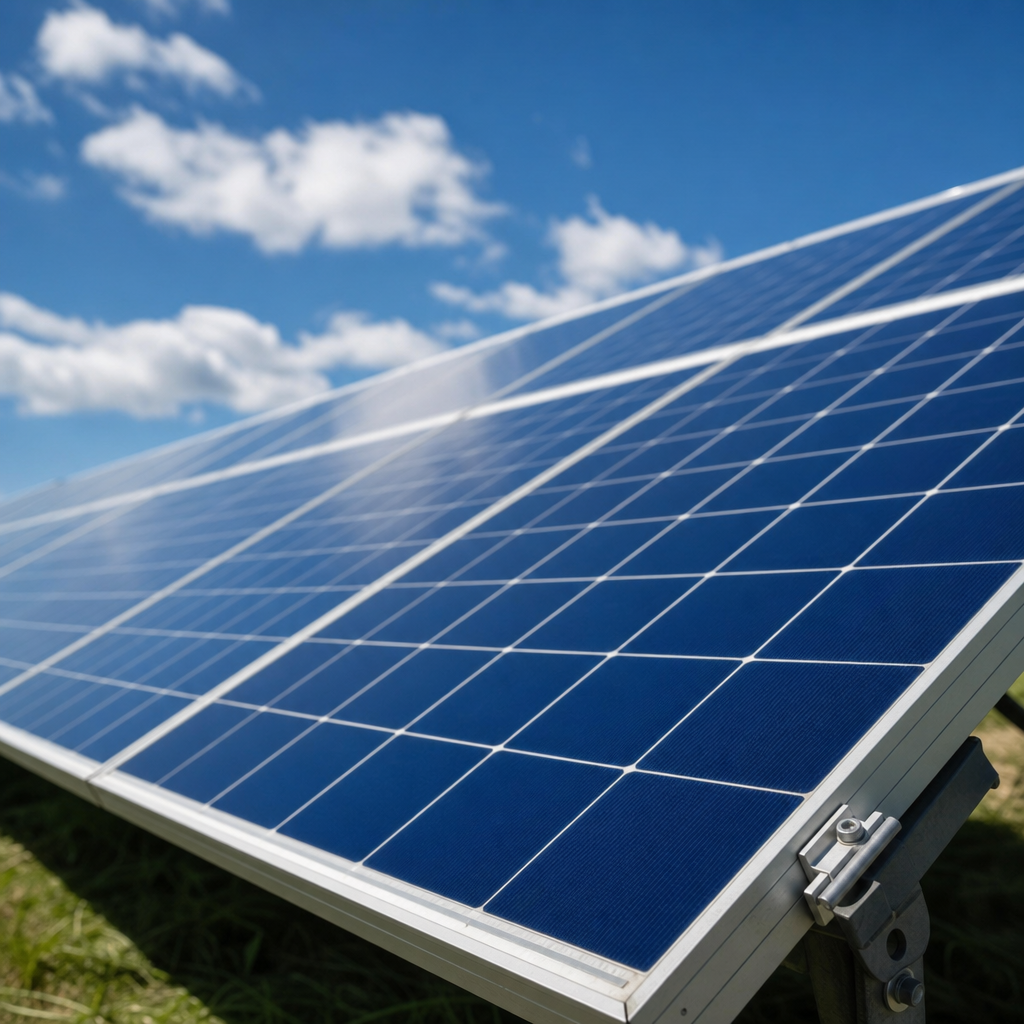
Polymers have become essential materials in photovoltaic cells and solar panels because they solve practical engineering problems that glass, metal, and silicon alone cannot address. In solar technology, a polymer is a large-chain molecule used as an encapsulant, backsheet, adhesive, dielectric, substrate, or active semiconductor layer, depending on the cell architecture. I have worked on solar materials reviews where the same conclusion appeared repeatedly: module efficiency matters, but durability, moisture resistance, electrical insulation, weight, and manufacturability often determine whether a design succeeds in the field. That is why polymers sit at the center of modern photovoltaic packaging and, increasingly, at the center of next-generation device design.
The use of polymers in photovoltaic cells and solar panels matters for three reasons. First, polymers protect expensive semiconductor layers from heat, humidity, oxygen, ultraviolet radiation, and mechanical shock. Second, they enable lighter, flexible, and building-integrated products that would be difficult or impossible with rigid glass-only constructions. Third, they can lower production cost through roll-to-roll coating, lamination, printing, and simplified assembly. The broader topic of polymers in high-tech and electronics includes flexible circuits, display films, dielectric layers, thermal interface materials, and semiconductor packaging, and solar is one of the clearest examples of how polymer science translates directly into commercial performance.
When people ask where polymers are used in solar panels, the short answer is almost everywhere except the metallic conductors and the main inorganic absorber. Conventional crystalline silicon modules rely on polymer encapsulants such as EVA or POE, polymer backsheets based on PET and fluoropolymers, sealants, junction box adhesives, and insulating films. Thin-film modules use additional polymer layers for lamination and barrier functions. Organic solar cells, dye-sensitized cells, and many perovskite designs go further by using polymers as active layers, hole transport materials, flexible substrates, or interfacial coatings. Understanding these roles is the key to understanding why polymers in photovoltaic cells are not secondary materials but performance-defining materials.
Why polymers are fundamental to photovoltaic module design
A solar cell converts light into electricity, but a solar panel is an outdoor electrical product expected to survive for decades. That difference explains the importance of polymers. A bare cell can produce power in the laboratory, yet without encapsulation and insulation it fails quickly under damp heat, thermal cycling, hail impact, and prolonged UV exposure. In commercial modules, polymers create the controlled environment that lets the cell operate safely across wide temperature swings while maintaining dielectric strength and optical transmission. They also absorb mechanical stress caused by different coefficients of thermal expansion between glass, silicon wafers, copper ribbons, and frames.
In practice, polymer selection is a reliability decision. During qualification testing under IEC 61215 and IEC 61730, weak polymer systems reveal themselves through yellowing, delamination, snail trails, acetic acid formation, potential-induced degradation sensitivity, cracking around busbars, and backsheet embrittlement. Engineers therefore evaluate water vapor transmission rate, adhesion retention after damp heat, volume resistivity, UV stability, glass transition behavior, and cure chemistry. From experience, module makers rarely choose a polymer on one property alone. An encapsulant with excellent transparency but poor adhesion can create voids. A low-cost backsheet with inadequate hydrolysis resistance may save money initially and create warranty losses later. In solar manufacturing, polymers are design controls, not commodity fillers.
Encapsulants: the most critical polymer layer in standard modules
The encapsulant sits above and below the solar cell, bonding the stack into a unified laminate. Its main jobs are to transmit sunlight, cushion the brittle cell, electrically insulate live parts, and block moisture ingress as much as possible. Ethylene-vinyl acetate, or EVA, remains the most widely used encapsulant because it is process-friendly, transparent, and relatively inexpensive. During lamination, EVA crosslinks and forms adhesion to glass, cells, and backsheet materials. For many years, it became the industry default because manufacturers understood its cure window and supply chain well.
EVA, however, is not perfect. It can generate acetic acid under certain aging conditions, which may contribute to corrosion in poorly designed module stacks. It also has limits in high-humidity environments and in modules where potential-induced degradation control is critical. That is why polyolefin elastomer and polyolefin plastomer formulations, often grouped as POE-based encapsulants, have gained significant market share. POE generally offers lower moisture permeability and better electrical resistivity, making it attractive for bifacial modules, TOPCon architectures, and systems deployed in hot, damp climates. In bankability reviews, I have repeatedly seen POE selected not because it is fashionable, but because leakage-current control and long-term insulation performance justify the extra material cost.
Other encapsulant chemistries appear in specialty applications. Thermoplastic polyurethane can be useful where flexibility and abrasion resistance are priorities, such as portable or curved modules. Ionomers, known for strong adhesion and toughness, have been used in premium constructions. Silicone encapsulants serve niche high-temperature or concentrator photovoltaic systems where thermal stability outweighs cost concerns. The correct choice depends on cell type, operating voltage, climate, and laminate design. For most buyers, the practical question is simple: which encapsulant keeps the module optically clear, electrically safe, and mechanically stable for the longest service life.
Backsheets, frontsheet films, and barrier polymers
If encapsulants hold the module together, backsheets protect its rear side from weather, abrasion, and electrical hazards. Traditional backsheets are multilayer laminates, often built around polyethylene terephthalate, or PET, for mechanical strength, with fluoropolymer outer layers such as PVF or PVDF for weatherability. Tedlar-based constructions became well known because fluoropolymers resist UV radiation, chemicals, and outdoor aging exceptionally well. These structures helped set the reliability benchmark for silicon modules over many installation cycles.
Backsheet failures taught the industry hard lessons about polymer aging. In hot and humid regions, some low-cost backsheets developed cracking, chalking, and insulation loss after years in service, especially when formulation quality and laminate adhesion were inconsistent. As a result, engineers now pay close attention to hydrolysis resistance, UV stabilizer packages, and field data from desert, tropical, and high-irradiance environments. Newer coextruded polyolefin backsheets reduce fluoropolymer content or eliminate it altogether, improving recyclability and lowering cost, but they must still prove long-term performance under accelerated and real-world exposure.
Flexible and thin-film modules may replace glass with polymer frontsheet films. Here, barrier performance becomes decisive because oxygen and water vapor can rapidly degrade sensitive absorber layers and electrodes. Polyethylene naphthalate, PET, fluoropolymers, and multilayer barrier films incorporating inorganic coatings such as aluminum oxide or silicon oxide are used to improve lifetime. The challenge is balancing flexibility, transparency, scratch resistance, and ultra-low permeation. This same barrier-film know-how connects solar directly to the wider field of polymers in high-tech and electronics, where OLED displays, battery pouches, and semiconductor packaging face parallel moisture-control problems.
Polymers as active and functional materials in advanced solar cells
Polymers are not limited to packaging. In several photovoltaic technologies, they participate directly in charge generation or transport. Organic photovoltaic cells, or OPV, use conjugated polymers and small molecules as photoactive semiconductors. Materials such as P3HT were early workhorses, while newer donor-acceptor systems improved absorption range and charge mobility. OPV attracted attention because polymer semiconductors can be deposited by printing or coating at low temperatures on flexible substrates, opening paths to lightweight products for wearables, facades, and portable power.
Polymer materials also appear in perovskite solar cells, one of the most heavily researched next-generation platforms. In these cells, polymers may serve as hole transport layers, passivation agents, binders, dielectric modifiers, or encapsulation aids. PTAA, Spiro-OMeTAD-related systems with polymeric additives, and PMMA-based interlayers are common examples in research and pilot lines. Their function is to improve film formation, reduce interfacial defects, suppress ion migration, and enhance environmental stability. The gains can be substantial, but the tradeoff is complexity: every added polymer must remain compatible with solvents, electrodes, and thermal budgets.
In dye-sensitized and hybrid solar cells, polymer electrolytes and gel polymers have been explored to replace volatile liquid electrolytes. The goal is better sealing, safer operation, and improved mechanical integrity. Across all these technologies, the central lesson remains consistent. A polymer in a solar device is valuable when it controls interfaces, blocks degradation pathways, and can be manufactured reproducibly at scale. Laboratory efficiency alone is not enough; the polymer system must survive processing and years of outdoor use.
| Polymer or Polymer Family | Typical Solar Use | Main Advantage | Main Limitation |
|---|---|---|---|
| EVA | Encapsulant in crystalline silicon modules | Low cost, high transparency, mature processing | Can generate acidic byproducts and has higher moisture permeability than POE |
| POE | Encapsulant for bifacial and high-voltage modules | Lower moisture ingress, strong electrical insulation | Higher cost and sometimes narrower process window |
| PET-based laminates | Backsheet core layer | Mechanical strength and dimensional stability | Needs protective layers to resist UV and hydrolysis |
| Fluoropolymers | Backsheet outer layers and frontsheets | Excellent weatherability and chemical resistance | Higher material cost and recycling complexity |
| Conjugated polymers | Organic photovoltaic active layers | Printable, flexible, lightweight | Lower lifetime and lower commercial maturity |
Manufacturing, reliability testing, and field performance
Solar polymers earn their value on production lines as much as in material datasheets. Lamination temperature, vacuum time, cure kinetics, and line speed all influence final module quality. If EVA is undercured, adhesion and durability suffer; if overprocessed, optical and mechanical properties can drift. POE may need different lamination settings and careful control of crosslinking chemistry. Adhesion promoters, peroxide packages, and additive dispersion matter because a small inconsistency across thousands of modules can turn into systematic field failures years later.
Reliability testing provides the screening framework. Manufacturers commonly use damp heat exposure at 85 degrees Celsius and 85 percent relative humidity, thermal cycling, humidity-freeze, UV preconditioning, mechanical load, hail impact, and insulation resistance tests. For advanced investigations, they add PID testing, dynamic mechanical analysis, FTIR spectroscopy for chemical changes, differential scanning calorimetry, peel testing, and electroluminescence imaging. These methods reveal how polymers age, whether interfaces weaken, and whether moisture pathways are opening. In forensic reviews of failed modules, polymer discoloration and interfacial delamination are often easier to see than the electrical root cause, but they usually point directly to it.
Field performance depends heavily on climate. Desert installations demand UV resistance, sand abrasion tolerance, and thermal stability. Coastal projects stress corrosion resistance and moisture protection. Floating solar adds hydrolytic and humidity stress. Rooftop systems face repeated thermal cycling and mechanical loads from wind uplift. For this reason, the best polymer package for one region is not automatically the best for another. Bankable module design matches polymer chemistry to environmental exposure, installation style, and target service life.
How polymers support flexible, lightweight, and integrated solar products
One of the biggest strategic benefits of polymers in photovoltaic cells and solar panels is design freedom. Glass-glass modules are robust, but they are heavy and rigid. Polymer films allow lighter laminates, bendable modules, semi-transparent products, and integration into surfaces that cannot carry traditional framed panels. Building-integrated photovoltaics, vehicle roofs, portable chargers, agricultural tunnels, and sensor power supplies all benefit from polymer-based constructions because these markets value low weight, formability, and impact resistance.
I have seen flexible solar product development succeed when engineers treat the polymer stack as the core technology rather than as packaging added at the end. The substrate, encapsulant, barrier film, adhesive, and conductive ink must work together. A flexible module can survive bending in the factory and fail after a year outdoors if the neutral axis is poorly designed or if the barrier film microcracks. Good products emerge from disciplined materials integration: matching modulus, controlling moisture ingress, and validating fatigue resistance under realistic bending radii.
This is why this topic serves as a hub within polymers in high-tech and electronics. The same competencies used in flexible displays, printed electronics, e-mobility insulation, and advanced sensor packaging also drive innovation in solar modules. Anyone studying electronic polymers should understand photovoltaic applications because they combine optics, electrical insulation, adhesion, weathering, thermal management, and manufacturability in one product class.
Sustainability, recycling, and future material trends
Polymers improve solar performance, but they also complicate end-of-life handling. Encapsulation is designed to be permanent, which makes module disassembly difficult. Fluoropolymer backsheets can challenge recycling streams, and crosslinked encapsulants are not easily separated from glass and cells. As recycling regulations tighten in Europe and other regions, manufacturers are rethinking laminate architecture. Thermoplastic encapsulants, fluorine-free backsheets, debondable adhesives, and design-for-disassembly concepts are gaining attention because they can reduce processing cost at end of life.
Future material trends point in several directions. First, low-permeation encapsulants and edge-seal systems will become more important as higher-efficiency cell architectures grow more sensitive to moisture and sodium contamination. Second, polymer barrier films will be critical for scaling perovskite-silicon tandems and flexible modules. Third, recyclable and halogen-reduced formulations will attract more investment as procurement teams weigh environmental compliance alongside performance. Fourth, digital quality control using inline imaging and process analytics will help manufacturers detect polymer-related defects before lamination locks them into the module.
The main takeaway is clear: polymers are indispensable to photovoltaic cells and solar panels because they protect devices, enable new form factors, and increasingly shape efficiency, reliability, and lifetime economics. From EVA and POE encapsulants to PET backsheets, fluoropolymer weather layers, and semiconducting polymers in emerging cells, these materials determine whether solar products can be manufactured at scale and survive outdoors for decades. If you are exploring case studies and applications in polymers in high-tech and electronics, start with solar. It is one of the most practical, evidence-rich examples of polymer science delivering measurable value. Review your current materials stack, compare it against field conditions, and prioritize polymer choices as seriously as cell efficiency.
Frequently Asked Questions
What role do polymers play in photovoltaic cells and solar panels?
Polymers play multiple critical roles in photovoltaic cells and solar panels, and their importance goes far beyond simply acting as “plastic parts.” In solar module construction, polymers are used as encapsulants, backsheets, edge seals, adhesives, dielectric layers, flexible substrates, and, in some types of emerging solar cells, even as active semiconductor materials. Each of these functions addresses a practical engineering need that traditional materials such as glass, metal, and silicon cannot solve as effectively on their own.
One of the most important jobs polymers perform is environmental protection. Solar cells are electrically active and highly sensitive to moisture, oxygen, ultraviolet radiation, dirt ingress, and mechanical stress. Encapsulant polymers such as EVA, POE, and related materials surround and cushion the cells, helping protect them from impact, vibration, and thermal cycling while also maintaining optical transparency so sunlight can still reach the semiconductor. In the backsheet, polymers provide electrical insulation and barrier performance, helping isolate the module from weather and external electrical hazards.
Polymers also improve manufacturability. They can be laminated at industrial scale, formed into thin films, tailored for adhesion to dissimilar surfaces, and engineered for specific thermal, optical, or electrical behavior. This design flexibility is essential because solar panels operate outdoors for decades under fluctuating temperatures, humidity, and solar exposure. In short, polymers are indispensable because they make photovoltaic systems more durable, safer, lighter, and more adaptable, while supporting long-term performance in real-world operating conditions.
Why are polymers so important for the durability and lifespan of solar panels?
Durability is one of the main reasons polymers are central to modern solar module design. A photovoltaic module may be expected to perform for 25 years or more, often in harsh outdoor environments that include heat, cold, humidity, UV exposure, wind loading, and repeated thermal expansion and contraction. While the solar cells themselves generate electricity, the surrounding polymeric materials are often what determine whether the entire module can survive these conditions without serious loss of performance.
Encapsulant polymers absorb mechanical stress and help prevent cracks in brittle silicon cells. They also reduce the risk of delamination, corrosion, and moisture ingress, all of which can degrade power output over time. Backsheet polymers must maintain insulation integrity, resist weathering, and withstand prolonged UV and thermal exposure without becoming brittle or allowing electrical faults. Adhesive and sealing polymers are equally important because weak interfaces can allow water penetration or create pathways for failure under repeated environmental cycling.
The key point is that module efficiency on day one is only part of the story. Long-term field performance depends heavily on whether polymer materials retain their properties over decades. If an encapsulant yellows, optical transmission falls. If a backsheet cracks, electrical insulation and environmental protection can be compromised. If adhesion weakens, delamination can spread and expose cells to moisture. That is why polymer selection is treated as a major reliability decision in solar engineering. The best polymer systems do not just help panels pass laboratory tests; they support stable output, safety, and bankable service life under real operating conditions.
Which polymers are commonly used in solar panels, and what does each one do?
Several polymer families are widely used in photovoltaic modules, and each is selected for a specific function. One of the best-known is EVA, or ethylene-vinyl acetate, which has long been used as an encapsulant. EVA is valued for its transparency, processability, adhesion, and ability to cushion solar cells during lamination. Another increasingly important encapsulant is POE, or polyolefin elastomer, which is often chosen for its improved moisture resistance and electrical performance, especially in advanced module designs such as bifacial panels or systems operating in challenging climates.
Backsheets often use multilayer polymer structures. These may include fluoropolymers for weather resistance on the outer surface and polyester or other engineering polymers in structural layers. Fluoropolymer-containing backsheets are known for strong UV resistance and environmental durability. Polyester-based films, particularly PET, are commonly used because they offer mechanical strength, dimensional stability, and useful electrical insulation when properly protected in multilayer constructions. In some designs, manufacturers are replacing traditional backsheets with glass-glass configurations, but even then polymers remain essential in encapsulation, sealing, and electrical isolation.
In thin-film and flexible photovoltaics, polymers can also serve as substrates and dielectric layers. Polyimide and related high-performance polymers are used where thermal stability and flexibility are required. Conductive or semiconducting polymers appear in organic photovoltaics and hybrid solar technologies, where they may transport charge or participate directly in light absorption. So while the exact material set depends on the panel architecture, the broader pattern is clear: different polymers are chosen because they offer a specific combination of optical clarity, adhesion, insulation, chemical resistance, flexibility, thermal stability, and long-term durability.
Are polymers used only as protective materials, or can they also help generate electricity in solar cells?
Polymers are not limited to passive protective roles; in some photovoltaic technologies, they can also contribute directly to electricity generation. In conventional crystalline silicon solar panels, polymers are mostly used around the active cell rather than as the primary photoactive material. Their main functions there are encapsulation, insulation, adhesion, and structural support. However, in other solar cell architectures, especially organic photovoltaics, semiconducting polymers can serve as active layers that absorb light and help convert it into electrical energy.
These active polymers are designed with conjugated molecular structures that allow charge carriers to move through the material. Researchers tailor their chemistry to improve light absorption, energy-level alignment, charge mobility, and film formation. In an organic solar cell, a polymer donor material is often paired with an acceptor material to create a junction where photo-generated charges can separate and be collected. This is very different from the role of encapsulants or backsheets, but it demonstrates how versatile polymers can be in solar technology.
That said, active polymer solar cells are generally associated with different performance and stability tradeoffs compared with mainstream silicon modules. They can offer advantages such as low-weight construction, flexibility, tunable processing, and compatibility with roll-to-roll manufacturing. Their challenges often include lower long-term stability and, depending on the system, lower commercial maturity. So the answer is yes: polymers can absolutely be part of the electricity-generating mechanism, but whether they act as protective materials, functional interfaces, or active semiconductors depends on the specific photovoltaic technology being used.
How do engineers choose the right polymer for a solar panel application?
Choosing the right polymer for a solar panel application is a materials engineering decision that balances performance, reliability, manufacturing compatibility, cost, and expected field conditions. Engineers do not evaluate a polymer based on a single property. Instead, they look at an entire profile that may include optical transmission, UV resistance, moisture barrier performance, adhesion, dielectric strength, thermal stability, mechanical flexibility, resistance to yellowing, compatibility with other module layers, and long-term behavior under accelerated aging tests.
For example, an encapsulant must transmit as much sunlight as possible while also bonding well to glass, cells, and other internal components. It must remain stable during lamination and continue protecting the cells after years of UV exposure and thermal cycling. A backsheet material must provide reliable electrical insulation and weather resistance, while also resisting cracking and hydrolysis. In flexible modules, substrate polymers must withstand bending without losing dimensional stability or damaging deposited electronic layers. In advanced cell architectures, engineers may also need polymers with controlled electrical properties, low ion mobility, or improved resistance to potential-induced degradation.
Climate and module design matter as well. A polymer that performs adequately in a mild environment may not be suitable in hot, humid, high-UV, desert, coastal, or high-voltage installations. That is why validation typically involves laboratory aging, damp heat testing, UV exposure, thermal cycling, mechanical load testing, and interface analysis, not just initial property measurements. The best polymer choice is the one that supports the full life of the solar product, not merely the easiest or cheapest option for manufacturing. In practice, engineers select polymers because they solve very specific failure risks while preserving efficiency, safety, and long-term economic value.