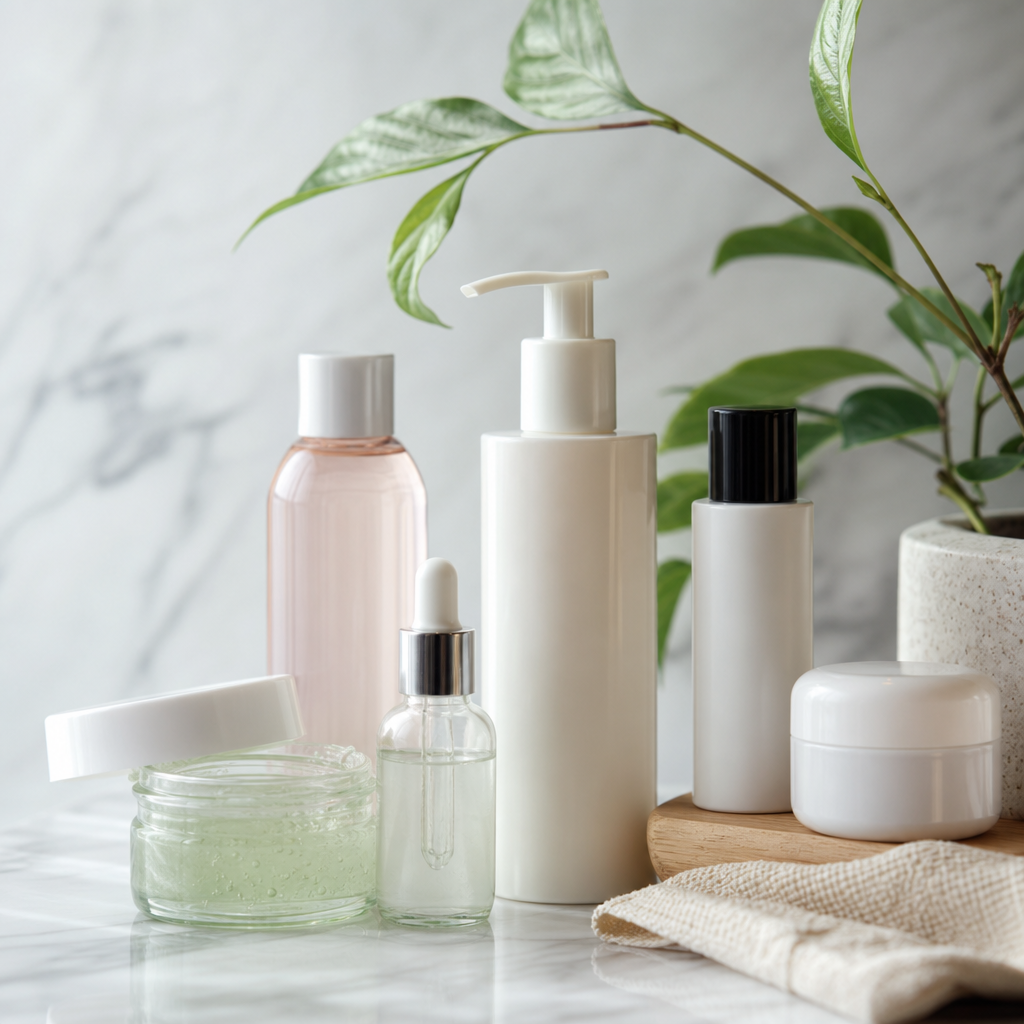
Innovations in polymers for personal care products are reshaping how shampoos cleanse, creams hydrate, sunscreens protect, and color cosmetics perform under real-world conditions. In this sub-pillar hub on polymer innovations in consumer goods, personal care deserves special attention because polymers sit behind nearly every sensory and functional attribute consumers notice first: spreadability, foam quality, film formation, wear resistance, stability, and packaging compatibility. In formulation work, I have seen a small polymer adjustment transform a sticky serum into an elegant fluid, stop a lotion from separating after heat aging, or improve pigment suspension enough to extend shelf life by months. That practical impact is why this topic matters to brand teams, chemists, sourcing managers, and manufacturers alike.
In personal care, a polymer is a large molecule built from repeating units and designed to thicken, emulsify, suspend, condition, stabilize, deliver actives, or form protective films on skin, hair, nails, or teeth. Traditional examples include carbomers, cellulose derivatives, polyquaterniums, acrylates copolymers, silicones, and polyethylene glycols. Newer innovation focuses on biodegradable rheology modifiers, bio-based film formers, microplastic-free texturizers, smarter encapsulation systems, and multifunctional polymers that reduce formula complexity. These materials matter because the market now demands high performance alongside milder sensory profiles, cleaner ingredient strategies, lower environmental impact, and compatibility with pumps, tubes, aerosols, and refill systems.
This hub article explains where polymer innovation is happening across personal care, what problems these materials solve, and how to evaluate technologies realistically. It also connects a wider consumer goods perspective: the same principles used to stabilize a facial cream often guide detergents, household cleaners, oral care products, and advanced packaging. Brands that understand polymer selection gain better claims support, more robust manufacturing, and faster scale-up. Regulators and retailers are also pushing the category toward safer, more sustainable material choices, so polymer expertise has become a commercial requirement, not just a formulation advantage.
What polymer innovation means in personal care
Polymer innovation in personal care means improving performance with measurable formulation outcomes rather than adding novelty for its own sake. The best advances deliver one or more of four results: better function, better user experience, better processability, and better sustainability. A modern styling polymer, for example, should provide hold in humidity, avoid flaking, rinse cleanly, and ideally reduce volatile organic solvent needs. A new skin care thickener should create yield value for suspension, maintain viscosity across pH drift, and leave a lighter afterfeel than older acrylic systems. In practice, innovation often comes from architecture changes such as branched backbones, associative groups, controlled charge density, or hybrid natural-synthetic designs.
These distinctions matter because personal care formulations are crowded systems. Surfactants, oils, humectants, UV filters, fragrances, preservatives, pigments, salts, and active ingredients all compete for compatibility. A polymer cannot be evaluated in isolation. I have worked on sulfate-free shampoos where a cationic deposition polymer improved combing but collapsed foam when the salt curve shifted. I have also seen natural gum blends pass benchtop viscosity targets yet fail in a piston filler because stringiness caused inconsistent dosing. Genuine innovation solves those cross-interactions, often by making one polymer perform multiple jobs and reducing the need for corrective additives.
Key roles polymers play across major product categories
Polymers are central to almost every personal care format. In skin care, they build viscosity, create serum flow, suspend beads or mineral filters, stabilize emulsions, and form breathable films that improve moisturization or long wear. In hair care, they deposit conditioning agents, boost curl definition, control frizz, provide heat protection, and anchor styling performance. In color cosmetics, they manage transfer resistance, pigment dispersion, and sensory payoff. In oral care, they support gel structure, bioadhesion, and active delivery. In antiperspirants and sunscreens, they help maintain even application and durable protection after sweating or rubbing.
The strongest formulation platforms increasingly use polymers as system designers rather than single-function ingredients. A well-chosen associative thickener can tune low-shear viscosity for package appearance while preserving high-shear spreadability during use. A cationic guar derivative can improve wet combing and support coacervate deposition in shampoo, reducing the level of separate conditioning oils. A film-forming acrylates copolymer can enhance sunscreen water resistance and keep UV filters distributed more evenly on skin, directly affecting in-use protection. For this reason, polymer choice influences claims, stability, consumer liking, manufacturing cost, and even pack selection.
Innovation areas driving market change
Several polymer innovation areas are defining the next generation of personal care products. First is bio-based sourcing. Suppliers are commercializing materials from cellulose, starch, chitosan, pullulan, alginates, fermentation-derived polysaccharides, and plant oils to reduce dependence on petrochemical feedstocks. Second is biodegradability and microplastic avoidance, especially in rinse-off applications. Third is multifunctionality: one polymer may emulsify, thicken, suspend, and enhance sensory feel. Fourth is precision delivery, where encapsulation and deposition technologies place actives more efficiently on hair, scalp, skin, or teeth. Fifth is inclusivity, meaning polymers that perform across broad hair textures, skin types, climates, and geographies.
Another major shift is formulation for modern preservation and pH systems. As brands move toward milder preservatives, lower surfactant loads, and high-active formats, classic polymer tools do not always behave as expected. New hydrophobically modified polymers, structured biopolymer networks, and tailored cationic systems are helping chemists keep products stable without sacrificing aesthetics. This is especially visible in sulfate-free shampoos, silicone-light conditioners, minimalist skin care, and hybrid makeup-skin care products. In each case, the commercial winner is rarely the most exotic polymer; it is the one that survives transport, filling, freeze-thaw stress, and consumer misuse while still feeling excellent.
| Product category | Common polymer functions | Current innovation focus | Real-world example |
|---|---|---|---|
| Shampoo and scalp care | Deposition, viscosity control, conditioning, foam support | Biodegradable cationic polymers and sulfate-free compatibility | Polyquaternium alternatives that improve combing in amino-acid surfactant systems |
| Skin care emulsions | Thickening, emulsification, suspension, sensory tuning | Bio-based rheology modifiers and polymeric emulsifiers | Cellulose-based networks replacing part of carbomer load in gel creams |
| Sunscreen | Film formation, water resistance, filter distribution | High-performance film formers with lower tack | Acrylates copolymers improving SPF durability after water exposure |
| Color cosmetics | Pigment dispersion, transfer resistance, wear, flexibility | Hybrid resins for long wear and comfortable feel | Silicone-compatible polymers used in long-lasting lip products |
| Oral care | Gel structure, adhesion, controlled release | Mucoadhesive and active-delivery polymers | Polymeric systems that extend fluoride or antibacterial contact time |
Sustainable polymers and the move beyond microplastics
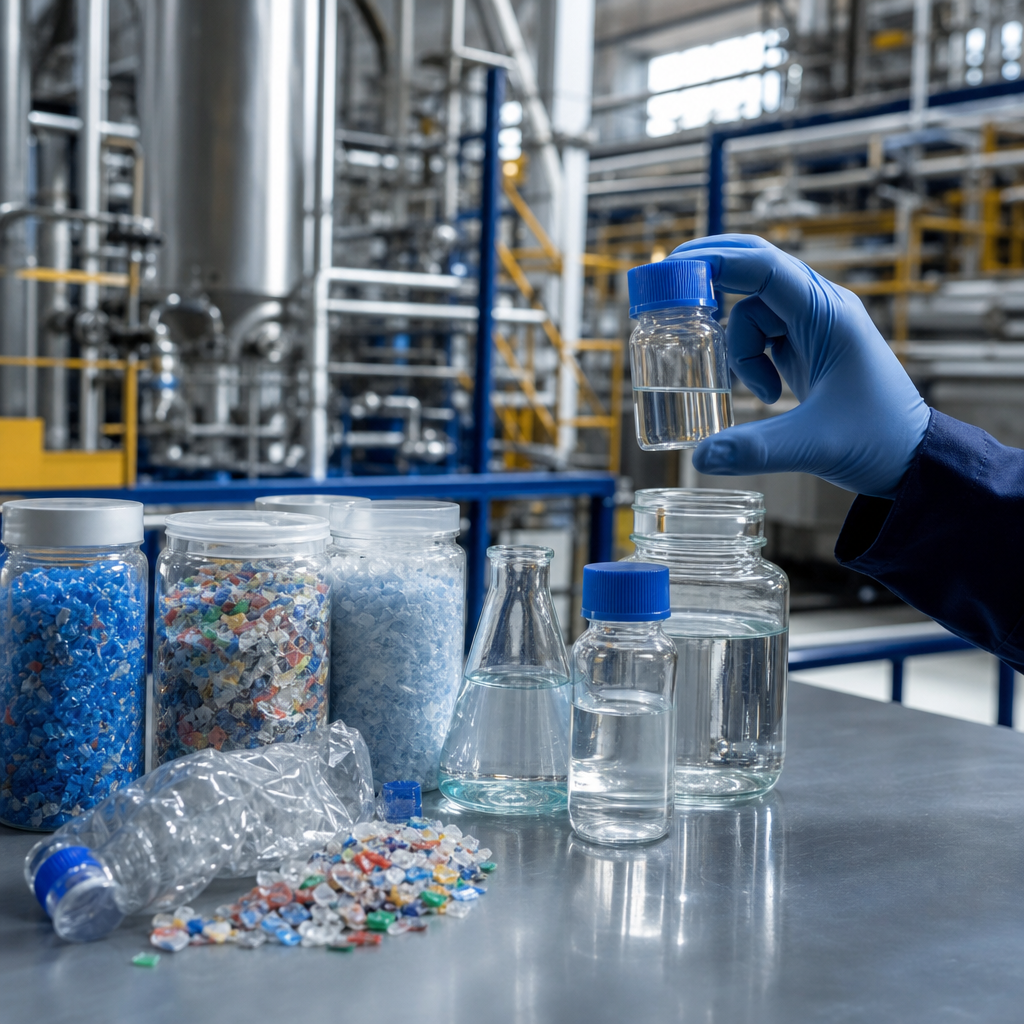
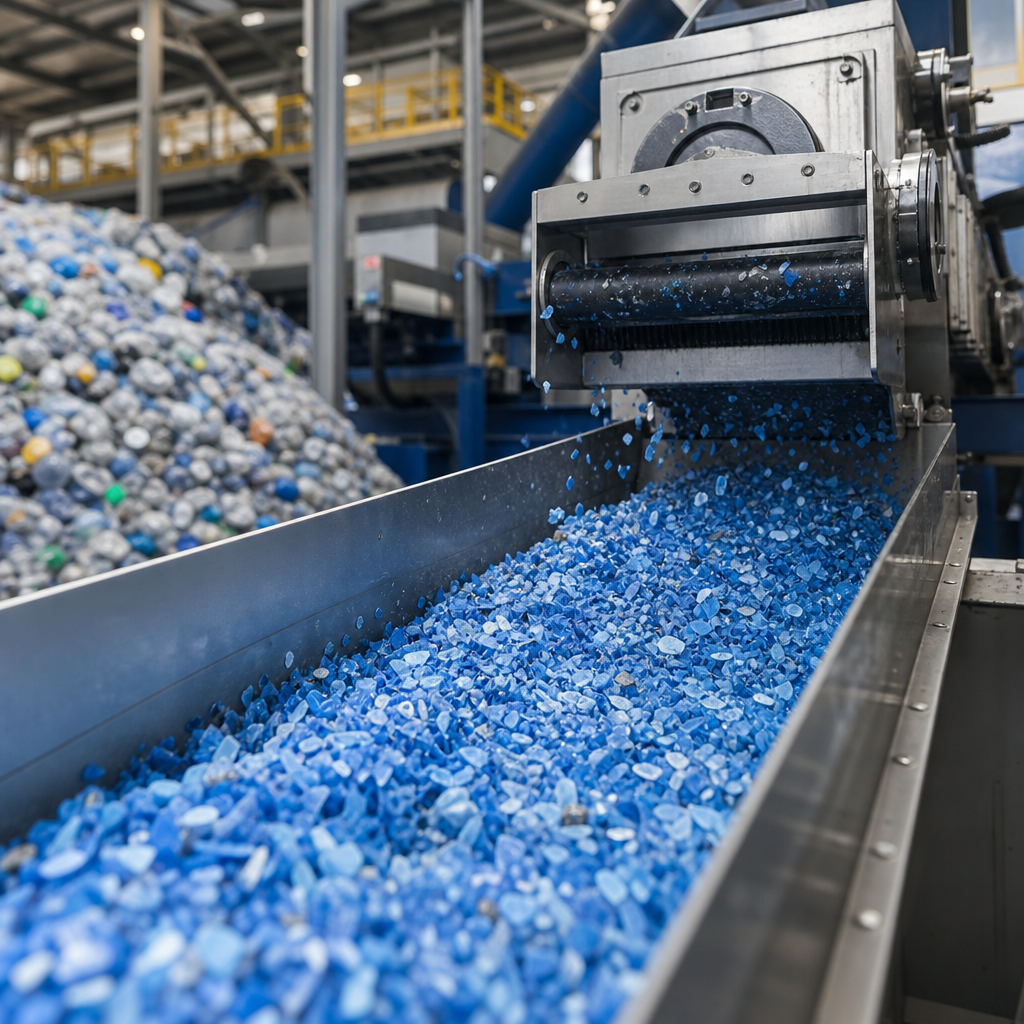
Sustainability is now a design constraint, not a marketing add-on. In Europe and other regulated markets, scrutiny around intentionally added microplastics has accelerated reformulation, especially for rinse-off products and leave-on formats containing persistent synthetic particles. That does not mean every synthetic polymer is unsuitable. The practical question is whether the material is soluble, biodegradable under relevant conditions, sourced responsibly, and justified by performance. Many brands are replacing polyethylene scrub beads with cellulose, jojoba esters, silica, or starch-based particles. More importantly, they are reviewing invisible polymers used for texture and film formation, which can be harder to replace without changing consumer experience.
In my experience, successful sustainable substitution starts with function mapping. If a polymer provides thickening, electrolyte tolerance, and suspension, a one-for-one replacement often fails because the alternative may only handle one of those jobs. Suppliers now offer xanthan-cellulose blends, sclerotium gum systems, and modified biopolymers that reduce this gap, but tradeoffs remain. Natural polymers can introduce odor, color, microbial sensitivity, or batch variability. Synthetic biodegradable options can cost more and require process changes. The right decision balances life-cycle impact, consumer acceptability, and manufacturability. Standards and supplier documentation matter here, including biodegradation data, renewable carbon content, and regional regulatory status.
High-performance polymers for skin care and sun protection
Skin care has moved well beyond simple thickening. Modern polymers in serums, creams, and sunscreen systems are expected to shape sensory perception from first pump to final afterfeel. Crosslinked acrylic polymers still offer efficient viscosity build and clarity in gels, but newer systems are reducing the soapy drag and pilling associated with some older formulas. Polymeric emulsifiers can stabilize lower-oil, lighter-feel emulsions while supporting active ingredients such as niacinamide, ceramides, and mineral UV filters. In sunscreens, film-forming polymers are critical because measured protection depends on creating a continuous, uniform layer on skin rather than allowing filters to pool or migrate.
Water resistance offers a good example of polymer value. A sunscreen may test well initially, yet lose protection quickly after sweating or swimming if its film lacks integrity. Carefully chosen acrylates copolymers, polyurethane dispersions, or silicone-based film formers can anchor UV filters and reduce wash-off. The challenge is avoiding excessive tack, whitening, or difficult removal. Premium suppliers have responded with flexible networks that hold filters in place while preserving comfort. In daily skin care, similar logic applies to anti-pollution and barrier-support claims: the polymer must form a perceptible but breathable layer, not a heavy mask. When done well, users notice smoother spread, less pilling under makeup, and more consistent wear.
Hair care polymers: conditioning, repair, and style retention
Hair care remains one of the most polymer-dependent segments in consumer goods because hair is a charged, damaged, and highly variable substrate. Cationic polymers such as polyquaterniums, guar hydroxypropyltrimonium chloride, and amodimethicone-compatible deposition aids improve wet combing and reduce friction by selectively adsorbing to damaged sites. Styling polymers including PVP, VP/VA copolymers, acrylates, and polyurethanes create hold through film formation. Newer innovations aim to deliver curl memory, humidity resistance, heat protection, and touchable feel without crunchiness or buildup. That is difficult because high hold usually increases stiffness, and strong deposition can reduce volume or speed up greasiness.
Recent progress is coming from targeted charge density and hybrid repair systems. Some polymers are engineered to deposit more evenly on damaged cuticles while minimizing heavy accumulation on healthier fiber. Others are paired with peptides, proteins, or bond-building chemistries to support repair claims. In testing, the important metrics are not just combing force and gloss; they include residue after repeated use, compatibility with surfactant systems, and performance on textured hair under humidity. I have seen a promising bench polymer fail quickly when consumers layered leave-in, oil, and styling cream. Real-world polymer selection in hair care must account for regimen behavior, not single-product performance.
Processing, testing, and scale-up considerations
A polymer that looks excellent in a lab beaker can still fail in production. Personal care manufacturers must evaluate hydration rate, order of addition, shear sensitivity, pH neutralization window, salt tolerance, and batch-to-batch reproducibility. Carbomers, for example, often require proper dispersion and neutralization to reach full viscosity, while many natural gums need controlled hydration to avoid fisheyes. Associative thickeners may show different viscosity depending on surfactant level and fragrance oil. These variables affect mixing time, tank turnover, energy use, and filling behavior. The best innovation is not just technically elegant; it is robust on standard plant equipment.
Validation should include accelerated aging, centrifuge testing, freeze-thaw cycles, package compatibility, microbial challenge, and consumer-use simulation. Rheology data are especially valuable. Flow curves, yield stress, thixotropy, and viscoelastic measurements explain whether a cream will hold suspended particles, whether a shampoo will look rich in the bottle, and whether a serum will recover after pumping. Instrumental tests should be paired with sensory panels because polymer success is often judged by drag, cushion, slip, afterfeel, and residue. Suppliers that provide formulation guidance, INCI clarity, regulatory support, and scale-up troubleshooting usually outperform vendors selling a raw material without application expertise.
How to evaluate polymer opportunities across consumer goods
As the hub for polymer innovations in consumer goods, this page connects personal care to a larger pattern. Whether the application is a detergent pod film, a home care gel, or a moisturizing cream, the evaluation framework is consistent: define the performance target, map the full function of current materials, identify regulatory and sustainability constraints, then test under realistic processing and end-use conditions. For personal care teams, that means avoiding ingredient selection based only on trend language such as natural, clean, biotech, or advanced. Those descriptors are not performance data. The useful questions are direct: What does the polymer do, under what conditions, with what limitations, and with what proof?
The strongest programs build cross-functional alignment early. Procurement needs supply security and cost visibility. Marketing needs claims that survive review. Regulatory teams need regional compliance confidence. Operations need process simplicity. Formulators need compatibility and performance. When polymer innovation is handled this way, brands launch products that are not only differentiated on shelf but durable in the market. The next step is simple: audit the polymers currently used in your personal care portfolio, identify where they drive the most complaints or sustainability pressure, and prioritize reformulation projects where a better polymer can create a measurable product advantage.
Frequently Asked Questions
What role do polymers play in personal care products?
Polymers are foundational to how modern personal care products look, feel, and perform. In shampoos, they help manage viscosity, foam stability, conditioning, and deposition of active ingredients onto the hair and scalp. In creams and lotions, they can control texture, improve spreadability, stabilize emulsions, and create a smooth, elegant skin feel. In sunscreens, polymers support even film formation, water resistance, and more uniform distribution of UV filters across the skin. In color cosmetics, they contribute to pigment dispersion, long wear, transfer resistance, flexibility, and comfort during use.
What makes polymers especially important is that they influence both functional performance and consumer perception at the same time. A product may contain effective active ingredients, but if it feels greasy, separates in the package, pills on the skin, or fails to last through daily wear, consumers are unlikely to see it as successful. Polymers bridge that gap by helping formulators design products that are stable in the bottle, easy to apply, pleasant during use, and reliable under real-world conditions such as heat, humidity, friction, and repeated handling.
They also enable more sophisticated formulation strategies. For example, one polymer may thicken a system, while another forms a breathable film, and another enhances compatibility between oil- and water-based components. This ability to fine-tune multiple performance attributes is one reason polymer innovation remains central to personal care product development.
How are new polymer innovations improving shampoos, skin care, and cosmetics?
Recent polymer innovations are making personal care formulations more targeted, multifunctional, and consumer-friendly. In hair care, newer conditioning polymers are being designed to deposit more selectively where they are needed most, such as on damaged areas of the hair fiber, without leaving excessive buildup. This can improve combability, softness, frizz control, and shine while preserving a lighter, cleaner feel. Advances in rheology modifiers also allow formulators to create shampoos and treatments with better flow, suspension, and sensory profiles, which helps maintain visual appeal and ingredient uniformity over time.
In skin care, innovative polymers are enhancing hydration and texture in more sophisticated ways. Rather than simply thickening a cream, advanced polymer systems can create structured networks that improve moisture retention, stabilize sensitive actives, and provide elegant application characteristics. Some are engineered to reduce tackiness, improve cushioning during rub-out, or create a soft-focus finish on the skin. These changes matter because consumers increasingly expect products to deliver both measurable efficacy and premium sensory experience.
In color cosmetics and sun care, innovation is especially visible in film-forming technologies. New polymers can create flexible, durable films that resist sweat, sebum, humidity, and transfer without feeling overly tight or heavy. This is essential for long-wear foundations, mascaras, eyeliners, and high-performance sunscreens. In many cases, polymer development is focused on balancing durability with comfort, which is one of the most difficult challenges in formulation. Better polymer architectures are helping brands achieve that balance more effectively than before.
Why are polymers so important for product stability and sensory experience?
Product stability and sensory experience are two of the most decisive factors in personal care success, and polymers influence both in powerful ways. From a stability standpoint, polymers help maintain the structure of emulsions, suspensions, gels, and dispersions. They can prevent ingredients from separating, reduce sedimentation of pigments or actives, and support consistent viscosity across a product’s shelf life. This is critical not only for appearance, but also for performance, because uneven ingredient distribution can lead to inconsistent dosing and consumer dissatisfaction.
On the sensory side, polymers are often responsible for the immediate cues consumers use to judge quality. They shape how a product pours, how easily it spreads, how rich or light it feels, how quickly it absorbs, whether it leaves residue, and how it behaves after drying. A well-chosen polymer system can create creamy, cushiony, silky, fresh, bouncy, or lightweight textures depending on the formulation goal. These sensory details are not superficial; they strongly influence repeat purchase and brand trust.
The most advanced systems do more than deliver one isolated benefit. They can create a stable product that also offers improved glide, controlled release of fragrance or actives, and better wear throughout the day. In this sense, polymers are not just supporting ingredients. They are performance design tools that help formulators translate technical goals into experiences consumers can immediately notice and appreciate.
Are personal care polymers becoming more sustainable?
Sustainability is becoming a major driver of polymer innovation in personal care, and the answer is increasingly yes, although the transition is complex. Many companies are investing in bio-based polymers, biodegradable options, and more efficient polymer systems that reduce overall material use without sacrificing performance. There is also growing interest in replacing ingredients that raise environmental concerns with alternatives designed to offer similar sensory and functional benefits while improving environmental profiles.
That said, sustainability in polymers cannot be judged by a single attribute. A material may be renewable in origin but difficult to process efficiently, or it may perform so well at low use levels that its total environmental impact compares favorably with less efficient alternatives. Formulators and suppliers therefore look at broader factors such as source of raw materials, manufacturing footprint, biodegradability, compatibility with water-based systems, and influence on packaging, transport, and product waste. In rinse-off and leave-on products alike, these considerations are shaping research and purchasing decisions.
Another important trend is minimalist formulation design. Instead of adding multiple ingredients to solve separate problems, developers are seeking multifunctional polymers that can thicken, stabilize, enhance feel, and support deposition all at once. This can streamline formulations, simplify manufacturing, and potentially improve sustainability outcomes. As regulations tighten and consumers become more informed, sustainable polymer innovation is likely to remain a central area of development across the personal care industry.
How do formulators choose the right polymer for a personal care application?
Choosing the right polymer is a highly strategic process that depends on the product category, performance target, ingredient compatibility, regulatory needs, and desired consumer experience. A formulator starts by identifying the product’s key jobs. For a shampoo, that may include cleansing efficiency, foam character, conditioning, and clarity. For a moisturizer, it may involve emulsion stability, richness, non-greasy afterfeel, and support for active ingredients. For a long-wear cosmetic, it may center on adhesion, flexibility, pigment suspension, transfer resistance, and comfort. The polymer or polymer combination must support those priorities without creating tradeoffs that undermine the final product.
Compatibility is another major consideration. Polymers behave differently depending on pH, ionic strength, solvent system, surfactants, oils, pigments, preservatives, and active ingredients present in the formula. A polymer that performs beautifully in one system may fail in another by causing haze, instability, tackiness, or poor dispensing behavior. Formulators therefore evaluate not just isolated polymer properties, but also how the material behaves within the entire formulation and throughout processing, filling, storage, and end use.
Consumer expectations and packaging format also play a role. A serum in an airless pump needs different flow and recovery behavior than a cream in a jar or a sprayable sunscreen. The polymer must work with the selected package, support consistent dispensing, and maintain performance over time. Ultimately, the best polymer choice is one that aligns technical function, sensory appeal, manufacturability, and market positioning. That is why polymer selection remains one of the most important and nuanced decisions in personal care formulation.