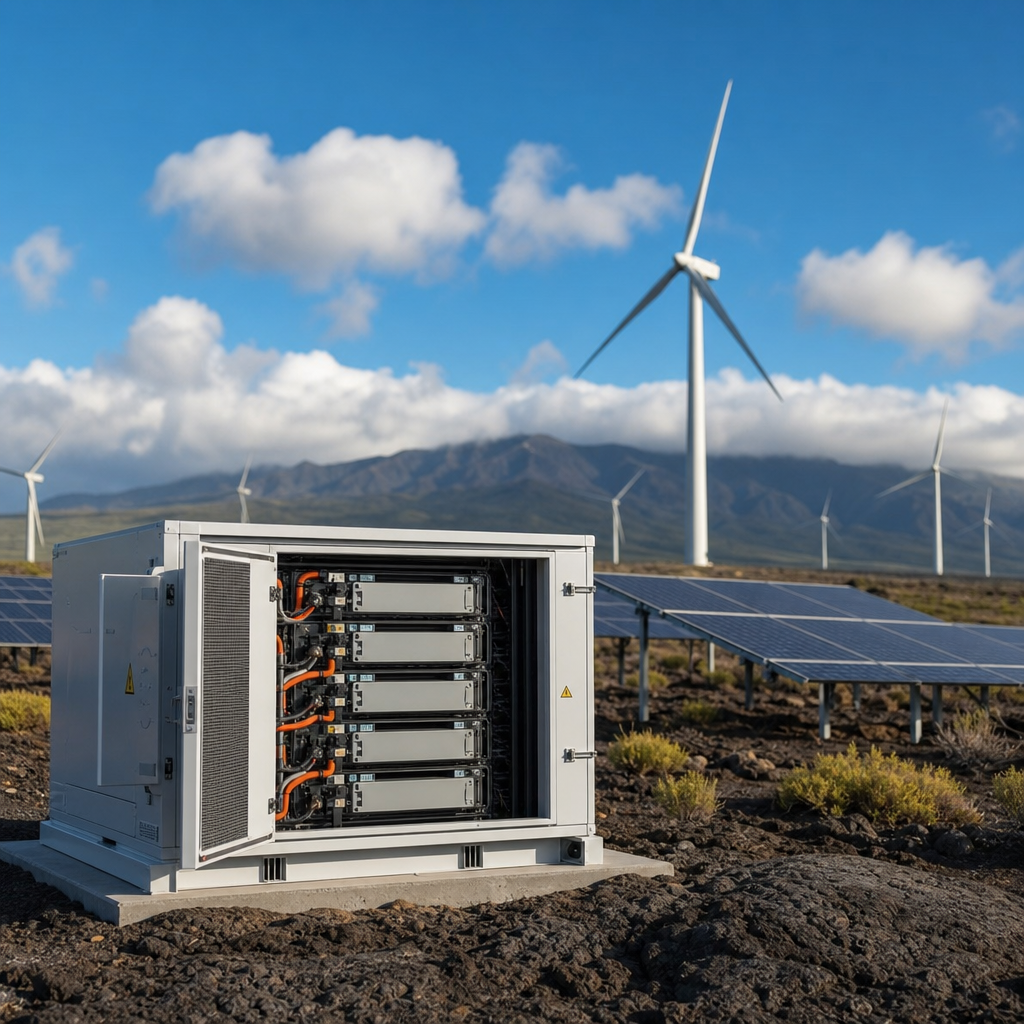
How polymers improved renewable energy storage is no longer a niche materials question; it is central to whether solar, wind, and electrified transport can scale reliably. In practical terms, renewable energy storage means capturing electricity generated at one time and releasing it later with minimal losses, acceptable cost, and predictable safety. Polymers, a broad class of materials built from repeating molecular units, now influence nearly every major storage platform through separators, binders, solid electrolytes, membranes, encapsulants, thermal barriers, and structural composites. I have worked on battery and supercapacitor programs where changing a polymer film only a few micrometers thick altered cycle life more than redesigning an entire electrode recipe. That is why this topic matters: storage performance is not determined by active materials alone, but by the polymer systems that hold, isolate, protect, and regulate them.
Successful polymer applications deserve hub-level treatment because they connect chemistry, manufacturing, safety, and project economics. A lithium-ion cell with high-nickel cathodes may promise impressive energy density, yet without robust polyolefin or ceramic-coated polymer separators, shutdown response and puncture resistance suffer. A redox flow battery can use abundant electrolytes, but without selective ion-exchange membranes made from engineered polymers, crossover quickly erodes efficiency. Grid-scale sodium-ion, zinc-based, and solid-state technologies all depend on polymer innovation to move from laboratory results to bankable assets. Across the industry, the same pattern appears: polymers reduce leakage, improve ion transport, suppress dendrites, tolerate heat, simplify fabrication, and lower total system cost. For readers evaluating successful polymer applications in renewable storage, the key question is not whether polymers matter. It is which polymer functions created measurable gains, where the tradeoffs remain, and which lessons transfer across battery, capacitor, hydrogen, and thermal systems.
Why polymers became critical in modern storage systems
Polymers became critical because they solve the engineering problems that active storage chemistries create. Renewable generation is intermittent, so storage assets must cycle frequently, sit in harsh outdoor conditions, and remain safe under electrical and thermal stress. Metals and ceramics provide strength or conductivity in some layers, but they are often brittle, heavy, expensive to process, or hard to integrate over large areas. Polymers offer tunable flexibility, controlled porosity, chemical resistance, low density, and scalable manufacturing through extrusion, casting, coating, electrospinning, and roll-to-roll lamination. In production environments, those advantages directly affect yield and cost.
A battery separator is a clear example. Commercial lithium-ion systems widely use polyethylene and polypropylene separators because they combine mechanical integrity with microscopic pores that allow ionic conduction through liquid electrolyte while preventing electronic short circuits. Their thermal shutdown behavior can add a safety mechanism: pores collapse at elevated temperature, slowing ion flow before thermal runaway escalates. As cell formats expanded from consumer electronics into electric vehicles and stationary storage, separator makers improved these polymer films with multilayer architectures and ceramic coatings to boost dimensional stability. The underlying success came from a simple truth I have seen repeatedly in qualification testing: the best electrochemistry fails if the polymer interface cannot survive swelling, pressure, and heat.
Successful polymer applications in lithium-ion and sodium-ion batteries
Lithium-ion remains the benchmark for renewable energy storage, and successful polymer applications are easiest to see there. Polyvinylidene fluoride, usually called PVDF, became the dominant cathode binder because it adheres active particles to aluminum current collectors, resists oxidation in common electrolytes, and supports slurry processing at scale. On the anode side, combinations such as styrene-butadiene rubber and carboxymethyl cellulose improved mechanical resilience and water-based processing, reducing solvent dependence. These are not glamorous components, yet binder selection influences electrode cracking, impedance growth, and usable capacity after thousands of cycles.
Sodium-ion developers adapted many of the same polymer strategies while adjusting for larger ion size and different electrode expansion behavior. Hard-carbon anodes often benefit from binders that better accommodate volume change, while separator wetting and electrolyte compatibility require reformulation. Several manufacturers pursuing grid storage favor sodium-ion partly because it reduces exposure to lithium and cobalt supply constraints, but polymer engineering still determines commercial viability. Cells that look equivalent on a data sheet can diverge sharply in field life because one formulation used a binder package or separator coating that better controlled interphase formation at elevated temperature.
| Storage technology | Key polymer application | Main improvement delivered | Typical tradeoff |
|---|---|---|---|
| Lithium-ion | PVDF binder, polyolefin separator | Cycle life, safety isolation, manufacturability | Solvent handling and thermal limits |
| Sodium-ion | Flexible binders, modified separators | Tolerance to expansion, lower-cost processing | Lower maturity and optimization burden |
| Solid-state battery | Polymer electrolyte or composite polymer layer | Leakage reduction, interface conformity | Lower room-temperature conductivity |
| Flow battery | Ion-exchange membrane | Higher coulombic efficiency, reduced crossover | Membrane cost and fouling risk |
| Supercapacitor | Polymer gel electrolyte, porous separator | Fast charge, flexible form factors | Lower energy density |
Another major step was the rise of polymer coatings and encapsulants in battery modules and packs. Silicone, epoxy, polyurethane, and specialized thermoplastic systems now provide vibration damping, moisture protection, dielectric isolation, and thermal management support. In utility-scale battery energy storage systems, these materials help electronics survive outdoor humidity, salt spray, and cyclic heating. The practical outcome is fewer failures in busbars, sensors, and pack seals, which lowers maintenance interruptions. Successful polymer applications here are less visible than cell chemistry, but they are often what determines whether an installation reaches its availability targets.
Polymer electrolytes and the push toward safer solid-state storage
Polymer electrolytes changed the conversation around safer storage because they target flammability and leakage at the electrolyte level. Conventional liquid electrolytes conduct ions effectively, but they introduce volatility and can feed thermal events. Solid polymer electrolytes, gel polymer electrolytes, and composite polymer electrolytes aim to replace or immobilize the liquid phase while maintaining sufficient ionic conductivity. Polyethylene oxide has been studied for decades because its ether oxygen groups can coordinate lithium ions, enabling transport through segmental motion. On its own, conductivity at room temperature is often too low for demanding applications, but blending, copolymer design, plasticizers, and ceramic fillers can improve performance.
In development programs, I have seen polymer electrolyte layers succeed first where safety, flexibility, or manufacturability mattered more than peak power. Thin-film and specialty devices used gel polymers to limit leakage and improve form factor. More recently, solid-state battery companies have pursued hybrid designs in which a polymer or polymer-ceramic interlayer reduces interfacial resistance between rigid ceramic electrolytes and electrodes. This is one of the most promising successful polymer applications because interfaces are the persistent bottleneck in solid-state cells. A perfectly conductive ceramic is of limited value if poor contact creates voids, uneven current distribution, and lithium dendrite formation. A compliant polymer layer can maintain intimate contact during cycling and temperature change.
The limitation is clear: no polymer electrolyte has yet eliminated the conductivity and stability challenges across all operating conditions. Still, the progress is real. Composite systems with block copolymers, cross-linked networks, and nano-oxide fillers have demonstrated improved mechanical modulus and wider electrochemical windows. For renewable storage, especially stationary systems where operating temperature can be controlled, these materials remain strategically important because they may enable safer packs with simplified containment requirements.
Membranes for flow batteries, fuel cells, and hydrogen-linked storage
Flow batteries and hydrogen systems provide some of the best case studies in how polymers improved renewable energy storage beyond lithium-ion. In vanadium redox flow batteries, the membrane determines ion selectivity, resistance, durability, and therefore round-trip efficiency. Perfluorosulfonic acid membranes such as Nafion became a reference material because of strong proton conductivity and chemical stability. However, they are expensive and can allow vanadium crossover, so researchers and manufacturers explored sulfonated polyether ether ketone, polybenzimidazole derivatives, and hydrocarbon-based blends to reduce cost while improving selectivity. When these membranes work, the benefit is direct: less crossover means higher coulombic efficiency, longer electrolyte balance stability, and lower maintenance.
Zinc-bromine and iron-based flow batteries also rely on polymer separators or membranes tailored to resist aggressive electrolytes. The challenge is not merely chemical resistance but sustained performance over years of pumping, pressure variation, and contamination exposure. Field deployments taught an important lesson: a membrane that looks excellent in short laboratory tests may fail through swelling, fouling, or embrittlement under real duty cycles. The most successful polymer applications combined electrochemical selectivity with boring but essential mechanical durability.
Hydrogen-linked storage depends on polymers as well. Proton exchange membrane electrolyzers use fluorinated polymer membranes to split water efficiently, while fuel cells use related membrane technology to convert stored hydrogen back to electricity. These systems matter for long-duration renewable storage because hydrogen can absorb surplus generation over days or seasons. Improvements in membrane durability, gas barrier properties, and catalyst-layer binders have steadily lowered degradation rates. Even compressed hydrogen tanks rely on polymer liners and carbon-fiber-reinforced polymer structures to store gas safely at high pressure. In other words, polymers support both the conversion step and the storage vessel, making them foundational to hydrogen as a renewable balancing resource.
Polymers in supercapacitors, thermal storage, and structural integration
Supercapacitors illustrate another successful polymer application: enabling extremely fast charge and discharge without sacrificing device integrity. Porous polymer separators prevent shorting while allowing ionic access, and gel polymer electrolytes create flexible, leak-resistant formats for wearable and distributed energy devices. Although supercapacitors store less energy than batteries, they are valuable in renewable systems for smoothing power spikes, supporting inverter response, and handling short high-power bursts. Conductive polymers such as polyaniline, polypyrrole, and PEDOT have also been used as electrode materials or coatings, adding pseudocapacitance. Their long-term stability varies, but in hybrid devices they can meaningfully raise capacitance when properly engineered.
Thermal energy storage uses polymers differently. Encapsulation shells made from polymer matrices can contain phase change materials that absorb and release heat for building systems or solar thermal installations. Foamed polymers and composite insulation reduce heat loss in tanks and piping, improving effective storage duration. In concentrated solar and industrial heat recovery, polymer components are selected carefully because high temperatures exclude many standard grades, yet advanced fluoropolymers, silicones, and engineered thermoplastics still play supporting roles in seals, coatings, and insulation assemblies.
Structural integration is a fast-developing frontier. Battery enclosures, module frames, and even multifunctional composites increasingly use fiber-reinforced polymers to cut weight, resist corrosion, and simplify assembly. Weight matters less for stationary batteries than for vehicles, but corrosion resistance and electrical insulation matter a great deal in coastal or humid deployments. I have seen polymer composite housings reduce part count and improve ingress protection while easing installation logistics. These are practical gains, not laboratory curiosities, and they explain why polymers have become embedded across the storage value chain.
What these case studies mean for future renewable storage projects
The combined lesson from successful polymer applications is straightforward: materials that appear secondary often control whether a storage technology becomes commercial, safe, and scalable. Polymers improved renewable energy storage by enabling selective ion transport, stable interfaces, flexible manufacturing, lighter structures, and better environmental protection. They helped lithium-ion reach mass deployment, gave sodium-ion a realistic path to lower-cost stationary use, supported solid-state development, made flow battery membranes more efficient, strengthened hydrogen systems, and expanded supercapacitor and thermal storage designs. In every case, the polymer did more than fill space. It performed a precise electrochemical, mechanical, or barrier function that active materials alone could not deliver.
For project developers, engineers, and technical buyers, the practical takeaway is to evaluate polymer components with the same seriousness given to cathodes, electrolytes, or stack chemistry. Ask which binder system supports cycle life, which membrane limits crossover, which separator coating improves abuse tolerance, and which encapsulant survives the site environment. Review standards data, not just marketing claims: UL, IEC, UN transport testing, chemical compatibility reports, and long-term aging results matter. The strongest renewable storage designs are not built from a single breakthrough material but from well-matched systems. If you are mapping future storage options under case studies and applications, start by tracing the polymer layer in each technology. It will usually show you where performance is won, where risk remains, and where the next improvement is most likely to emerge.
Frequently Asked Questions
1. How do polymers improve renewable energy storage systems?
Polymers improve renewable energy storage by making batteries, supercapacitors, and other storage devices safer, lighter, more efficient, and easier to manufacture at scale. In renewable energy applications, storage systems must absorb electricity when solar panels or wind turbines are producing power and then release it later with minimal losses. Polymers help this happen through several critical functions. They are used in separators that keep battery electrodes apart while still allowing ions to move between them, in binders that hold active materials together inside electrodes, in protective coatings that improve chemical stability, and in packaging materials that help control heat, moisture, and mechanical stress.
One of the biggest advantages of polymers is tunability. Engineers can modify polymer chemistry to improve ion transport, thermal resistance, flexibility, durability, or compatibility with specific battery chemistries. That matters because renewable storage operates under demanding conditions, including repeated charge-discharge cycles, temperature fluctuations, and long service life expectations. Compared with heavier or more brittle traditional materials, polymers often reduce system weight and support compact designs, which is especially important in electric vehicles and distributed storage systems. In short, polymers are not just passive support materials; they are increasingly central to performance, lifespan, safety, and cost reduction across modern energy storage technologies.
2. Why are polymer separators and binders so important in battery performance?
Separators and binders may sound like secondary components, but they are essential to how a battery actually works in the real world. A polymer separator sits between the positive and negative electrodes. Its job is to prevent direct electrical contact, which would cause a short circuit, while still allowing ions to pass through the electrolyte. This balance is crucial. If the separator is too thick, ion flow slows down and performance drops. If it is too weak, too porous in the wrong way, or unstable at high temperatures, safety risks increase. Advanced polymer separators are engineered for precise pore structure, strong mechanical integrity, and in some cases shutdown behavior, where pores close at elevated temperatures to help prevent thermal runaway.
Polymer binders are just as important, even though they do not store energy themselves. Inside an electrode, the binder holds together active particles and conductive additives and keeps them attached to the current collector during repeated cycling. Renewable energy storage depends on long cycle life, and electrodes expand, contract, and undergo chemical stress over time. A good polymer binder helps maintain structural integrity so the battery does not rapidly lose capacity. In next-generation batteries, including silicon-anode and solid-state designs, new polymer binders are being developed specifically to manage large volume changes and difficult interfaces. That means these materials directly affect reliability, energy density, and long-term operating cost.
3. Do polymers make energy storage safer and longer-lasting?
Yes, and this is one of the most important reasons polymers have become so valuable in renewable energy storage. Safety in energy storage is not just about avoiding catastrophic failure; it is also about maintaining predictable operation over thousands of cycles, changing temperatures, and variable charging conditions. Polymers contribute to safety by acting as electrically insulating barriers, chemically resistant layers, and mechanically resilient structures. In lithium-ion batteries, for example, polymer separators reduce the chance of internal short circuits, while polymer coatings can help stabilize electrode surfaces and limit unwanted side reactions that generate heat and degrade performance.
Polymers also support longer service life by improving structural stability and controlling interfaces where degradation often begins. Repeated charging and discharging can crack electrode materials, weaken adhesion, and create unstable reaction products. Carefully chosen polymer binders and surface treatments help keep components intact and reduce the rate of capacity fade. In solid-state and gel-polymer electrolyte systems, polymers can also improve contact between layers, which is a major challenge in advanced battery design. While no material solves every durability issue on its own, polymers often make the difference between a lab-scale concept and a commercially viable storage product that can survive years of field use in grid storage or transportation applications.
4. What role do polymers play in newer storage technologies beyond standard lithium-ion batteries?
Polymers are playing a growing role far beyond conventional lithium-ion cells. In solid-state batteries, polymer materials are being used as solid or gel-like electrolytes, flexible interlayers, and interface stabilizers. These roles are important because solid-state systems promise higher safety and potentially higher energy density, but they also face challenges such as poor contact between rigid layers and limited ionic conductivity in some formulations. Polymer-based electrolytes can help bridge those gaps by combining flexibility with ion transport, especially in hybrid designs that blend polymers with ceramics or salts.
Polymers are also relevant in redox flow batteries, sodium-ion batteries, supercapacitors, and hydrogen-related storage technologies. In flow batteries, polymer membranes help selectively transport ions while keeping reactive species separated, which directly affects efficiency and crossover losses. In sodium-ion systems, polymers are used in many of the same enabling roles as in lithium batteries, including separators, binders, and coatings, but optimized for different electrochemical behavior and cost targets. In supercapacitors, conductive polymers can participate more directly in charge storage, offering fast response and high power performance. This broad applicability is one reason polymers matter so much to the renewable energy transition: they are adaptable across multiple storage platforms, not tied to just one chemistry.
5. Can polymers help reduce the cost and improve the scalability of renewable energy storage?
Absolutely. Cost and scalability are where material science meets real energy deployment, and polymers are often part of the answer. Many polymer components can be processed using established, high-throughput manufacturing methods such as coating, extrusion, lamination, and roll-to-roll production. These techniques are already common in battery manufacturing and can support large-volume output more efficiently than processes requiring expensive machining or fragile inorganic components. Because polymers are often lightweight and versatile, they can also reduce balance-of-system demands, simplify cell assembly, and improve manufacturing yields.
Polymers can lower costs indirectly as well by improving cycle life, reducing failure rates, and enabling the use of newer electrode materials with higher capacity or lower raw material cost. For grid storage and renewable integration, total cost of ownership matters more than just initial purchase price. A storage system that lasts longer, needs less maintenance, and performs reliably under daily cycling delivers much better economic value. There is also increasing interest in more sustainable polymer options, including recyclable, water-processable, and bio-based materials, which could support cleaner production and easier end-of-life management. So while polymers are often only one part of the storage system, they frequently have an outsized impact on whether renewable energy storage can expand affordably and reliably at scale.