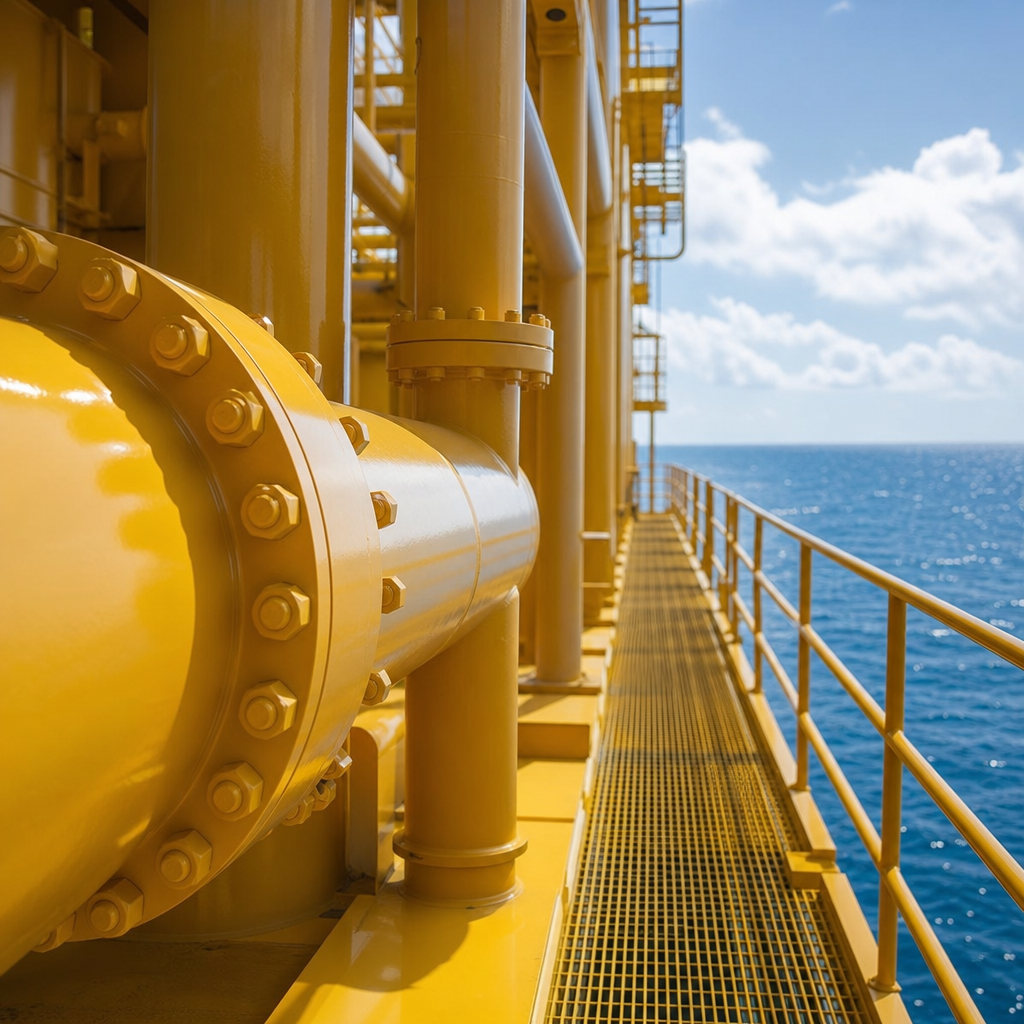
Innovations in polymer coatings for corrosion resistance are reshaping how engineers protect steel, aluminum, concrete, and composite assets in aggressive service environments. Polymer coatings are barrier or functional films made from organic macromolecules that isolate a substrate from water, oxygen, salts, chemicals, abrasion, and ultraviolet exposure. Corrosion resistance, in practical terms, is the ability of a coating system to slow electrochemical degradation long enough to preserve safety, appearance, and total asset value. In case studies and applications work, successful polymer applications are the clearest proof of performance because they connect laboratory data to real operating conditions, maintenance intervals, and lifecycle cost.
I have worked with asset owners, coating contractors, and materials teams evaluating these systems on tanks, pipelines, marine structures, process equipment, and transportation components. The pattern is consistent: the best coating is rarely the one with the lowest initial price or the most impressive brochure claim. The winner is the system matched to substrate preparation, service chemistry, temperature cycling, mechanical stress, and inspection discipline. That is why this hub article matters. It brings together the major coating families, the innovations making them more reliable, and the real-world applications that show where each technology succeeds or fails.
Polymer coatings now do far more than act as passive paint films. Formulators use crosslink density control, nanofillers, self-healing chemistry, smart inhibitors, fluoropolymer topcoats, advanced polyurethane backbones, fusion-bonded powders, and hybrid multilayer systems to solve specific corrosion problems. Offshore wind towers need salt spray durability and edge retention. Water infrastructure needs potable-water compliance and abrasion resistance. Automotive battery enclosures need chemical resistance against coolants and road salts while remaining lightweight. Industrial plants need lining systems that withstand sulfuric acid, amines, solvents, and thermal shock. Each use case places different demands on adhesion, permeability, flexibility, cure speed, and reparability.
As a sub-pillar hub under case studies and applications, this page focuses on successful polymer applications across sectors rather than only on chemistry. It explains what works, why it works, and what decision-makers should compare before selecting a system. If you are assessing protective coatings for a bridge, refinery vessel, desalination skid, food plant floor, or electric vehicle component, the same core questions apply: what is the corrosive mechanism, what failure mode matters most, and which polymer architecture best controls that risk over time?
What Makes a Polymer Coating Resist Corrosion
A polymer coating resists corrosion by interrupting the corrosion cell. It limits electrolyte ingress, reduces oxygen diffusion, improves adhesion so underfilm attack cannot spread, and may add pigments or inhibitors that passivate the metal surface. The key variables are permeation rate, glass transition temperature, crosslink density, film continuity, intercoat adhesion, and tolerance to defects at edges, welds, and fasteners. In field inspections, most failures begin at discontinuities rather than on flat, ideal test panels.
Epoxies remain the benchmark for heavy-duty barrier protection because they adhere strongly to blasted steel and can be formulated with low permeability. Novolac epoxies extend chemical resistance for tanks and secondary containment. Polyurethanes add weatherability and color retention, making them common as topcoats over epoxy primers. Vinyl esters are selected for severe chemical immersion because they tolerate acids and solvents better than many general-purpose epoxies. Fluoropolymers such as PVDF and FEVE excel when ultraviolet stability and low dirt pickup are critical, especially on architectural metals and exterior process equipment.
Application success depends on the full system, not a single resin. Surface preparation to standards such as SSPC-SP 10 or Sa 2.5, stripe coating of edges, dry film thickness control, holiday detection, and cure verification determine whether an advanced chemistry delivers its expected service life. In bridge rehabilitation projects I have reviewed, a conventional three-coat zinc-rich epoxy, epoxy intermediate, and aliphatic polyurethane system often outperformed more exotic products simply because the contractor could apply it consistently and inspectors knew exactly what to check.
Breakthrough Materials Expanding Successful Polymer Applications
The most important innovations are not marketing labels but measurable improvements in transport resistance, defect tolerance, and maintenance practicality. Nanocomposite coatings use platelet fillers such as graphene, nanoclay, or exfoliated mica to create a tortuous path that slows water and ion diffusion. Properly dispersed nanofillers can improve barrier performance without requiring extreme film build, although poor dispersion can create stress concentrators and inconsistent cure. In laboratory electrochemical impedance spectroscopy, well-formulated nanocomposite epoxies often sustain higher impedance for longer exposure periods than unmodified controls.
Self-healing systems are another meaningful development. Some rely on microcapsules containing healing agents that rupture when a crack forms. Others use inhibitor-loaded nanocontainers that release passivating species when pH changes indicate active corrosion. These systems are promising for areas prone to microcracking or impact damage, such as offshore structures and transportation equipment. They are not magic; once damage exceeds the healing chemistry’s capacity, conventional repair is still required. However, they can delay corrosion initiation and widen the maintenance window.
Powder coatings have also advanced sharply. Fusion-bonded epoxy for rebar, pipelines, and valves remains established, but newer powder polyesters, epoxies, and hybrid systems provide better edge coverage, lower volatile organic compound emissions, and repeatable factory quality. Dual-layer and multilayer powders are increasingly used on agricultural equipment, electrical enclosures, and architectural aluminum, where corrosion resistance must coexist with appearance and throughput. For manufacturers, this is one of the clearest successful polymer applications because process control is tighter than in field painting.
| Application | Typical Polymer System | Why It Succeeds | Main Limitation |
|---|---|---|---|
| Offshore steel | Zinc-rich epoxy + epoxy build coat + polyurethane topcoat | Strong barrier protection, cathodic backup, UV-resistant finish | High surface prep and inspection demands |
| Chemical storage tanks | Novolac epoxy or vinyl ester lining | Excellent resistance to acids, solvents, and immersion service | Strict cure control and holiday testing required |
| Rebar in concrete | Fusion-bonded epoxy powder | Factory-applied uniform film reduces chloride-driven corrosion | Damage during handling can expose steel |
| Automotive components | E-coat epoxy primer with powder or polyurethane topcoat | High throughput, strong adhesion, good salt spray durability | Complex geometries need robust pretreatment |
| Water infrastructure | High-build epoxy or polyurethane lining | Abrasion resistance and potable-water compliant options | Moisture and cure temperature can delay commissioning |
Marine, Offshore, and Coastal Infrastructure Case Studies
Marine exposure is one of the hardest tests for any coating because chloride deposition, ultraviolet radiation, cyclic wetting, and mechanical damage occur together. Successful polymer applications in this sector usually combine sacrificial or inhibitive priming with high-build barrier coats and weatherable finishes. Offshore platforms, ship ballast tanks, jetties, and coastal bridges rarely rely on a single-layer solution.
A common success pattern is the offshore maintenance campaign that replaces failing alkyds or aged coal tar epoxies with modern epoxy-polyurethane systems. Asset owners frequently report a move from short repaint intervals to maintenance cycles exceeding ten years when blast cleanliness, edge striping, and minimum dry film thickness are enforced. ISO 12944 durability categories are widely used to set expectations, but actual service life still depends on splash-zone severity and impact damage from operations.
Wind energy provides a newer example. Offshore wind towers and transition pieces use coating systems designed for atmospheric and splash-zone corrosion, often with reinforced epoxies in high-risk areas. The innovation is not only resin chemistry; robotic blasting, digital inspection reporting, and climate-controlled application have reduced early failures. In several tower refurbishment programs, the biggest improvement came from controlling soluble salt contamination before painting. Advanced polymer coatings cannot compensate for chlorides left on steel.
Oil, Gas, and Chemical Processing Applications
Refineries, gas plants, and chemical units subject coatings to immersion, insulation-related moisture, solvent exposure, and elevated temperatures. Here, successful polymer applications are highly specific. A tank lining that performs brilliantly in demineralized water may fail quickly in concentrated sulfuric acid or hot aromatic solvent service. Selection starts with a detailed chemical resistance review, not a generic corrosion label.
Internal tank linings often use novolac epoxies for crude fractions, produced water, and many chemical services because the dense crosslinked network limits permeation. Vinyl esters are preferred when stronger acid resistance is needed. External pipe and vessel coatings may use epoxy phenolics, polysiloxanes, or heat-resistant hybrids where thermal cycling matters. Under insulation, specialized coatings are chosen because trapped moisture and chloride contamination create severe localized attack on carbon steel and stainless steel.
One recurring field lesson is that cure schedule discipline determines success. I have seen excellent immersion-grade coatings fail because a vessel was returned to service before full cure, allowing solvent swelling and blister formation. By contrast, plants that pair the right polymer lining with documented dew point checks, profile measurements, holiday testing, and cure verification routinely achieve long inspection intervals. In chemical processing, application quality is inseparable from material innovation.
Transportation, Automotive, and Battery System Protection
The transportation sector has quietly become a leader in polymer coating innovation because corrosion resistance must be achieved at high speed and low mass. Automotive bodies use electrodeposition epoxy primers, seam sealers, galvanizing, and powder or liquid topcoats in tightly controlled lines. These systems are designed against stone chipping, humidity, salt spray, and crevice corrosion at joints. The result is visible in modern vehicle warranties, which far exceed those of earlier generations.
Electric vehicles add new requirements. Battery enclosures, busbars, cooling plates, and fastening systems face galvanic coupling risks, thermal management fluids, road deicers, and flame-retardancy constraints. Successful polymer applications include dielectric coatings for electrical isolation, powder coatings for aluminum housings, and chemically resistant seal-coat combinations for underbody protection. Coatings must resist corrosion without interfering with thermal conductivity where heat rejection is essential.
Rail and commercial vehicles show another practical trend: duplex systems combining metallic coatings and polymers. Zinc-rich primers or galvanized substrates paired with robust topcoats extend service life in freight, transit, and heavy equipment fleets. This approach works because the metal layer offers sacrificial protection while the polymer reduces moisture access. When fleets track total cost of ownership, duplex protection consistently outperforms simple paint systems in deicing-salt regions.
Water, Wastewater, and Civil Infrastructure Success Stories
Water and wastewater assets demand coatings that resist both corrosion and public-service constraints. Potable-water tanks, clarifiers, penstocks, digesters, and buried steel structures operate under abrasion, microbiologically influenced corrosion, and intermittent immersion. High-build epoxies remain widely used because certified formulations are available for drinking water contact and because they can be applied in thick films that bridge minor surface irregularities.
Wastewater is harsher than many owners expect. Hydrogen sulfide can convert to sulfuric acid in headspaces, aggressively attacking concrete and steel. Successful polymer applications in these conditions often involve epoxy or polyurethane lining systems, and in severe chemical zones, vinyl ester or other specialized linings. Sewer rehabilitation also uses polymer-rich cured-in-place liners and spray-applied membranes to restore function without full excavation, reducing downtime and community disruption.
Bridges and civil steel illustrate the value of proven systems. Agencies that shifted from basic alkyd maintenance coatings to zinc-epoxy-urethane systems documented longer repaint cycles and better edge retention. The gains came not just from chemistry but from codified inspection checkpoints, including surface profile measurement, environmental monitoring, and adhesion testing. For public infrastructure budgets, every additional year of corrosion-free service materially changes lifecycle economics.
How to Evaluate and Scale Successful Polymer Applications
Decision-makers should evaluate coatings by service environment, failure consequence, application method, regulatory needs, and maintenance strategy. Start with the substrate and corrosive exposure: atmospheric, immersion, splash, chemical, buried, or under insulation. Then compare adhesion, permeability, UV resistance, temperature limits, flexibility, cure profile, and repairability. Request evidence from salt spray and cyclic testing, but give greater weight to electrochemical impedance data, immersion history, and field references in comparable service.
Scaling from pilot to fleet deployment requires disciplined qualification. Use representative mockups, define acceptance criteria for blast profile and film thickness, and include edge, weld, and fastener details in the trial. Digital inspection platforms, pull-off adhesion testing, holiday detection, and environmental logging reduce ambiguity. If a supplier cannot provide a clear application window or chemical resistance matrix, the risk of field failure is high regardless of innovation claims.
For a sub-pillar hub on successful polymer applications, the central lesson is simple: corrosion resistance is achieved when material science, surface preparation, process control, and service-specific design align. New polymer technologies are valuable because they expand that alignment, whether through nanocomposite barriers, self-healing behavior, faster-curing powders, or tougher hybrid systems. Review your highest-risk assets, map the actual corrosion mechanism, and choose coating systems proven in comparable conditions before the next maintenance cycle.
Frequently Asked Questions
1. What are polymer coatings, and how do they improve corrosion resistance?
Polymer coatings are protective layers made from organic macromolecules that are applied to a surface to isolate it from the environmental triggers of corrosion. In practical terms, they act as engineered barriers between the substrate and damaging agents such as moisture, oxygen, chlorides, industrial chemicals, abrasion, and ultraviolet radiation. By limiting contact between the underlying material and these corrosive elements, polymer coatings slow the electrochemical reactions that cause rusting in steel, oxidation in aluminum, and degradation in concrete reinforcement systems.
What makes modern polymer coatings especially effective is that they do far more than simply “cover” a surface. Advanced formulations can be tailored for specific performance demands, including chemical resistance, flexibility, adhesion, impact tolerance, low permeability, and long-term weathering stability. Some systems incorporate functional additives, corrosion inhibitors, nanoparticle reinforcement, or self-healing characteristics that further extend service life. As a result, polymer coatings have become a central technology in protecting pipelines, bridges, marine equipment, tanks, offshore platforms, automotive parts, and industrial infrastructure where corrosion control directly affects safety, uptime, and lifecycle cost.
2. What recent innovations are making polymer coatings more effective in harsh environments?
Recent innovation in polymer coatings has focused on creating smarter, tougher, and more durable systems for aggressive service conditions. One major advancement is the development of nanocomposite coatings, where nanoparticles such as silica, graphene derivatives, nanoclays, or metal oxides are dispersed within the polymer matrix. These materials can reduce coating permeability, improve mechanical strength, and enhance resistance to abrasion and chemical attack. By creating a more tortuous path for water and ions, nanocomposite structures make it much harder for corrosive species to reach the substrate.
Another important area is self-healing technology. These coatings are designed to repair minor damage automatically through embedded microcapsules, reactive agents, or reversible polymer chemistries. When the surface is scratched or cracked, the healing mechanism activates and helps reseal the defect before corrosion can initiate at the exposed site. In parallel, researchers and manufacturers are refining high-performance epoxy, polyurethane, fluoropolymer, and hybrid resin systems to achieve better adhesion, flexibility, UV stability, and resistance to thermal cycling.
There is also growing momentum behind environmentally improved formulations, including low-VOC, waterborne, and high-solids coatings that reduce emissions without sacrificing performance. In some sectors, multifunctional coatings are gaining ground as well. These may combine corrosion resistance with anti-fouling behavior, anti-static properties, thermal insulation, or easy-clean surfaces. Together, these innovations are helping engineers design coating systems that last longer, perform more predictably, and remain effective even in marine, chemical processing, transportation, and energy applications where conventional coatings may struggle.
3. Which substrates benefit most from advanced polymer coatings for corrosion protection?
Advanced polymer coatings are valuable across a wide range of substrates, but they are especially important for materials exposed to aggressive environments or demanding duty cycles. Steel is the most obvious example because it is highly vulnerable to rust in the presence of water and oxygen, particularly when salts or pollutants are present. Bridges, structural steel, storage tanks, pipelines, rebar, ship hulls, and processing equipment all rely heavily on coating systems to preserve structural integrity and reduce maintenance frequency.
Aluminum also benefits significantly, even though it naturally forms a passive oxide layer. In marine, aerospace, transportation, and industrial settings, that passive protection can be compromised by chloride exposure, galvanic interaction, or mechanical damage. Polymer coatings help preserve appearance, reduce pitting, and extend service life. Concrete is another critical substrate, especially in infrastructure. While concrete itself does not corrode like metal, moisture and chloride ingress can reach embedded steel reinforcement, leading to cracking, spalling, and structural deterioration. Protective polymer coatings and sealers help limit ingress and protect both the concrete surface and the reinforcement within.
Composite materials can benefit as well, particularly when used in outdoor, chemical, or high-wear environments. Although composites are often corrosion resistant by nature, they may still require coatings for UV protection, moisture resistance, abrasion control, or compatibility with adjacent materials. The best candidates for advanced polymer coatings are assets where failure carries high consequences, maintenance access is difficult, or environmental exposure is severe. In these cases, a well-designed coating system is not just a protective finish; it is a core element of asset preservation strategy.
4. How do engineers choose the right polymer coating system for a corrosion-prone application?
Selecting the right polymer coating system starts with understanding the full service environment rather than choosing a product based only on generic performance claims. Engineers typically evaluate exposure to water, salt spray, immersion, chemicals, temperature extremes, UV radiation, abrasion, impact, and mechanical stress. They also consider the substrate type, expected service life, maintenance intervals, application conditions, and any industry compliance requirements. A coating that performs well in atmospheric exposure may not be suitable for continuous chemical immersion, just as a UV-stable topcoat may still require a more chemically resistant primer underneath.
System design is often just as important as resin chemistry. Many high-performing solutions use a multi-layer approach that includes surface preparation, primer, intermediate coat, and topcoat. For example, an epoxy primer may provide strong adhesion and barrier protection, while a polyurethane or fluoropolymer topcoat adds UV durability and color retention. In particularly demanding environments, engineers may specify reinforced systems with glass flake, ceramic fillers, or specialized inhibitors to improve impermeability and wear resistance.
Surface preparation is another decisive factor. Even the most advanced coating can fail prematurely if it is applied over contaminants, corrosion products, or poorly prepared surfaces. Proper cleaning, profiling, and pretreatment are essential to maximize adhesion and long-term reliability. Engineers also look at application method, cure schedule, film thickness, inspection requirements, and repairability. In practice, the best coating system is the one that matches the actual corrosion mechanism, the operating environment, and the maintenance strategy of the asset, rather than the one with the most impressive lab data alone.
5. What are the biggest factors that determine the long-term performance of polymer coatings?
Long-term performance depends on a combination of formulation quality, application discipline, environmental compatibility, and ongoing inspection. First, the coating chemistry must be appropriate for the job. A barrier coating with excellent chemical resistance may still fail if it lacks UV stability in outdoor service, while a flexible coating may not withstand sustained solvent exposure. The selected system must align with the actual degradation risks the asset will face over time.
Second, application quality is absolutely critical. Film thickness, cure conditions, humidity control, surface cleanliness, adhesion, and coverage at edges, welds, and complex geometries all influence durability. Many coating failures are not caused by poor chemistry but by pinholes, holidays, under-film contamination, or insufficient surface preparation. Even small defects can become corrosion initiation points, especially in marine or industrial atmospheres where salts and pollutants are persistent.
Third, service conditions and maintenance practices play a major role. Coatings exposed to impact, thermal cycling, standing water, aggressive cleaning chemicals, or constant abrasion will age differently than coatings in milder atmospheric service. Routine inspection helps detect early signs of blistering, cracking, chalking, delamination, or localized breakdown before widespread substrate damage occurs. Timely touch-up and repair can dramatically extend coating life and prevent costly structural rehabilitation. In the end, long-term corrosion resistance is achieved when advanced material design is paired with proper specification, skilled application, and disciplined asset management throughout the service lifecycle.