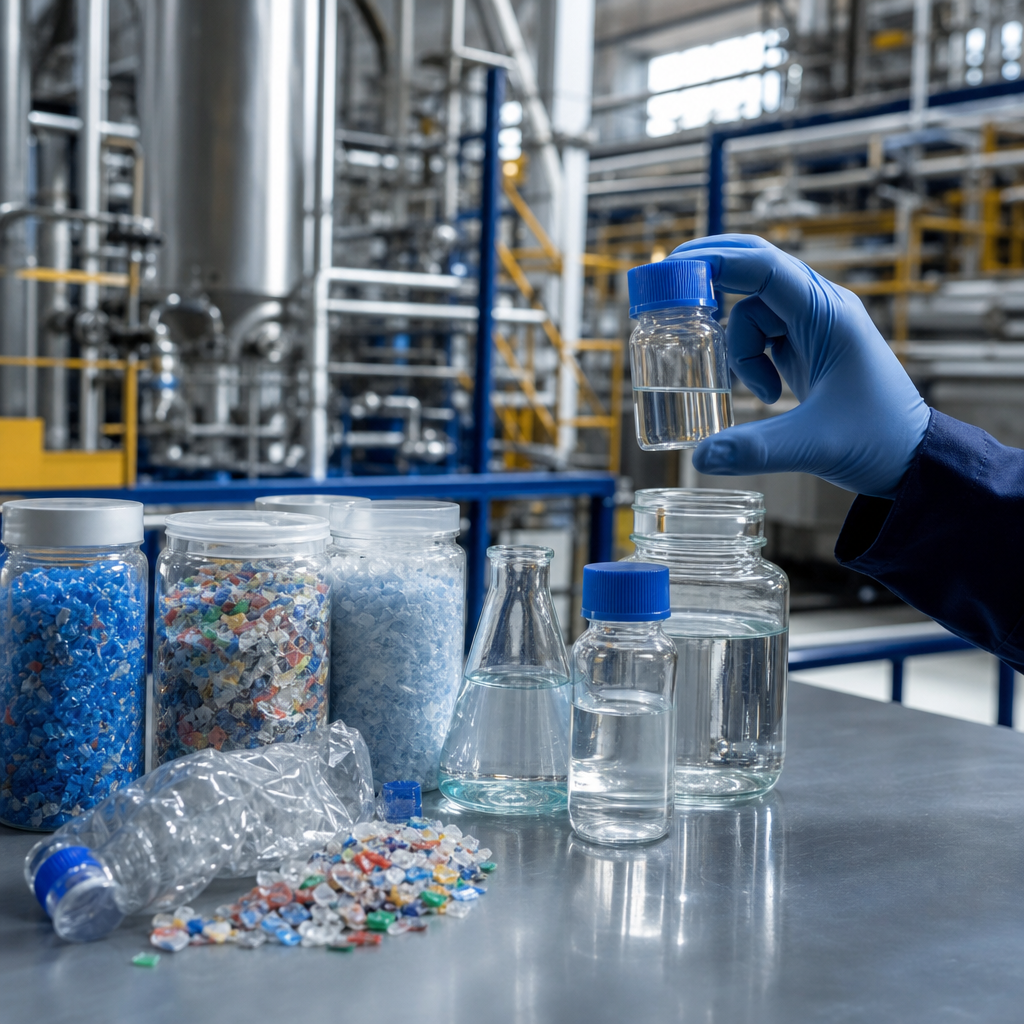
Polymers transformed the automotive industry by replacing heavy, corrosion-prone materials with engineered plastics, elastomers, foams, adhesives, and composites that improve fuel economy, safety, design freedom, durability, and manufacturing efficiency. In practical automotive terms, polymers include thermoplastics such as polypropylene and polyamide, thermosets such as polyurethane, elastomers such as EPDM rubber, and reinforced composites that combine polymer matrices with glass or carbon fibers. I have worked with material selection teams that compare these families part by part, because the right polymer can reduce mass, simplify assembly, and extend service life without compromising performance. That shift matters because modern vehicles contain hundreds of polymer components, from bumper fascias and instrument panels to wire insulation, battery housings, seals, and seat foam. As emissions rules tightened, crash requirements expanded, and customer expectations rose, automakers needed materials that could do more than steel or aluminum alone. Polymers answered that need. They enabled aerodynamic exterior shapes, quieter cabins, better corrosion resistance, lower tooling costs for complex geometries, and easier integration of clips, ribs, ducts, and fasteners into single molded parts. They also became central to electric vehicles, where thermal management, electrical insulation, lightweighting, and flame-retardant performance directly affect driving range and battery safety. This article serves as a hub for successful polymer applications across the automotive sector, explaining where these materials are used, why they succeeded, what tradeoffs engineers manage, and how specific polymer choices changed vehicle design and production worldwide.
Why Automakers Adopted Polymers at Scale
The automotive industry adopted polymers at scale for one simple reason: they solved multiple engineering and business problems at the same time. A polymer part often weighs 30 to 50 percent less than a comparable metal part, and that reduction compounds across the vehicle. Lower mass improves fuel economy in internal combustion models and extends range in electric vehicles. According to the U.S. Department of Energy, every 10 percent reduction in vehicle weight can improve fuel economy by roughly 6 to 8 percent, depending on the platform. Engineers therefore use polymers strategically in body panels, front-end modules, intake manifolds, seating, glazing alternatives, underbody shields, and interior trim.
Manufacturing benefits are just as important. Injection molding allows complex shapes to be made in one piece, replacing assemblies that previously required stamping, welding, and fastening. I have seen a metal bracket assembly with six components redesigned into a single glass-filled nylon molding with integrated bosses and cable routing. That kind of consolidation lowers labor, reduces tolerance stack-up, and shortens assembly time. Polymers also resist corrosion, a critical advantage for components exposed to road salt, humidity, oils, brake fluid, and cleaning chemicals. Materials such as polypropylene, ABS, polycarbonate blends, and thermoplastic olefins can be formulated for impact resistance, UV stability, scratch performance, or low-temperature toughness, making them suitable for specific zones of the vehicle.
Cost remains a nuanced issue. Raw polymer prices can fluctuate with petrochemical markets, and high-performance resins like PEEK or PPS are expensive. However, total system cost is often lower because tooling supports part integration, finishing steps may be reduced, and logistics improve when parts weigh less. The real success of polymers is not that they are universally cheaper than metal. It is that they let engineers optimize mass, performance, manufacturability, and aesthetics together in a way older material systems rarely allowed.
Exterior Applications That Changed Vehicle Design
Some of the most visible successful polymer applications are on the outside of the vehicle. Bumper fascias, grilles, mirror housings, wheel arch claddings, spoiler systems, lamp lenses, and body side moldings rely heavily on polymers because these parts need impact resistance, weatherability, dimensional stability, and styling flexibility. Thermoplastic olefins became a benchmark choice for bumper covers because they combine good low-temperature impact performance with paintability and processability. Polycarbonate and polycarbonate blends revolutionized lighting by enabling clear, durable headlamp lenses with intricate optical geometry that would be difficult to achieve in glass.
One landmark case study is the broader shift from metal intake systems and metal front-end supports to polymer modules. Another is the use of sheet molding compound and reinforced composites in body panels for specialty or performance vehicles. Chevrolet Corvette programs, for example, used composite body panels for decades to support lightweight construction and sculpted forms. The Saturn brand became widely known for dent-resistant polymer exterior panels, showing consumers a direct everyday benefit: parking-lot impacts that would crease steel often left no permanent damage. Those panels also resisted corrosion and allowed styling differentiation.
Exterior polymer success is not without engineering constraints. Paint adhesion, thermal expansion, color consistency, and pedestrian safety behavior all require careful validation. Engineers run accelerated weathering, gravelometer, thermal cycling, and impact tests to confirm a fascia or trim part will survive years of service. Even with those challenges, polymers permanently changed exterior design because they enabled complex aerodynamic shapes, sensor-friendly fascia integration for advanced driver assistance systems, and lower-mass assemblies that support modern efficiency targets.
Interior Systems, Comfort, and Safety
Automotive interiors showcase polymers at their most versatile. Instrument panels, door trims, center consoles, seat structures, steering wheel skins, headliners, carpeting, acoustic barriers, airbags, and HVAC ducts all depend on polymer science. Polypropylene, ABS, PVC alternatives, polyurethane foams, polyester textiles, and engineering plastics appear throughout the cabin because they deliver tactile quality, low mass, noise reduction, and manufacturing flexibility. In my experience, interior teams rarely choose a material based on one property alone. They balance scratch resistance, odor, volatile organic compound emissions, UV stability, grain replication, weld-line control, and recyclability at the same time.
Polyurethane foam transformed seat design by enabling tailored comfort zones, energy absorption, and durable cushioning in a relatively lightweight format. Thermoplastic instrument panel skins and substrates improved aesthetics while allowing airbags to deploy through controlled tear seams built into the molded structure. This is a major success story because it merges safety with design. Airbag doors must remain invisible to the customer yet open predictably within milliseconds during deployment. Polymers make that possible through tightly controlled material thickness, tear geometry, and processing conditions.
Interior polymers also improved acoustic performance. Dash insulators, carpet backings, foam absorbers, and door seals reduce road and wind noise, which directly affects perceived quality. As electric vehicles remove engine noise, cabin acoustics become even more noticeable, making polymer-based sound management more valuable. The best interior polymer applications succeed not because they are hidden, but because drivers notice the result every day: quieter cabins, more comfortable seating, safer restraint systems, and durable surfaces that maintain appearance over years of use.
Under-the-Hood and Powertrain Breakthroughs
Under-the-hood polymer applications were once limited by heat and chemical exposure, but material advances expanded their role dramatically. Glass-filled polyamide, PPS, PBT, PPA, fluoropolymers, and high-temperature elastomers now serve in intake manifolds, charge-air ducts, coolant reservoirs, thermostat housings, valve covers, connectors, clips, fuel system parts, and electrical housings. Replacing cast metal intake manifolds with glass-reinforced nylon is one of the clearest examples of a successful polymer application. The polymer version weighs less, insulates air better than metal, and allows smooth internal runner geometry that can improve airflow characteristics while reducing assembly complexity.
Fuel system materials offer another important case. As fuels evolved to include ethanol blends and evaporative emissions limits became stricter, suppliers developed multilayer polymer fuel tanks and lines that resist permeation and chemical attack. High-density polyethylene, EVOH barrier layers, and compatible tie layers became standard in many programs. These systems reduced corrosion concerns and allowed designers to optimize tank shape around the underbody package. In thermal management, polymer coolant modules can integrate pumps, valves, seals, and passages into compact units, cutting joints and leak paths.
The tradeoff is that validation must be rigorous. Heat aging, hydrolysis resistance, burst pressure, creep under load, and chemical compatibility all matter. A poor material choice near turbochargers, exhaust routing, or hot oil environments will fail quickly. Successful applications therefore depend on exact temperature mapping, media exposure testing, and conservative design margins. When those steps are done correctly, polymers deliver durable powertrain components that save weight, reduce part count, and improve packaging.
Electric Vehicles Accelerated Polymer Innovation
Electric vehicles intensified demand for advanced polymers because they concentrate new requirements in batteries, high-voltage systems, thermal management, and lightweight structures. Battery packs need electrical insulation, flame retardancy, dielectric performance, thermal interface materials, sealing systems, and impact protection. Engineers increasingly use polyamide, polypropylene compounds, silicone elastomers, epoxy systems, polyurethane gap fillers, and composite covers in battery enclosures and associated modules. Connectors and busbar supports require precise creepage and clearance control, while cooling plates and manifolds often rely on chemically resistant polymers that handle glycol-based fluids.
Lightweighting is especially valuable in EVs because extra mass reduces range and affects acceleration, braking, and tire wear. Replacing metal brackets, covers, ducts, and carriers with engineered plastics is often one of the fastest ways to recover mass added by the battery pack. At the same time, fire performance cannot be treated casually. Materials must meet standards such as UL 94 ratings where applicable, as well as demanding automaker-specific abuse and propagation tests. In projects I have reviewed, the winning polymer was rarely the lightest candidate. It was the one that balanced flammability, dielectric strength, dimensional stability, processability, and total cost.
EVs also rely on polymers for charging hardware, cable insulation, sensor housings, and aerodynamic underbody panels that reduce drag and protect battery systems from debris and water. These applications show that polymers are not just supporting materials in electrification. They are enabling materials, and many future vehicle architectures depend on them.
Processing Methods and Material Selection Criteria
Successful polymer applications depend as much on processing as on chemistry. Injection molding dominates automotive plastic production because it supports high volume, tight tolerances, and complex geometries. Blow molding is common for ducts and tanks, thermoforming serves some large interior and trunk components, reaction injection molding has been used for specific body parts, and compression molding supports thermoset and composite structures. Each process influences wall thickness, fiber orientation, weld lines, shrinkage, cycle time, and tooling investment.
| Application area | Common polymers | Main reason for use | Typical challenge |
|---|---|---|---|
| Bumper fascias | TPO, PP blends | Impact resistance and styling freedom | Paint and thermal expansion control |
| Headlamp lenses | Polycarbonate | Optical clarity and toughness | UV and scratch resistance |
| Intake manifolds | Glass-filled PA | Weight reduction and part integration | Heat aging and creep |
| Seat cushions | Polyurethane foam | Comfort and energy absorption | Long-term compression set |
| Battery components | PA, PP, epoxy, silicone | Insulation and thermal management | Flame performance and sealing |
Material selection starts with the service environment. Engineers define temperature range, mechanical loads, chemical exposure, UV exposure, electrical requirements, regulatory obligations, and desired life cycle. They then evaluate candidate materials with CAE, supplier data, and physical testing. Standards from SAE, ISO, ASTM, and OEM specifications guide much of this work. A successful application is rarely about choosing the strongest polymer on a datasheet. It is about selecting the polymer and process combination that delivers stable performance in mass production and real-world use.
Sustainability, Recycling, and the Next Wave of Applications
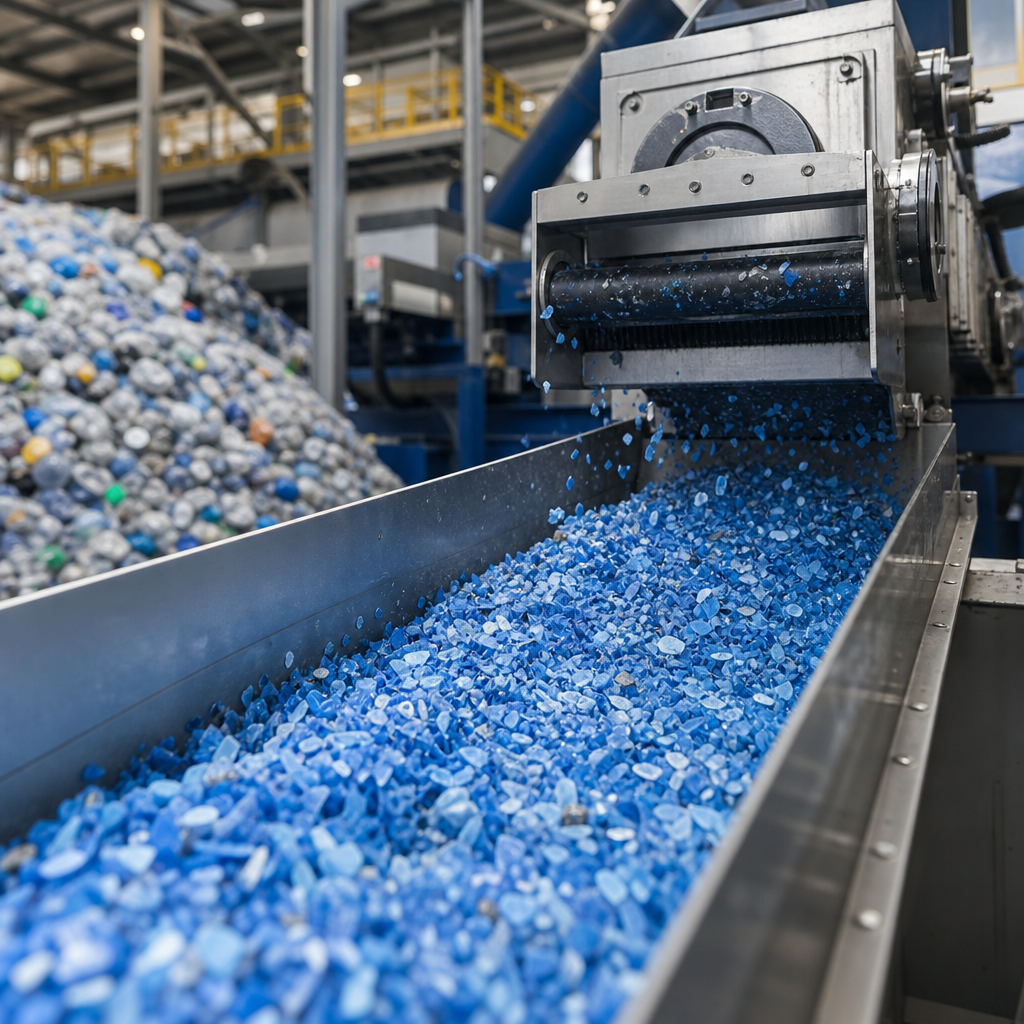
The next chapter of automotive polymers is shaped by sustainability, circularity, and stricter lifecycle expectations. Automakers increasingly specify recycled content in underbody shields, wheel liners, battery carriers, carpets, and interior trim. Post-consumer recycled polypropylene, recycled PET textiles, and bio-based polyamides are becoming more common where performance allows. The European Union End-of-Life Vehicles framework and broader corporate carbon goals push suppliers to design parts that are easier to identify, dismantle, and recycle. Material marking, mono-material strategies, and simplified adhesive systems all support that objective.
There are limits. Multi-material composites can be difficult to recycle, flame-retardant packages may complicate reprocessing, and closed-loop supply remains uneven by region. Even so, progress is real. I have seen programs shift from virgin talc-filled polypropylene to grades with meaningful recycled content while still meeting dimensional and impact targets. Natural fiber composites, including hemp and kenaf reinforced polymers, have also gained attention for door panels and trim substrates, especially where weight and renewable content goals align.
The main lesson from decades of successful polymer applications is clear: polymers win when engineers match material behavior to function, validate thoroughly, and design for manufacturing from the start. For anyone exploring case studies and applications, this hub provides the foundation. Use it to evaluate exterior, interior, powertrain, and EV examples, then map those lessons to your own program. The benefit is straightforward: better vehicles through smarter material choices. If you are building a polymer strategy, start with the part requirements, compare candidate materials honestly, and follow the evidence wherever it leads.
Frequently Asked Questions
How did polymers change the way cars are designed and built?
Polymers fundamentally changed automotive engineering by giving manufacturers lighter, more versatile alternatives to traditional materials such as steel, cast iron, and aluminum. Instead of relying only on heavy metal parts, automakers began using thermoplastics, thermosets, elastomers, foams, adhesives, and reinforced composites in everything from bumpers and dashboards to under-the-hood components and structural assemblies. This shift made it possible to reduce vehicle weight significantly, which directly supports better fuel economy, lower emissions, and improved electric vehicle range.
Just as important, polymers opened up far more design freedom. Engineered plastics can be molded into complex shapes that would be difficult, expensive, or impossible to produce with metal. That allows manufacturers to integrate multiple functions into a single part, reduce the number of components in an assembly, and simplify production. For example, interior panels, consoles, clips, housings, and trim pieces can be produced with built-in mounting points, channels, or surface textures. The result is more efficient manufacturing, lower tooling and assembly costs in many applications, and greater flexibility in styling and aerodynamics.
Polymers also helped improve corrosion resistance and long-term durability. Many plastic and rubber-based materials do not rust the way ferrous metals do, and they can be formulated to withstand heat, chemicals, UV exposure, moisture, road salt, and vibration. This made them especially valuable in exterior parts, seals, fluid systems, and electrical applications. Over time, polymers moved from being mainly cosmetic or convenience materials to becoming essential performance materials that influence safety, efficiency, comfort, and manufacturability across the entire vehicle.
What types of polymers are commonly used in the automotive industry?
The automotive industry uses several major classes of polymers, each selected for specific performance requirements. Thermoplastics are among the most widely used because they can be melted, shaped, and reprocessed efficiently. Common examples include polypropylene, polyamide, ABS, polycarbonate, and polyethylene. Polypropylene is heavily used in interior trim, battery cases, and bumper systems because it is lightweight, chemically resistant, and cost-effective. Polyamide, often known as nylon, is frequently used in under-the-hood applications such as air intake manifolds and fluid-handling components because it offers good mechanical strength and heat resistance.
Thermosets are another important category. Unlike thermoplastics, thermosets cure into a permanent network structure and cannot simply be remelted. Polyurethane is a leading automotive thermoset used in seating foams, insulation materials, coatings, and certain structural applications. Epoxy and polyester resin systems are also common in adhesives and composite parts. These materials are valued for dimensional stability, thermal performance, and durability under demanding service conditions.
Elastomers play a critical role wherever flexibility, sealing, damping, or impact resilience is needed. EPDM rubber, for example, is widely used in weatherstrips, seals, hoses, and gaskets because it performs well under heat, ozone, and weather exposure. Other elastomers appear in tires, vibration isolators, boots, belts, and suspension-related components. In addition, automotive composites combine polymer matrices with reinforcing fibers such as glass or carbon fiber to create materials with excellent strength-to-weight ratios. These reinforced composites are increasingly used in body panels, structural reinforcements, performance parts, and electric vehicle components where reducing weight without sacrificing strength is especially valuable.
Why are polymers so important for fuel economy, emissions reduction, and electric vehicles?
One of the biggest reasons polymers transformed the automotive industry is weight reduction. Lighter vehicles require less energy to move, which means internal combustion vehicles can use less fuel and produce fewer emissions. Even relatively small reductions in vehicle mass can create measurable gains in efficiency, especially when lightweighting is applied across many systems rather than in a single component. Replacing metal with well-engineered polymer parts in interior systems, front-end modules, fluid reservoirs, seating, exterior trim, underbody shields, and air management components contributes to this cumulative benefit.
Polymers also help improve efficiency beyond simple mass reduction. Because these materials can be molded into precise, aerodynamic, and highly integrated shapes, they support better airflow management and more compact packaging. That can improve thermal management, lower drag, and reduce part count. Adhesives and polymer-based joining methods also allow different materials to be combined more effectively, making multi-material lightweight vehicle design more practical. This is especially important in modern manufacturing, where steel, aluminum, plastics, and composites are often used together to optimize performance and cost.
In electric vehicles, polymers are even more critical. EVs need lightweight materials to offset the mass of battery packs and to maximize driving range. Polymers are used in battery enclosures, cable insulation, connectors, cooling components, housings, interior systems, and structural composites. Many engineered polymers also provide excellent electrical insulation and can be designed for flame resistance, thermal stability, and chemical resistance, all of which are important in high-voltage systems. As automakers continue to push for longer range, lower lifecycle emissions, and better manufacturing efficiency, polymers remain central to the solution.
How do polymers improve vehicle safety and durability?
Polymers contribute to automotive safety in several ways, both visible and behind the scenes. In crash-related applications, certain plastics and composites are engineered to absorb and distribute impact energy effectively. Bumper fascias, interior panels, energy absorbers, seat structures, and some composite reinforcements are designed not just for appearance or weight savings, but also for controlled performance during collisions. Foams and elastomers are used extensively in seating, headrests, door systems, and interior trim to improve occupant protection and comfort. Adhesives based on polymer chemistry also strengthen body assemblies and can help improve crash performance by distributing loads more evenly across bonded joints.
Durability is another major advantage. Many automotive polymers resist corrosion, which is especially valuable in parts exposed to rain, humidity, road debris, de-icing salts, oils, fuels, and cleaning chemicals. Unlike untreated metals that can rust or degrade in harsh environments, polymers can maintain performance with less maintenance when properly specified. This is why they are common in wheel arch liners, splash shields, fluid tanks, seals, connectors, and exterior trim. Elastomers such as EPDM are particularly useful in sealing systems because they maintain flexibility over a wide temperature range and continue to protect cabins and sensitive components from water, dust, and air leaks.
Advanced polymer formulations also improve resistance to fatigue, vibration, heat cycling, and weathering. Under-the-hood materials must tolerate elevated temperatures and chemical exposure, while exterior materials must withstand UV radiation and temperature extremes. Interior materials must retain appearance and performance over years of use. By tailoring polymer chemistry, fillers, reinforcements, and additives, manufacturers can produce parts that meet demanding lifetime requirements. In modern vehicles, safety and durability are not side benefits of polymers; they are key reasons these materials are selected in the first place.
Are polymers replacing metal completely in automobiles?
No, polymers are not replacing metal completely, and in most vehicles the future is not about choosing one material over the other. Instead, the automotive industry increasingly uses a multi-material strategy, where metals, polymers, elastomers, foams, adhesives, and composites are combined based on the demands of each application. Metals still play a vital role in areas requiring very high structural strength, stiffness, crash management, thermal conductivity, or cost efficiency at scale. Steel and aluminum remain essential in body structures, frames, suspension systems, driveline components, and numerous safety-critical parts.
What polymers have done is expand the engineer’s toolbox. They are often the best choice when the goal is to reduce mass, resist corrosion, simplify assembly, enable complex geometry, improve NVH performance, or add functionality to a part. In many cases, polymers complement metals rather than compete with them directly. For instance, a structural metal assembly may incorporate polymer clips, seals, covers, ducts, adhesive bonds, foam insulators, and composite reinforcements. That combination can produce a vehicle that is lighter, quieter, more efficient, and easier to manufacture than one built primarily from conventional metal parts alone.
The trend moving forward is smarter material selection, not total substitution. As sustainability goals, electric vehicle development, and manufacturing innovation continue to reshape the industry, automakers will keep using polymers where they deliver clear advantages and metals where they remain unmatched. The real transformation is that polymers have become indispensable engineering materials in automotive design, no longer limited to decorative parts but integrated into the core performance, safety, comfort, and efficiency of the modern automobile.