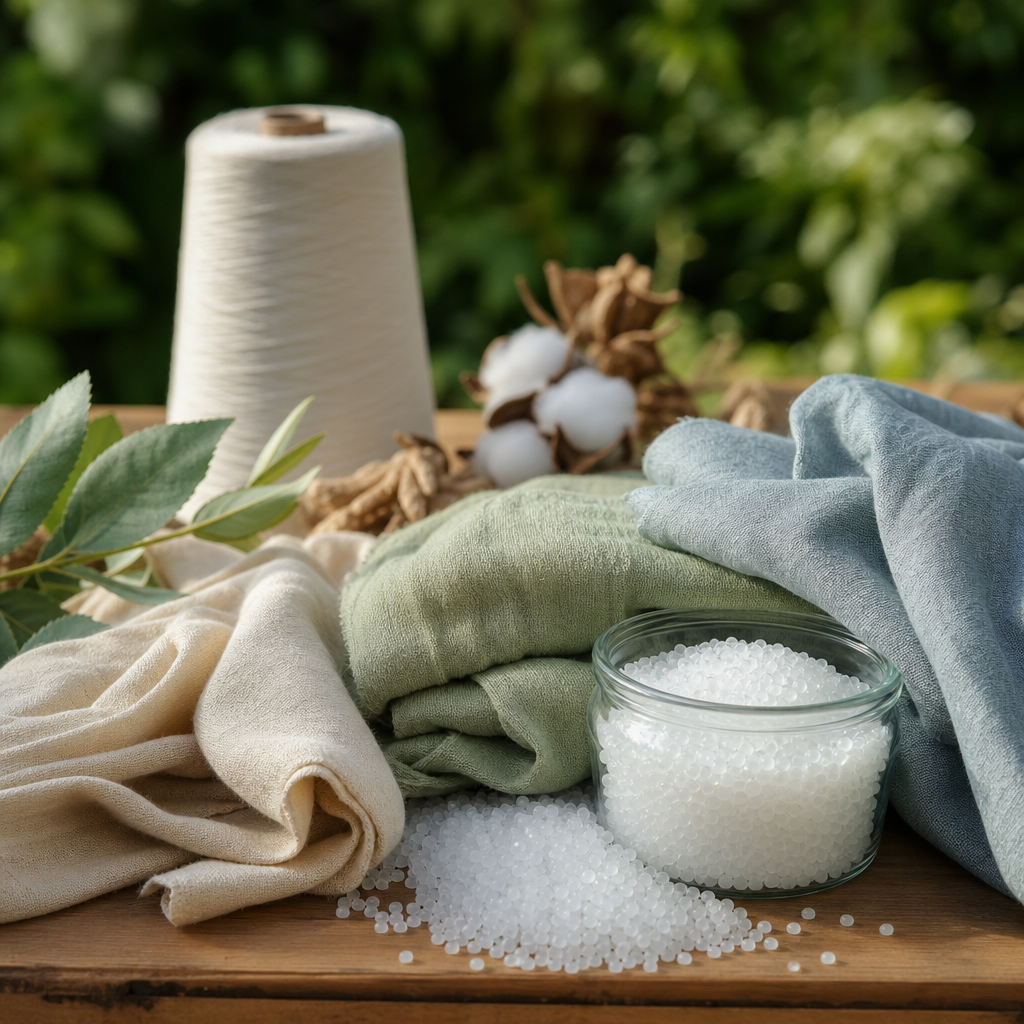
Innovations in polymers for eco-friendly textiles are reshaping how fabrics are designed, manufactured, used, and recovered at end of life. In this context, polymers are the long-chain molecules that form fibers, films, coatings, foams, and finishes used across apparel, home furnishings, footwear, filtration, and technical fabrics. Eco-friendly textiles are materials that reduce environmental burden through renewable feedstocks, lower energy processing, safer chemistry, durability, biodegradability where appropriate, and improved recyclability. I have worked with polymer selection for textile products, and the pattern is clear: sustainability gains do not come from a single miracle fiber. They come from matching polymer chemistry to application, then designing the full system around performance, emissions, and circularity.
This topic matters because textiles sit at the intersection of climate, water, waste, and human health. Conventional polyester and nylon dominate global fiber demand because they are strong, affordable, and scalable, yet both rely heavily on fossil feedstocks and shed microfibers during wear and washing. Cotton avoids synthetic polymer concerns but can carry heavy water, land, and pesticide impacts depending on region and farming practice. New polymer innovations aim to keep the benefits people expect from modern textiles while cutting greenhouse gas emissions, toxic inputs, and disposal problems. For brands, mills, and product developers, understanding these polymer platforms is now central to material strategy, product compliance, and credible environmental claims.
Environmental and sustainable applications span a broad range: biodegradable agricultural fabrics, bio-based performance wear, recyclable mono-material garments, solvent-spun cellulosic knits, compostable nonwovens for hygiene, and low-shedding filtration media. As a hub article under case studies and applications, this page explains the main polymer families, where they work best, their limitations, and how they are being used in real products. It also frames the practical questions buyers and engineers ask first: Which polymers are truly bio-based? Which ones biodegrade in soil, marine water, or industrial composting? How do recycled polymers compare with virgin grades? What finishing technologies reduce water and chemistry use? And how should a company prioritize innovations without compromising durability, cost, or safety?
Bio-based and regenerated polymers expanding textile options
The first major innovation area is the move from fossil-derived feedstocks toward renewable carbon. Bio-based does not automatically mean biodegradable, but it can materially reduce dependence on petroleum and, in some systems, lower cradle-to-gate emissions. Polylactic acid, or PLA, is one of the best-known examples. Produced from fermented plant sugars, PLA fibers have been used in nonwovens, insulation, wipes, and selected apparel blends. They offer low density, decent moisture management, and industrial compostability under controlled conditions. In practice, PLA works well in disposable or semi-durable products where heat resistance demands are moderate. It is less suitable for high-temperature laundering and some technical uses because hydrolysis and lower thermal stability can limit service life.
Another important family is regenerated cellulosics, including lyocell, modal, and viscose. These are not synthetic in the same way polyester is; they are made by dissolving natural cellulose from wood pulp and reforming it into fiber. The innovation difference lies in solvent systems and process control. Lyocell, made using N-methylmorpholine N-oxide in a closed-loop process, is widely regarded as the benchmark for lower-impact regenerated cellulose because the solvent is largely recovered and reused. In mills, I have seen lyocell chosen when brands need softness, moisture absorption, and improved fibrillation control compared with earlier generations. It performs especially well in denim blends, workwear shirting, and home textiles where hand feel and dye uptake matter.
Bio-based polyamides and polyesters are also maturing. Castor-oil-derived polyamide 11 and partially bio-based polyamide 610 are used in performance textiles, footwear components, and outdoor gear because they combine lower moisture uptake than some nylons with strong chemical resistance and flexibility. Bio-based polyethylene terephthalate, often made with plant-based monoethylene glycol, retains the familiar properties of conventional PET and can run on existing polyester equipment. That compatibility is strategically important. A polymer that drops into current spinning, weaving, knitting, and dyeing infrastructure has a much higher chance of market adoption than one requiring a new manufacturing stack.
Biodegradable polymers for targeted end-of-life solutions
Biodegradable polymers attract intense attention, but their value depends on application and disposal conditions. A clear answer to a common question is this: biodegradable textiles are most useful where recovery is difficult, contamination is expected, or products are intentionally short lived. Examples include agricultural mulch fabrics, certain wipes, medical nonwovens, tea bags, and packaging-textile hybrids. For durable apparel expected to last years, biodegradability can conflict with longevity unless carefully engineered. The goal is not to make every garment disappear quickly; the goal is to use biodegradation where it solves a real waste problem without sacrificing use-phase performance.
Polyhydroxyalkanoates, known as PHAs, are among the most promising polymers in this category. Produced by microbial fermentation, PHAs can biodegrade in several environments, including marine settings for some grades, though rates vary significantly with temperature, microbial activity, thickness, and formulation. Their barrier properties and compostability make them candidates for coated fabrics, disposable nonwovens, and blends. Polybutylene succinate, or PBS, and polybutylene adipate terephthalate, or PBAT, are also relevant in compostable textile systems, especially in nonwoven structures. However, these polymers can be more expensive than incumbent materials and may need blending or additives to achieve required softness, tensile strength, or processability.
Standards matter here. Claims about compostability and biodegradation should be tied to recognized test methods such as ASTM D6400, EN 13432, ASTM D6691, or ISO 14855, depending on the environment being referenced. I advise teams to avoid vague “earth friendly” messaging and specify the exact condition: industrial composting, home composting, soil biodegradation, or marine biodegradation. Those are not interchangeable. A textile that meets industrial composting requirements may not break down effectively in backyard compost or seawater. Good polymer innovation therefore includes not only material design but also labeling, collection pathways, and realistic disposal instructions that match actual infrastructure.
Recycled polymers and closed-loop textile systems
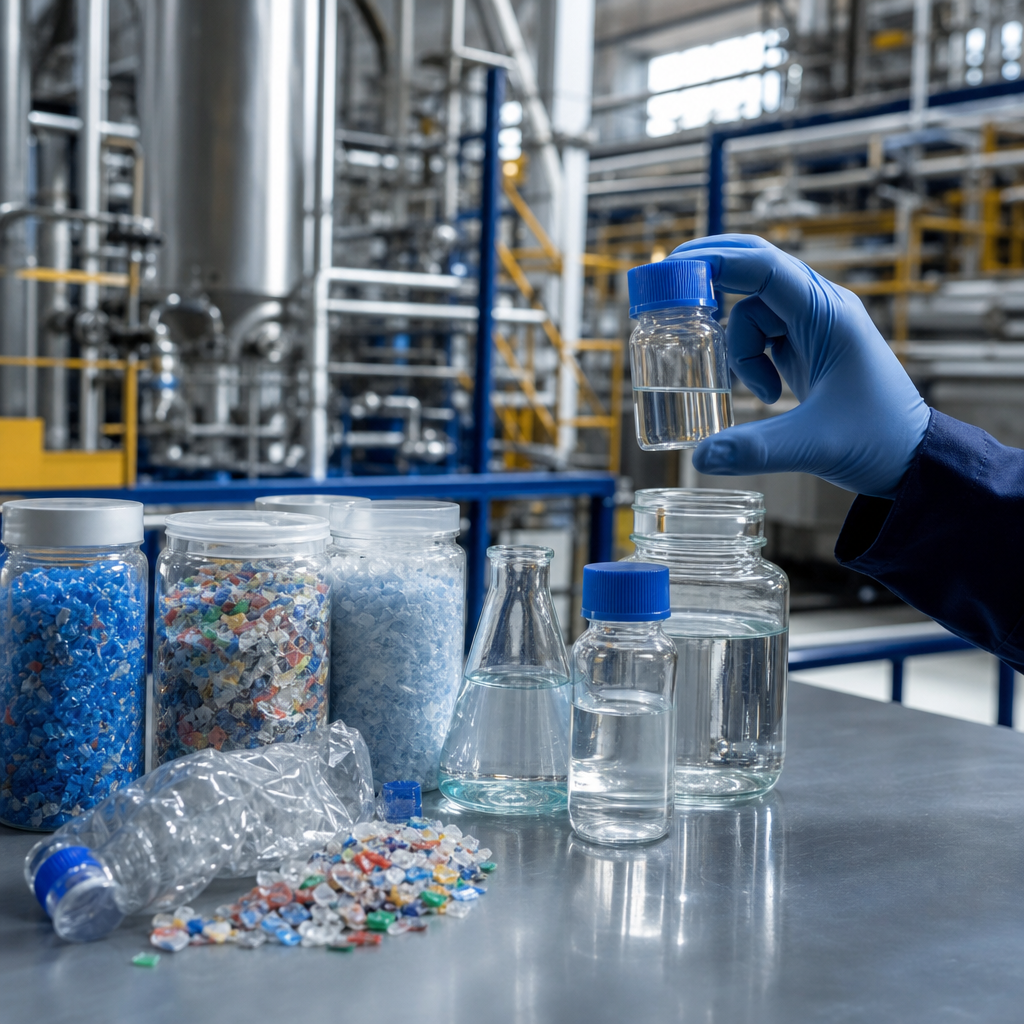
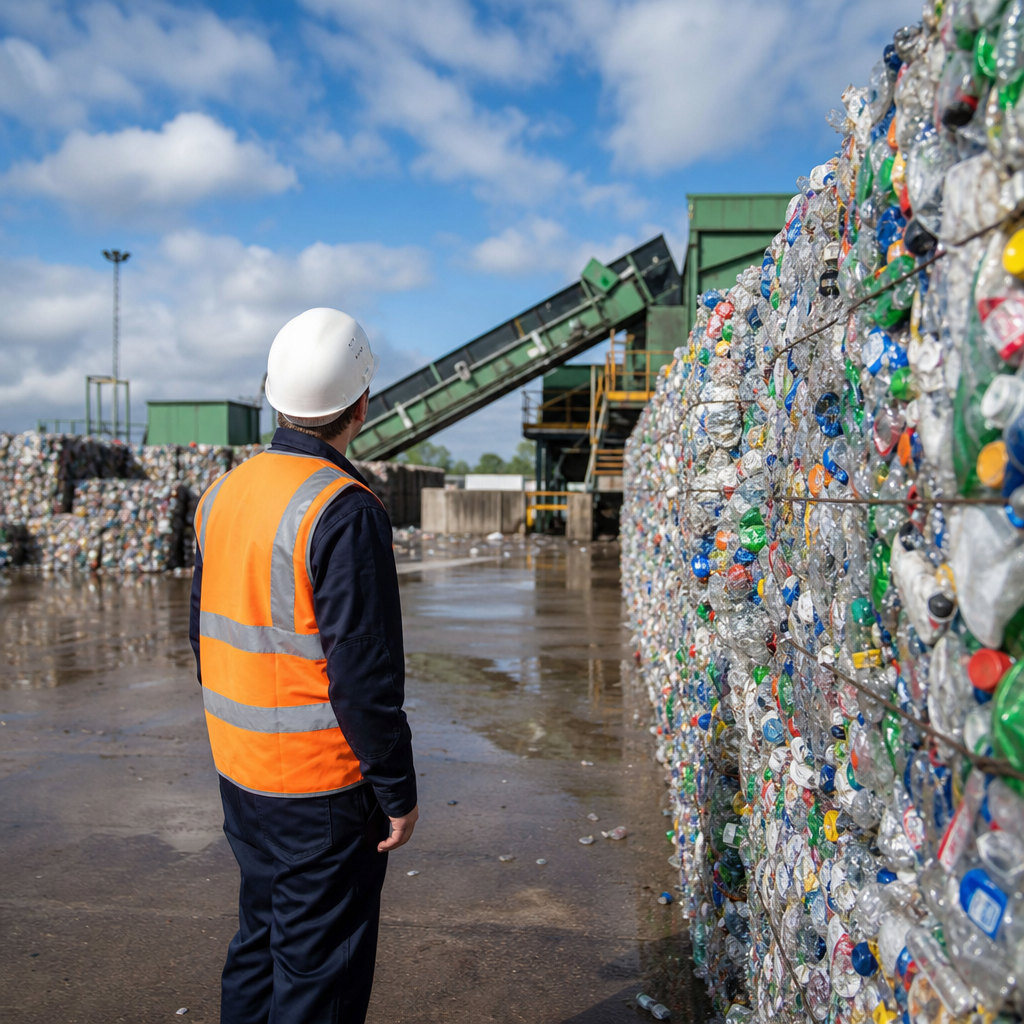
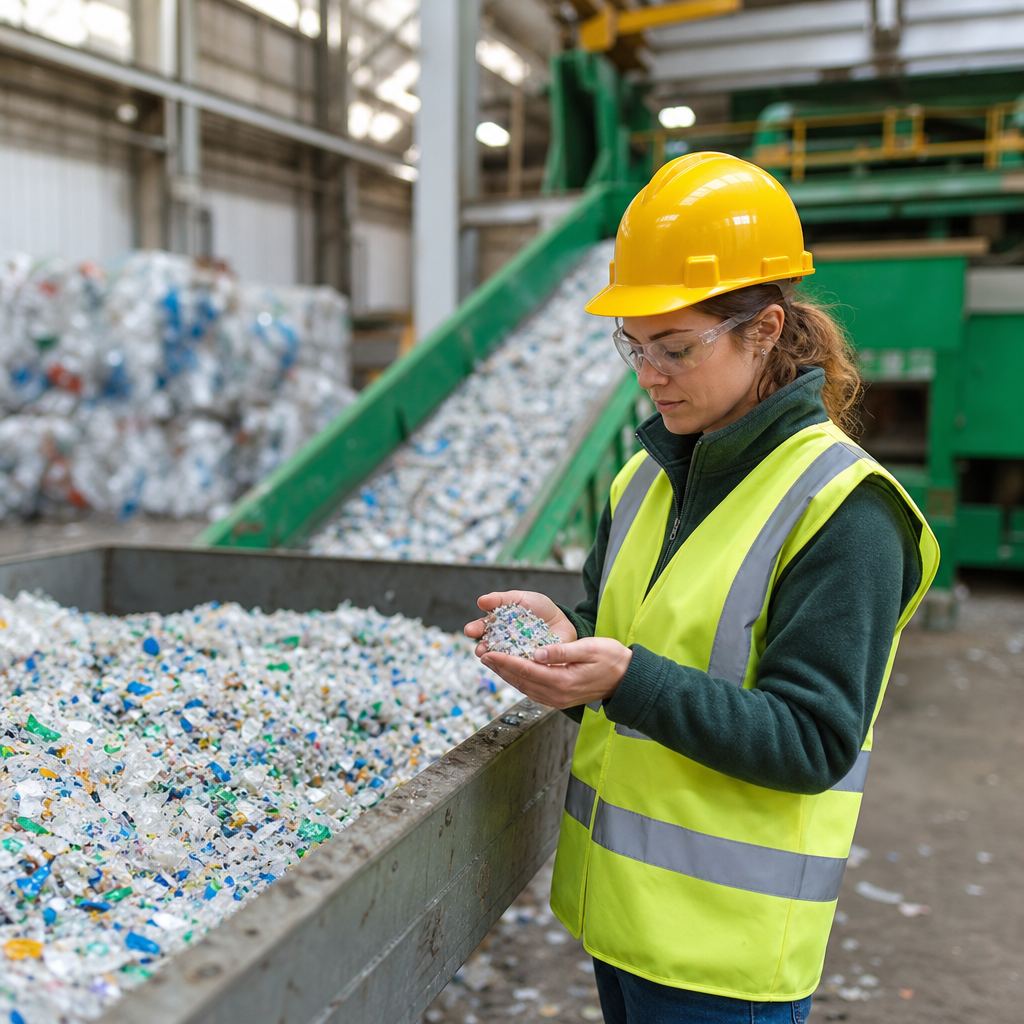
Recycled polymers are currently the fastest route to lower-impact textiles at scale because they build on existing high-volume fibers. Recycled polyester, typically sourced from PET bottles or textile waste, is now common in sportswear, fleece, backpacks, and upholstery. Recycled nylon, including yarns made from fishing nets and carpet waste, has gained traction in swimwear, hosiery, and luxury outerwear. The environmental logic is straightforward: using recycled feedstock can reduce virgin fossil extraction and often lowers energy demand relative to producing new polymer from petrochemical monomers. The technical challenge is preserving polymer quality through collection, sorting, decontamination, depolymerization or remelting, and respinning.
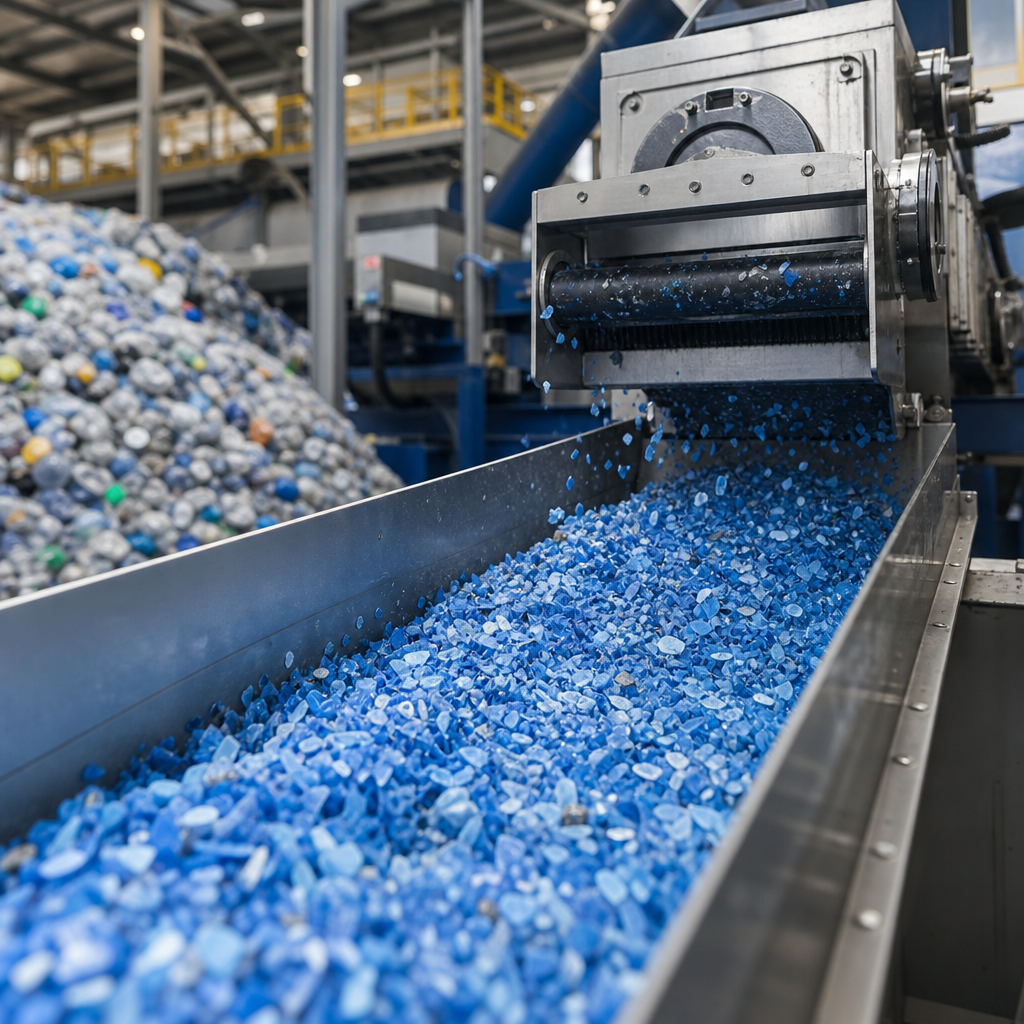
Mechanical recycling is simpler and more established, but each heat history can shorten polymer chains and reduce molecular weight. That can affect tensile strength, elongation, dye consistency, and pilling behavior unless viscosity is rebuilt through solid-state polymerization, chain extenders, or blending with virgin resin. Chemical recycling, including glycolysis, methanolysis, hydrolysis, and depolymerization to caprolactam for nylon 6, can produce near-virgin monomers if the process is well controlled. The drawback is cost, solvent management, and the need for cleaner feedstock streams. Even so, several textile supply chains are moving in this direction because bottle-based recycling alone will not create true textile circularity.
| Polymer route | Main benefit | Best-fit applications | Key limitation |
|---|---|---|---|
| Recycled PET | Scalable reduction in virgin fossil use | Sportswear, fleece, bags, upholstery | Microfiber shedding and feedstock competition with bottle recycling |
| Chemically recycled nylon 6 | High-quality monomer recovery | Swimwear, hosiery, technical fabrics | High processing cost and strict sorting needs |
| Lyocell | Cellulosic comfort with closed-loop solvent recovery | Denim, shirting, bedding, wipes | Wet processing and fibrillation control require expertise |
| PLA | Renewable feedstock and compostability in controlled systems | Nonwovens, insulation, selected apparel blends | Lower heat resistance than PET or nylon |
| PHA | Strong end-of-life potential in targeted uses | Disposable nonwovens, coatings, specialty fabrics | Price and limited large-scale supply |
Closed-loop systems also depend on garment architecture. A recyclable polymer is less helpful if a product mixes incompatible fibers, elastane, adhesives, foams, prints, and trim that cannot be separated economically. That is why mono-material design has become a serious innovation pathway. All-polyester outerwear, single-family polyamide sports gear, and cellulosic-rich garments with easy-to-remove trims simplify sorting and recycling. Digital product passports, tracer yarns, and near-infrared sorting are beginning to support these systems. The core lesson from real deployments is that polymer innovation and product design must advance together, or circularity claims remain theoretical.
Low-impact finishing, coatings, and microfiber control
Much of a textile’s environmental profile is determined after the fiber is made. Finishes, membranes, coatings, and dye-assist chemistries can either lock in sustainability gains or erase them. Significant progress has come from replacing solvent-heavy and fluorinated systems with waterborne polyurethane dispersions, silicone-based softeners, bio-based coatings, and plasma or enzymatic surface treatments. For example, durable water repellency has historically relied on long-chain fluorocarbons, which raise persistence concerns. The industry shift toward C0 and short-chain alternatives has been uneven because repellency and oil resistance can drop, but the direction is established and necessary.
Polymer engineers are also redesigning fiber cross-sections, yarn twist, and surface morphology to reduce microfiber release. Shedding is influenced by staple length, yarn hairiness, fabric construction, abrasion, and laundering conditions, not only polymer type. In testing, tightly constructed continuous-filament fabrics generally shed less than loosely spun fleece structures. Additives that improve abrasion resistance, lower-fuzz yarns, and better heat setting can help. Washing machine filters and wastewater capture systems are part of the solution, but source reduction is more reliable. When I review textile specifications, I look for Martindale abrasion data, pilling ratings, and standardized shedding assessments because “recycled” alone does not address this pollution pathway.
Dyeing and coloration are another hotspot. Solution-dyed polyester and nylon incorporate pigment during melt spinning, which dramatically reduces water use and improves colorfastness for many applications. Dope-dyed carpet and automotive textiles have used this logic for years, and apparel adoption is increasing in basics and uniforms. Supercritical CO2 dyeing for polyester avoids water almost entirely, though capital cost remains high. For cellulosics, cationic modifications and low-liquor-ratio dyeing can reduce chemical and water consumption. These process innovations are often less visible than a new fiber launch, but they deliver measurable environmental savings and deserve equal attention in sustainable textile planning.
Case studies in environmental and sustainable applications
Real-world applications show where polymer innovation is delivering practical value. In outdoor apparel, brands have paired recycled polyester shells with bio-based or recycled membranes and fluorine-free water repellents to reduce fossil content and hazardous chemistry without sacrificing weather protection. Performance depends on lamination quality, seam construction, and wash durability, so the best products publish hydrostatic head and breathability metrics rather than relying on generic sustainability claims. In bedding and home textiles, lyocell blends are used to improve moisture management and softness while reducing reliance on cotton in water-stressed sourcing regions. These products succeed because the fiber benefit is tangible to consumers.
In hygiene and medical nonwovens, compostable polymer systems are being tested for selected disposables where contamination makes conventional recycling impractical. Here, PLA, PBS, and cellulosic blends can offer a controlled end-of-life pathway if the collection system exists. Agriculture provides another strong example. Biodegradable mulch fabrics and crop-support materials can reduce the labor and waste associated with retrieving conventional plastic films from fields. The exact polymer choice depends on climate, crop cycle, soil biology, and local regulation. A mulch textile that fragments before harvest fails its purpose, while one that persists too long undermines the environmental objective. Application-specific validation is essential.
Footwear and automotive interiors are proving grounds for mono-material thinking. Knitted uppers, spacer fabrics, molded components, and backing layers are increasingly designed around a single polymer family so production scraps and post-use materials can be recovered more efficiently. Major suppliers now use mass-balance certified bio-attributed polyamides and polyesters to cut fossil input while maintaining identical performance specifications. That matters in regulated sectors where flammability, fogging, abrasion, and color consistency cannot be compromised. Across these examples, the strongest sustainable applications are the ones where polymer science, processing realities, certification, and end-of-life logistics are considered together from the first design brief.
How to evaluate the next generation of textile polymers
The best way to evaluate innovations in polymers for eco-friendly textiles is to ask five direct questions. First, what problem is this polymer solving: carbon intensity, toxicity, water use, microfiber shedding, landfill persistence, or recyclability? Second, does the claim rely on feedstock, manufacturing, use phase, or end of life, and is the tradeoff transparent? Third, what standards or certifications support the data, such as Global Recycled Standard, OEKO-TEX, bluesign, FSC, or compostability testing? Fourth, can the material run reliably at commercial scale on existing equipment? Fifth, what happens to the product after use in the markets where it will actually be sold?
Life cycle assessment should guide decisions, but it needs careful interpretation. Results change with system boundaries, energy mix, land-use assumptions, and allocation methods. A bio-based polymer can look excellent on renewable carbon content yet perform less impressively if agricultural inputs are intensive or yield losses increase waste. A recycled polymer may score well on emissions but still need design changes to address shedding or difficult trims. In procurement reviews, I prefer side-by-side LCAs using the same methodology and functional unit, backed by pilot production data rather than lab-only samples. That level of discipline prevents expensive material switches that improve storytelling more than environmental performance.
The direction of travel is unmistakable: textile polymers are becoming more renewable, more recoverable, more application-specific, and more tightly linked to verified environmental outcomes. For companies building sustainable product portfolios, the opportunity is not to chase every novel resin. It is to create a polymer roadmap that aligns material choice with product lifespan, user needs, regional waste systems, and measurable impact targets. Start with high-volume products, simplify material mixes, verify claims against recognized standards, and pilot the most promising innovations with mills and converters that understand the chemistry. Done well, polymer innovation turns eco-friendly textiles from a marketing category into a credible, scalable industrial strategy.
Frequently Asked Questions
1. What kinds of polymer innovations are making textiles more eco-friendly?
Today’s most important polymer innovations are focused on improving the full life cycle of textile materials, not just substituting one fiber for another. This includes bio-based polymers made partly or fully from renewable feedstocks such as plant sugars, agricultural residues, cellulose, algae-derived inputs, or fermentation-based raw materials. It also includes recyclable polyester and nylon systems designed for easier recovery, biodegradable polymers for specific applications, lower-impact coatings and finishes that reduce hazardous chemistry, and polymer blends engineered for durability, lightweight performance, and lower resource use. In practical terms, these advances are changing the way fibers, films, foams, membranes, and surface treatments are created across apparel, footwear, home furnishings, industrial fabrics, and filtration media.
Another major area of innovation is polymer design for circularity. Researchers and manufacturers are developing polymers that can be depolymerized back into useful chemical building blocks, mechanically recycled with less property loss, or processed in ways that make sorting and recovery easier at end of life. Monomaterial textile constructions, reversible adhesives, recyclable elastomer systems, and coatings that do not interfere with downstream recycling are all part of this shift. Instead of treating performance and sustainability as separate goals, newer polymer platforms aim to deliver strength, flexibility, moisture management, stretch, abrasion resistance, and weather protection while also reducing fossil dependence, emissions, toxic inputs, and waste. That combination is what makes current polymer innovation especially significant for eco-friendly textiles.
2. How do bio-based polymers differ from biodegradable polymers in textiles?
This is one of the most commonly misunderstood topics in sustainable materials. A bio-based polymer is defined by where its carbon comes from, while a biodegradable polymer is defined by how it behaves at end of life under certain conditions. A textile polymer can be bio-based without being biodegradable, biodegradable without being bio-based, both, or neither. For example, some polymer systems are made from renewable agricultural or fermentation-derived feedstocks but are designed to perform similarly to conventional durable synthetics, which means they may not readily biodegrade in natural environments. On the other hand, some biodegradable polymers can be made partly from fossil resources but still break down under controlled composting or other managed conditions.
In textiles, that distinction matters because the best option depends on the application. For long-life products like upholstery, technical fabrics, performance outerwear, or reusable industrial materials, durability and recyclability may deliver greater environmental benefit than rapid biodegradation. For short-life or contamination-prone applications, such as certain wipes, agricultural textiles, or single-use nonwovens, a biodegradable polymer may be more appropriate if the disposal system supports it. The key point is that neither term automatically means “better” in every situation. Responsible material selection depends on feedstock sourcing, manufacturing impacts, product lifespan, washing behavior, infrastructure for recycling or composting, and whether the polymer performs safely and effectively in the intended use.
3. Can innovative textile polymers really reduce environmental impact across the product life cycle?
Yes, but the reduction depends on how the polymer is designed, processed, used, and recovered. A polymer can lower environmental impact in several ways. If it is made from renewable feedstocks, it may reduce dependence on virgin fossil resources. If it can be processed at lower temperatures or with less solvent, it may cut energy use and manufacturing emissions. If it enables stronger, lighter, or more durable fabrics, it may extend product life and reduce replacement frequency. If it improves stain resistance, moisture control, or dimensional stability without relying on harmful chemistries, it can reduce maintenance burdens and toxic exposure. And if it supports recycling or controlled biodegradation at end of life, it can divert materials from landfill or incineration.
However, meaningful improvement requires a life-cycle perspective. A polymer marketed as sustainable is not automatically low impact if it drives land-use pressure, requires intensive chemical processing, sheds problematic microfibers, or cannot be recovered in real-world systems. That is why life cycle assessment, traceable feedstock accounting, chemical safety review, and performance testing are so important. For eco-friendly textiles, the strongest innovations tend to be those that balance multiple priorities at once: lower-carbon feedstocks, safer additives, efficient manufacturing, long service life, reduced fiber fragmentation, and credible end-of-life options. In other words, the polymer itself is only part of the story; the surrounding system determines whether the innovation translates into genuine environmental benefit.
4. What role do recyclable and circular polymers play in the future of sustainable textiles?
Recyclable and circular polymers are becoming central to the future of textile sustainability because they address one of the industry’s biggest challenges: what happens after use. Traditional textile systems often combine multiple fibers, coatings, dyes, laminates, and finishes in ways that make recovery difficult or uneconomical. New polymer innovation is changing that by making materials easier to sort, separate, reprocess, or chemically recycle. This includes polyester and polyamide systems optimized for closed-loop recovery, thermoplastic constructions that can be remelted and remanufactured, and polymer chemistries designed to retain value through repeated cycles rather than becoming waste after a single life.
Circularity also influences product design at the beginning, not just disposal at the end. Textile developers are increasingly selecting polymers that work in monomaterial garments, compatible component systems, or modular constructions that simplify repair and disassembly. In footwear and technical textiles, this can mean designing uppers, reinforcements, adhesives, and foams around compatible polymer families. In apparel and home textiles, it can mean reducing mixed-fiber complexity or replacing problematic coatings with recyclable alternatives. The long-term value of circular polymers is that they can decouple textile performance from constant virgin material extraction. When supported by take-back systems, identification technology, recycling infrastructure, and smart product engineering, they create a more practical path toward eco-friendly textiles at scale.
5. What should brands, manufacturers, and consumers look for when evaluating eco-friendly polymer textiles?
The most reliable approach is to look beyond simple claims and evaluate the material through several lenses at once. First, examine feedstock origin: is the polymer fossil-based, recycled, bio-based, or a combination of these, and is that sourcing traceable and responsibly managed? Second, review manufacturing impacts: does the polymer require less energy, water, or solvent, and does it avoid hazardous additives such as certain fluorinated chemistries, toxic plasticizers, or problematic finishing agents? Third, assess durability and function: a textile that lasts longer, keeps its performance through many wash cycles, and resists premature failure is often more sustainable than one that sounds greener but wears out quickly. Fourth, consider end of life: can the textile be mechanically or chemically recycled, composted under industrial conditions, or safely processed through existing waste systems?
It is also important to look for evidence, not just marketing language. Certifications, material disclosures, recycled or bio-based content verification, restricted substance compliance, and life-cycle data can help separate serious innovation from vague sustainability positioning. For consumers, practical signals include care requirements, repairability, expected lifespan, and whether the brand offers take-back or recycling programs. For manufacturers and sourcing teams, compatibility with existing machinery, quality consistency, chemical management, and compliance with product safety standards are equally important. Ultimately, the best eco-friendly polymer textile is one that combines credible environmental improvement with real-world usability, safe chemistry, strong performance, and a realistic pathway for recovery when the product reaches the end of its useful life.