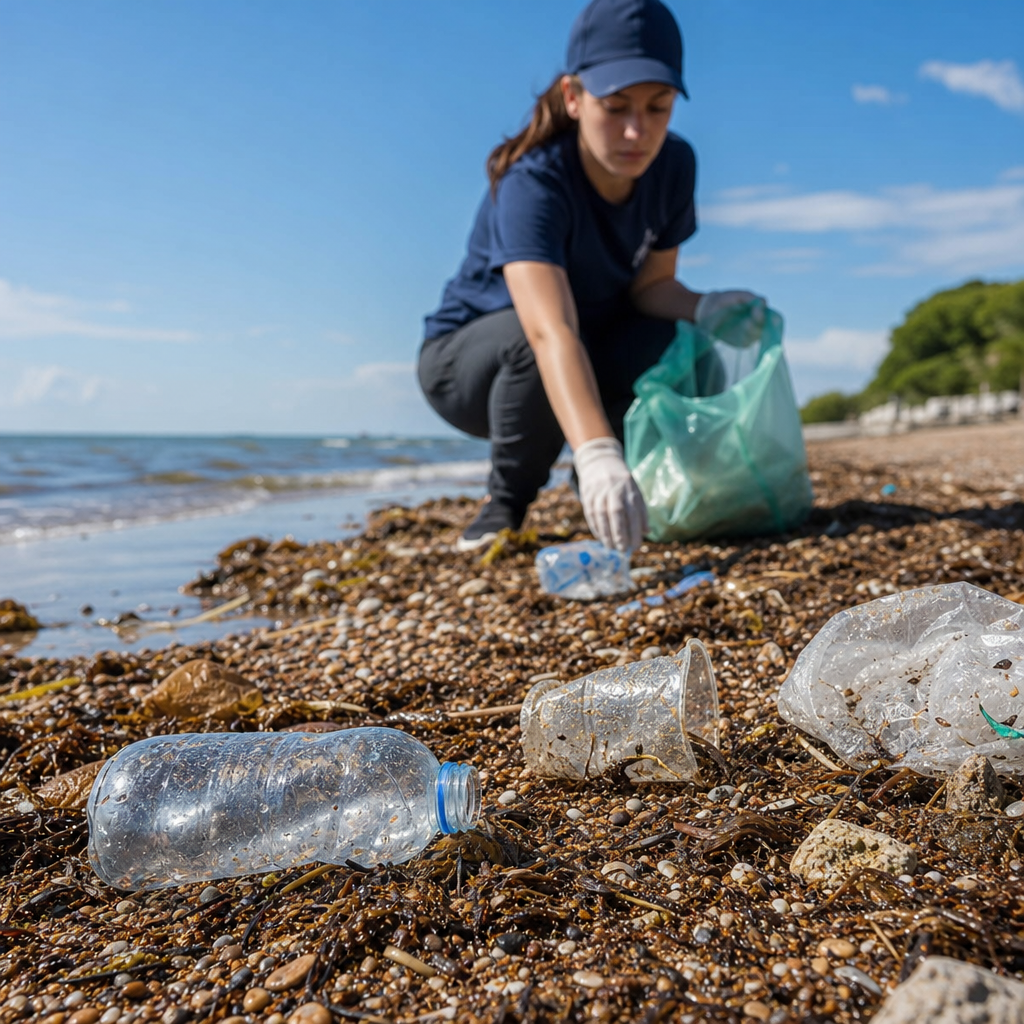
Marine pollution is often framed as a plastics problem, but that description is too narrow to be useful. The more accurate question is how polymers, the large-chain molecules used in packaging, coatings, ropes, filters, membranes, foams, and composites, can either worsen ocean contamination or actively reduce it. In practice, polymers sit at the center of both sides of the equation. I have worked on materials content and industrial sustainability briefs long enough to see this pattern repeatedly: the same class of materials blamed for shoreline litter is also used in wastewater treatment plants, desalination systems, fishing gear redesign, oil-spill sorbents, and low-emission transport components that prevent pollutants from reaching coastal waters in the first place.
Understanding the impact of polymers on reducing marine pollution starts with definitions. Marine pollution includes solid waste such as abandoned fishing gear and consumer packaging, dissolved contaminants such as nutrients and heavy metals, oil and hydrocarbons, pathogens, and microscopic particles including microplastics and tire wear fragments. Polymers are natural or synthetic substances made of repeating molecular units. Common synthetic examples include polyethylene, polypropylene, polyethylene terephthalate, polyurethane, nylon, and polyvinyl alcohol. Bio-based and biodegradable polymers include polylactic acid, polyhydroxyalkanoates, starch blends, and cellulose derivatives. Their impact depends less on the word polymer itself and more on chemistry, product design, collection systems, and where the material is likely to end its life.
This matters because most marine pollution begins on land. The United Nations Environment Programme has consistently emphasized that inadequate waste management, untreated wastewater, stormwater runoff, industrial discharge, and lost maritime equipment are major pathways to the sea. That means polymer innovation can intervene upstream. Better barrier packaging reduces food waste and the resource burden tied to replacement production. High-performance geomembranes contain landfill leachate. Membrane filtration removes contaminants before discharge. Durable polymer composites lower corrosion in marine infrastructure. Engineered fibers can make fishing gear traceable and recoverable. When chosen deliberately, polymers are not just consumer materials; they are environmental control tools.
At the same time, no serious discussion can ignore tradeoffs. A polymer marketed as biodegradable may fail to break down in cold seawater. A reusable polymer product can still become pollution if collection systems are weak. Recycled content may reduce virgin resin demand but can complicate performance in food-contact or high-salinity environments. The goal is not to celebrate polymers indiscriminately. It is to explain where they genuinely reduce marine pollution, what conditions make those applications work, and which mistakes still push contamination into rivers, estuaries, and oceans. For organizations building sustainability strategies under environmental and sustainable applications, this hub topic is essential because it connects materials science, waste systems, coastal protection, water treatment, fisheries, and circular design into one practical framework.
How polymers prevent pollution before it reaches the ocean
The most effective marine pollution control strategy is interception on land, and polymers play a major role there. In modern waste systems, high-density polyethylene geomembranes line landfills and hazardous waste cells to stop leachate from migrating into groundwater that eventually feeds rivers and coasts. Polypropylene geotextiles stabilize soil around drainage channels and coastal construction sites, reducing erosion and sediment loads that can carry metals, nutrients, and debris. In stormwater infrastructure, polymer-based filters and catch-basin inserts trap litter and suspended solids before heavy rain flushes them into waterways. These are not theoretical gains. Municipalities using gross pollutant traps and polymer filtration media routinely report lower loads of floatables and sediment entering receiving waters.
Wastewater treatment is another direct example. Membranes made from polyvinylidene fluoride, polysulfone, polyethersulfone, and related polymers are standard in membrane bioreactors, ultrafiltration skids, and reverse osmosis systems. They remove suspended solids, pathogens, and in many configurations a meaningful share of microplastics and synthetic fibers before effluent is discharged. In facilities I have reviewed, polymer membranes routinely outperform older clarification-only systems because separation is physical, consistent, and scalable. They also support water reuse, which lowers the volume of contaminated discharge. For coastal cities under tourism pressure, upgrading to membrane-intensive treatment can materially cut bacteria, nutrient loads, and visible pollution in nearshore waters.
Packaging also has a less obvious marine role. Multi-layer polymer films and barrier containers are often criticized for recycling difficulty, and that criticism is valid, yet they also extend shelf life for meat, dairy, produce, and medical supplies. According to the Food and Agriculture Organization, food waste carries substantial climate and water impacts. When food spoils early, more agricultural runoff, fertilizer use, and transport emissions are needed to replace it. Those upstream losses contribute indirectly to coastal eutrophication and water stress. In other words, well-designed polymer packaging can reduce marine pollution when it prevents larger environmental burdens and is paired with collection or redesign for recyclability.
Polymers used in cleanup, containment, and marine operations
Polymers are also deployed after pollutants are released. Oil-spill response depends heavily on polypropylene sorbents because the fiber structure is oleophilic and hydrophobic, allowing it to absorb hydrocarbons while repelling water. Booms, pads, and socks made from polypropylene are standard tools in ports, refineries, marinas, and offshore response kits. Polyurethane foams and specialty polymer composites are used in some remediation systems to capture oils or organic contaminants from industrial runoff. These materials do not eliminate the need for prevention, but they significantly reduce the spread and persistence of spills when responders act quickly.
In marine infrastructure, corrosion-resistant polymers can reduce chronic contamination from coatings failure and metal loss. Fiber-reinforced polymer components are used in fenders, gratings, sheet piles, walkways, and selected structural elements because they resist saltwater corrosion better than unprotected steel. That lowers maintenance frequency, reduces coating debris, and can lengthen asset life in ports and waterfront facilities. Protective epoxy and polyurethane coatings, when properly specified and maintained, also shield tanks, pipelines, and vessels from leaks that would otherwise release fuel or chemicals. The environmental gain here is practical: a contained system is less likely to become a marine pollution incident.
Fishing and aquaculture create one of the clearest cases where polymer redesign matters. Nets, lines, cages, and ropes are commonly made from nylon, polyethylene, and polypropylene because they combine strength, buoyancy control, and abrasion resistance. The problem is gear loss and ghost fishing. The solution is not simply banning polymers; it is improving gear identification, retrieval, durability in the right places, and degradability in the right places. Trials with marked gear, RFID tags, acoustic tracking, and designed weak links help operators recover equipment before it becomes long-lived debris. In shellfish and aquaculture systems, tougher polymer components can also reduce fragmentation compared with brittle, low-quality alternatives.
| Application | Common polymer | How it reduces marine pollution | Main limitation |
|---|---|---|---|
| Wastewater membrane filtration | PVDF, PES, PSf | Removes solids, pathogens, and many microplastic particles before discharge | Energy use, fouling, concentrate management |
| Oil-spill sorbents | Polypropylene | Absorbs hydrocarbons rapidly in ports and coastal incidents | Requires recovery and proper disposal after use |
| Landfill and containment liners | HDPE | Blocks leachate migration into water systems connected to coasts | Needs correct installation and long-term monitoring |
| Fishing gear redesign | Nylon, PE, PP, PHA blends | Improves retrieval, traceability, and controlled degradation in selected parts | Performance and cost vary by fishery and climate |
| Barrier packaging | PET, PE, EVOH laminates | Reduces spoilage and upstream pollution tied to replacement production | Multi-material structures can be harder to recycle |
Bio-based, biodegradable, and recyclable polymers: where they help and where they do not
One of the most common search questions is whether biodegradable polymers solve marine pollution. The honest answer is no, not by themselves. Biodegradable means a material can be broken down by microorganisms under specified conditions; it does not guarantee rapid breakdown in seawater. Standards such as ASTM D6691 address aerobic marine biodegradation testing, while industrial compostability standards like EN 13432 describe very different environments. I have seen procurement teams confuse these categories, leading to products labeled greener but offering little benefit if they escape into cold, low-oxygen marine settings. Material claims must match the likely disposal route and local infrastructure.
That said, bio-based and biodegradable polymers do have targeted value. Polyhydroxyalkanoates, or PHAs, have shown promise in some marine-relevant applications because certain grades biodegrade more readily across environments than polylactic acid, which typically needs industrial composting conditions to break down efficiently. Researchers and manufacturers have explored PHA blends for fishing gear components, agricultural items near waterways, and single-use products in high-loss environments. Cellulose-based fibers and coatings can also replace persistent synthetic materials in some applications. The best use cases are those with a high probability of environmental leakage and limited collection options, not broad substitution everywhere.
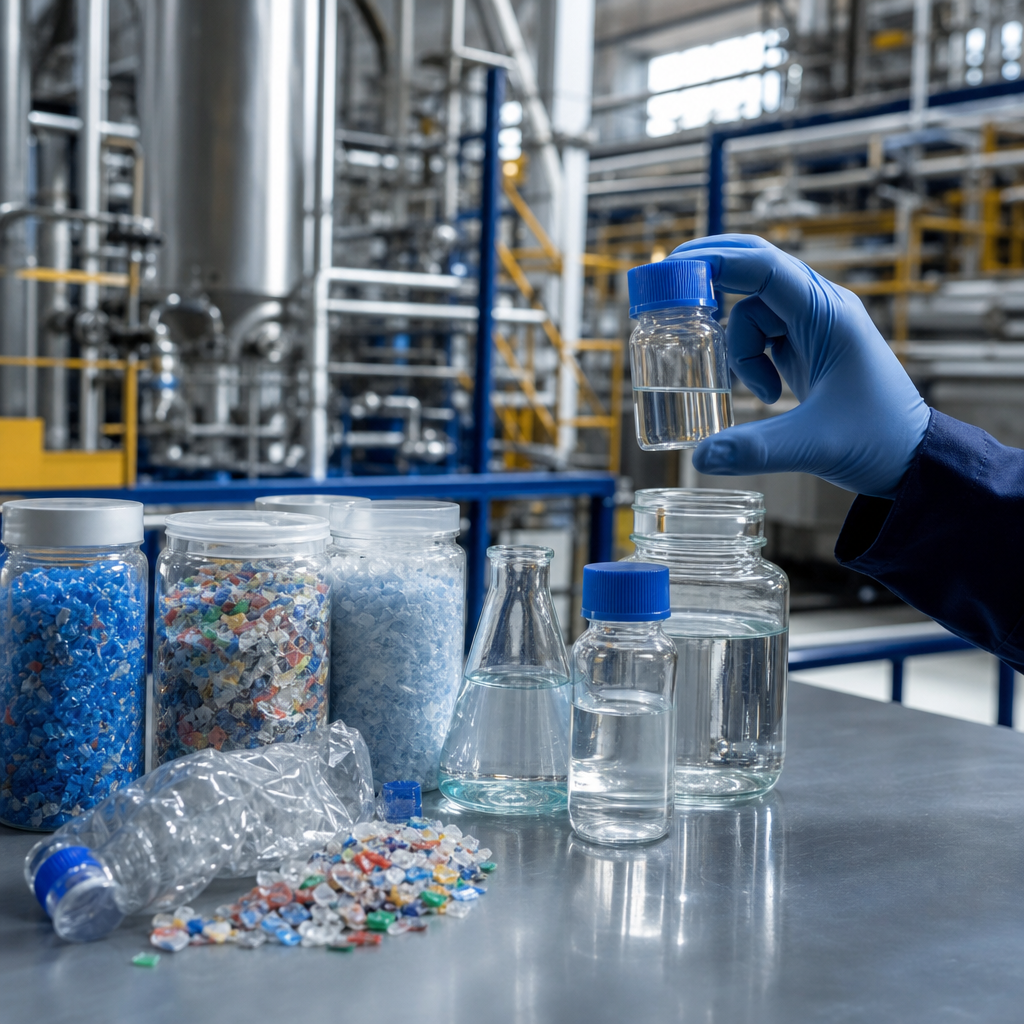
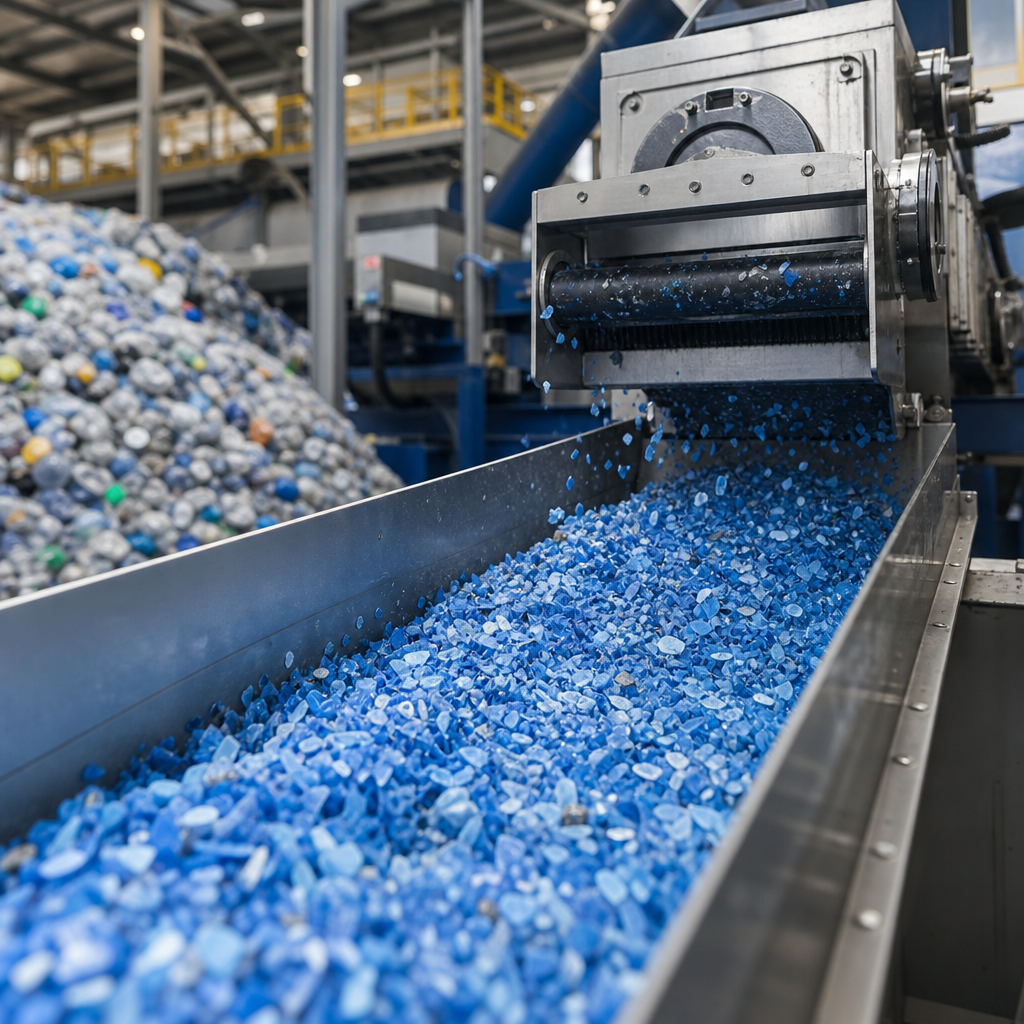
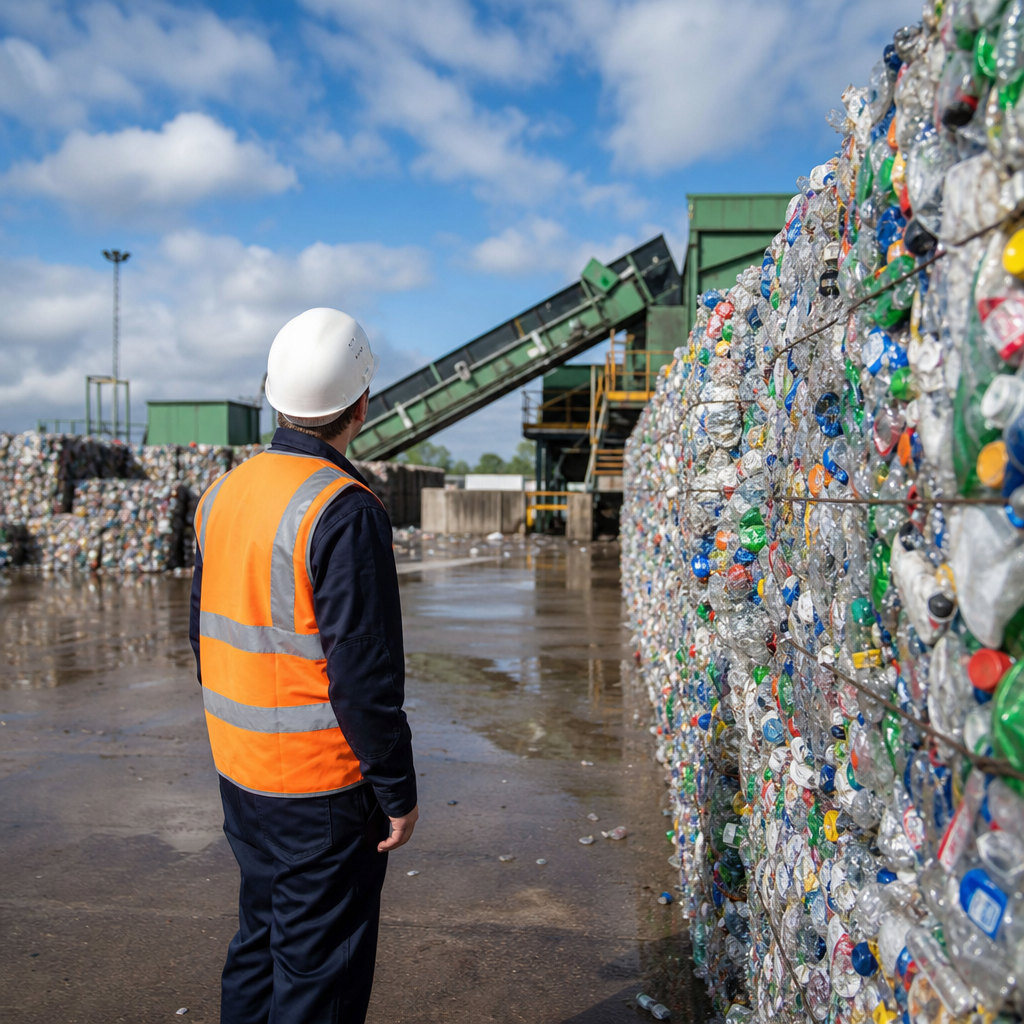
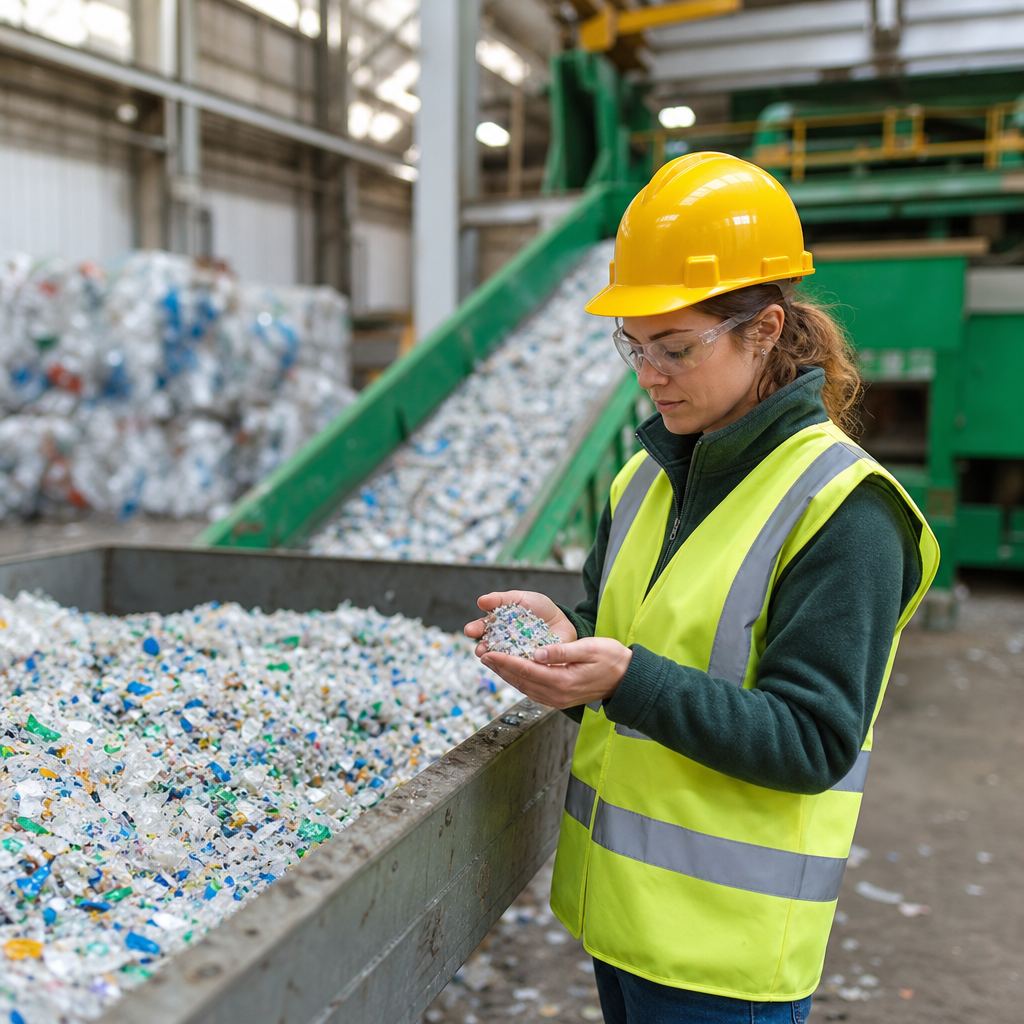
Mechanical and chemical recycling remain more important at scale for reducing ocean-bound plastic than any biodegradable option alone. Recycled polyethylene terephthalate in beverage bottles, recycled polyethylene in detergent packaging, and recycled polypropylene in durable products reduce demand for virgin resin and create market pull for collection. Deposit return systems, extended producer responsibility rules, and design-for-recycling guidelines from groups such as the Association of Plastic Recyclers and RecyClass matter because material choice only works when the recovery system exists. In coastal economies, the highest-impact intervention is usually not a novel resin; it is better sorting, collection, and accountability for leakage hotspots.
Case studies and practical lessons from environmental and sustainable applications
Several application areas show how polymer decisions produce measurable marine outcomes. First, membrane desalination and wastewater reuse in water-stressed coastal regions have reduced pollutant discharge while expanding safe water supply. Reverse osmosis membranes, typically thin-film polyamide composites, are central to desalination. Their environmental footprint includes energy demand and brine management, but compared with uncontrolled wastewater disposal or overdrawn freshwater sources, they can support cleaner coastal management when paired with responsible outfall design. Singapore’s advanced water reuse program and many Gulf desalination projects illustrate how polymer membranes underpin water resilience in densely populated marine settings.
Second, oil and chemical containment systems in ports rely on polymer engineering every day, not only during headline spills. Secondary containment liners, flexible tanks, floating booms, and absorbent materials are deployed to keep routine leaks from becoming marine incidents. In industrial audits, I have found that facilities with maintained polymer containment systems generally perform better on incident prevention than those relying on aging concrete and ad hoc absorbents. The lesson is simple: polymers reduce marine pollution most effectively when they are part of planned operating procedures, inspection schedules, and emergency drills rather than purchased as a symbolic green measure.
Third, the redesign of fishing gear is producing real progress. The Food and Agriculture Organization and regional fisheries bodies have documented the outsized impact of abandoned, lost, or otherwise discarded fishing gear on entanglement, habitat damage, and persistent litter. Programs that mark gear, finance retrieval, and test lower-impact materials have cut gear loss in specific fleets. Some trap fisheries use biodegradable escape panels so lost gear stops ghost fishing after a defined period. Others use stronger polymer ropes and better chafe protection to reduce breakage in the first place. The practical lesson is that durability and degradability must be balanced by fishery, species, and local conditions.
Finally, consumer-facing packaging shifts can influence marine pollution only when linked to systems thinking. Lightweight polymer pouches, refill formats, tethered caps, and mono-material packaging can reduce material use and improve recovery, but only if local infrastructure can collect and sort them. In places without formal waste systems, sachets and flexible packaging remain leakage risks despite low material intensity. For this hub under case studies and applications, that distinction is critical: environmental and sustainable applications succeed when product design, policy, and end-of-life management are aligned. A polymer alone does not create sustainability; a managed system does.
The impact of polymers on reducing marine pollution is real, but it is conditional. Polymers cut pollution when they contain waste, filter contaminants, prevent leaks, improve product durability, and support circular collection. They fail when products are poorly designed, claims are misleading, or disposal systems are absent. The strongest strategy is selective use: match polymer chemistry to function, design for recovery where collection is possible, use biodegradable options only in validated high-loss cases, and support infrastructure that stops leakage before it reaches water.
For teams exploring environmental and sustainable applications, the core takeaway is practical rather than ideological. Ask four questions for every polymer application: What pollutant does it prevent? What evidence supports performance? What happens at end of life? What local system will manage it? Those questions expose weak proposals and strengthen effective ones. If you are building a materials roadmap, start by auditing wastewater treatment, containment systems, fishing or maritime equipment, and packaging formats with the highest leakage risk. The best next step is straightforward: prioritize polymer applications that deliver measurable marine protection and back them with collection, standards, and accountability.
Frequently Asked Questions
How can polymers help reduce marine pollution instead of contributing to it?
Polymers can reduce marine pollution when they are designed and used to prevent waste, improve containment, and support cleaner industrial and municipal systems. That is the key distinction. Polymers are not inherently beneficial or harmful in marine environments; their impact depends on how they are selected, engineered, managed, and recovered at end of life. In real-world applications, polymers play a major role in packaging that protects food and reduces spoilage, coatings that extend the life of ships and marine infrastructure, membranes that improve water treatment, filters that capture contaminants, and composite materials that lower fuel use through lightweighting. Each of those functions can reduce pollution indirectly by preventing leaks, cutting emissions, or improving waste and wastewater control before contaminants ever reach rivers, coastlines, or open water.
For example, polymer-based membranes are widely used in desalination, wastewater treatment, and industrial separation processes. These systems can remove suspended solids, oils, pathogens, and certain dissolved pollutants from water streams that would otherwise contribute to marine contamination. Polymer coatings also help protect pipelines, docks, vessels, and storage equipment from corrosion, reducing the risk of chemical releases into marine environments. In fishing and shipping, more durable polymer components can reduce breakage and product loss when managed correctly. The broader point is that polymers often function as enabling materials in pollution prevention systems. They can strengthen barriers, improve filtration, reduce maintenance frequency, and support circular logistics. When paired with strong collection systems, better product design, and clear responsibility for recovery, polymers can be part of a marine pollution solution rather than just part of the problem.
Why is it misleading to talk about marine pollution as only a plastics problem?
Calling marine pollution only a plastics problem oversimplifies a much larger systems issue. Marine pollution includes sewage, agricultural runoff, oil spills, abandoned fishing gear, heavy metals, industrial chemicals, airborne deposition, microfibers, sediment, nutrient loading, and poorly managed solid waste. Plastics are highly visible, so they attract attention, but visibility is not the same as completeness. A floating bottle is easy to photograph. Dissolved contaminants, nutrient-driven algal blooms, contaminated stormwater, and untreated wastewater are much less visible, yet they can be just as damaging or even more severe in certain ecosystems. That is why a narrow framing can lead to poor policy and ineffective solutions.
Polymers sit inside this bigger picture in complicated ways. They can contribute to marine pollution through litter, fragmentation, poor disposal, pellet loss, gear abandonment, and product designs that shed particles or fibers. At the same time, polymers are used in booms for spill control, geotextiles for erosion management, filtration media, pipe systems that reduce leakage, and membranes that improve water quality. If the conversation focuses only on banning visible plastic items, it may miss opportunities to improve wastewater treatment, redesign fishing systems, stop industrial losses, or replace heavier materials that create higher lifecycle impacts elsewhere. A more useful approach asks where the pollution is coming from, which polymer applications are high risk, which are high value, and how better design, infrastructure, and recovery can shift the balance. That is how marine pollution reduction becomes practical rather than symbolic.
What types of polymer technologies are most effective in preventing ocean contamination?
Some of the most effective polymer technologies are the ones people rarely notice because they operate upstream, before pollution reaches marine waters. Water treatment membranes are a leading example. Polymeric membranes used in microfiltration, ultrafiltration, nanofiltration, and reverse osmosis can remove contaminants from municipal wastewater, industrial effluent, and drinking water systems. These technologies help intercept pollutants at the treatment stage, reducing discharges of solids, pathogens, oils, and certain dissolved substances. Filter media made from advanced polymers are also used in stormwater systems, industrial processes, and washing machine filtration systems to capture debris and, in some cases, fibers or particles before they enter waterways.
Protective coatings and corrosion-resistant polymer linings are another major category. When tanks, pipes, marine structures, and vessels degrade, they can release chemicals, fuels, and other hazardous substances into the environment. Polymer-based coatings help prevent that degradation and improve containment reliability. In coastal engineering and shoreline management, geosynthetics and polymer-based barriers can support erosion control and sediment stabilization when properly specified. In transport and logistics, high-performance polymer packaging can reduce leakage and product loss, especially for food, chemicals, and sensitive goods. Lightweight polymer composites can also lower fuel use in vessels and transport systems, which does not directly remove marine litter but does reduce emissions associated with shipping and infrastructure. The best-performing polymer technologies are usually those embedded in broader environmental systems: filtration, containment, durability, recovery, and controlled end-of-life management. Their success comes from solving a pollution pathway, not simply replacing one material with another.
Do biodegradable or compostable polymers solve the problem of marine pollution?
Not on their own, and this is one of the most misunderstood areas in the discussion. Biodegradable or compostable polymers may have value in specific applications, but they are not a universal answer to marine pollution. The terms themselves are often misunderstood. A material may be industrially compostable under tightly controlled conditions of heat, moisture, oxygen, and microbial activity, yet perform very differently in seawater, beach sediments, or cold natural environments. Marine conditions vary enormously, and degradation can be slow, incomplete, or dependent on factors that are not consistently present. That means a product marketed as biodegradable should never be treated as safe to release into nature or acceptable to litter.
There are still important use cases where these materials may help, especially where contamination with food or organics makes recovery difficult, or where targeted products are likely to enter unmanaged waste streams despite best efforts. However, the environmental outcome depends on matching the material to the disposal system and clearly communicating that pathway. If compostable items end up in conventional recycling, they can create contamination. If they enter the ocean, they may persist longer than consumers expect. In other words, material innovation without waste infrastructure can create false confidence. The strongest strategy is still prevention first: reduce unnecessary leakage, improve product design, build reliable collection systems, and reserve biodegradable polymer solutions for cases where they are technically justified and supported by the right end-of-life conditions. Marine pollution is primarily a management problem as much as a materials problem, and no polymer label changes that basic fact.
What should industries and policymakers do to make polymers part of the solution to marine pollution?
Industries and policymakers need to treat polymers through a full lifecycle and systems lens. That means moving beyond simple material blame and asking where losses occur, which applications create the highest environmental risk, and what design or infrastructure changes can prevent leakage. For industry, that starts with product stewardship. Companies should design polymer products for durability where reuse is possible, for easy sorting where recycling is realistic, and for minimal shedding, breakage, and pellet loss throughout manufacturing and transport. Industrial facilities should implement strict containment controls, especially for resin handling, wastewater discharges, and stormwater management. Fishing, shipping, packaging, textiles, and consumer goods each have different risk profiles, so sector-specific standards matter.
For policymakers, the most effective actions usually combine regulation, infrastructure, and accountability. That can include extended producer responsibility, stronger collection systems, better wastewater and stormwater treatment, standards for recycled content and design for recyclability, controls on microplastic release, and enforcement against dumping and unmanaged waste. Policies should also support high-value polymer applications that actively prevent contamination, such as filtration membranes, durable containment systems, and corrosion-resistant materials. The goal is not simply to use less polymer in every case. The goal is to use polymers more intelligently, in roles where they reduce total environmental harm, while eliminating avoidable leakage and low-value applications that are likely to become waste. That balance is where meaningful marine pollution reduction happens. It is more technical than a slogan, but it is also much more effective.