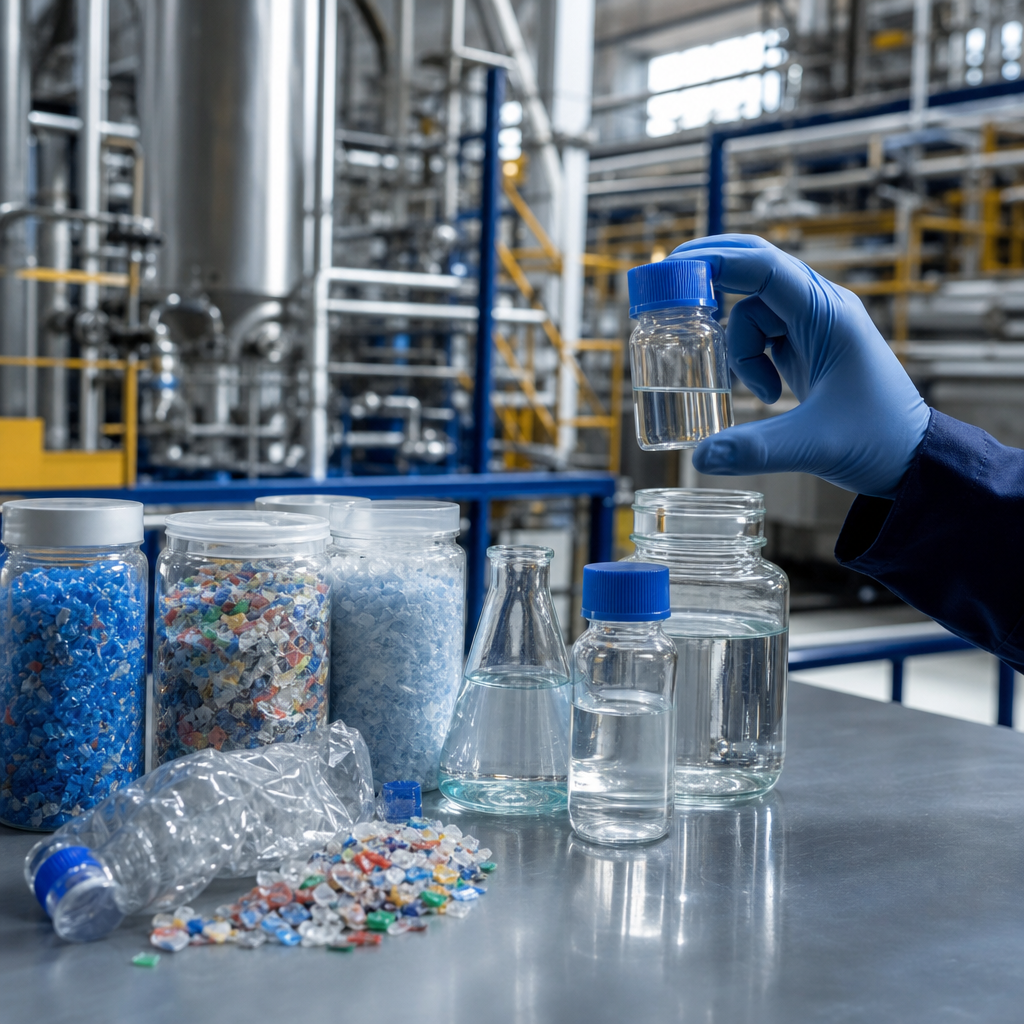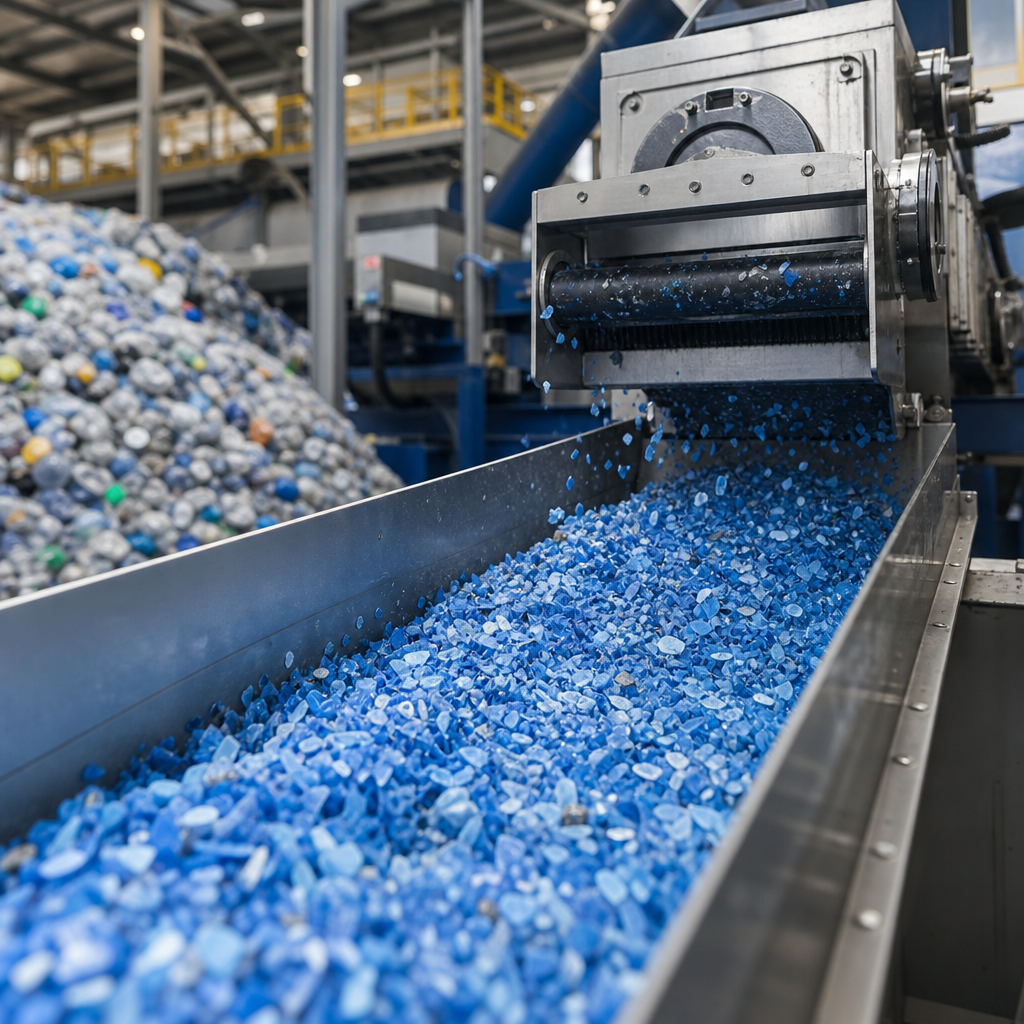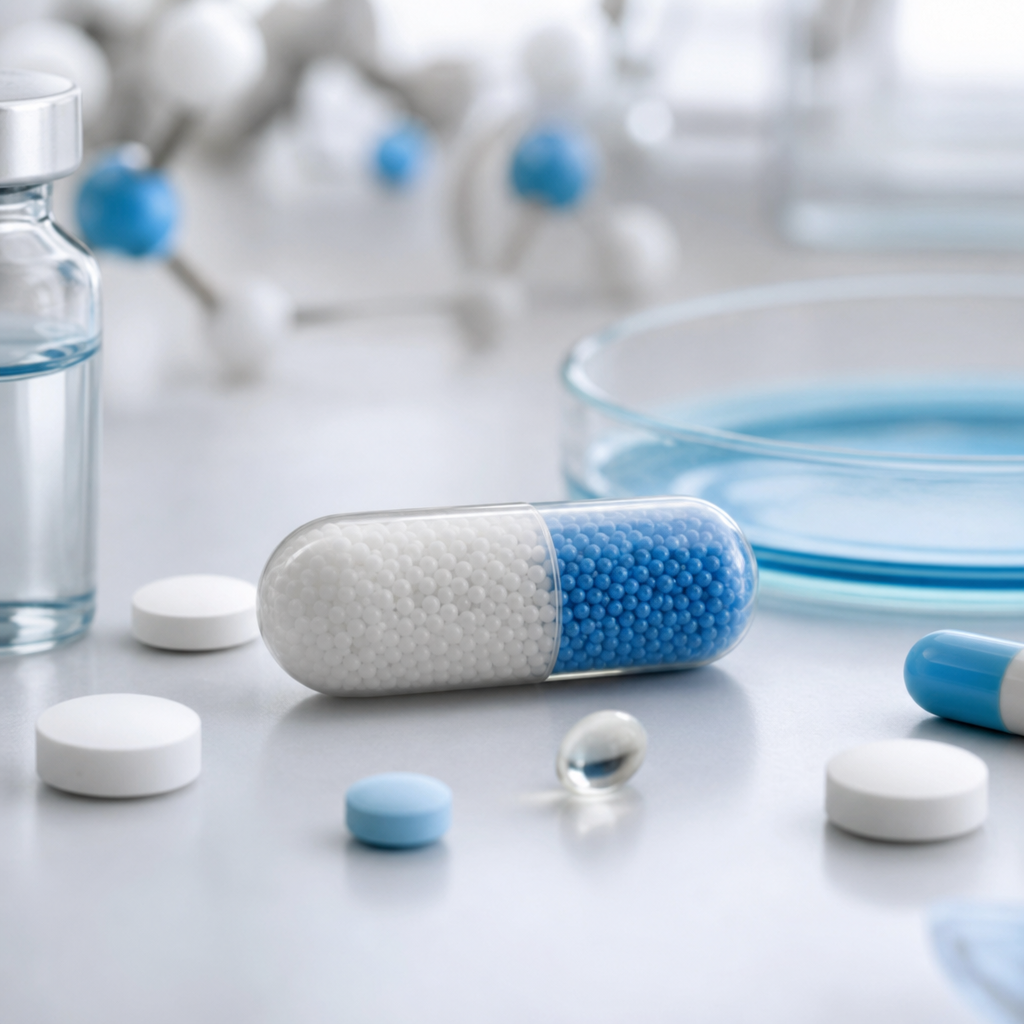
Polymers sit at the center of advanced drug delivery systems because they can protect fragile medicines, control when and where a dose is released, improve solubility, and reduce toxicity. In pharmaceutical science, a polymer is a large molecule built from repeating units, either naturally derived, semisynthetic, or fully synthetic, that is engineered to perform a specific function inside a dosage form. Drug delivery systems are the technologies that carry an active pharmaceutical ingredient to the right tissue at the right rate for the right duration. When these two fields meet, the result is one of the most practical success stories in modern formulation science.
I have worked on formulation programs where a promising drug failed in early testing simply because it dissolved too slowly, degraded in gastric fluid, or cleared from circulation before reaching its target. In many of those cases, the rescue strategy was not changing the drug molecule itself but redesigning the delivery platform around a polymer. That is why polymers matter. They act as matrix formers in tablets, shell materials in capsules, coatings for delayed release, hydrogels for depot injections, stabilizers in nanoparticles, and conjugate backbones for long-circulating biologics. Their versatility allows formulators to tune release kinetics, mucoadhesion, biodegradation, mechanical strength, and biocompatibility with remarkable precision.
Advanced drug delivery systems are especially important for molecules that present well-known development challenges: peptides that degrade in the gastrointestinal tract, anticancer drugs with narrow therapeutic windows, poorly water-soluble compounds, and biologics that need prolonged exposure. Successful polymer applications address these problems by modifying the microenvironment around the drug. A pH-responsive coating can keep an acid-labile drug intact until it reaches the intestine. A biodegradable polyester can release a peptide over weeks instead of hours. A hydrophilic polymer corona can reduce opsonization and extend circulation time. These are not abstract benefits; they directly affect adherence, efficacy, safety, and commercial viability.
This hub article explains how polymers are used in advanced drug delivery systems, which polymer classes have delivered real clinical value, and what distinguishes a successful application from an elegant but impractical concept. It focuses on successful polymer applications across oral, injectable, implantable, ocular, transdermal, and nanomedicine platforms. It also highlights the formulation decisions, regulatory constraints, and manufacturing realities that determine whether a polymer-enabled concept becomes a marketed product.
Why polymers are indispensable in modern drug delivery
The core reason polymers dominate advanced drug delivery is that they provide controllable structure. Small-molecule excipients often solve one problem at a time, but polymers can solve several simultaneously. A single polymer may enhance viscosity, form a diffusion barrier, protect against moisture, and stabilize suspended particles. In controlled-release oral tablets, hydroxypropyl methylcellulose, commonly called HPMC, swells on contact with gastrointestinal fluid and forms a gel layer that meters drug diffusion and matrix erosion. This is the basis of numerous once-daily products because the release rate can be tuned by polymer grade, substitution pattern, viscosity, particle size, and loading level.
Polymers also matter because they can be selected for compatibility with route of administration. For parenteral products, biocompatibility and low residual monomer levels are critical. For implantables, degradation products must be predictable and safe. For mucosal systems, mucoadhesion and hydration behavior determine residence time. Successful polymer applications begin with this route-specific thinking. Formulators do not ask only whether a polymer can carry a drug; they ask whether it can survive processing, remain stable over shelf life, release reproducibly in vivo, and pass toxicological review.
Another practical advantage is that many pharmaceutical polymers have compendial status or long precedence of use. Poly(lactic-co-glycolic acid), polyethylene glycol, povidone, carbomers, sodium alginate, chitosan, ethylcellulose, and polymethacrylates are familiar to regulators and manufacturers. That history lowers development risk compared with novel materials, although it does not remove the need for route-specific safety data. In real projects, this prior use often influences polymer selection as much as elegant mechanistic performance.
Successful polymer applications across major delivery platforms
Successful polymer applications can be understood by looking at the platform and the problem solved. In oral delivery, enteric polymers such as methacrylic acid copolymers and cellulose acetate phthalate protect drugs from stomach acid and reduce gastric irritation. Delayed-release proton pump inhibitors are classic examples. Matrix-forming polymers such as HPMC and polyethylene oxide support extended release for drugs like metformin, reducing dosing frequency and smoothing plasma concentration peaks. Amorphous solid dispersions use polymers such as hydroxypropyl methylcellulose acetate succinate and copovidone to maintain supersaturation and increase bioavailability of poorly soluble compounds.
In injectable depots, biodegradable polyesters have delivered some of the most influential case studies in the field. Poly(lactic-co-glycolic acid), or PLGA, has been used in microspheres and implants for sustained release of leuprolide, risperidone, naltrexone, and other actives over weeks or months. The principle is straightforward: water penetrates the polymer matrix, ester bonds hydrolyze, pores evolve, and the drug diffuses out as the matrix erodes. The execution is not simple. Molecular weight, lactide:glycolide ratio, end-group chemistry, porosity, residual solvent, and particle size distribution all shape burst release and total duration. The success of marketed PLGA products proves that biodegradable sustained release is commercially achievable when formulation science and process control are tightly integrated.
In nanomedicine, polymers often serve as stabilizers, stealth layers, or drug-conjugate backbones. Polyethylene glycol has historically been used to reduce protein adsorption and prolong circulation, although concerns about anti-PEG antibodies now require more careful evaluation. Polymeric micelles based on block copolymers improve the apparent solubility of hydrophobic drugs. Dendritic and brush polymers have been explored for high loading and multivalent targeting. While not every platform has translated clinically, the successful applications show a consistent pattern: polymers work best when they solve a specific pharmacokinetic or tolerability problem rather than being added for novelty.
| Application | Typical polymer | Main function | Representative success |
|---|---|---|---|
| Extended-release oral tablet | HPMC | Swelling gel matrix controls diffusion and erosion | Once-daily matrix tablets for chronic therapy |
| Enteric coating | Methacrylic acid copolymers | Prevents release in stomach, dissolves in intestine | Acid-sensitive and gastro-irritating drugs |
| Biodegradable depot injection | PLGA | Sustained release by hydrolysis and matrix erosion | Monthly or longer peptide and CNS therapies |
| Amorphous solid dispersion | HPMCAS, copovidone | Maintains supersaturation, boosts solubility | Poorly soluble small molecules |
| Mucoadhesive system | Chitosan, carbomer, alginate | Increases residence time at mucosal surfaces | Nasal, buccal, vaginal delivery |
What makes a polymer application successful in practice
A successful polymer application does more than demonstrate controlled release in a beaker. It delivers a clinically meaningful advantage that survives scale-up, stability testing, and regulatory scrutiny. The first requirement is mechanistic fit between polymer and drug. A weakly basic drug in an amorphous dispersion may recrystallize unless the polymer can inhibit nucleation through hydrogen bonding or ionic interactions. A peptide in a PLGA depot may acylate during storage or release if the microclimate pH drops too far during polymer degradation. A hydrophilic matrix tablet may fail dose dumping expectations if alcohol resistance is not tested. Success starts with understanding these failure modes early.
The second requirement is manufacturability. In development, I have seen elegant polymers discarded because they were impossible to process reproducibly. Viscosity can hinder spray coating. Moisture sensitivity can collapse a fluid-bed process window. Residual solvents in microspheres can become the critical quality issue. Shear can reduce polymer molecular weight. A polymer that performs beautifully at gram scale may become unstable or economically unrealistic at commercial batch size. The practical winners are often materials with a slightly narrower theoretical performance ceiling but far better robustness.
The third requirement is patient and product fit. Long-acting injectables are successful when they reduce dosing burden without creating intolerable injection site reactions or difficult reconstitution steps. Ocular inserts must balance sustained therapy with comfort and retention. Transdermal systems must release predictably without adhesive failure or skin irritation. In other words, successful polymer applications are human-centered. The polymer is enabling value only if the patient experiences better treatment, not merely more complex engineering.
Case studies that define the field
Several case studies demonstrate why polymers remain foundational in advanced drug delivery systems. The first is the PLGA depot platform. Long-acting formulations of peptide drugs transformed therapies that previously required frequent injections. By embedding the active ingredient in biodegradable microspheres, developers extended release from days to weeks or months. This improved adherence and, in some indications, made treatment pathways more manageable for clinics and patients. The lesson from these products is that polymer degradation kinetics can be translated into reliable clinical scheduling when particle engineering and release control are validated thoroughly.
A second defining case is the use of enteric and delayed-release polymer coatings for acid-sensitive drugs. Proton pump inhibitors are unstable in gastric acid, so they are commonly protected with pH-dependent polymers that remain intact in the stomach and dissolve in the higher pH of the small intestine. That sounds simple, but these systems also require seal coats, subcoats, and plasticizers to prevent interactions and mechanical defects. Their success shows how polymer architecture can convert a chemically fragile molecule into a viable oral medicine.
A third case is the rise of amorphous solid dispersions for poorly soluble compounds. Many contemporary drug candidates have high potency but low aqueous solubility. Polymers such as HPMCAS and copovidone inhibit crystallization and sustain supersaturated concentrations after dissolution, increasing absorption. Products enabled by hot-melt extrusion or spray drying demonstrate that polymers can be the difference between inadequate exposure and clinically useful bioavailability. The field has matured to the point that developers routinely screen polymer-drug miscibility, glass transition, hygroscopicity, and dissolution performance before selecting a lead composition.
Emerging directions and limitations
The next wave of successful polymer applications is moving toward smarter responsiveness and better biological integration. Stimuli-responsive hydrogels can alter swelling or release in response to pH, temperature, enzymes, or ionic strength. Polymeric carriers are being tailored for local immunotherapy, gene delivery, and combination products that release more than one agent on programmed timelines. In tissue-targeted systems, surface chemistry is being refined to influence protein corona formation, cellular uptake, and residence in specific organs. These trends matter because the future of advanced drug delivery is less about generic sustained release and more about selective, biologically informed delivery.
Still, limitations are real. Not all polymers are biologically inert. Degradation products can irritate tissue, alter local pH, or destabilize sensitive cargo. Sterilization can change molecular weight or rheology. Scale-up can shift particle morphology and release rates. Nanoparticle systems may look promising preclinically yet struggle with reproducibility and cost of goods. Even established materials face new scrutiny; for example, polyethylene glycol is useful but not universally benign in repeated exposure settings. Balanced development therefore requires polymer screening, toxicological assessment, accelerated stability studies, and a clear critical quality attribute strategy from the beginning.
For teams building a case-studies-and-applications knowledge base, the main takeaway is clear: successful polymer applications are those that align material properties with a defined therapeutic problem, route, and patient need. The best systems use known polymer science to deliver measurable clinical value, whether that means protecting an acid-labile drug, extending exposure for a month, improving dissolution of a poorly soluble candidate, or increasing residence time at a mucosal surface. If you are evaluating advanced drug delivery systems, start by mapping the drug’s failure points, then select polymers based on mechanism, safety history, processability, and commercial realism. That disciplined approach consistently turns polymers from excipients into true therapeutic enablers.
Frequently Asked Questions
1. What role do polymers play in advanced drug delivery systems?
Polymers are foundational materials in advanced drug delivery systems because they do much more than simply hold a drug in place. They are carefully selected or engineered to protect active pharmaceutical ingredients from degradation, improve how a drug dissolves, control the rate of release, and help direct the medicine to the right site in the body. This is especially important for fragile therapies such as peptides, proteins, nucleic acids, and poorly soluble small-molecule drugs, all of which can lose effectiveness if exposed too early to stomach acid, enzymes, moisture, or oxygen.
In practical terms, polymers can form tablets, capsules, coatings, hydrogels, nanoparticles, micelles, implants, transdermal films, and injectable depots. In each of these systems, the polymer acts as a functional component that influences how the drug behaves after administration. For example, one polymer may swell in the presence of water and gradually release a dose over many hours, while another may remain intact in the stomach but dissolve in the intestine, allowing targeted delivery to a specific region of the gastrointestinal tract.
Polymers also support better therapeutic outcomes by smoothing out drug levels in the bloodstream, reducing the need for frequent dosing, and limiting exposure to healthy tissues. This can improve patient adherence and reduce side effects. In advanced formulations, the polymer is often as strategically important as the drug itself, because it determines whether the treatment is stable, bioavailable, tolerable, and capable of delivering a consistent clinical effect.
2. How do polymers help control when and where a drug is released?
One of the most valuable features of polymers in pharmaceutical science is their ability to control both the timing and the location of drug release. This is achieved by designing the polymer to respond in predictable ways to environmental conditions such as pH, temperature, moisture, enzymes, ionic strength, or mechanical stress. By tailoring these responses, formulators can create delivery systems that release medicine immediately, slowly over time, in delayed fashion, or only after reaching a specific tissue or organ.
For timing, polymers are often used in sustained-release and extended-release formulations. A polymer matrix can trap the drug and allow it to diffuse out gradually, or the polymer itself may erode at a controlled rate, steadily freeing the active ingredient. This is common in oral tablets, injectable depots, and implantable systems intended to maintain therapeutic levels for days, weeks, or even months. Such control can reduce dosing frequency and minimize the peaks and troughs associated with conventional dosage forms.
For location-specific delivery, polymers can be engineered to remain stable in one part of the body and activate in another. Enteric polymers, for example, resist the acidic environment of the stomach and dissolve only in the higher pH of the small intestine. Other systems use mucoadhesive polymers to prolong residence time at mucosal surfaces, while nanoparticle formulations may incorporate polymers that help the drug circulate longer or accumulate more effectively in targeted tissues. In all of these cases, the polymer serves as a precision tool that helps align drug release with therapeutic need.
3. Why are polymers important for improving drug solubility and reducing toxicity?
Many promising drug molecules face a major challenge: they do not dissolve well in water. Poor solubility can limit absorption, lower bioavailability, and make dosing less predictable. Polymers are widely used to address this problem because they can increase apparent solubility, stabilize dispersed drug particles, and maintain drugs in forms that are easier for the body to absorb. This is particularly valuable for modern drug candidates, many of which are highly potent but chemically difficult to formulate.
One common strategy is the use of polymers in solid dispersions, where the drug is dispersed in a polymer matrix in an amorphous or molecularly mixed state. This can enhance dissolution and help prevent the drug from recrystallizing. In other systems, amphiphilic polymers form micelles or nanoscale carriers with hydrophobic interiors, allowing water-insoluble drugs to be transported in aqueous environments. Polymers can also act as precipitation inhibitors, keeping a drug dissolved long enough to improve uptake in the gastrointestinal tract or at the target site.
Polymers also help reduce toxicity by moderating how a drug is exposed to the body. Instead of releasing a high concentration all at once, a polymer-based system can deliver the dose more gradually, reducing irritation and limiting toxic peaks in plasma levels. In targeted systems, polymers may help concentrate the drug where it is needed and decrease off-target exposure to healthy tissues. Some polymers additionally shield reactive or irritating compounds until they reach the desired environment. Taken together, these functions can improve both the safety profile and the therapeutic performance of a medicine.
4. What types of polymers are used in pharmaceutical drug delivery?
Pharmaceutical drug delivery systems use a broad range of polymers that can be grouped into natural, semisynthetic, and synthetic categories. Natural polymers include materials such as alginate, chitosan, gelatin, dextran, and hyaluronic acid. These are often valued for their biocompatibility, biodegradability, and similarity to biological materials. They are commonly used in hydrogels, wound applications, injectable systems, and mucoadhesive formulations, especially when a gentle interaction with tissues is important.
Semisynthetic polymers are chemically modified versions of natural materials, designed to improve consistency or performance. Cellulose derivatives such as hydroxypropyl methylcellulose, carboxymethyl cellulose, and cellulose acetate are widely used in tablets, coatings, films, and controlled-release matrices. These polymers are especially important in oral dosage forms because they can regulate swelling, gel formation, and dissolution behavior with a high degree of reliability.
Synthetic polymers offer the greatest flexibility in terms of customization. Examples include polyvinylpyrrolidone, polyethylene glycol, polymethacrylates, polylactic acid, polyglycolic acid, and PLGA, which is a copolymer of lactic and glycolic acids. These materials can be engineered for specific molecular weights, degradation rates, charge properties, and mechanical characteristics. As a result, they are frequently used in nanoparticles, implants, depot injections, and highly specialized targeted delivery systems. The choice of polymer depends on the drug’s properties, the intended route of administration, the required release profile, stability needs, safety expectations, and manufacturing considerations. In modern formulation development, selecting the right polymer is a critical step that shapes the success of the entire delivery platform.
5. What factors determine which polymer is best for a specific drug delivery system?
Choosing the best polymer for a drug delivery system requires balancing pharmaceutical performance, patient safety, and manufacturability. The first major factor is compatibility with the active pharmaceutical ingredient. A polymer must not chemically degrade the drug or cause instability during processing or storage. It should support the desired physical state of the medicine, whether that means keeping it dissolved, suspended, encapsulated, or protected from moisture, oxygen, light, enzymes, or pH-related degradation.
The intended route of administration is also crucial. A polymer used in an oral tablet may need strong film-forming or enteric properties, while a polymer for an injectable depot must be sterile, biocompatible, and capable of degrading into safe byproducts. For transdermal systems, adhesion and skin permeability matter. For ocular, nasal, pulmonary, or implantable products, factors such as residence time, tissue compatibility, viscosity, and particle behavior become especially important. Each route places unique functional and regulatory demands on the polymer.
Release performance is another central consideration. Scientists evaluate whether the drug should be delivered immediately, slowly, in pulses, or only at a particular site. The polymer’s molecular weight, solubility, swelling behavior, permeability, charge, and biodegradation profile all influence this outcome. Manufacturing practicality is equally important, because the polymer must perform consistently during mixing, granulation, extrusion, coating, sterilization, filling, and large-scale production. Finally, the polymer must meet quality and regulatory expectations, including purity, reproducibility, toxicological acceptability, and long-term stability. In advanced drug delivery, the best polymer is not simply the most innovative one; it is the one that reliably delivers the right drug, at the right rate, to the right place, in a form patients can use safely and effectively.