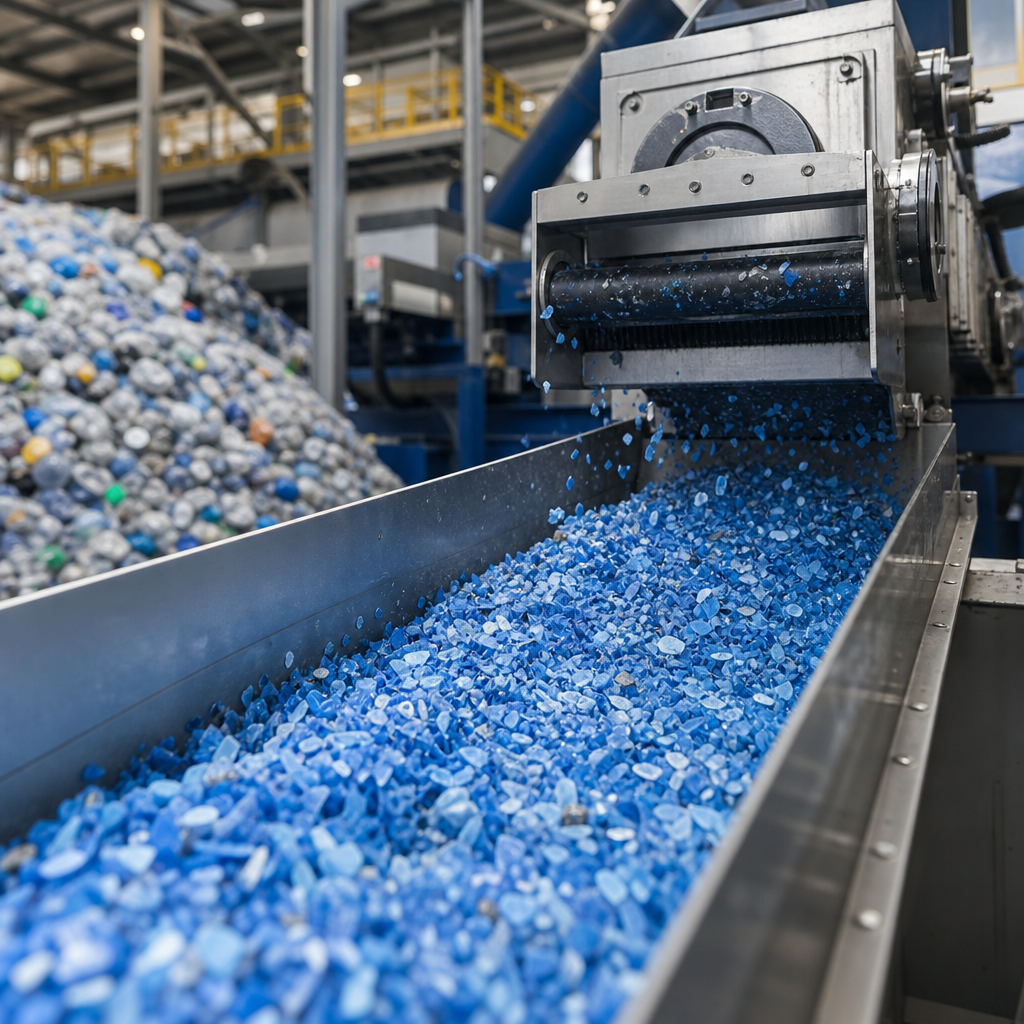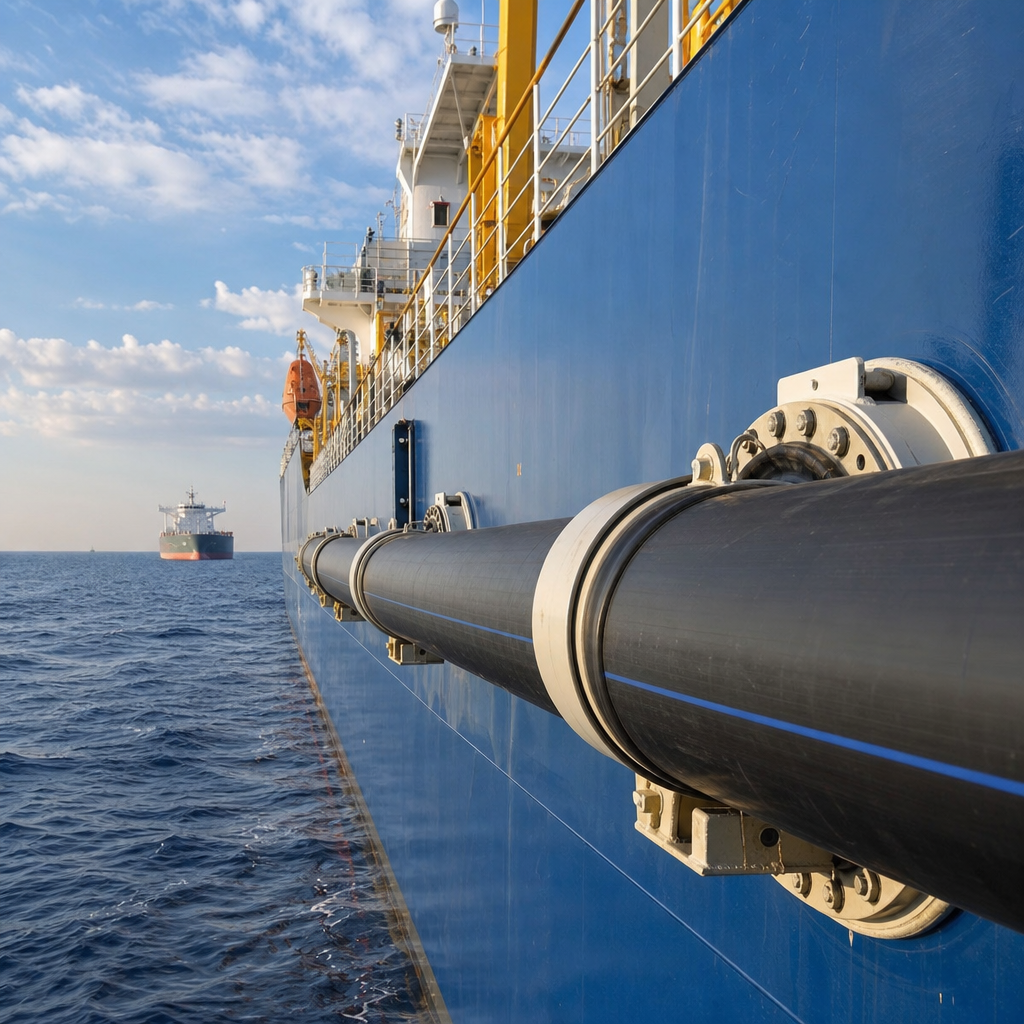
Polymers have become indispensable in marine engineering because they solve persistent problems that metals, wood, and ceramics handle only imperfectly: corrosion, weight, fatigue, sealing, and long-term exposure to saltwater. In marine engineering, the term polymer covers a broad family of materials, including thermoplastics such as polyethylene and polyamide, thermosets such as epoxy and vinyl ester resins, elastomers such as nitrile and neoprene, and high-performance fiber-reinforced composites built with glass, aramid, or carbon fibers. When engineers discuss successful polymer applications at sea, they are not talking about one miracle material. They are evaluating a toolkit of materials with different mechanical properties, chemical resistance, permeability, processing routes, and life-cycle costs.
This matters because marine assets operate in one of the harshest service environments on earth. Ships, offshore platforms, submarines, desalination plants, ports, and aquaculture systems all face chloride attack, ultraviolet radiation, moisture ingress, biofouling, impact loading, and cyclic stress. I have worked on projects where an overlooked gasket compound caused premature leakage long before a steel housing showed visible wear, and on others where a well-specified composite pipe eliminated years of corrosion maintenance. That contrast explains why polymers deserve close attention. They often do not replace metals entirely, but they can extend service life, reduce energy use through weight savings, improve reliability, and lower total ownership cost when selected with discipline.
As a hub article on successful polymer applications, this page explains where polymers are used in marine engineering, why certain materials succeed, what tradeoffs engineers must manage, and which standards and design practices guide material selection. It also points to the practical questions decision makers ask first: which polymer fits seawater service, how do composites perform structurally, where do elastomers fail, what maintenance gains are realistic, and how should procurement teams compare alternatives. The central lesson is straightforward. Polymers perform exceptionally well in marine engineering when their chemistry, manufacturing method, and design limits are matched carefully to the operating environment.
Why polymers succeed in the marine environment
The main reason polymers succeed at sea is that they resist electrochemical corrosion. Steel needs coatings, cathodic protection, and continuous inspection because seawater aggressively drives oxidation. Many polymers, by contrast, are inherently immune to rust. High-density polyethylene, polypropylene, polyvinylidene fluoride, and properly formulated epoxy systems do not participate in galvanic corrosion the way metallic components do. That advantage becomes decisive in piping, cable protection, tank linings, buoyancy elements, and housings where the cost of corrosion repair is high or access is difficult.
Weight is the second major advantage. Marine engineers are always trading payload, fuel burn, stability, and structural efficiency against one another. Replacing metal with polymer composites can cut mass substantially while preserving adequate strength and stiffness. Glass-fiber reinforced polymer gratings on offshore platforms, for example, are widely adopted because they reduce installation weight, simplify handling, and avoid the corrosion problems associated with steel walkways. On fast patrol craft and leisure vessels, sandwich composite hull structures with foam or balsa cores lower displacement and improve fuel efficiency while maintaining acceptable rigidity.
Polymers also damp vibration and noise better than many metals. That matters in naval vessels, passenger ferries, underwater sensor systems, and machinery foundations. Elastomeric mounts, polymer bearings, and composite structures can reduce transmitted vibration, which protects equipment and improves comfort. Another practical benefit is formability. Injection molding, filament winding, pultrusion, resin infusion, rotational molding, and extrusion allow manufacturers to produce complex shapes, integrated features, and long continuous sections with fewer joints. Fewer joints often means fewer leak paths and less maintenance.
Successful polymer applications in hulls, superstructures, and deck equipment
One of the clearest successful polymer applications is the use of fiber-reinforced polymer composites in hulls and superstructures. Glass-reinforced plastic has been standard in many recreational boats for decades because it offers a good balance of cost, corrosion resistance, and manufacturability. In larger commercial and naval settings, advanced composites appear in mine countermeasure vessels, patrol boats, mast structures, radomes, and deckhouses. These applications benefit from reduced magnetic signature, lower topweight, and easier shaping for hydrodynamic or stealth requirements.
Superstructures made from composites can improve vessel stability because reducing mass above the center of gravity lowers roll tendencies. In practical retrofit work, that can create room for additional equipment without violating stability margins. Composite hatches, doors, and ladders are also successful because they avoid rust seizure and often require less repainting than steel alternatives. Polymer fenders and ultra-high-molecular-weight polyethylene wear pads are another proven application in ports and deck machinery, where low friction and impact resistance improve handling performance.
Coatings deserve mention here because they are among the most widely deployed polymer systems in marine engineering. Epoxy primers, polyurethane topcoats, and vinyl ester barrier systems protect steel hulls, ballast tanks, and cargo spaces from corrosion and abrasion. Their success is not accidental. Surface preparation standards such as ISO 8501 and coating system specifications matter as much as resin chemistry. In field practice, the best coating fails quickly if blast profile, cure window, dew point control, and dry film thickness are ignored. Successful polymer application always includes process control, not just material choice.
Pipes, tanks, seals, and fluid-handling systems
Marine fluid systems are where polymers often produce the fastest measurable return. Seawater cooling lines, chemical dosing systems, graywater networks, and desalination components operate continuously in corrosive media. Fiber-reinforced plastic piping based on epoxy, polyester, or vinyl ester resins has a strong record in offshore platforms and marine plants because it resists internal corrosion and scales well to large diameters. Thermoplastic piping, including HDPE and polypropylene, is common in aquaculture and port infrastructure due to flexibility, weldability, and low maintenance requirements.
Tank linings and chemical storage systems also benefit from polymer technology. Vinyl ester and epoxy linings protect steel tanks storing aggressive liquids, while rotationally molded polyethylene tanks provide corrosion-free service for many utility functions. In desalination, reverse osmosis pressure vessels often use composite overwrapped structures because they must combine pressure resistance with corrosion resistance. These are not marginal gains. In many cases, polymer-based systems remove the need for frequent replacement caused by pitting or under-deposit corrosion in metallic lines.
Seals, gaskets, hoses, and diaphragms are smaller components, but they are frequent failure points. Nitrile rubber, EPDM, fluorocarbon elastomers, PTFE, and polyurethane each have specific compatibility envelopes. I have seen seawater pump reliability improve significantly after changing a generic gasket to a compound matched correctly for temperature, salinity, and cleaning chemicals. This is a recurring lesson in marine engineering: polymers often succeed through precise specification at the component level, not only in headline structural uses.
Offshore energy, subsea systems, and buoyancy materials
Offshore oil and gas, offshore wind, and subsea robotics rely heavily on polymers because maintenance access is difficult and failure consequences are expensive. Composite riser components, thermoplastic umbilicals, cable insulation, and polyurethane bend stiffeners are all established examples. These materials must tolerate hydrostatic pressure, fatigue from wave-induced motion, and long immersion periods. Their success comes from tailoring molecular structure and reinforcement architecture to the load case. A bend stiffener, for example, is not just a rubber part. It is a carefully engineered polyurethane component that controls curvature and protects cables or pipes from localized overbending.
Syntactic foam is one of the most important specialty polymer applications in deepwater work. It combines a polymer matrix with hollow microspheres to create buoyancy materials that retain low density under extreme pressure. Remotely operated vehicles, subsea manifolds, and instrument packages depend on syntactic foam for depth-rated buoyancy. Conventional foams would collapse; syntactic systems are designed specifically to resist hydrostatic compression. That is a textbook case of successful polymer application through engineered microstructure rather than simple bulk substitution.
Offshore wind projects use polymers in blade coatings, composite nacelle covers, cable protection systems, and corrosion-resistant access structures. Subsea cable sheathing and insulation are particularly critical because electrical failure offshore is costly and operationally disruptive. Cross-linked polyethylene and related systems are successful not because they are merely water resistant, but because they combine dielectric performance with mechanical integrity during installation and long-term service.
Selection criteria, limitations, and life-cycle decisions
Choosing the right polymer for marine engineering requires more than checking corrosion resistance. Engineers must examine tensile and compressive properties, creep behavior, fatigue performance, water absorption, glass transition temperature, ultraviolet stability, fire behavior, permeation, wear, and repairability. Composites are anisotropic, so fiber direction matters. Thermoplastics may soften under heat. Elastomers can swell in fuels or degrade under ozone. Coatings can blister if osmotic pathways develop. A successful application starts with a service profile, not a product brochure.
| Application | Common polymer system | Main benefit | Key limitation to manage |
|---|---|---|---|
| Boat hulls and deckhouses | Glass-fiber reinforced polyester or epoxy | Low weight and corrosion resistance | Impact damage and fire compliance |
| Seawater piping | HDPE or FRP | Corrosion-free fluid transport | Thermal expansion and joint quality |
| Tank linings | Epoxy or vinyl ester | Chemical barrier protection | Surface preparation sensitivity |
| Subsea buoyancy | Syntactic foam | Pressure-resistant buoyancy | High material cost |
| Seals and hoses | EPDM, NBR, PTFE, polyurethane | Leak prevention and flexibility | Chemical compatibility errors |
Standards and classification rules are essential guardrails. Designers routinely work with DNV, ABS, Lloyd’s Register, ISO, ASTM, and IMO requirements when qualifying polymer materials for marine use. Fire, smoke, and toxicity rules can constrain where polymers are permitted, especially on passenger vessels and offshore accommodation spaces. Inspection methods also differ from metals. Ultrasonic testing, thermography, tap testing, holiday testing, adhesion pull-off tests, and coupon-based aging programs are commonly used to verify performance.
Life-cycle cost analysis often favors polymers, but not universally. A stainless steel component may outperform a polymer in high-temperature zones. A composite structure may reduce maintenance yet increase repair complexity after impact. Recycling remains a challenge for many thermoset composites, although thermoplastic composites and mechanical recycling routes are improving. The disciplined approach is to compare total installed cost, inspection burden, downtime risk, expected service life, and end-of-life options before standardizing on a material family.
What marine engineers can learn from successful case patterns
Across vessels, ports, offshore assets, and marine utilities, successful polymer applications follow repeatable patterns. First, they target the specific failure mechanism that matters most, usually corrosion, excess weight, or sealing failure. Second, they pair material choice with the right manufacturing process and quality control plan. Third, they account for operational realities such as impact loading, maintenance access, and regulatory limits. Fourth, they validate assumptions through testing, inspection, and feedback from service history rather than relying on vendor claims alone.
For teams building a stronger material strategy, the most useful next step is to map every marine system by environment and failure mode, then identify where polymers can create the biggest reliability gain. Start with fluid systems, protective coatings, wear components, and access structures, because these areas often deliver fast payback and clear maintenance savings. From there, evaluate larger structural and subsea applications with classification input and full life-cycle analysis. Polymers are not universal replacements, but in marine engineering they are proven problem-solvers. Used intelligently, they extend asset life, cut corrosion costs, and open design possibilities that conventional materials cannot match.
Frequently Asked Questions
Why are polymers so important in marine engineering?
Polymers are important in marine engineering because they address several of the most difficult challenges found in seawater environments more effectively than many traditional materials. Marine structures and components are constantly exposed to salt, moisture, ultraviolet radiation, temperature changes, vibration, and cyclic mechanical loading. Metals can corrode, wood can absorb water and degrade, and ceramics can be brittle in impact-prone applications. Polymers, by contrast, offer a versatile combination of corrosion resistance, low weight, design flexibility, fatigue performance, and sealing capability.
Another major reason polymers are widely used is that the category includes many different material types, each suited to a specific engineering function. Thermoplastics such as polyethylene and polyamide are commonly used for pipes, liners, bearings, and cable protection. Thermosets such as epoxy and vinyl ester resins are central to composite structures, coatings, and adhesive systems. Elastomers such as nitrile and neoprene are essential for gaskets, seals, hoses, and vibration isolation. Fiber-reinforced polymer composites provide high strength-to-weight performance for hull structures, decks, gratings, and specialized offshore components.
In practical terms, polymers help marine engineers reduce maintenance, improve durability, lower vessel weight, and increase fuel efficiency. Lighter structures can improve payload capacity and performance, while non-corroding materials reduce the need for frequent repair or replacement. Their ability to be molded, laminated, bonded, and tailored for specific operating conditions also makes polymers extremely valuable in modern shipbuilding, offshore energy systems, underwater equipment, and port infrastructure.
What types of polymers are most commonly used in marine engineering applications?
Marine engineering uses a broad range of polymers because no single material can meet every requirement. The most common categories are thermoplastics, thermosets, elastomers, and fiber-reinforced composites. Each serves a distinct role depending on the need for structural strength, chemical resistance, flexibility, wear performance, or sealing.
Thermoplastics are widely used for functional and semi-structural parts. Polyethylene is popular for piping systems, floating structures, and liners because it has excellent chemical resistance and low water absorption. Polyamide is often selected for bearings, bushings, and mechanical parts where toughness and wear resistance matter. Other thermoplastics may be chosen for cable insulation, valve components, and protective housings, especially where electrical insulation and corrosion resistance are important.
Thermosetting polymers such as epoxy and vinyl ester resins are foundational in marine composites and protective systems. Epoxy resins are valued for strong adhesion, good mechanical properties, and resistance to moisture ingress, making them common in laminates, coatings, and structural bonding. Vinyl ester resins are often used where enhanced chemical and corrosion resistance is needed, particularly in tanks, pipes, and parts exposed to aggressive marine conditions.
Elastomers such as nitrile and neoprene are indispensable for flexible components. They are used in seals, O-rings, hoses, diaphragms, and shock-absorbing elements because they can maintain tight sealing under pressure, movement, and fluctuating temperatures. In marine systems, where leaks and vibration can quickly become operational hazards, elastomeric materials play a critical role in reliability and safety.
High-performance fiber-reinforced polymer composites combine polymer matrices with reinforcing fibers such as glass or carbon. These materials are used when engineers need high stiffness and strength at a lower weight than steel or aluminum. Applications include hulls, superstructures, propeller blades in some designs, walkways, panels, and offshore platforms. Their increasing use reflects the industry’s move toward materials that improve efficiency without sacrificing durability.
How do polymers perform in saltwater and other harsh marine environments?
One of the strongest advantages of polymers in marine engineering is their ability to perform well in saltwater environments. Unlike ferrous metals, many polymers do not rust, and unlike some natural materials, they do not rot or biologically degrade in the same way when properly specified. This makes them highly attractive for components that operate continuously in contact with seawater, humid air, marine fouling organisms, and chemical contaminants.
That said, performance in marine service depends heavily on choosing the correct polymer for the exact environment. Saltwater itself is only one factor. Engineers must also consider ultraviolet exposure, hydrostatic pressure, abrasion from sand or suspended solids, impact loading, thermal cycling, and long-term creep under load. For example, a polymer that performs well as a pipe liner below deck may not be suitable for an exposed deck fitting that receives constant sunlight and mechanical wear. Similarly, a resin system used in a composite hull must be evaluated not only for water resistance, but also for fatigue behavior and bond integrity over time.
Many marine-grade polymers are formulated or reinforced specifically to handle these conditions. Additives can improve UV stability, fillers can enhance wear resistance, and fiber reinforcements can increase structural performance. Protective coatings and proper installation methods also help maximize service life. In well-engineered applications, polymers can provide excellent durability over long periods, often with less maintenance than traditional materials. However, marine engineers still need to account for potential issues such as swelling, stress cracking, oxidation, thermal degradation, or moisture-related property changes, especially in demanding or safety-critical systems.
In short, polymers perform very well in harsh marine environments when selected and designed correctly. Their success is not based on the idea that they are universally immune to damage, but on the fact that their properties can be matched more precisely to marine exposure conditions than many conventional materials.
What are the main advantages of polymer composites over traditional marine materials like steel or wood?
Polymer composites offer several compelling advantages over traditional materials, especially where weight, corrosion resistance, and structural efficiency are priorities. The most widely recognized benefit is their high strength-to-weight ratio. A fiber-reinforced composite can often provide the required mechanical performance at a much lower weight than steel, which can improve vessel speed, fuel economy, stability, and payload efficiency. In offshore and marine infrastructure, lower weight can also simplify transportation, installation, and support requirements.
Another major advantage is corrosion resistance. Steel requires coatings, cathodic protection, and ongoing maintenance to resist marine corrosion, while wood can suffer from water absorption, biological attack, and dimensional instability. Composites based on epoxy or vinyl ester matrices are much less vulnerable to saltwater corrosion, which can dramatically reduce lifecycle maintenance costs in the right application. This is particularly valuable for structures that are difficult to inspect or expensive to repair.
Composites also allow engineers to tailor material properties more precisely than with many conventional materials. Fiber orientation, laminate thickness, core materials, and resin systems can all be adjusted to meet specific load paths and operating conditions. This means a hull panel, deck section, or structural enclosure can be designed for stiffness, impact resistance, vibration control, or fatigue performance in a highly optimized way. That level of design freedom is one reason composites are so prominent in high-performance vessels and specialized marine equipment.
There are, however, trade-offs. Composites can be more complex to manufacture, inspect, and repair than metals, and their behavior under fire, impact, or long-term environmental exposure must be carefully evaluated. Damage is not always visible on the surface, and quality control during fabrication is critical. Even so, when the design, materials, and fabrication process are properly managed, polymer composites provide a highly effective alternative to steel and wood in many marine engineering applications.
What factors should engineers consider when selecting a polymer for a marine application?
Selecting a polymer for marine use requires a full engineering assessment, not just a basic review of chemical resistance. The first consideration is the application itself: whether the material will function as a structural component, a bearing surface, a seal, a coating, a pipe, or an electrical insulator. Each role places different demands on stiffness, strength, flexibility, wear resistance, and dimensional stability. A polymer that is excellent for sealing may be completely unsuitable for load-bearing service, and a material with strong mechanical performance may not have the right resistance to biofouling, fuels, or cleaning chemicals.
Environmental exposure is the next major factor. Engineers must evaluate contact with seawater, splash zones, immersion cycles, sunlight, temperature extremes, pressure conditions, and mechanical abrasion. In many marine systems, the real challenge is not one isolated condition but the interaction of several conditions over long periods. For instance, UV radiation can weaken some polymers at the same time that thermal cycling and salt exposure create additional stress. If the part is located in an engine room or near fuel systems, oil and hydrocarbon resistance may also be essential.
Mechanical behavior over time is equally important. Polymers can experience creep, fatigue, relaxation, and changes in stiffness depending on load duration and temperature. For moving parts, friction and wear characteristics may control material choice. For bonded or laminated structures, adhesion performance and resistance to delamination become critical. In composite systems, the matrix resin, reinforcement type, and manufacturing method must all be considered together because final performance depends on the entire system, not just the base polymer.
Finally, engineers should consider manufacturability, inspection, regulatory compliance, repair strategy, and total lifecycle cost. A lower-cost polymer is not necessarily the best choice if it shortens service life or increases maintenance demands. Marine classification requirements, fire safety standards, and environmental regulations may also