Polymers have become one of the most practical materials for addressing environmental pollution because they can be engineered to capture contaminants, replace more damaging substances, extend product life, and support cleaner industrial systems. In materials science, a polymer is a large molecule made of repeating units, while environmental pollution refers to harmful contamination of air, water, or soil by chemicals, particles, pathogens, or waste. The phrase problem-solving with polymers describes the deliberate use of polymer chemistry, polymer processing, and polymer design to reduce these harms in real applications. I have worked with filtration media selection and packaging lifecycle reviews, and the pattern is consistent: polymers create environmental risks when designed poorly, yet they also solve pollution problems when matched carefully to function, exposure conditions, and end-of-life pathways.
This distinction matters because the public conversation often treats polymers as a single environmental category, when in practice they span thousands of materials with very different behaviors. Polyethylene used in a multilayer barrier package is not equivalent to a crosslinked ion-exchange resin in a wastewater plant, and neither behaves like biodegradable polylactic acid in composting trials. Environmental performance depends on chemistry, additives, morphology, service life, recyclability, emissions during use, and the infrastructure available after disposal. Standards from ASTM, ISO, and EPA guidance increasingly evaluate these factors through lifecycle assessment, leachate testing, and performance benchmarking rather than simple material labels.
As a hub article under case studies and applications, this page explains how polymers addressed environmental pollution issues across water treatment, air purification, waste reduction, spill response, energy systems, and circular product design. It also clarifies where polymers fell short, because responsible environmental materials work requires tradeoff analysis. The central lesson is straightforward: polymers are not inherently a pollution solution or a pollution problem. They are a platform technology. When researchers and manufacturers tailor permeability, adsorption capacity, mechanical strength, chemical resistance, and degradability to a defined environmental need, polymers can remove contaminants efficiently and at scale.
Why polymers became essential environmental problem-solvers
Polymers earned a central role in pollution control because they combine tunable chemistry with scalable manufacturing. Compared with ceramics or metals, many polymer systems can be processed at lower temperatures, shaped into membranes, fibers, foams, beads, films, and coatings, and optimized for selective interactions with contaminants. In practice, that means the same broad material family can be used as a reverse osmosis membrane, an activated-fiber filter support, a geomembrane liner, a corrosion-resistant pipe, or a sorbent for oil and organic solvents.
Several polymer properties are especially valuable in environmental applications. First, high surface area structures such as electrospun nanofibers and porous beads increase contact between pollutants and active sites. Second, selective functional groups such as amines, sulfonic acids, carboxyls, and quaternary ammonium groups allow adsorption or ion exchange. Third, controlled permeability lets membranes separate salts, microbes, or volatile compounds from water and gas streams. Fourth, low weight and corrosion resistance reduce operating costs and maintenance burdens in remote or chemically aggressive settings. These features explain why polymeric solutions are found from household water purifiers to municipal treatment plants.
Real-world adoption accelerated because polymers often outperform traditional materials on cost per treated volume. A stainless-steel component may last longer in some settings, but if a polymer membrane module can remove dissolved solids with lower capital cost and easier replacement, utilities choose the membrane. In landfill engineering, high-density polyethylene geomembranes became standard because they provide reliable low-permeability barriers for leachate control when installed correctly. In packaging, polymer films reduced food waste by improving oxygen and moisture barriers, which lowered the upstream pollution associated with agricultural production, transport, and disposal of spoiled food.
Water treatment and wastewater cleanup
One of the clearest examples of how polymers addressed environmental pollution issues is water treatment. Polyamide thin-film composite membranes transformed desalination and advanced wastewater reuse by making reverse osmosis and nanofiltration commercially viable at large scale. These membranes reject salts, pathogens, and many dissolved contaminants through a dense selective layer supported on a porous polymer substrate. In field projects, the main operational challenge is fouling, not just salt rejection, so system success depends on pretreatment, cleaning protocols, and membrane selection rather than membrane chemistry alone.
Polymers also play a major role in adsorptive and ion-exchange cleanup. Crosslinked polystyrene-divinylbenzene resins remove nitrate, hardness ions, and some organic contaminants from water. Chelating resins functionalized with iminodiacetate groups are used to capture heavy metals such as copper and lead in industrial effluents. Chitosan, a natural polymer derived from chitin, has been studied and applied as a flocculant and adsorbent because its amino groups bind dyes and metals under suitable pH conditions. In my experience reviewing pilot systems, the best results come when polymer sorbents are paired with staged treatment, since no single medium handles particulates, dissolved ions, and trace organics equally well.
Membrane bioreactors offer another important case study. They combine biological degradation of wastewater with polymeric ultrafiltration or microfiltration membranes, producing high-quality effluent from a compact footprint. Municipalities adopted these systems where land was limited or discharge permits were strict. The polymer component matters because membrane pore size distribution, surface hydrophilicity, and mechanical stability affect flux, cleaning frequency, and lifespan. Polyvinylidene fluoride and polysulfone have become common choices due to chemical resistance and manufacturability. The environmental gain is measurable: better contaminant removal supports water reuse and reduces nutrient loading into rivers and coastal areas.
Air pollution control and cleaner industrial emissions
Polymers have also addressed air pollution by enabling filtration, catalytic supports, and vapor containment technologies. High-efficiency particulate air media often rely on polymer fibers, including polypropylene and glass-polymer composites, to trap fine particles. In industrial settings, polymer filter bags are selected for temperature resistance and chemical compatibility in dust collection systems. Polyphenylene sulfide and polytetrafluoroethylene are common in demanding exhaust environments because they tolerate acidic gases and elevated temperatures better than commodity plastics.
Another major contribution is in volatile organic compound control. Polymer-based adsorption systems and membrane separations are used to recover solvents from process streams, reducing both emissions and material loss. In fuel systems, multilayer polymer tanks and barrier layers lowered evaporative emissions from vehicles compared with older designs. Ethylene vinyl alcohol and fluorinated surface treatments improved hydrocarbon resistance and permeation control. These changes were not cosmetic; they were introduced to meet increasingly strict emissions standards and directly reduce smog-forming compounds.
Indoor air quality has benefited as well. Activated carbon is often discussed separately, but many commercial air-cleaning devices depend on polymer binders, housings, and fiber structures that make filtration systems practical and affordable. The environmental question is not merely whether a polymer is present, but whether it enables reliable pollutant capture with acceptable pressure drop, energy use, and replacement intervals. In factory audits, I have seen inexpensive nonwoven polymer media cut particulate emissions effectively when maintenance schedules were managed, while poorly specified filters failed despite using more expensive materials.
Waste reduction through packaging, durability, and lightweighting
Some of the most significant environmental gains from polymers come from pollution prevention rather than end-of-pipe cleanup. Packaging is a clear example. Polymer films, trays, and barrier layers extend shelf life for meat, dairy, produce, and dry goods by controlling oxygen transfer, moisture loss, and microbial exposure. When a cucumber wrapped in a thin polymer film lasts far longer than an unwrapped one, the plastic is visible but the avoided pollution from wasted irrigation, fertilizer, refrigeration, and transport is less obvious. Lifecycle studies repeatedly show that preventing food waste can outweigh the impacts of lightweight packaging, especially for high-impact foods such as meat and cheese.
Lightweighting in transport has similar effects. Replacing heavier metal or glass components with engineering polymers reduces vehicle mass, which cuts fuel use in internal combustion vehicles and extends range in electric vehicles. Polypropylene, polyamide, polyurethane composites, and fiber-reinforced thermoplastics are widely used in interior and under-hood components. The environmental benefit depends on use phase savings and durability. If the polymer part fails early, the advantage disappears. If it performs for the full design life, total emissions can fall meaningfully.
| Application | Polymer role | Pollution issue addressed | Practical tradeoff |
|---|---|---|---|
| Reverse osmosis | Polyamide membrane | Salts and dissolved contaminants in water | Fouling and concentrate disposal |
| Landfill liner | HDPE geomembrane | Leachate migration into soil and groundwater | Installation quality is critical |
| Food packaging | Barrier films and trays | Food waste and associated upstream emissions | Recycling can be difficult for multilayers |
| Oil spill cleanup | Polypropylene sorbent | Surface hydrocarbon contamination | Collected waste still needs disposal |
| Vehicle systems | Lightweight engineering plastics | Fuel consumption and air emissions | End-of-life material sorting is harder |
Containment, remediation, and spill response
Polymers are indispensable in preventing pollutants from spreading through soil and water. Geosynthetics, including geomembranes, geotextiles, geonets, and geosynthetic clay liners, are standard tools in landfills, mining sites, wastewater ponds, and contaminated land remediation. High-density polyethylene geomembranes are widely used because of low permeability and chemical resistance. When seams are welded and tested properly, these liners sharply reduce leachate migration. When installation is rushed or subgrade preparation is poor, failures occur at stress points, penetrations, or seams. This is why environmental performance depends as much on engineering controls as on polymer chemistry.
Oil spill response provides another direct case. Polypropylene sorbents became common because the fibers are hydrophobic and oleophilic, meaning they preferentially absorb oil over water. Booms, pads, and socks made from these materials help contain and recover hydrocarbons on water surfaces and industrial floors. They do not eliminate the underlying cause of contamination, but they reduce spread and simplify recovery. Superabsorbent polymers have also been adapted for some hazardous liquid control applications, though compatibility testing is essential because swelling behavior varies by solvent and ionic strength.
In contaminated soil remediation, polymer amendments and encapsulation systems can immobilize pollutants or improve delivery of treatment agents. For example, controlled-release polymer carriers can deliver oxidants or nutrients for in situ remediation. Stabilization technologies may use polymer-modified binders to reduce contaminant mobility. These are not universal fixes, but in sites where excavation is impractical, they can lower exposure pathways significantly. Good remediation design always verifies long-term performance through monitoring wells, leachate analysis, and mechanical integrity checks.
Biodegradable polymers, recycling systems, and circular design
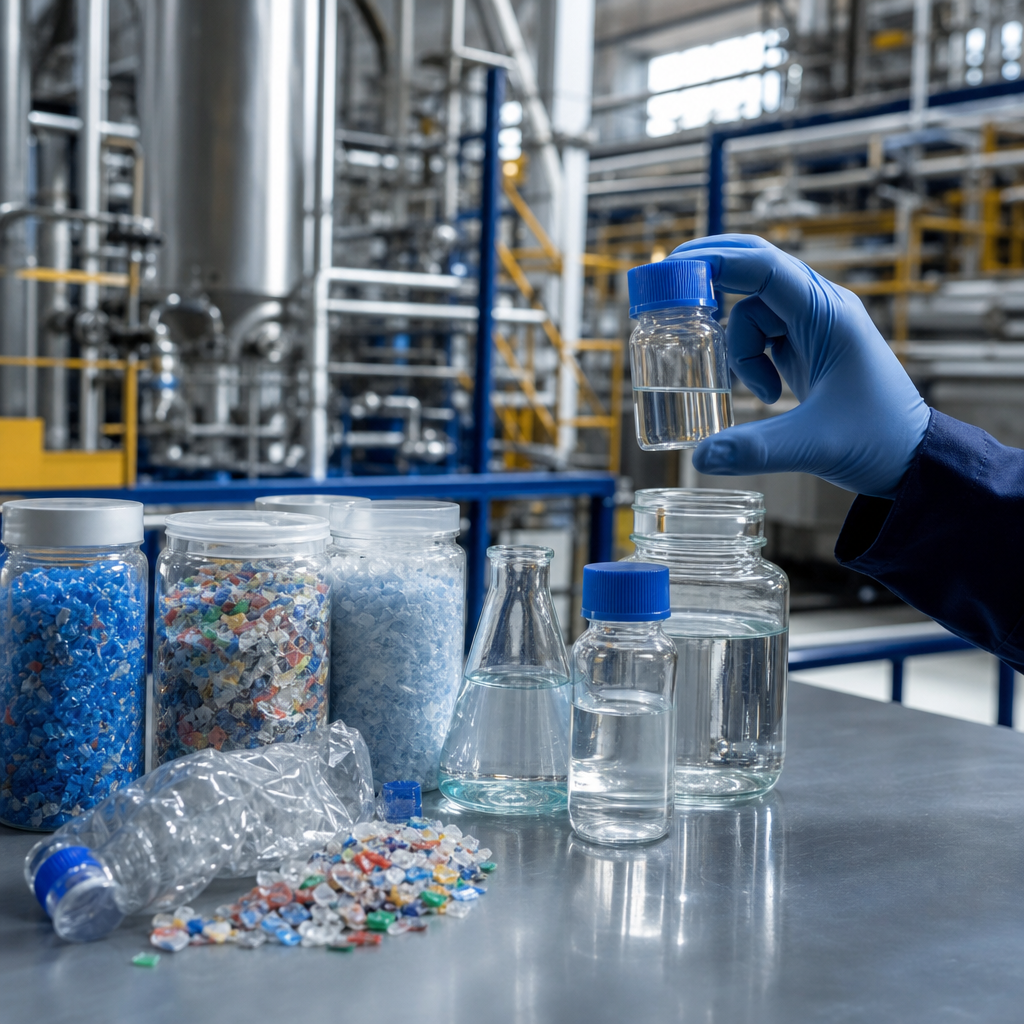
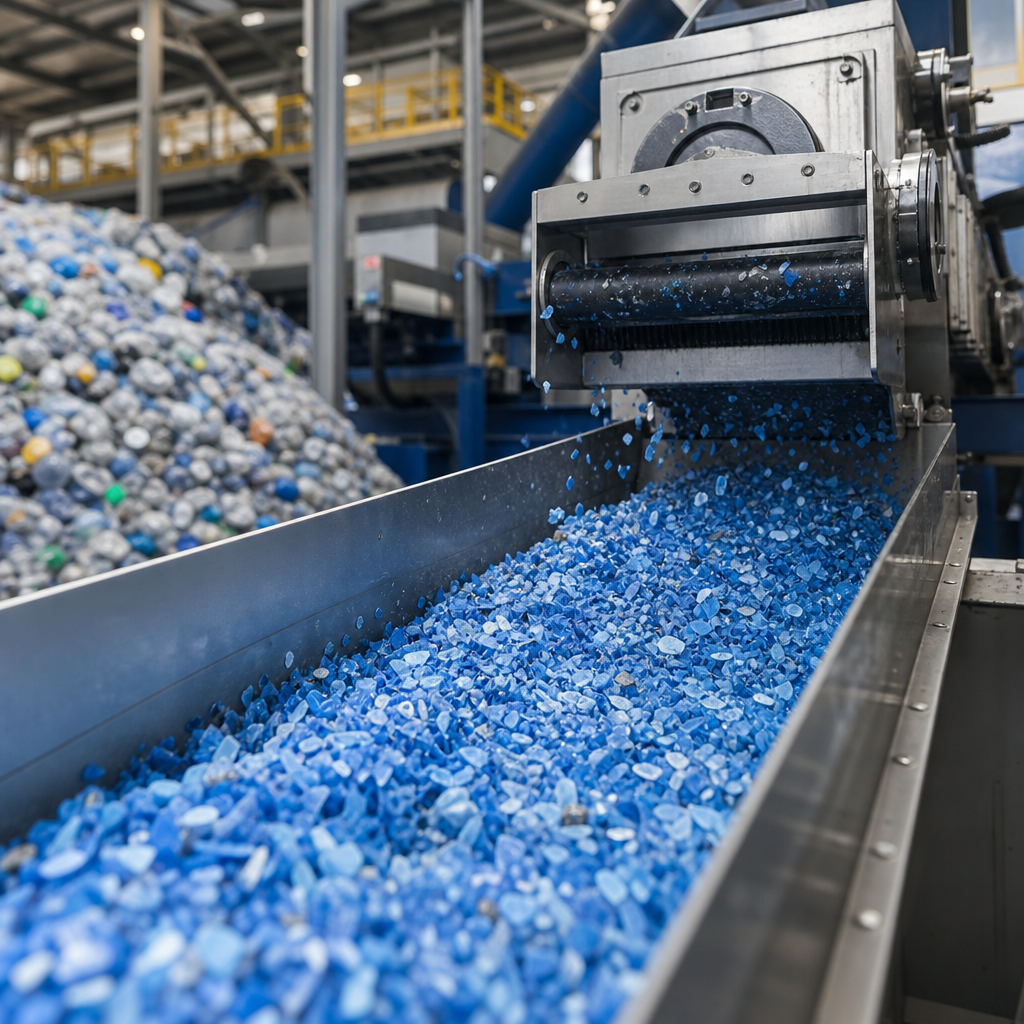
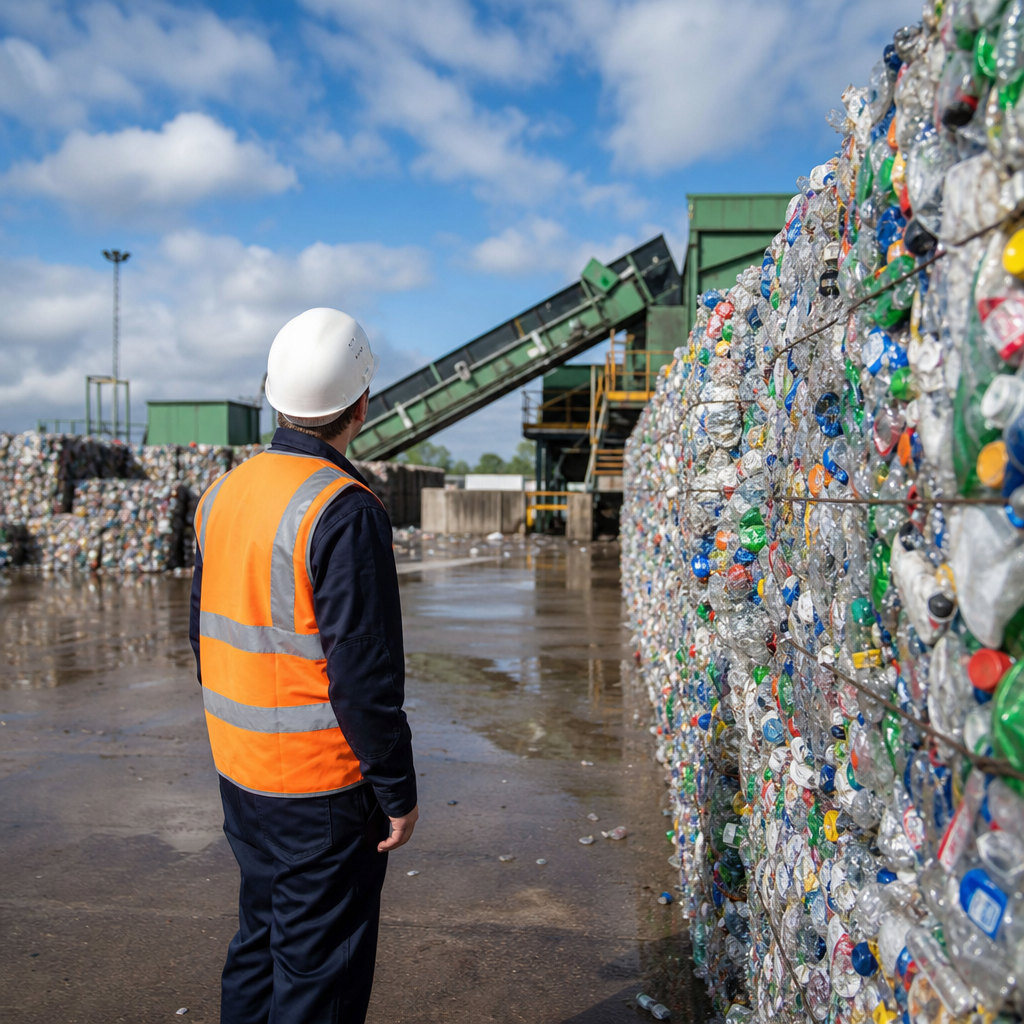
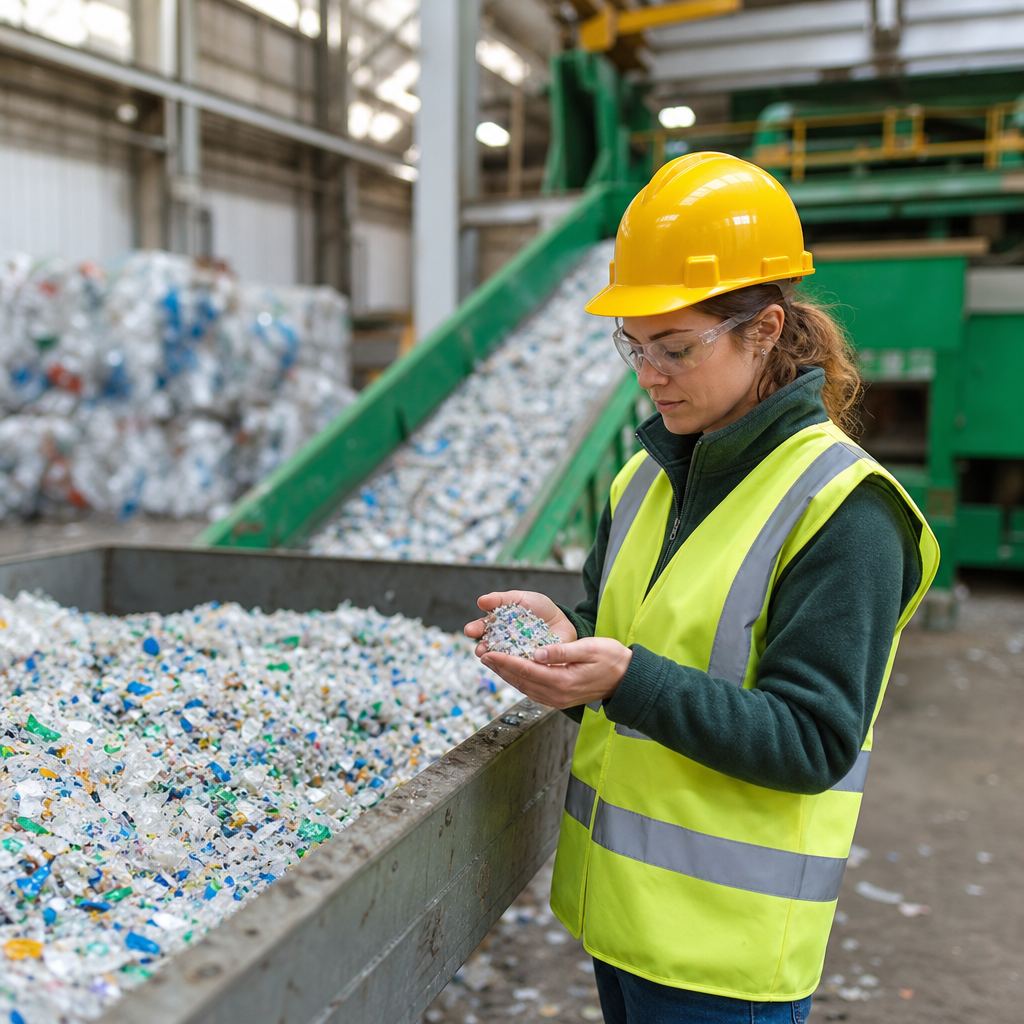
A full discussion of problem-solving with polymers must include their limitations and the corrective strategies developed in response. Conventional persistent plastics contributed to litter, microplastic generation, and landfill growth, so the next wave of environmental work focused on circularity and controlled degradation. Mechanical recycling has expanded for polyethylene terephthalate, high-density polyethylene, and polypropylene where collection and sorting systems are mature. Recycled PET in beverage bottles is now common, reducing demand for virgin resin and lowering lifecycle emissions when contamination is managed.
Biodegradable and compostable polymers entered the conversation for applications where food contamination or collection complexity makes conventional recycling difficult. Polylactic acid, polyhydroxyalkanoates, and starch blends can be useful in selected products, especially food-service items or agricultural films under managed conditions. However, these materials are not a universal answer. Industrial composting infrastructure is uneven, home compostability differs from industrial compostability, and contamination of recycling streams remains a real issue. The responsible message is precise: biodegradable polymers help when the waste system, application, and certification requirements align.
Design for disassembly is equally important. Monomaterial packaging, detachable labels, compatible additives, and clearer resin identification improve recovery rates more effectively than marketing claims alone. Chemical recycling is developing for mixed or contaminated streams, using depolymerization, pyrolysis, or solvent-based purification, but economics and energy demand vary widely. The broader environmental lesson is that polymers addressed pollution most effectively when engineers considered the full system: feedstock, use phase, maintenance, collection, reuse, and final disposition.
What these case studies teach about responsible polymer use
Across case studies, the strongest results come from matching polymer properties to a clearly defined environmental problem and validating performance over time. A membrane that removes contaminants but fouls irreversibly is not a durable solution. A lightweight package that prevents food waste but cannot be recovered may still be justified, but only if the avoided impacts are documented. A biodegradable item without the right disposal pathway can create confusion rather than benefit. In every successful project I have seen, teams used measurable criteria such as permeation rate, adsorption capacity, tensile strength, service life, and end-of-life recovery rate to guide material selection.
The main takeaway is simple: polymers addressed environmental pollution issues by becoming targeted tools, not generic materials. They cleaned water through membranes and ion-exchange systems, reduced air emissions through filtration and vapor barriers, prevented contamination through liners and sorbents, and cut upstream pollution through packaging efficiency and lightweight design. At the same time, they introduced waste-management challenges that had to be solved with recycling, compostability standards, better product architecture, and stricter environmental oversight. For readers exploring case studies and applications, this hub provides the foundation for deeper articles on membranes, packaging, geosynthetics, biodegradable materials, and remediation systems. Use it as a starting point to evaluate where polymers genuinely deliver environmental benefit, and where better design is still needed.
Frequently Asked Questions
1. How do polymers help reduce environmental pollution?
Polymers help reduce environmental pollution in several practical and measurable ways. First, they can be designed to capture pollutants from water, air, and soil. For example, polymer membranes are widely used in filtration systems to remove heavy metals, oils, dyes, microorganisms, and other hazardous contaminants from wastewater. In air treatment systems, polymer-based filter media can trap fine particles and chemically active pollutants before they are released into the environment. This makes polymers valuable not just as passive materials, but as active tools in pollution control.
Second, polymers often replace materials or processes that create a higher environmental burden. Lightweight polymer components in transportation reduce fuel consumption and associated emissions. Protective polymer coatings help prevent corrosion, which extends the life of infrastructure, equipment, and pipelines and reduces the need for frequent replacement. In packaging and product design, well-engineered polymers can preserve goods longer, reducing spoilage and waste. In that sense, polymers contribute to pollution prevention as much as pollution cleanup.
Third, polymers support cleaner industrial systems because they are highly adaptable. Scientists can tailor their structure to achieve specific chemical resistance, durability, permeability, absorbency, or biodegradability. This tunability is one of the main reasons polymers are central to modern environmental engineering. When used thoughtfully, they can improve treatment efficiency, lower energy use, and reduce the release of harmful substances into ecosystems.
2. What types of polymer technologies are used to clean polluted water?
Water treatment is one of the most important areas where polymers have addressed pollution issues. Polymer membranes are a leading example. These membranes are used in microfiltration, ultrafiltration, nanofiltration, and reverse osmosis systems to separate contaminants from water. Depending on the membrane design, they can remove suspended solids, bacteria, dissolved salts, organic compounds, and even trace pollutants. Because polymer membranes can be manufactured with precise pore sizes and surface properties, they are especially effective in both municipal and industrial water purification.
Another major class of technology involves polymer adsorbents and ion-exchange materials. These polymers are engineered to attract and bind contaminants such as lead, arsenic, mercury, nitrates, and industrial dyes. Some are designed as beads, gels, fibers, or porous networks with large surface areas, allowing them to capture significant amounts of pollution efficiently. In oil spill response and industrial wastewater treatment, absorbent polymer materials can selectively take up oils and organic chemicals while repelling water, making cleanup faster and more targeted.
Polymers are also used in flocculation and coagulation processes. Certain water-soluble polymers help tiny suspended particles clump together into larger masses that are easier to remove. This improves clarity and treatment efficiency in water and wastewater systems. More advanced research is now focused on smart polymers that respond to pH, temperature, or specific contaminants, allowing even finer control over pollutant removal. Together, these technologies show how polymers have become foundational materials in modern efforts to restore and protect water quality.
3. Are polymers always environmentally friendly, or can they create pollution too?
Polymers are not automatically environmentally friendly, and this is an important point to understand. While they can play a major role in pollution reduction, poorly managed polymer products can also contribute to environmental problems, especially when they are designed for short-term use and disposed of improperly. Plastic waste in landfills, rivers, and oceans is one of the clearest examples. Over time, larger polymer items can fragment into microplastics, which may persist in the environment and affect wildlife, food systems, and potentially human health.
The environmental value of a polymer depends heavily on its full life cycle: how it is produced, how long it lasts, how it is used, and what happens after disposal. Durable polymers used in water treatment membranes, long-life infrastructure coatings, insulation, medical equipment, or reusable industrial components can generate substantial environmental benefits by preventing waste and reducing resource consumption. In contrast, disposable products with low recovery rates may create more environmental pressure if they are not part of a responsible collection and recycling system.
That is why the most credible discussion is not whether polymers are inherently good or bad, but how they are engineered and managed. Researchers are developing recyclable polymers, biodegradable alternatives for appropriate applications, and circular-economy strategies that keep materials in use longer. Governments and industries are also improving waste handling, product labeling, and recovery infrastructure. So yes, polymers can create pollution if misused, but they can also be powerful solutions when designed within a system that prioritizes reuse, recovery, and environmental performance.
4. How are polymers used to replace more harmful materials and reduce industrial emissions?
Polymers often reduce pollution by replacing materials that are heavier, more energy-intensive, or more chemically damaging over their full service life. In transportation, polymer composites and engineering plastics are used to reduce vehicle weight. Lighter cars, trucks, aircraft, and trains generally require less energy to operate, which helps lower greenhouse gas emissions and fuel consumption. In buildings, polymer insulation materials improve energy efficiency by reducing heating and cooling demands, which can significantly decrease emissions associated with electricity generation and fuel use.
In industry, polymer linings, seals, hoses, tanks, and corrosion-resistant coatings help contain aggressive chemicals and prevent leaks. This is a major environmental benefit because spills, vapor releases, and equipment failure can lead directly to air, soil, and water pollution. By extending the lifespan of industrial assets and reducing maintenance frequency, polymers also cut down on material waste and the environmental costs associated with replacement manufacturing. Many clean processing systems, including chemical handling units, battery technologies, and filtration operations, rely on specialized polymers for safety and performance.
Polymers also help reduce the use of more hazardous substances in some applications. Water-based polymer coatings, for instance, can lower reliance on solvent-heavy systems that release volatile organic compounds. In packaging, well-designed polymer films can preserve food better and reduce spoilage, which indirectly lowers emissions from food production, transportation, and disposal. These benefits do not mean every polymer application is automatically sustainable, but they do show why polymers are so often chosen as part of broader industrial emission reduction strategies.
5. What is the future of problem-solving with polymers in environmental protection?
The future of problem-solving with polymers in environmental protection is strongly tied to smarter design, better recovery systems, and greater integration with clean technologies. Scientists are developing advanced polymers that can selectively target specific pollutants, such as PFAS, heavy metals, pharmaceutical residues, and carbon dioxide. These next-generation materials may be used in membranes, sorbents, catalytic supports, and responsive filtration systems that work more efficiently and with lower energy demands than conventional methods. This is especially promising as pollution challenges become more complex and harder to solve with one-size-fits-all treatment methods.
Another major direction is sustainable polymer design. Researchers are working on bio-based polymers made from renewable feedstocks, recyclable high-performance materials, and biodegradable polymers for applications where controlled breakdown is beneficial. At the same time, there is increasing emphasis on designing products for circularity from the beginning, so materials can be reused, repaired, remanufactured, or chemically recycled instead of discarded. This shift is essential because the environmental success of polymers will depend not only on what they can do during use, but also on how responsibly they move through the economy afterward.
Looking ahead, polymers will likely play an even larger role in environmental monitoring, clean energy, and resource recovery. They are already important in batteries, solar modules, fuel cells, sensors, and water reuse systems. As environmental regulations tighten and industries seek more efficient ways to reduce pollution, polymers will continue to be part of the solution because they combine versatility, scalability, and precise engineering control. The key challenge for the future is to maximize their pollution-fighting benefits while minimizing waste, persistence, and unintended ecological impacts.